A Guide to the City of Bristol, Naturally

Bristol is a maritime in southwest England, just 13 miles or so from Bath, which you can reach via a traffic-free old railway path. This is a vibrant place with many independent shops and a green vegan vibe.
Yet you’re not too far from rolling countryside, and quite near to the Welsh border. Totterdown is a hip funky area (home to one of the steepest streets in England) and known for its colourful houses and quirky art (people even paint the drainpipes!)
Always follow the Countryside Code, to keep all creatures safe.
Clifton Village: Leafy Streets and Georgian Terraces

Just a short walk from the bridge, Clifton Village offers leafy streets, Georgian terraces and lots of independent shops. The neighbourhood feels peaceful and natural, with mature trees lining the squares.
Nearby is Leigh Woods, a nature reserve with peaceful walking trails, ancient trees and woods full of bluebells (keep dogs away from these pet-toxic flowers).
The woods slope down to the dramatic edge of the Avon Gorge, with viewpoints peeking back towards Clifton and the bridge. Leigh Court Farm (an organic box scheme) is based here.
The Historic Harbourside Bristol
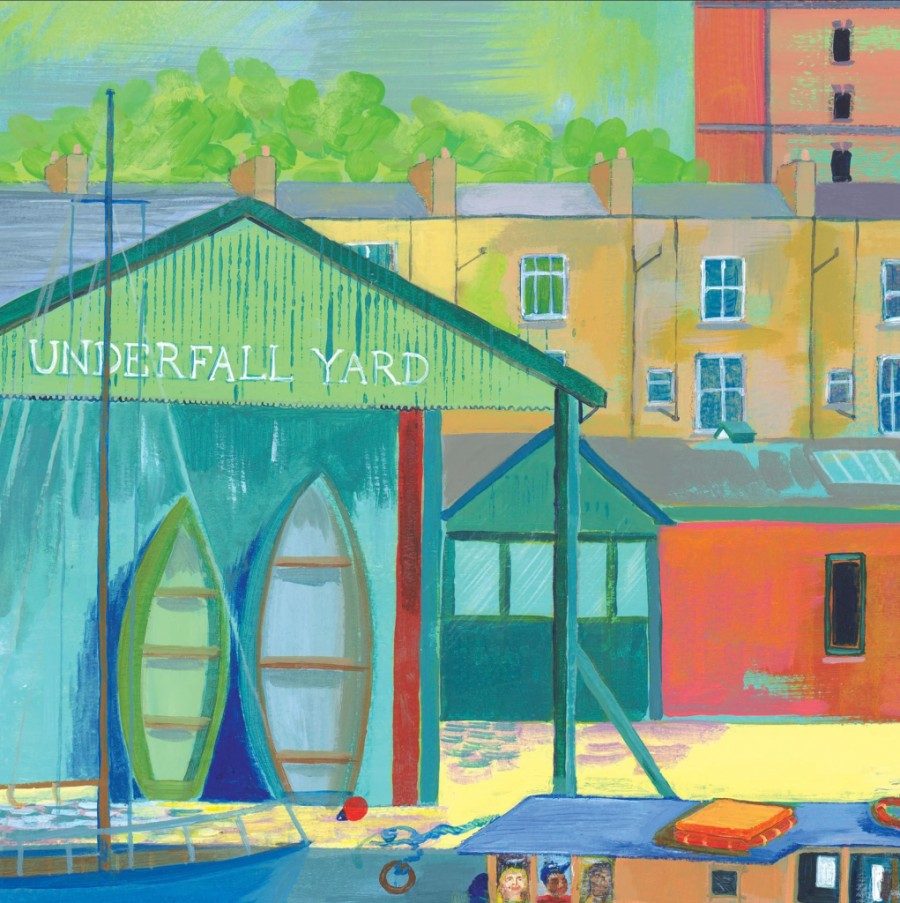
In centuries gone by, Bristol’s port was teeming with ships from across the globe. It all began as a humble port, and through sheer grit and ambition, it grew into one of England’s prime trading hubs.
The Harbourside’s strategic location made it a bustling centre not only for shipping goods but also for whisking people off to new adventures.
No tour would be complete without a stop at the Brunel’s SS Great Britain, a marvel of Victorian engineering. Designed by Isambard Kingdom Brunel, this iron-hulled passenger ship was a beacon of progress in the 19th century.
Not far off, you’ll find the M Shed museum, a vibrant tribute to Bristol’s past with tales of daring sailors and the city’s evolution through time.
Bath and Bristol Railway Walk
The Bath and Bristol Railway Walk offers a peaceful route between two of the area’s most historic cities. The path follows a disused railway with plenty of flat, traffic-free stretches, so it’s safe for cycling or walking. Along the way, see wildflowers, woodlands, and old railway bridges.
The walk is well-signposted and connects small villages and cosy pubs, making it ideal for a day out and a taste of local countryside.
Totterdown: Vibrant and Colourful
Totterdown is one of Bristol’s most eye-catching neighbourhoods. The area is famous for its steep hills and rows of rainbow-painted Victorian houses. Artists, students, and families call Totterdown home, and a creative spirit fills the streets. Community-led festivals, local cafes, and quirky pubs make this a spot with warmth and personality. Walk up to the top of the hill for sweeping city views and photos of Bristol’s iconic skyline.
Maritime City: Bristol’s Harbourside
Bristol has a rich past as a port city, and its harbourside is now a lively spot for locals and tourists. Refurbished warehouses hold art galleries, bars, and restaurants. Iconic ships like Brunel’s SS Great Britain are docked here for you to climb aboard and explore. Take a ferry along the harbour, sip a drink at the water’s edge, or enjoy the Sunday market that brings fresh food and crafts every week.
Clifton Suspension Bridge: Bristol’s Heritage

Clifton Suspension Bridge is an important part of Bristol’s heritage, which was built around 150 years ago to cross the Avon Gorge. A proud example of design innovation, it’s now one of England’s most iconic landmarks.
Although walkers may cross the bridge for free, a toll system is used for vehicles, and monies raised can ensure regular safety inspections and maintenance.
Dogs are not permitted in the museum, so know this before travel, to avoid leaving dogs in cars.
A great example of Victorian engineering, it was designed by Isambard Kingdom Brunel (what a fancy name!) who won a competition to find the best design to build a bridge to cross the river, which split the busy maritime city of Bristol in two. He was only 24 when he won, clever boy!
This beautiful bridge was not only practical, but elegantly beautiful too, at a time when ‘bridges were just bridges’. He was a daring engineer who also designed big steamships and railways, always focusing on designs that were visually striking, as well as functional.
The bridge however was very difficult to build, mostly due to politics and economic downturns, which meant the project had to rely on public subscriptions and private funding, which was less reliable than government money.
Then there were engineering hurdles, as the Avon Gorge creates a tricky building site, due to steep cliffs and swirling winds. IN 1836, the project actually stalled completely. Sadly Brunel died in 1859, before he ever got to see the completed bridge. But other engineers updated the technology to improve the design, and it finally opened in 1864, and today remains a legacy to his talent.
What’s Special About This Bridge?
Clifton Suspension Bridge is a unique skeleton of wrought iron chains, stone towers and timber, that work together beautifully. Wrought iron bends under pressure, making it ideal for a suspension bridge, and chains support the bridge deck, which can take the force of both weather and traffic.
The bridge itself is built from local limestone, which is not just durable but blends seamlessly into the landscape. The old wooden decking has now been replaced with more modern materials, which can take higher footfall and traffic.
An Incredible Suicide Attempt Survival
Alas (just like Golden Gate Bridge), Clifton Suspension Bridge has at times been a popular spot for suicides. Such spots often use barriers and telephones to call Samaritans, for people needing help.
Many years ago, one young barmaid attempted suicide (due to a failed love affair) by jumping off Clifton Suspension Bridge. But her long billowing skirt kind of turned into a parachute, and although covered in mud, she survived.
The lady eventually found love again, married and lived to be 85. She kept the photo of two sisters who (in 1896) also survived the bridge (being thrown off it by their father, who had gone insane and was later sent to an asylum).