
Clear Skin Made Simple: Habits to Prevent Acne and Blemishes
Acne is simply when hair follicles become clogged with oil and dead skin cells. And this in time can lead to pimples, blackheads or more severe cysts. Genetics sometimes plays a role. more common is foods high in sugar and dairy, which often can trigger acne in some people.
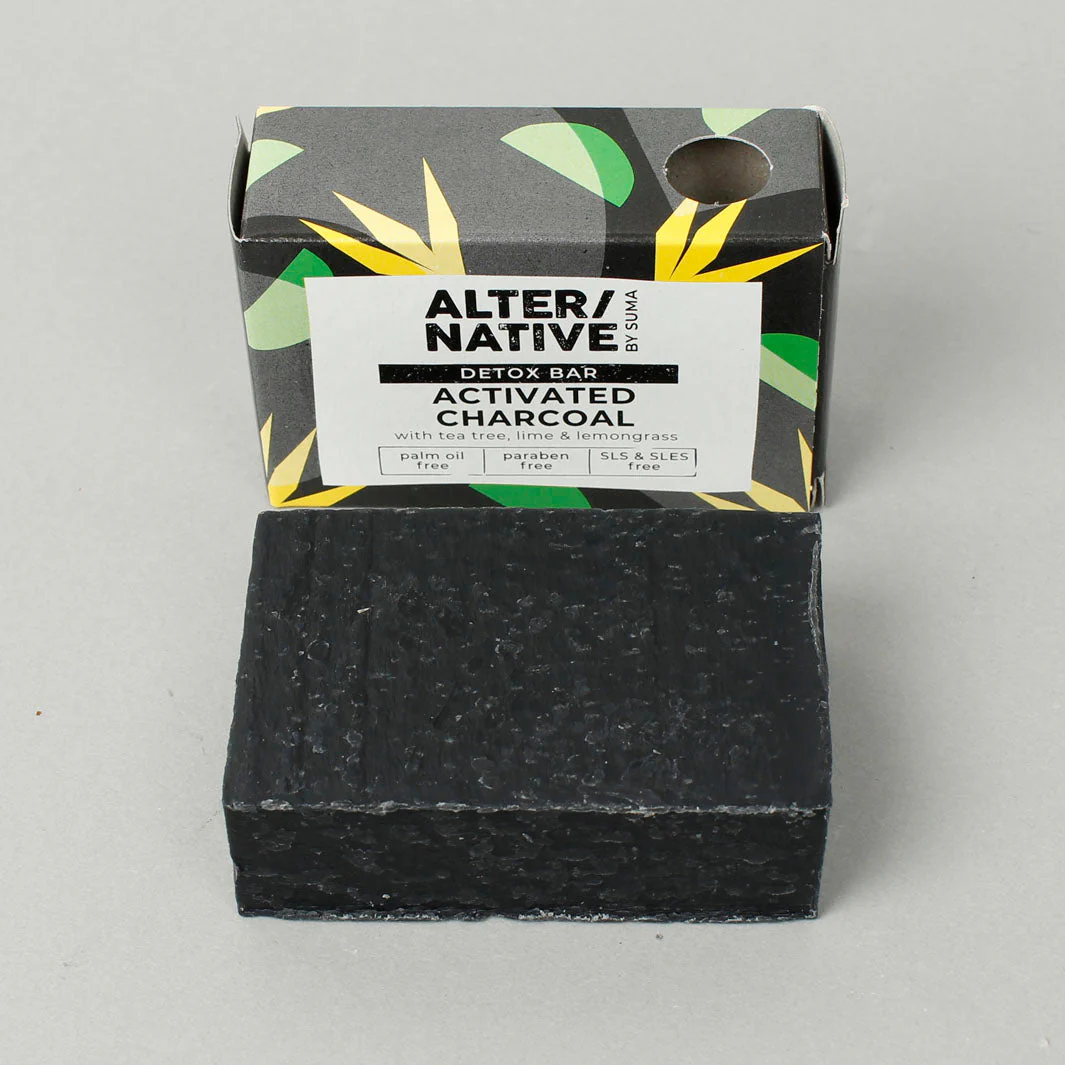
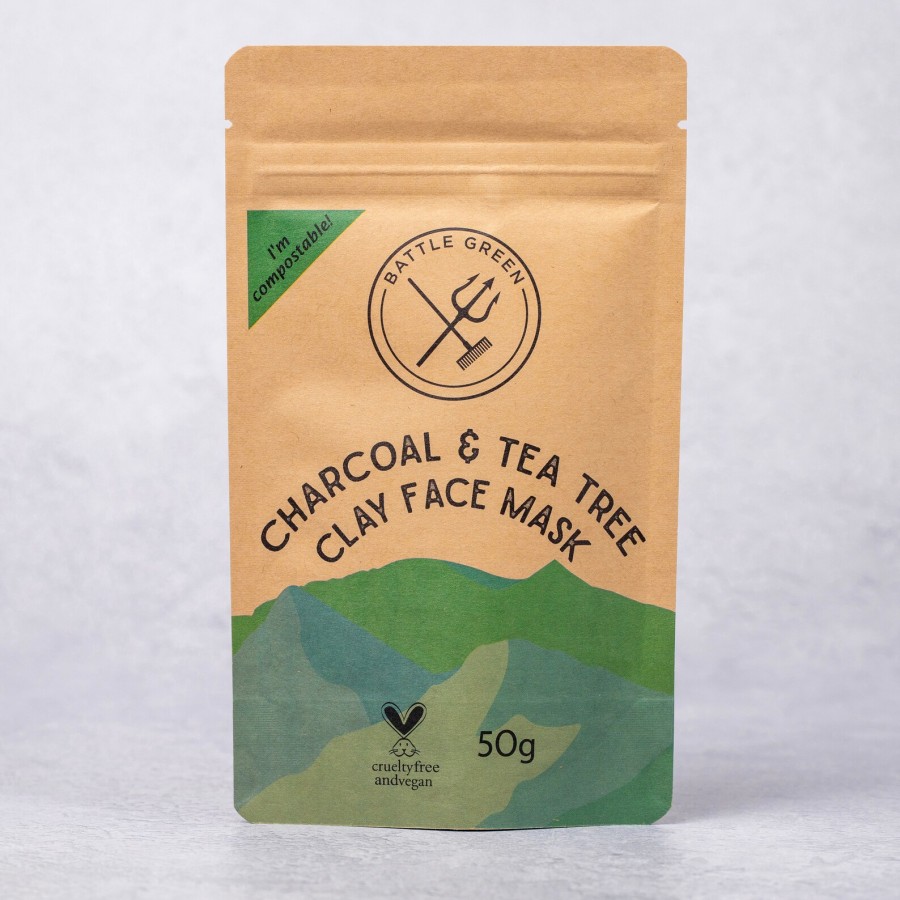
Cleanse skin using charcoal soap and use a charcoal oil-absorbing face mask.
Avoid beauty products with essential oils if pregnant/nursing. Many skincare items contain cocoa butter and/or zinc oxide (also found in sunscreens, cosmetics and deodorants). So if you live with pets, wash your skin before letting pets kiss you, or avoid items containing them.
Most kerbsides recycle plastic packaging. You can also recycle (including pipettes and hard-to-recycle items) at any Boots store (look for the recycling box).
If acne is painful, or leaving scars, see a GP or dermatologist.
- Eat healthy nutritious food. Learn to cook a few plant-based recipes!
- Get at least 150 minutes of weekly exercise and quality sleep (to reduce stress hormones).
- Stay hydrated. Six to eight glasses of water a day is a good aim for most people. Drink two glasses before each main meal, to easily achieve this.
- Let Dr Pimple Popper (a dermatologist) show you the safe way to pop a pimple, if you just have to! Doing it the wrong way could make things worse, and cause lifelong scarring.
Why avoid conventional acne beauty products?
Most contain salicylic acid that may clean pores, but can aggravate skin, and should be avoided by people who have allergies to aspirin or are pregnant/nursing.
Overcuse can also strip the skin’s natural oils, and make things worse. It also makes the skin more sensitive to sun and can interact with medicines, and even cause more break-outs by increasing cell turnover.
Oy organic cleansing by Green People
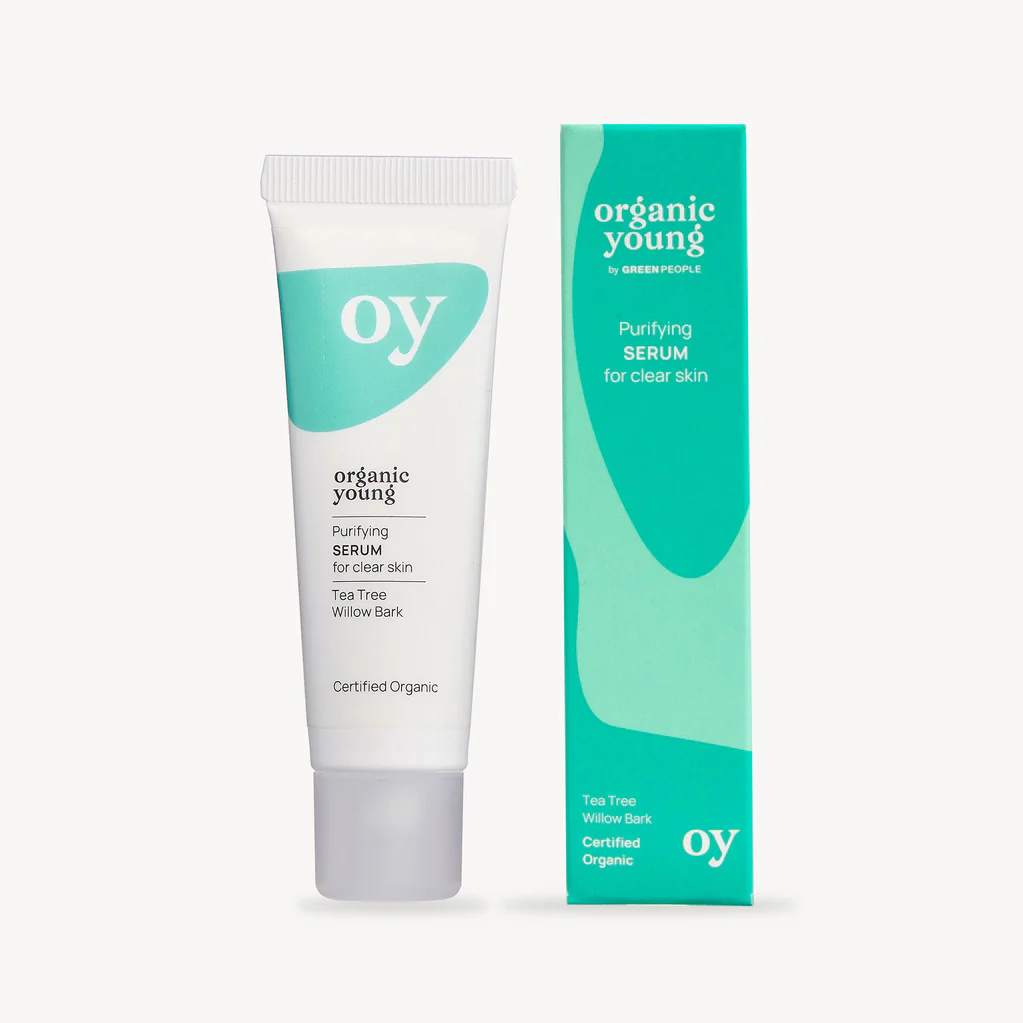
The clear skin purifying serum is ideal for oily skin. Ideal to keep spots and blemishes at bay, it’s rich in organic actives and anti-inflammatories and deep-cleansing yucca to purify pores. And willow bark for the benefits of an alternative to salicylic acid, to avoid irritation. Alcohol free.
What is a beauty serum?
It’s basically a blend of oils and other ingredients to deliver potent active ingredients into the skin, although know that nothing really can penetrate the dermis, only just under the epidermis, so don’t fall for ‘wonder serums or creams’.
Most skin moisturisers sit on the surface to lock in moistures. But serums usually have smaller molecules so can address specific skin concerns like lines, dehydration or pigmentation (age spots).
They tend to have a higher ratio of active ingredients compared to skin creams, and many are high in antioxidants like vitamin C to protect from pollution and UV rays. Some contain hyaluronic acid to provide intense hydration (look for vegan brands, as some hyaluronic acid is from the combs of roosters).
A few anti-ageing ones contain retinol or alternatives. These are designed to increase cell turnover to help booster your own collage and reduce fine lines. But they can make skin more sensitive, so keep out of sunlight after use, or avoid for very sensitive skin.
Likewise those with salicylic or glycolic acids, used to exfoliate pores, and often used to help people with acne or congested skin. Serums with niacinamide (B3) are used to balance oil production (and calm redness).
How to use beauty serums
Serums are applied to the face, neck and décolletage after cleansing the skin, but before you apply skin cream. You only need a few drops to pat onto the skin. Recommended by dermatologists, choose one with natural ingredients. They don’t have to be silly expensive, it matters more what they are made with.
Neal’s Yard Rosehip Oil for scars
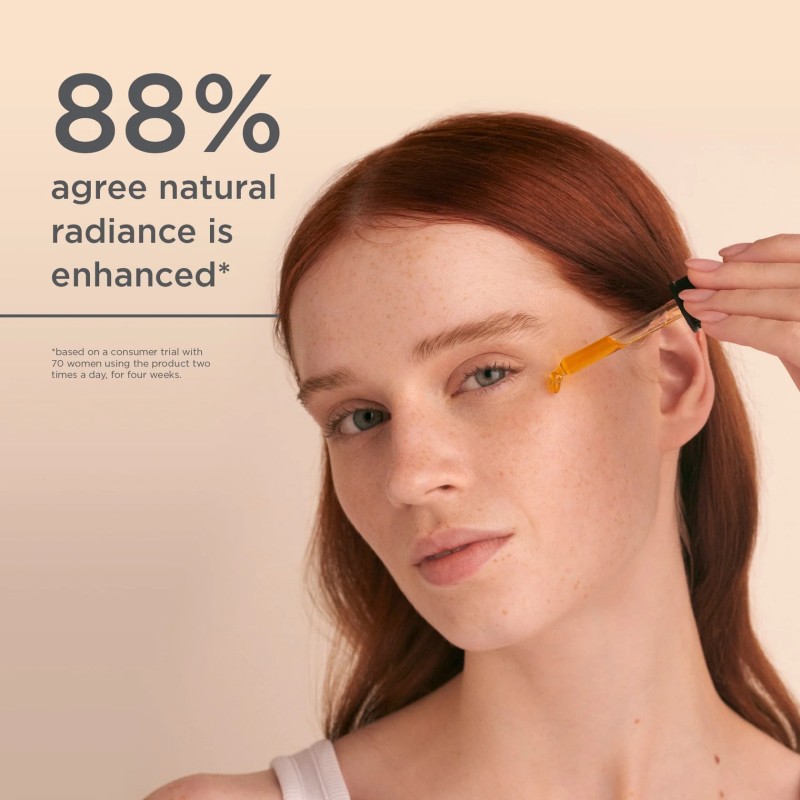
Neals Yard rosehip oil is an organic way to help reduce hyperpigmentation and scarring with vitamin E. Just a few drops needed to give 250 uses per bottle used two times daily.
Scars are the skin’s natural way of healing from injuries, but sometimes you may end up with hypertrophic scars, which sit above the skin, or keloid scars, which grow and spread.
Atrophic scars, on the other hand leave a sunken look (like acne scars). Others may have scars from injury or surgery. Simple ageing can also lead to age or liver spots (flat brown spots that tend to show up mostly on sun-exposed areas like the face and hands).
A dark mark after acne, a scrape, or a rash isn’t always a scar. Sometimes it’s skin pigmentation, which means the skin has changed colour but not shape. That difference matters, because the best natural care for a flat brown mark won’t be the same as care for a raised scar.
Preventative measures for scars
Quick action can prevent lasting marks. Apply a wild rose balm or wild rose beauty serum to areas where skin feels tender or looks red. These products help calm skin, reduce inflammation, and support quick healing. They create a healthy environment so spots and scrapes don’t become scars.
Any dermatologist will tell you that the best way to prevent age spots is to keep out of strong sun and use a good natural sunscreen.
Eating foods high in antioxidants also helps (fresh fruits and veggies). Gentle exfoliation also helps to buff away dead skin cells, but only do this once or twice a week. Also remove dirt, sweat and make-up with a mild cleanser.
Difference between scars & pigmentation
Pigmentation changes the colour of the skin. It often shows up as brown, red, purple, or grey marks after spots, bites, cuts, or irritation. In many cases, the skin feels flat, even though the colour lingers.
Scars are different because they change the skin’s texture or shape. A scar may look indented, thick, shiny, raised, or uneven. Acne can leave small pits. Cuts can leave a firm line. Some people have both problems at once, which is why one mark can look dark and feel rough.
If the mark is flat, you may be dealing mostly with pigment. If it feels raised or sunken, scar care matters more.
When a mark needs medical advice
Some marks fade on their own with time and gentle care. However, a few signs mean it’s better to stop home treatment and get advice.
Pain, heat, swelling, pus, or a bad smell can point to infection. A thick raised scar that keeps growing may be a keloid or another overgrown scar type. Also, if itching won’t stop, or a mark changes fast in colour or shape, don’t leave it to chance. See your GP.
Dr. Vegan Skin Saviour Supplement
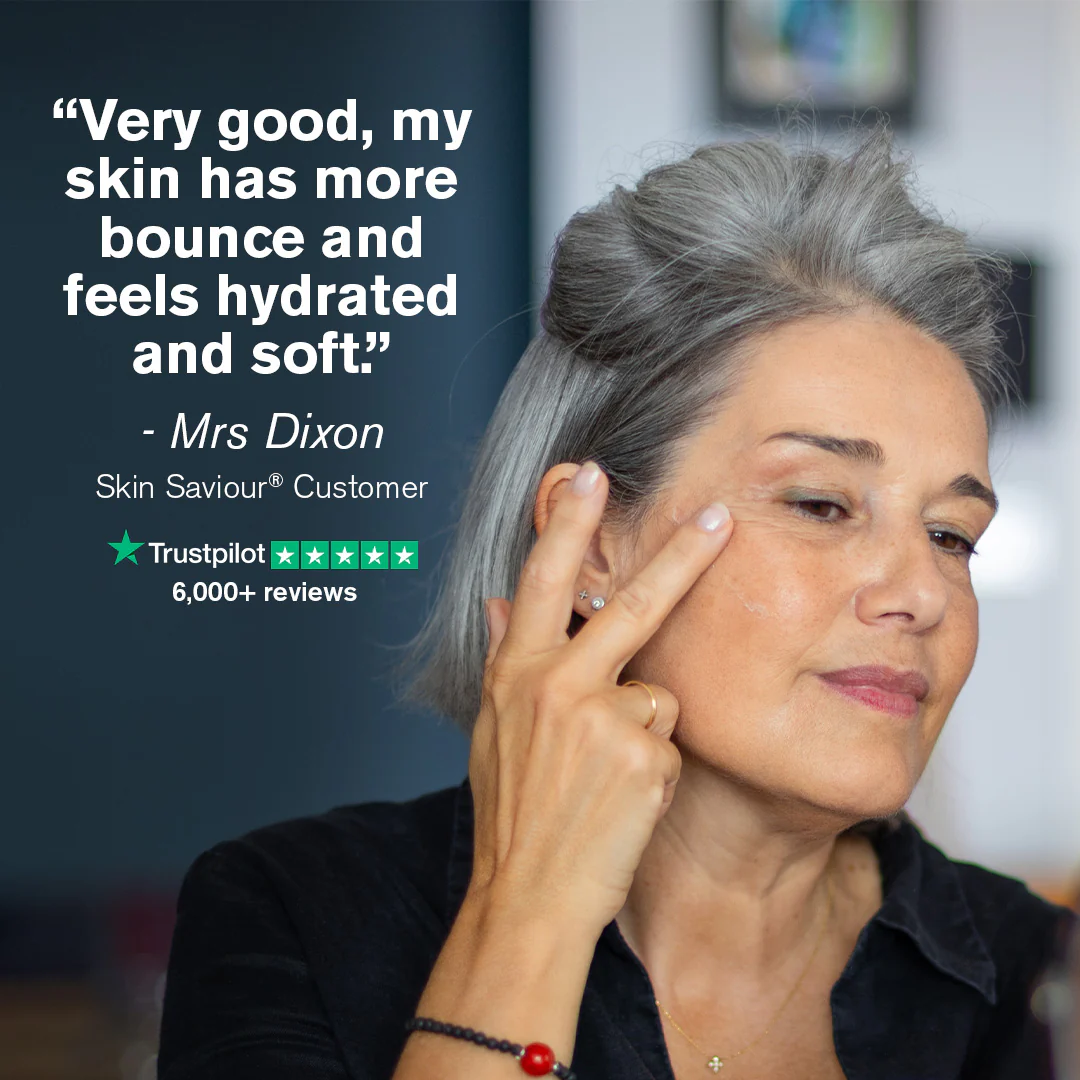
Dr.Vegan Skin Saviour is a quality supplement, the first order is sold in a refillable metal tin. You then just order refills in eco-friendly pouches after that, to save on waste and save money. Subscribe online for big savings, once you have the first order with the tin.
Designed to build natural collagen and support healthy glowing skin, this contains 5 billion cultures and can also help to prevent blemishes. Also contains vitamin C, vitamin E, zinc and hyaluronic acid. 80% of people find it effective.
Always check with your GP before taking supplements if on medication (also for women if pregnant or nursing). Keep them away from children and pets, and recycle unused supplements and medicines at pharmacies (never flush them down the loo).
When to expect improvements
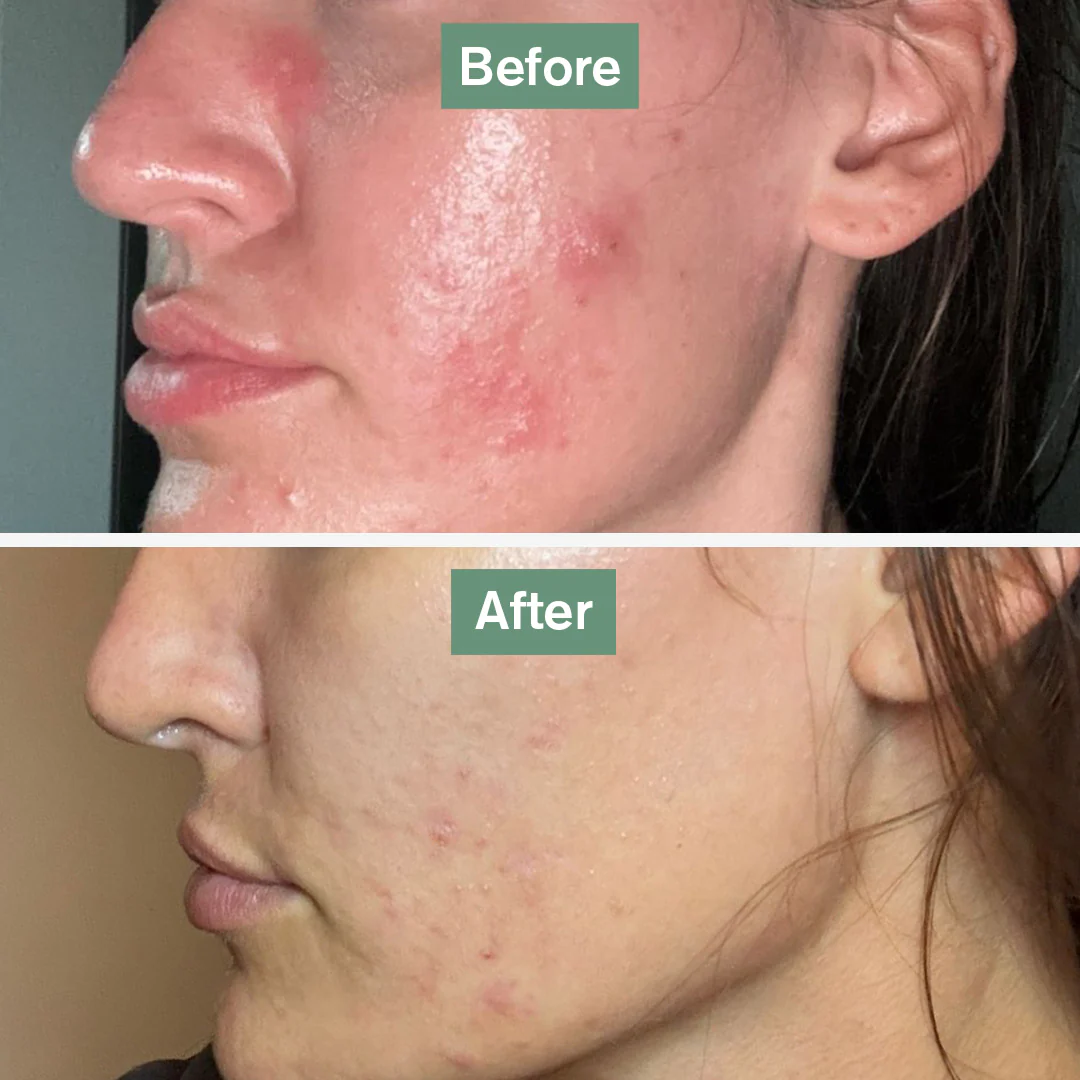
- 3 weeks (less hormonal breakouts, better skin elasticity)
- 1 month (softer plumper skin, better digestion)
- 2 months (less blemishes/redness, better hair/nails)
Nutritional tips for healthy skin
Eat wholefoods packed with antioxidants (vitamins A, C and E) and plant-based omega 3 oils (nuts and seeds). This can fight inflammation and support collagen, and drink water to hydrate from the inside. Obviously give up smoking and limit alcohol.
Plenty of fresh foods in vitamin C and wholegrains in vitamin E help. As do beta-carotene (orange carrots, peppers etc) that convert to vitamin A in the body.