Community medicine (proven results from Chicago, USA)
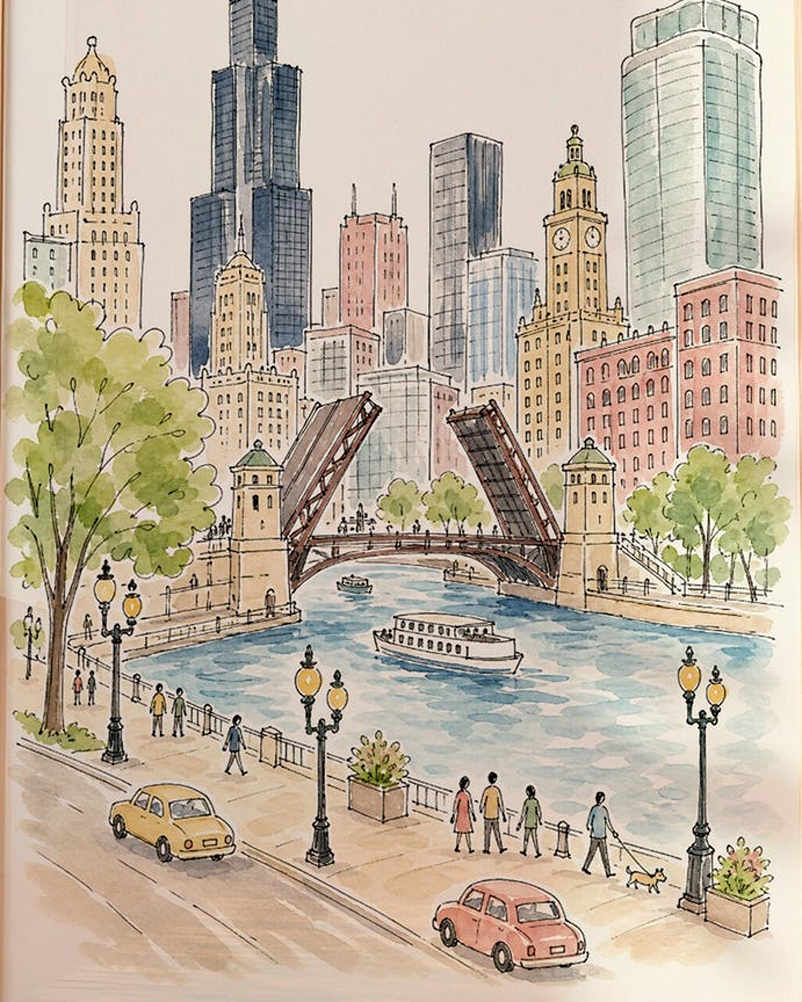
Precision Community Health (only now available as an e-book) is a really interesting and unique read. It’s about (and by) a medical doctor in the USA, who whilst treating a hospital patient for hypothermia, realised he was doing little long-term good – if the patient was going to spend the next night in the freezing cold, due to unaffordable energy bills or being homeless.
So once Bechara Choicair became health commissioner for the city of Chicago, he embarked on an ambitious experiment. To address the societal causes of disease, rather than focus on ‘precribe them and release them’. Instead of applauding the launch of big new retail parks and warehouses that send communities further apart, he focused on four simple areas of wellbeing:
- Coalition building (working with healthcare organisations, councils, community groups, schools and businesses to focus on health issues like reducing childhood obesity)
- Big data (using the data available to find out who is most at risk and where help is most needed). For instances, which areas have high areas of damp housing or high rates of diabetes.
- Media and communication (raising public awareness to encourage healthier behaviours – and free screening for particular diseases)
- Policy (changing the laws and regulations to address better public health – ensuring people have housing, food, transport and nice physical environments – safe parks and walking places etc.
We can’t keep people healthy, if they don’t have a roof over their head, and food on the table. Bechara Choucair
What was the result?
You’d better believe it! The results were stunning. The program resulted in far lower cases of smoking to teen pregnancies, and even reduced breast cancer mortality. This book is basically a manual for your own community to the do the same.
‘Being well’ is not just about what our MPs obsess about (access to a GP). It’s about forward-thinking policies, like providing walkable communities with fresh air and green spaces. Not so much skateboards in public parks for teenagers, but tangible help like free education programs, affordable safe housing (not at the expense of greenbelt land) and access to fresh locally-sourced organic food at good prices).
No-one has worked harder to improve urban public health than Bechara Choucair. It’s gratifying to see the innovations he pioneered in Chicago, making a difference elsewhere. His book is a must-read for anyone who cares about effective health policy. Rahm Emanuel
A similar thing happened in Stroud
In the town of Stroud (Gloucestershire), a similar experiment brought similar results. During the pandemic (when MPs and many others were obsessing about bed-blocking and medicines), volunteers took turns to ensure local people (after lockdown) had company. They took them on shopping trips, and created public spaces for people to meet up.
Again, where elsewhere illness rates soared – here they dived. The effects were even more profound than if everyone had given up smoking and drinking.
We obviously need good NHS facilities, but public health is not just about medicine and hospital appointments. It’s about preventive medicine on a massive scale:
- Damp homes worsen asthma
- Limited access to good food increases diabetes
- Mistrust and misinformation reduces vaccine update
- Loneliness can lead to anxiety and even dementia
- Lack of walking spaces leads to obesity and insomnia
Think of community medicine like mending a leaky roof. Hospital care (and even GP appointments) deal with ‘drips on the floor’. But community medicine fixes the tiles, so the drip doesn’t keep coming back.
Good community medicine also saves NHS funds (less requests for medicines, inhalers etc). Medicines cost money. But a precription won’t ever fix a bedroom wall that’s black with damp.