Cow and Calf Welfare (simple tips for farmers)
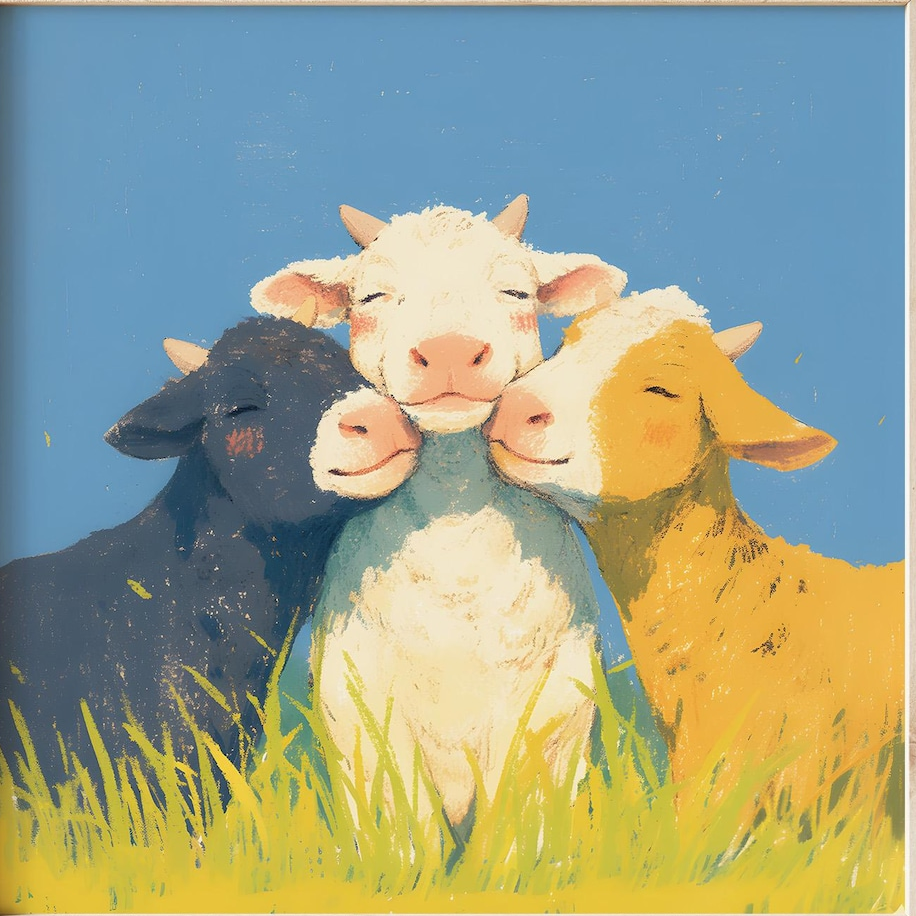
Cows are sweet friendly animals that spend most of their time chewing cud in small herds, babysit other calves and even play hide-and-seek!
The Met Office says it’s a myth that cows can predict the weather – if they are lying down, it’s likely they are just having a rest!
Cows have strong maternal instincts, which is why separating them in the dairy industry (calves are either shot or become veal in most cases) causes such stress for both.
Herds have strong social connections, which is free-range organic farming is so important, for people that eat beef or drink milk.
Support Better Welfare (if you eat meat)
- If you eat beef steak or mince, Compassion in World Farming says look for the words ‘certified organic’, ‘grass-fed’ or ‘access to pasture’ which means the animals have at least been raised outdoors. Labels like Red Tractor and RSPCA are not given much credence on welfare grounds these days.
- This post is more for farmers. For people who don’t wish to eat beef or steak or mince, read our posts on faux meats and towns with no McDonald’s!
- If you eat meat, please don’t eat or buy veal. Cruel veal crates are now banned in the UK, but until we get a ban on live exports.
Calves (sometimes just 14 days old) are live-exported to live in tiny crates where they can’t turn around, and fed a poor diet to produce ‘white’ meat, before being slaughtered in countries with poorer animal welfare laws.
Always Follow the Countryside Code
Although humans and dogs enjoy countryside walks, it’s really important to follow the Countryside Code, which mostly uses common sense, in order to keep your pets (and barnyard friends) safe.
Report concerns of farm animals in the first instance (most will be thankful you did). If you can’t find them (or have no joy), call RSPCA (or Crimestoppers to remain anonymous).
Don’t judge farmers, many have financial needs (Farming Community Help can help with free food for livestock and other goods).
Practice Free-Range Organic Farming

Outdoor-reared cattle often have to come inside during winter due to freak weather changes. Most beef cattle spend the end of their lives crammed in pens to fatten them up before slaughter. Compassion in World Farming wants indoor housing to have clean comfy resting peace with straw bedding, until they can enjoy the outdoors.
Livestock farming also contributes to greenhouse gases (both from factories and methane emissions). Around 80% of Amazon forest has been destroyed to create pasture land for cattle used to sell as beef, usually abroad. China and the USA buy most of it, but the UK and Ireland buy Brazilian beef (usually sold as corned beef).
Help for Cattle Farmers and their cows/calves
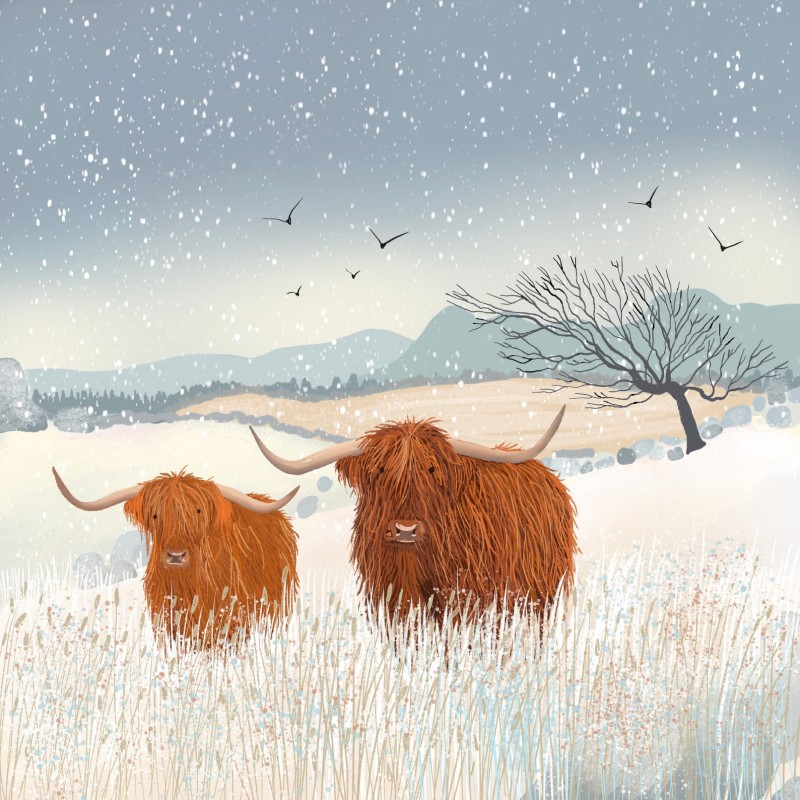
If you are a farmer of cows and calves, here are some useful resources. Only a small percentage of people in England are vegan or vegetarian, so it makes sense to ensure that cows have good welfare, and that stars with free-range farming:
The Farming Community Network is an umbrella of charities that have helplines for struggling farmers. From providing free feed to livestock to offering help with finances and tenancy.
Know How to Prevent Bovine TB
- Culling badgers to stop cattle TB is both bad science and cruel, and thankfully soon to stop. The evidence is already out on how to prevent it (vaccination and reducing cattle-to-cattle transmission).
- Read how to prevent TB in both cattle and badgers.
Get Help to Prevent/Treat Mastitis
Industrial dairy farming also leads to many issues like painful mastitis (udder inflammation) that can affect most of a herd.
It’s mostly caused by being housed indoors for long periods, contamination of milking equipment or bedding, and lack of rest.
- Always wear gloves when milking cows, to prevent infection spreading. Sterilise all teats before milking. Free-range cows that are looked after well have less chance of infection. It’s proven that cows with access to pasture have higher immunity. Find a qualified farm vet, for help and advice.
- Homeopathy at Wellie Level offers courses for farmers, endorsed by vets. It has a book to help mastitis and udder problems. Read a case study of a cow treated successfully (alongside a qualified homeopathic vet).
Transfarmation (better welfare, more profits)
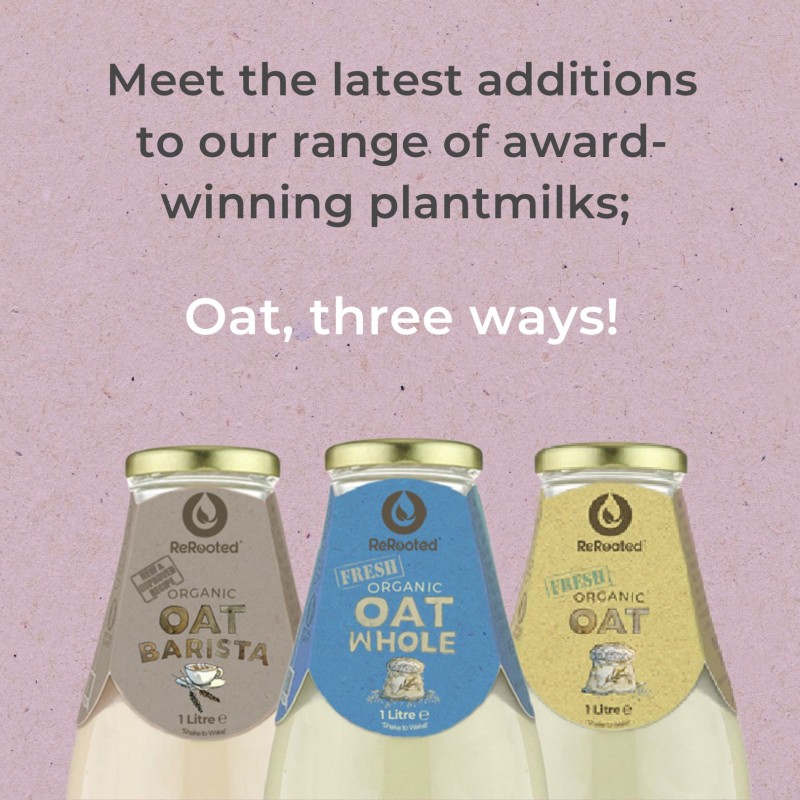
Transfarmation projects is when charities help you transition (with training and seeds) over from livestock farming to the more profitable oat milk market, selling locally in glass bottles. This market is huge, yet most oat milk sold in England is still imported.
This can save family farms, bring in more income, and let existing animals live out their lives in peace.