Eat With the Seasons (a simple guide and cookbooks)
Learning to cook your own food is empowering, as you no longer have to rely on expensive plastic-wrapped ready-meals and takeaways. Master your favourite cuisines at home. Then every night is restaurant night!
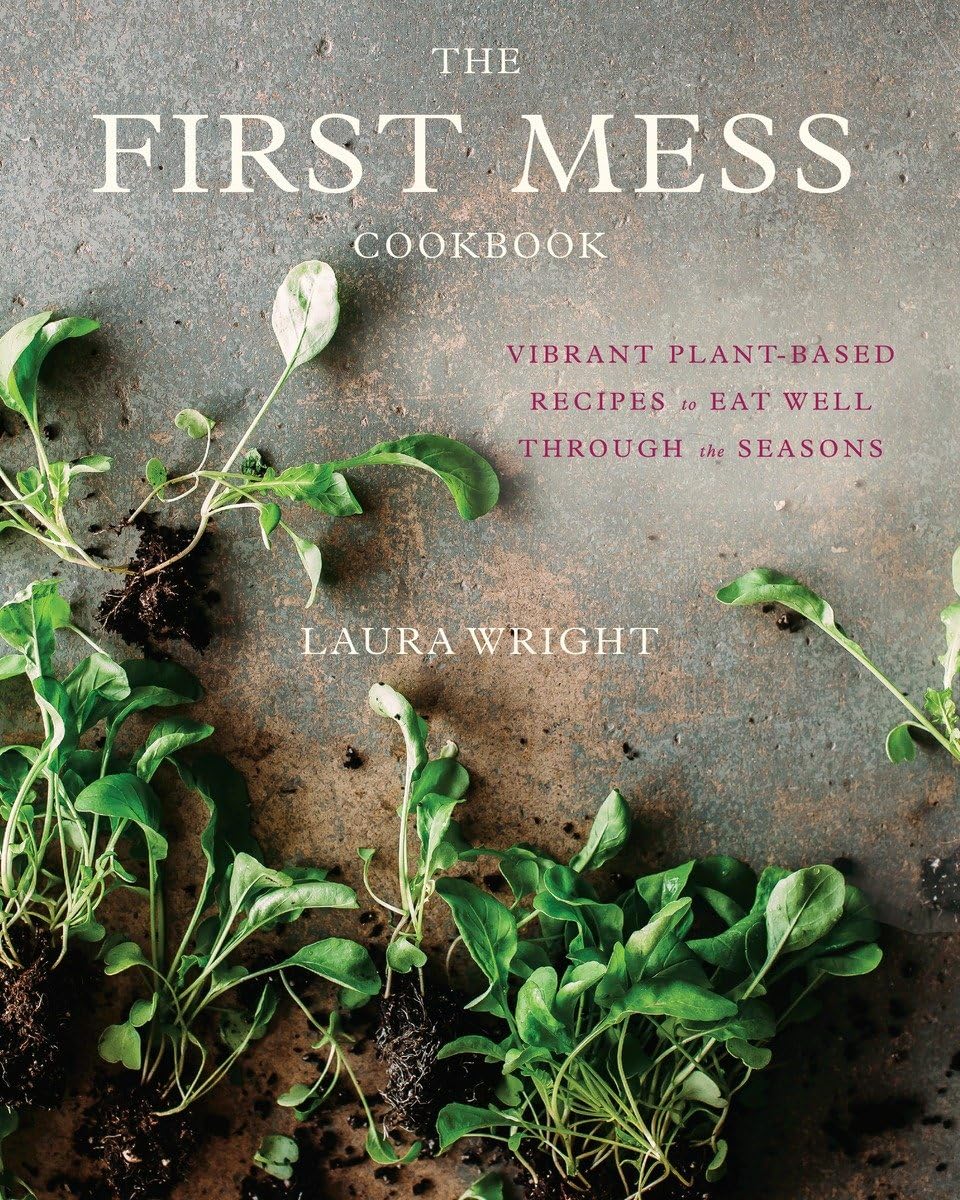
The First Mess is a highly-reviewed cookbook packed with wholesome recipes to eat through the seasons. What makes this book different is that it uses real locally-sourced organic ingredients to create recipes, using seasonal finds from your weekly veg box.
Before cooking, read up on food safety for people and pets (many ingredients are unsafe near animal friends). Bin allium scraps (onion, garlic, leeks, shallots, chives) as acids may harm compost creatures (same with tomato/citrus/rhubarb scraps).
If growing food, read our posts on pet-friendly gardens and wildlife-friendly gardens. Avoid facing indoor plants to outdoor gardens, to help stop birds flying into windows.
What Foods to Eat (and when?)
- Spring – asparagus, spinach, peas, radishes, rocket, kale
- Summer – tomatoes, sweetcorn, strawberries, courgettes, peppers
- Autumn – carrots, apples, pumpkins, parsnips, squash
- Winter – collards, squash, kale
Arguably, the best recipe books are those that use local natural and seasonal produce. Not only better for the planet with less food miles and less packaging, but the ingredients are easy to find, and more affordable.
The author is a Canadian who grew up in a family that ran organic box schemes. She trained as a chef, and also writes and photographs well. So all combined, you end up with a smashing book.
Recipes include:
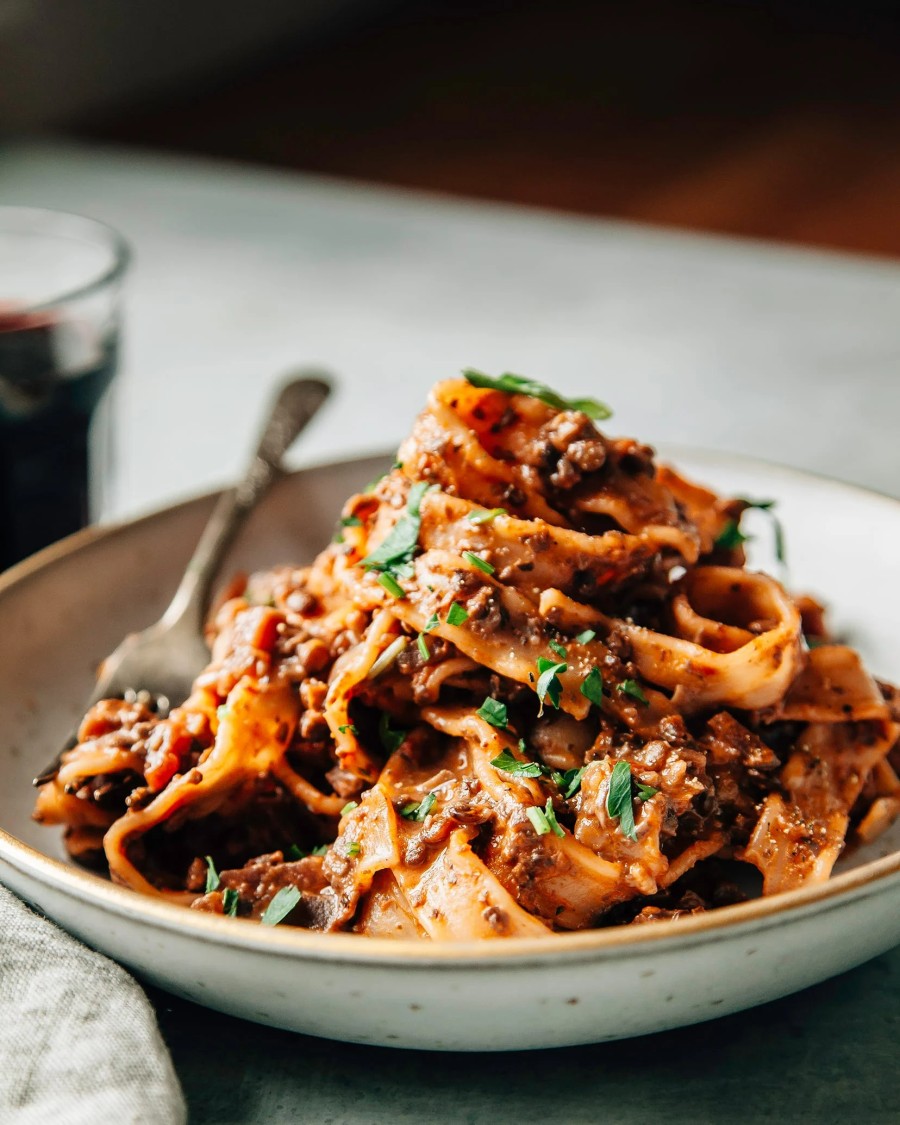
- Beet & Mushroom Bolognese
- Fluffy Whole Grain Pancakes
- Hot Pink Beet Smoothie
- Broccoli Caesar with Smoky Tempeh Bits
- Vegetable Bean Pot Pies with Potato Crust
- Weeknight Root Vegetable Dal
- Burrito-stuffed Sweet Potatoes
- Romanesco Salad with Meyer Lemon Dressing
- Chilli Tofu Lime Bowls
- Roasted Aubergine & Olive Bolognese
- Earl Grey & Vanilla Bean Tiramisu
About the Author
Laura Wright has been cooking and testing plant-based seasonal recipes for years. Her cooking blog is one of the most popular in the world, packed with recipes that use real affordable ingredients, and turn out well each time. Many of her readers are not vegan, she prefers to simply focus on good food to inspire, rather than be a ‘celebrity chef’.
Learning to cook your own food is empowering, as you no longer have to rely on expensive plastic-wrapped ready-meals and takeaways. Master your favourite cuisines at home. Then every night is restaurant night!
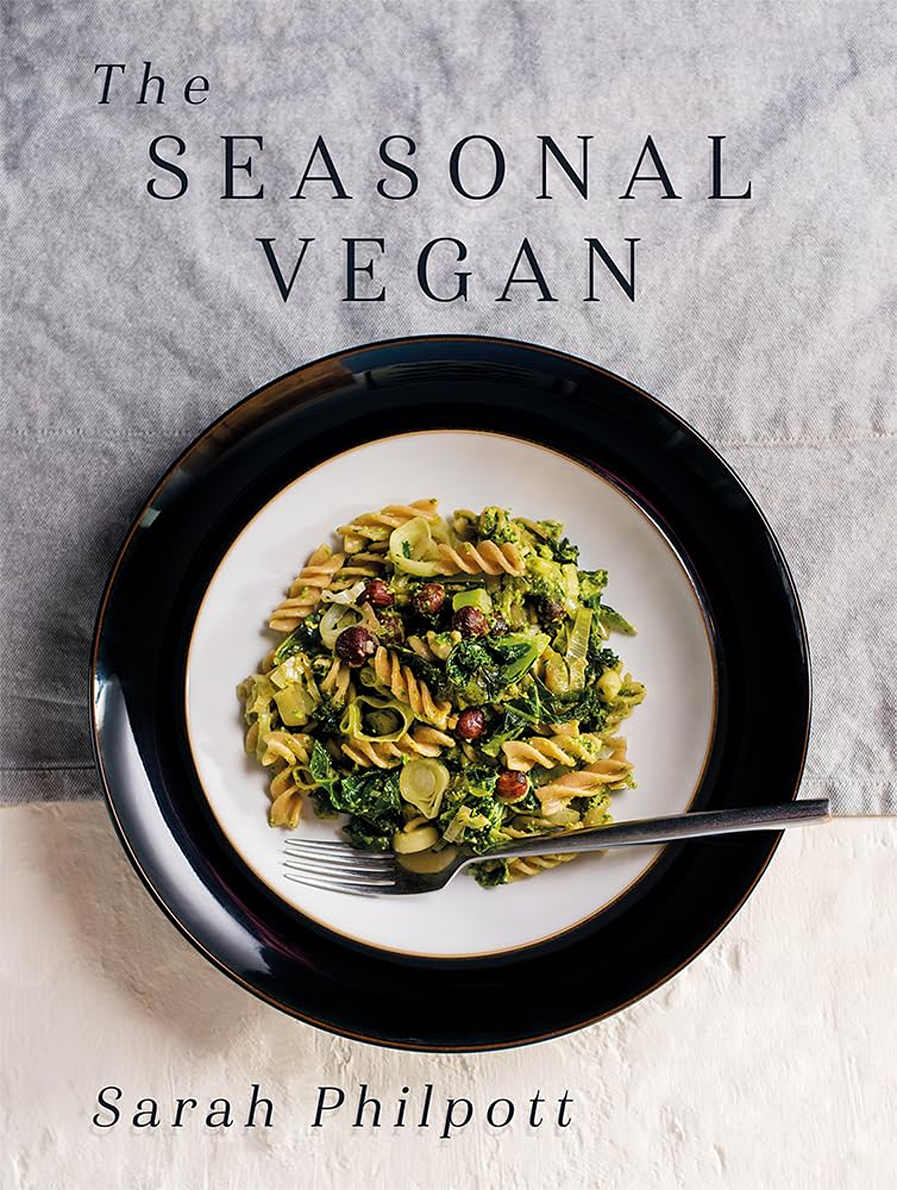
The Seasonal Vegan is a book of simple affordable recipes that make use of local seasonal produce. Each recipe is geared to seasonal crops, with year-round menus. Illustrated with beautiful colour images, these recipes let you enjoy wholesome affordable meals.
Before cooking, read up on food safety for people and pets (many ingredients are unsafe near animal friends). Bin allium scraps (onion, garlic, leeks, shallots, chives) as acids may harm compost creatures (same with tomato/citrus/rhubarb scraps).
If growing food, read our posts on pet-friendly gardens and wildlife-friendly gardens. Avoid facing indoor plants to outdoor gardens, to help stop birds flying into windows.
What Foods to Eat (and when?)
- Spring – asparagus, spinach, peas, radishes, rocket, kale
- Summer – tomatoes, sweetcorn, strawberries, courgettes, peppers
- Autumn – carrots, apples, pumpkins, parsnips, squash
- Winter – collards, squash, kale
Arguably, the best recipe books are those that use local natural and seasonal produce. Not only better for the planet with less food miles and less packaging, but the ingredients are easy to find, and more affordable.
Each of the 70 recipes in this book (by a Welsh-speaking veggie cook and writer) focuses on fresh local product). The 70 recipes include:
- Pancakes with Blueberry Compote
- Potato Salad with Watercress Pesto
- Summer Berry & Coconut Milk Ice Lollies
Grow, Store and Cook Vegan Food
If you like growing and eating your own food, read The Vegan Cook & Gardener. This book is co-written by a father and daughter (he’s a gardener, she’s a chef).
This is affordable feel-good food, if you don’t want anything too fancy. Find recipes for soups, mains and cakes (carrot or strawberry chocolate).
At once scholarly and entertaining, the book is gloriously illustrated, and the recipes are easy-peasy to follow. Joanna Lumley
Piers Warren and Ella Bee Glendining are experienced vegan cooks. He is a conservationist, permaculture expert and wildlife filmmaker who wrote How to Store Your Garden Produce.
Ella Bee is a passionate advocate for animal welfare, who recently received huge accolades for directing the film Is There Anybody Out There?‘, where she tries to find others with the same rare disability as her.
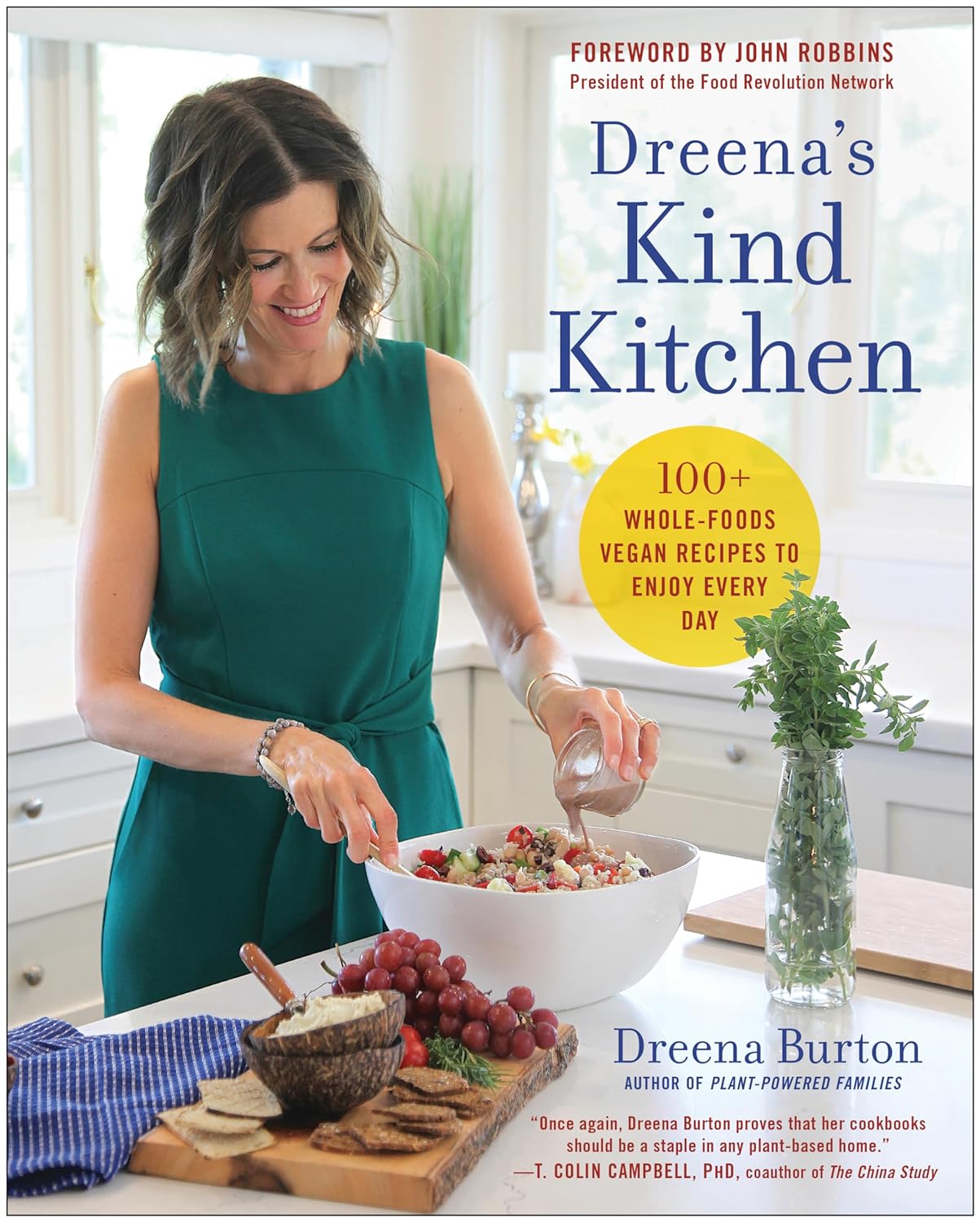
Learning to cook your own food is empowering, as you no longer have to rely on expensive plastic-wrapped ready-meals and takeaways. Master your favourite cuisines at home, using wholesome easy-to-find ingredients you can find in any grocery store.
Dreena’s Kind Kitchen is a nice book by one of our favourite cookbook authors, who always uses fresh wholefood ingredients and uses a little oil and maple syrup (she’s Canadian!) with recipes that will appeal to most tastebuds. This book offers 100 easy-to-make and delicious recipes.
This is a book you will use, whether you want a quick weeknight supper or a dish for a special occasion. From breakfasts to small bites to dinner and dessert, enjoy recipes for:
- Light Fluffy Breakfast Pancakes
- Lemon Poppyseed Muffins
- Potato Cauliflower Scramble
- Seasoned Potato Squashers
- A-Game Chilli
- White Bean Corn Chowder
- Beyond Beet Burgers
- Fiesta Taco Filling
- Smoky Caesar Salad
- Lentil Sweet Potato Meatloaf
- Holiday Dinner Torte
There’s also a troubleshooting section to boost your kitchen skills, with tips on techniques, time-saving skills and suggestions for re-purposing leftovers into delicious new dishes.
About the Author
Dreena Burton is a self-taught cook and one of North America’s most popular vegan cookbook authors, whose recipes are also recommended by health professionals, due to always using real wholefoods over fake anything.
A mother of three children (who she and her husband have raised vegan), she is author of several best-selling recipe books.
Goodness, what to eat? It’s all so complicated, isn’t it? In fact, it’s not. Whereas people often say that nutrition advice from newspapers and the media often differs, that’s because they are following press releases that in their interest must confuse you, or else you would grow your own brain!
This mushroom and beetroot bolognese (The First Mess) combines veggies and healthy carbs (if you choose wholewheat pasta) – add a cup of cooked lentils for a complete meal.
In fact, all nutrition experts worth their salt say the same thing. Live on plants, or at least mostly. It’s politics and tradition and economics which drives different advice. American food campaigner Michael Pollan (and he’s not vegetarian) says you can some up good eating in six words:
Eat food. Mostly plants. Eat less.
More on him below.
Food Safety Tips for People and Pets
Most people are fine with eating most foods, but some people on medication should avoid certain foods (like grapefruit or too many leafy greens, check paper inserts). Avoid unpasteurised juice for pregnancy/nursing, children and weak immunity.
Many foods are unsafe near pets, to keep away from nosey furry friends. Read more on food safety for people and pets. If growing your own food, read up on pet-friendly gardens (and avoid facing indoor plants to outdoor gardens, to help stop birds flying into windows).
Due to acids, it’s best to avoid composting tomato/citrus/rhubarb scraps (same with alliums – onion, garlic, leeks, shallots and chives). And coffee/tea grounds, due to acids.
If using tinned ingredients, fully remove lids before recycling (or pop ring-pulls back over holes, to prevent curious wildlife getting trapped inside).
Michael Pollan’s 64 Food Rules
Food Rules is a great little book (it costs a fiver) that is ideal to take with you to the grocery store, or just read and enjoy, to learn what to eat. In a nutshell, Michael has condensed all the wisdom of good nutrition, into a book of rules that you can use, to empower your eating and health.
Whatever your diet, this book has your back. If you follow these rules, combined with some exercise (and an optional sustainable vegan supplement to cover any bases), you should enjoy pretty good health.
Good nutrition is not just about avoiding sweets at the checkout. Michael gives you the knowledge you need that you likely already knew – supermarkets don’t really care about your health, they care about profit. He gives a few indicators that you can try looking for yourself:
When we watch TV, our brains go into ‘alpha mode’ (a bit like meditation). Surveys have asked people in supermarkets why they have certain brands in their trolleys, and many have no idea! They have been under hypnosis the night before!
Think about which foods the big supermarkets advertised last time you saw an ad. Were they advertising special offers on organic broccoli? Not likely.
Bit supermarkets have no clocks or supermarkets, so you lose track of time. They are also designed to make you stressed, so you buy more to eat more. Think of Co-op supermarkets, that blast loud music (which could cause pain for older customers with hearing loss). Same reason why McDonald’s is bright red and yellow.
And here’s the biggie. If a big supermarket cared about your health, it would have aisles and aisles of fresh produce, chilled cabinets of healthy fridge goods, and a few processed items. But every one follows the same design:
A couple of aisles of fruits and veggies (mostly not organic). Then perhaps a ‘free-from aisle’ and a small fridge and some part-baked bread in what the Real Bread Campaign calls ‘tanning salons for bread!’
The rest is all processed food and alcohol. Aisles and aisles of beer, wine and cider – then more aisles of processed foods – plastic-wrapped breads and rolls, processed cereals, canned foods and aisles of sweets, chocolate and non-food items.
And as Michael so correctly points out; the special offers are always on the high-profit processed foods at eye-level (Frosties in your face with offers, lowly porridge oats with no offers on the bottom shelf).
And daily staples (like bread and milk) are never near the door. They are always at the far end of the supermarket, to ensure that you pass lots of other foods you don’t want or need, before you get to the checkout. Take a look next time – he’s right.
A Few of Michael’s 64 Food Rules
Most people can’t afford to shop in swanky farm shops, and many people have no access to good indie health shops (most sell supplements over food these days). So in most cases, you’ll be shopping in the big supermarkets. If so, you can still eat healthy, just follow Michael’s rules!
This en-masse would have a knock-on effect. Could you imagine if we all did this? Supermarkets would have to change their ways, and offer customers what they want: good, natural and healthy foods, and more plant-based options than now.
- Avoid food products that contain high fructose corn syrup.
- Don’t eat breakfast cereals, that change the colour of the milk!
- If it comes from a plant, eat it. If it was made in a plant, don’t!
- Don’t get your fuel, from the same place that your car does.
- Avoid food products claiming to be ‘low-fat’ or ‘non-fat’.
- Pay more, eat less.
- Serve a proper portion (and don’t go back for seconds).
- Don’t eat foods with ingredients your grandmother wouldn’t know.
How to Get Your Five (or ten) A Day
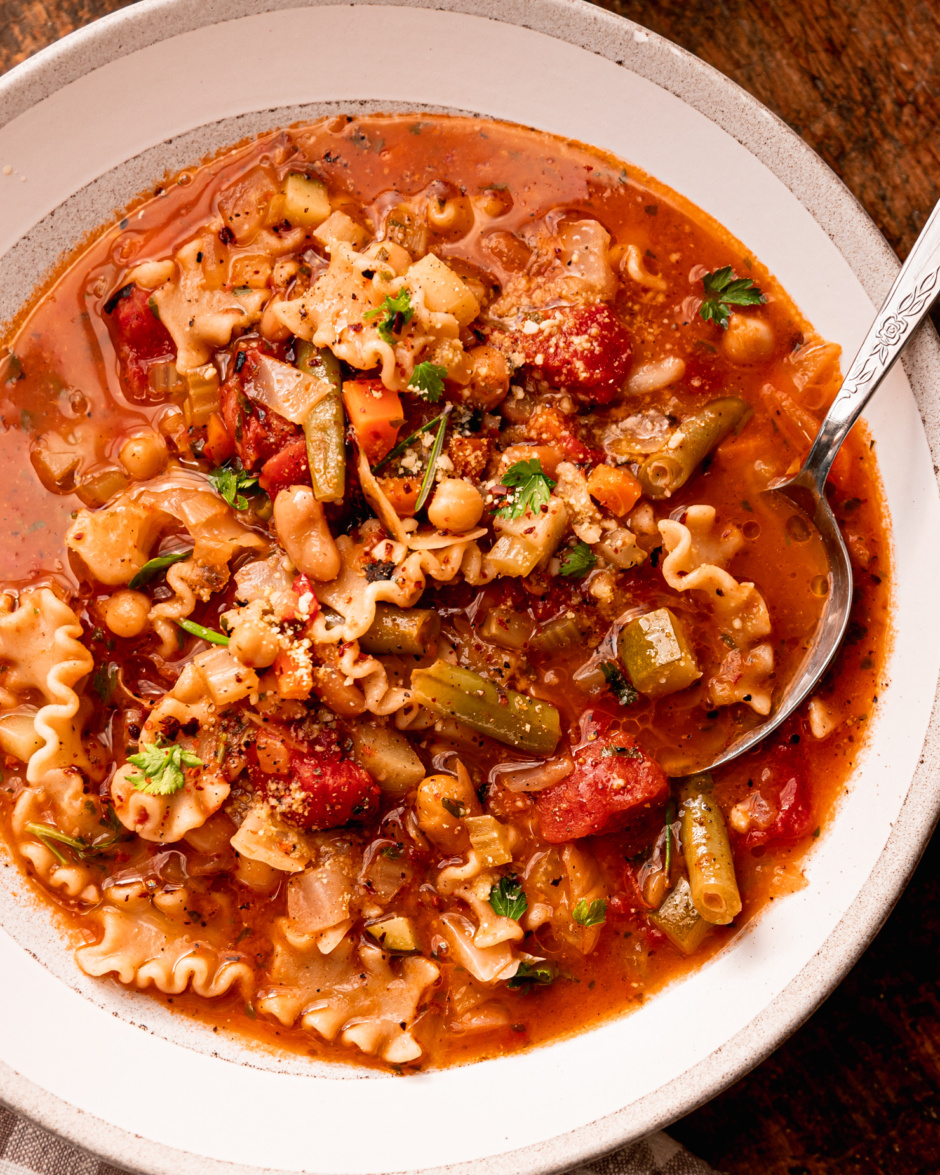
This one-pot minestrone soup (The First Mess) ticks all the nutrition boxes!
Nutrition experts all agree that we should really be eating around 9 or 10 portions of fruit or veg a day, not just five. But five is a good start. Fresh whole produce is good, but it’s perfectly fine to include them in simple recipes, to make up the numbers.
In fact, people in England eat more fresh produce than most other countries, although ‘food desert areas’ (you know the kind, NISA shops selling frozen chips and pizza in low-income areas) means many people don’t get the opportunity.
Avoid choking hazards for children and people with swallowing difficulties (cherries, cherry tomatoes, carrot sticks etc).
If you don’t like munching on organic apples or making salad, there are other ways. You can also eat tinned fruits and vegetables (packed with water or juice) though dried fruit is not god in excess due to sugar, just use for snacks or recipes.
Tinned fruits and veggies (packed in water or juice) are okay, although dried fruit should not be used in excess, due to high sugar. Fruit juice is fine (avoid unpasteurised for pregnancy/nursing, children and weak immunity) although smoothies are better, as they contain fibre.
NHS also says one of your five-a-day can even be beans or pulses (so baked beans on toast counts as a portion, as does adding lentils to your spaghetti with tomato sauce).
Not included are ready-meals with vegetables (not enough in them). It’s far easier to just make your own simple recipes (adding fresh tomatoes to pasta gives more veggie nutrition than a jar of watery tomato sauce).
The same goes for fruits. Buying a ready-made fruit dessert from the supermarket won’t count. But making fresh fruit desserts will.
White and sweet potatoes are nutritious, but as starches, they don’t count as one of your five-a-day (instead use them alongside veggies to make you full up!) A pile of spuds alongside a homemade vegan lasagne, is a great way of combining the benefits of both.
Root vegetables (carrot, parsnip, swede) are also filling, and do count as part of your five-a-day. A good excuse to include them with your Sunday veggie roast!
How Much is 80g in Portion Size?

These vegan peaches and cream muffins (The First Mess) contain real juicy fresh peaches! If topping with the nutmeg-scented sugar, keep well away from pets (this spice is highly toxic to pets).
One serving is around 80g. This should fit in the palm of your hand. As a rough guide, we’re talking:
- 1 apple, pear or peach (or 2 plums, apricots, cherries, strawberries)
- Half a larger fruit (grapefruit, pineapple, melon (store cantaloupe melon away from other foods, due to slight risk of salmonella).
- 2 tinned pear or peach halves, 6 apricot halves, 8 segments of grapefruit
- A few heaped tablespoons of fresh greens, carrots, peas, cauliflower (spinach cooks down a lot, so use more)
- A few celery sticks, cherry tomatoes or 1 celery stick)
NHS Healthy Start Scheme
Families on low incomes qualify for NHS Healthy Start Vouchers, which let you buy fruits and vegetables. The scheme also offers dairy milk (pooh-poohed by nutritionists, as many children especially ethic minorities are lactose-intolerant). So don’t get help for calcium-rich alternatives).
The vouchers can be used to buy fresh, tinned and frozen fruits, vegetables and pulses. The Vegan Society has also criticised the scheme for being discriminatory, for only offering a supplement made with vitamin D from animal fat.

Weight loss should be slow and safe, not done through crash diets. The ‘weight loss industry’ is full of diet pills, magazines with ‘meal plans’ and gadgets sold on teleshopping channels. Far simpler is to learn about good nutrition and natural exercise, and empower yourself!
To lose weight, you simply need to:
- Eat a sensible balanced diet (three meals a day in proper portions, and include plenty of plant-based protein, to help fill you up with less carbs. Try some simple healthy recipes.
- Take regular exercise (this can be simple as walking 30 minutes to 1 hour daily, or with add-on strength-training which can be done using bodyweight – use Lucy Wyndham-Read’s online free videos).
- Give up or drastically reduce alcohol intake. Boozy piles on the pounds, especially beer and wine.
If you do the combined above, you’ll naturally drop the weight at a sensible and safe pace, hopefully not to return again. There’s nothing wrong with a being a little ‘curvy’, it’s actually the hidden visceral belly fat that’s dangerous, and linked to heart disease and other serious health issues.
People at risk are women with waists over 35 inches or men with waists over 40 inches. Divide your waist measurement by your height (if your waist is more than half your height, it’s time to lose the visceral fat, which is not the same as ‘pear-shaped women’ with wider hips.
Drink Plenty of Water
Drink plenty of filtered tap water (this helps to avoid eating when you’re not really hungry, and also keeps a healthy metabolism). There’s no ‘set rule’ on how much to drink, but for most adults, look at filling a 750ml reusable water bottle twice each day.
Sensible Portion Sizes (and less snacks)
Don’t ‘do diets’. Make proper meals that fill your plate, piled high with veggies. If you eat proper food that you enjoy, you’ll likely enjoy it more and eat slower (it takes longer to eat a veggie Sunday roast with all the trimmings, than to wolf down a McDonald’s cheeseburger).
French women (who we know always stay slim) would never dream of eating a coffee-shop style huge muffin. Make your own foods, and avoid ‘super-size portions’.
This includes big smoothies and coffees with syrups and cream. All of these add ‘hidden extra calories’ that can pile weight on.
On the continent, petrol stations don’t sell bags of crisps or chocolate bars. They sell petrol. French and Italian people eat fresh fruit for dessert, and save pastries and cakes for a weekend treat from the patisserie. It’s a different culture, but a far healthier one. That still allows for enjoying sweet treats.
Get Enough Quality Sleep
We’ve all been there, when a night of insomnia results in raiding the fridge all day, in order to keep eating to stay awake. Proper quality sleep can help you deal with ‘hunger hormones’, aim for seven to nine hours a night.
One thing that packs on calories is alcohol, and booze can also make you wake up in the early hours, so giving it up (or cutting down) can drastically help weight problems, as a double-whammy solution
Be Kind and Compassionate to Yourself!
Forget those who ‘fat-shame’. There’s a healthy notion today to love yourself, no matter what your size. But if your being overweight is causing you health problems, then lose weight, but do it for yourself, nobody else (apart from those who don’t want to lose you).
Celebrate small wins, and use the money previously spent on fast food or chocolate bars on little treats: perhaps a facial at the beautician, or pack the money saved away for nice organic clothes or even a little holiday. Self-care is not the same as obsessive self-love. If you feel good, you can help others.
A Sustainable Supplement to Boost Metabolism

If you feel that you could use a little help, Feel Pro Metabolic is formulated by expert nutritionists. It’s vegan, not tested on animals and sold in plastic-free packaging. Use code partner20 for 20% discount (not bundles/subscriptions).
Just empty one of the 30 sachets into a glass of water, and drink (it has a mixed berry taste). Sweetened with stevia and isomalt (sugar beet), it does contain (non-GM Soy) and kombucha (black tea, so avoid for pregnancy/nursing due to caffeine).
Always ask your GP before taking supplements, if on medication or for medical conditions.
This supplement contains a powerful hormone that releases cells from your gut, to help you feel full by slowing the rate that food empties into your stomach. So if you have a soup and sandwich, you may feel like you’ve eaten a big bowl of pasta
It also contains vitamin B6 for immunity, and can help with issues like bloating and constipation. Good digestion also goes hand-in-hand with better energy and mental health.
You should start to feel reduced food cravings in the first week, though Feel suggests giving the supplement three to six months, to feel the full benefits. By this time, you should have started to lose weight through regulated appetite, then no longer need the supplement.
Unlike slimming pills, this supplement is simply designed as a powerful helper, to get you into good eating habits. If you have an unhelpful relationship with the cake trolley!
This product is amazing. The flavour is light and refreshing. After a couple of weeks, I’ve noticed that my hunger levels are more balanced.
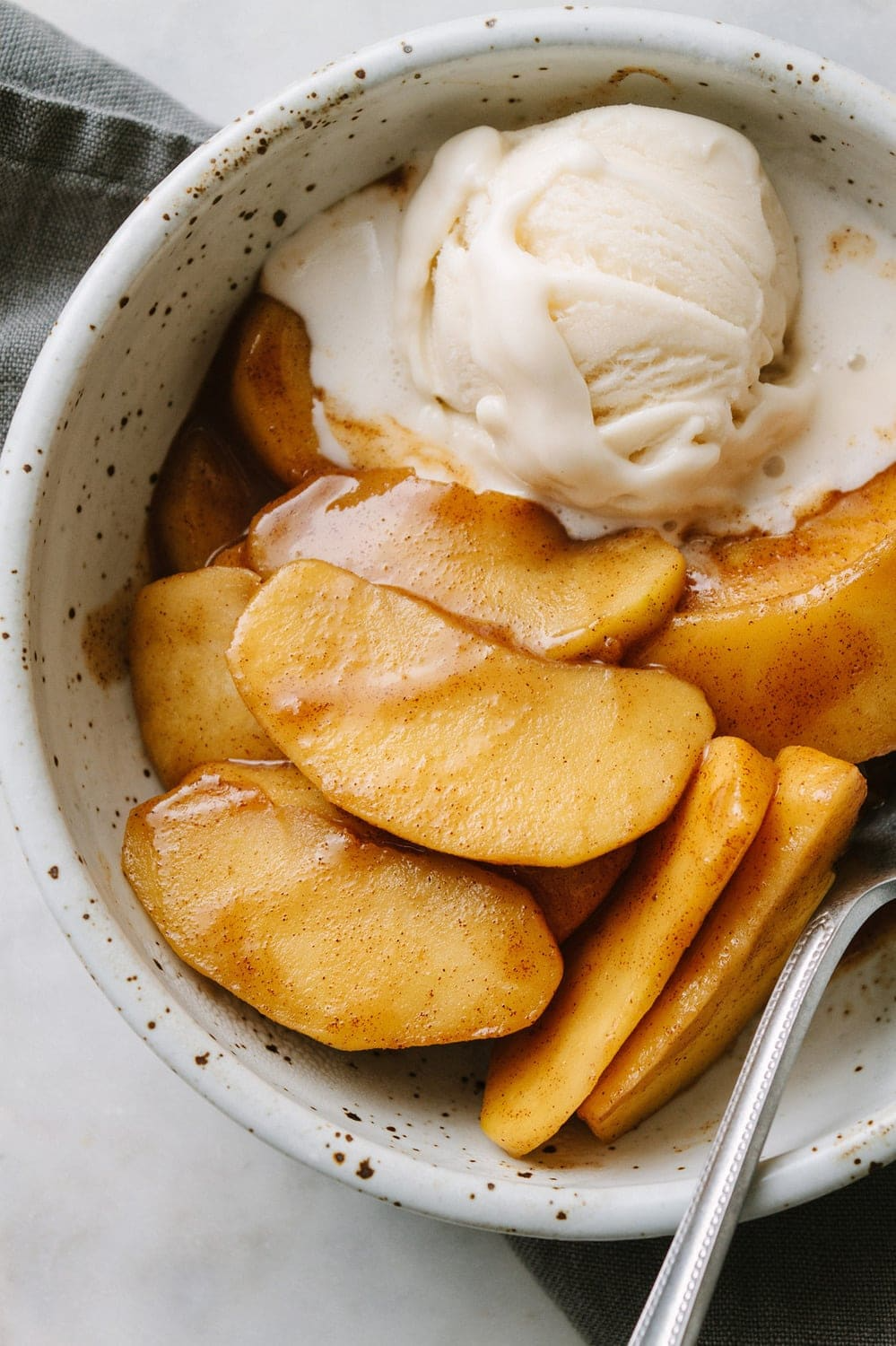
This recipe for baked cinnamon apples (The Simple Veganista) makes a nice warming treat when served with vegan custard or ice-cream. Once learned, it’s sure to become a staple pudding.
Keep fruit pips/seeds and nutmeg away from pets. Read more on food safety for people and pets.
Never feed apples to wild horses (too many cause colic). If given permission for a treat, cut the apple up, feed from a flat palm to prevent choking (and discard the core).
Apple Loaf Quick Bread
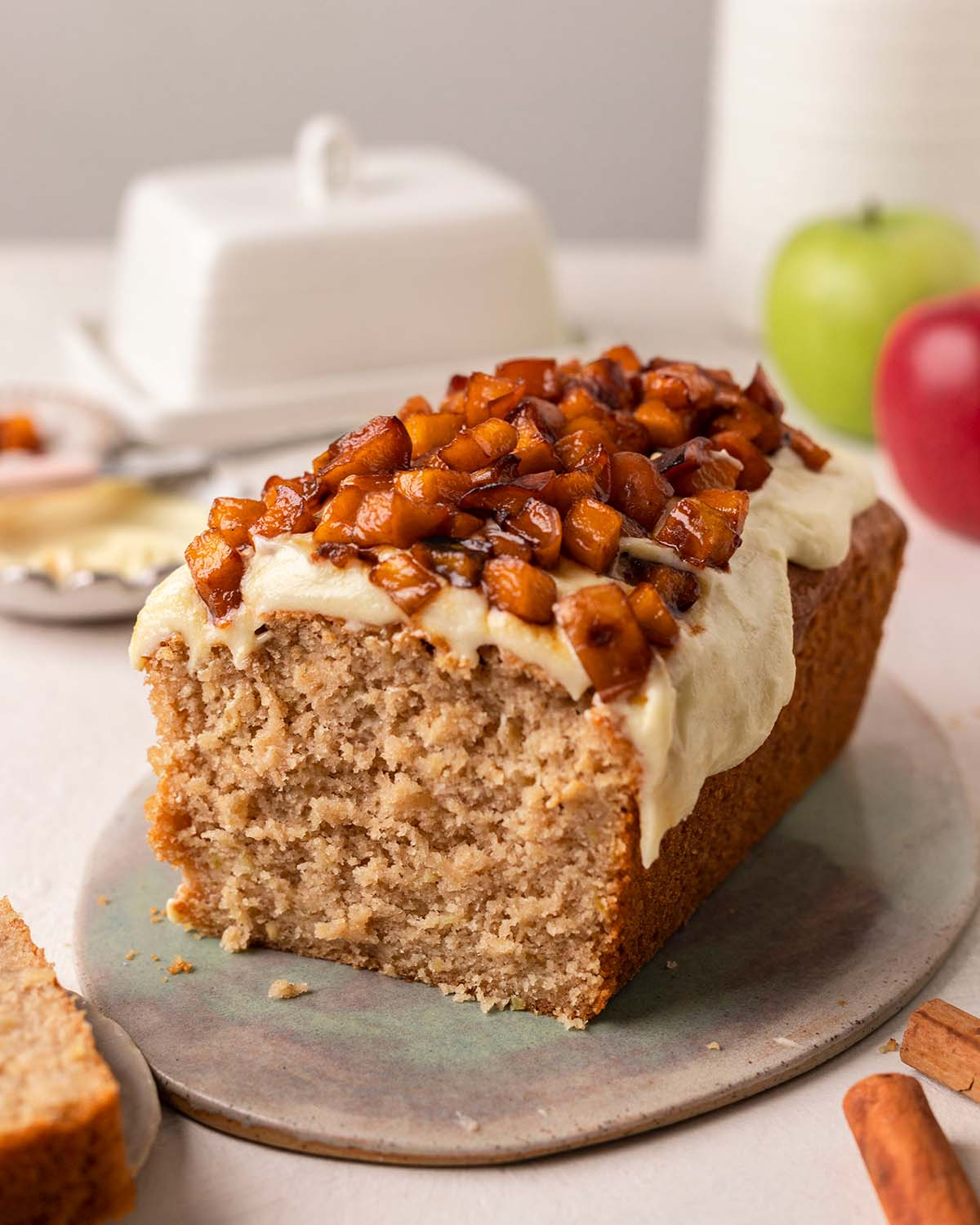
Quick breads are simpler to make than real bread, as they don’t use yeast. They aren’t really breads, they are more cakes. Try this Apple loaf (Rainbow Nourishments).
They don’t need kneading, you just mix the ingredients gently to keep gas bubbles intact, and then whip up delicious recipes. Some popular quick breads you are likely already familiar with are banana bread and gingerbread. All make healthy breakfast treats.
Super-Easy Vegan Apple Pie Recipe
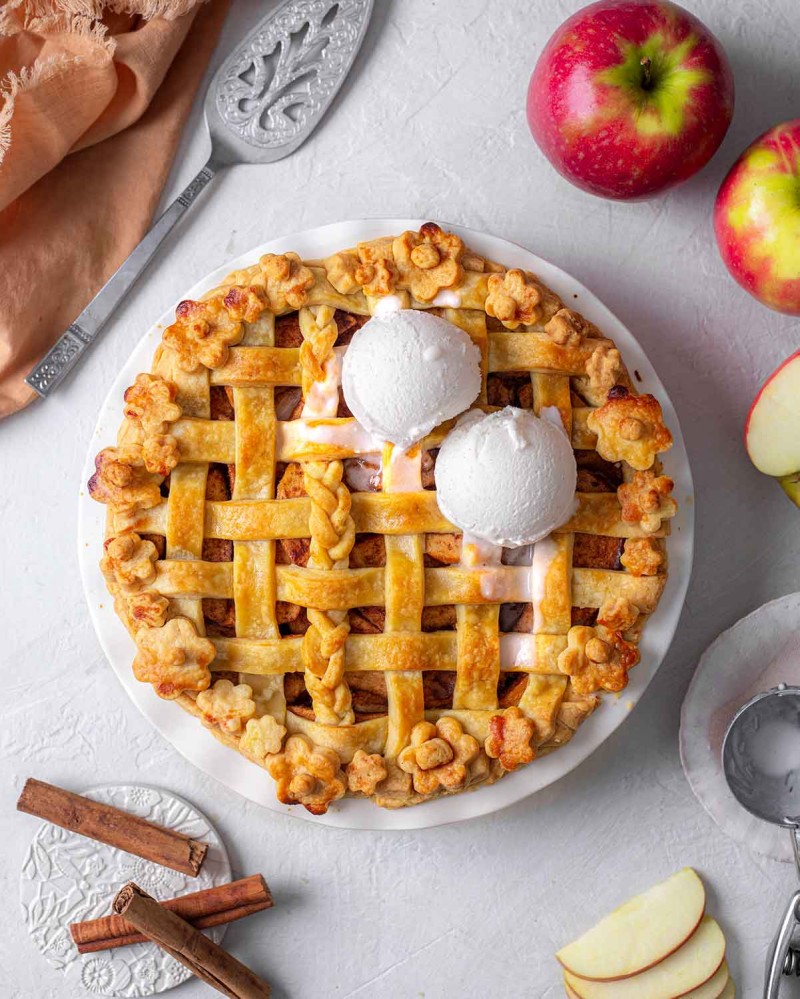
This super-easy vegan apple pie (Rainbow Nourishments) only needs a few ingredients. You’ll need vegan block butter (Flora has no palm oil) to make the homemade shortcrust pastry, then all you need are some organic apples, lemon juice and a few spices. Serve with vegan custard or ice-cream.
Support Your Local Apple Growers
Around 70% of apples sold in England are imported, yet our heritage apples are in danger of going extinct.
Most supermarket apples are also sprayed with shellac (dead insects) to make them look waxy. Instead, look for organic apples in farm shops or community orchards (free!)
- To make the most of your apples, invest in a good peeler (also for potatoes, to save food waste and makes everything easier).
- Keep apples in the fridge (in a paper bag in the crisper section is good), and cut out brown spots as soon as you see them.
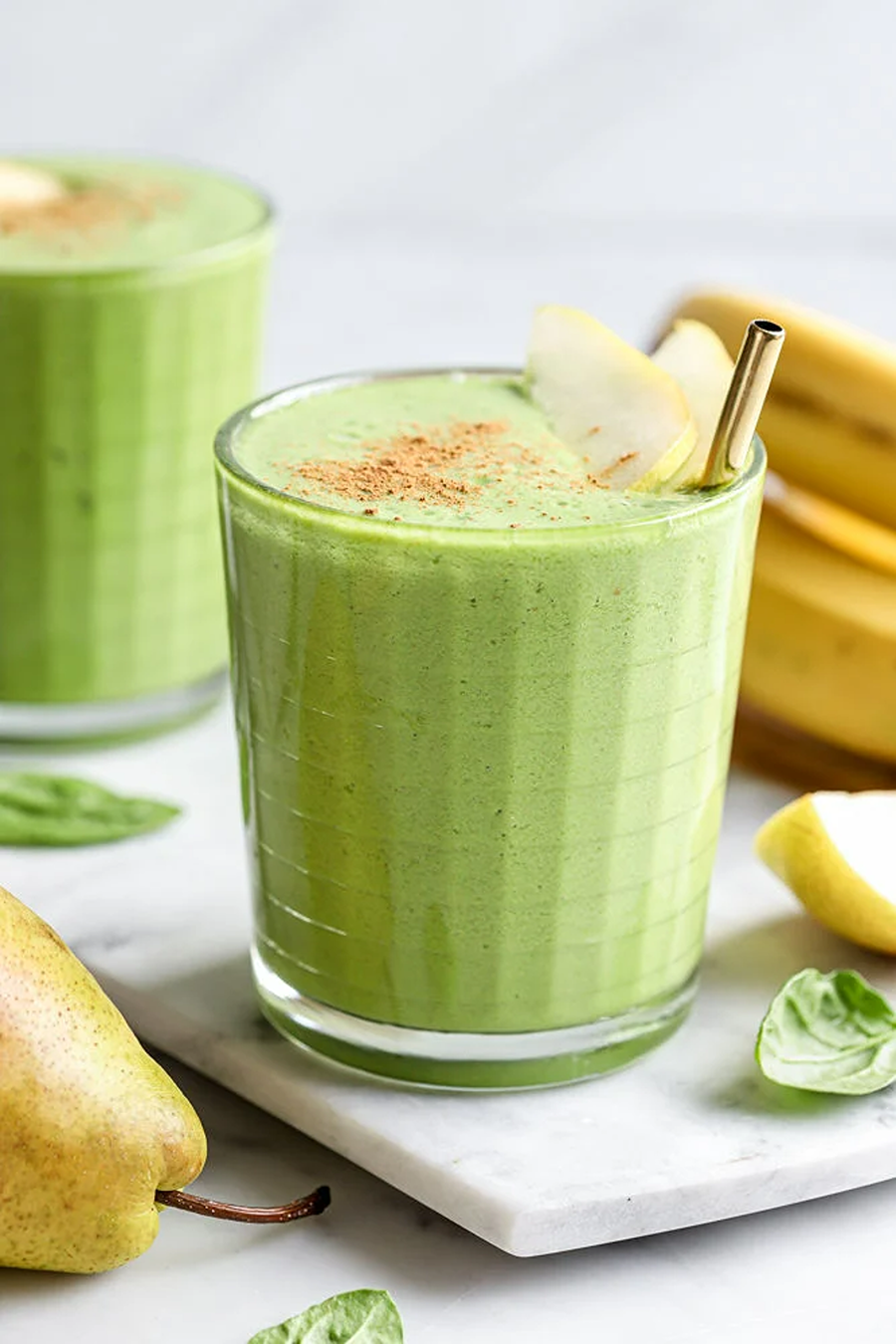
This 5-minute spinach pear smoothie (The Natural Nurturer) is a simple blend of banana, cinnamon and vegan Greek yoghurt with ripe pears and spinach.
Spinach is high in vitamin K, potassium and oxalic acid, so check medication and avoid for kidney stones/disease. Avoid basil for bleeding disorders or low blood pressure (it can slow blood clotting).
Pears are one of the most popular fruits in England, as long as you can find juicy ripe pears, and not rock-hard ones flown in from across the world.
Packed with calcium, there are over 3000 varieties worldwide, but we are in danger of losing many varieties as our orchards are endangered. Pears are nutritious, but very low in calories.
Try to buy pears from farm shops, as most pears in supermarkets are frozen and chilled then sent from abroad, so are nothing like ripe juicy pears in season. They will be cheaper, and taste better!
Pears are in season from September to January, try to buy under-ripe as they bruise easily and continue to ripen at home.
Conference pears are the most common and is good raw or cooked, as are comic pears. Store pears in a cool place. You can eat them raw or poach them in hot water (15 to 20 minutes) or even fry them.
Seek Out Juicy Organic Local Pears
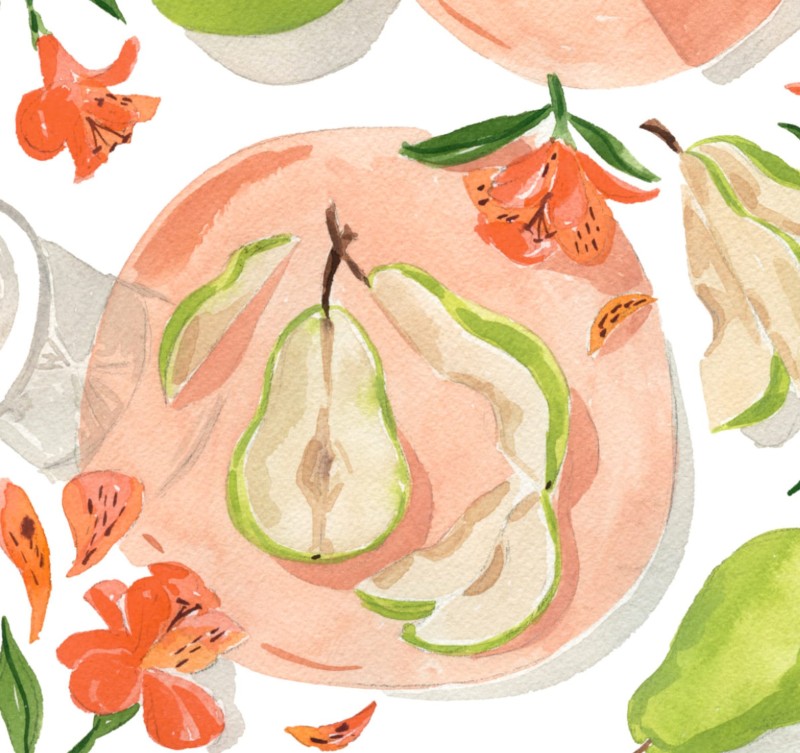
Have you ever tried a proper juicy organic pear? Most supermarkets only sell rock-hard pears from abroad, which are shipped (or more likely air-freighted) to England frozen. Then then sit in central distribution houses (all the chilling and travelling uses a colossal amount of oil).
Real pears are organically grown and super-juicy, you’ll need a napkin! They are packed with nutrition (and surprisingly for a fruit, they are rich in calcium).
Most people can eat pears, though obviously avoid for young children and choking hazards. Also keep away from pets, as fruit pips and seed are unsafe near animal friends.
England has a quite few types of pears, and you’ll find good ones at local organic box schemes, farm shops or farmers’ markets (they will also not be packed in plastic packaging). Good ones include:
- Conference (sweet and juicy!)
- Comice (even sweeter, a great dessert pear)
- Concorde (widely grown)
- Williams (Bartlett (proper English!)
You can also (just like cooking apples) buy cooking pears. So keep an eye out! Cooked pears is a lovely teatime warming treat in cold weather.
Of course, two other ways to support our local pear growers are to buy organic pear juice (again often found in farm shops). Or failing that, head thee to your local pub, and order some organic vegan cider (fermented pears, not just apples!)
Homemade Roast Pears in ginger syrup
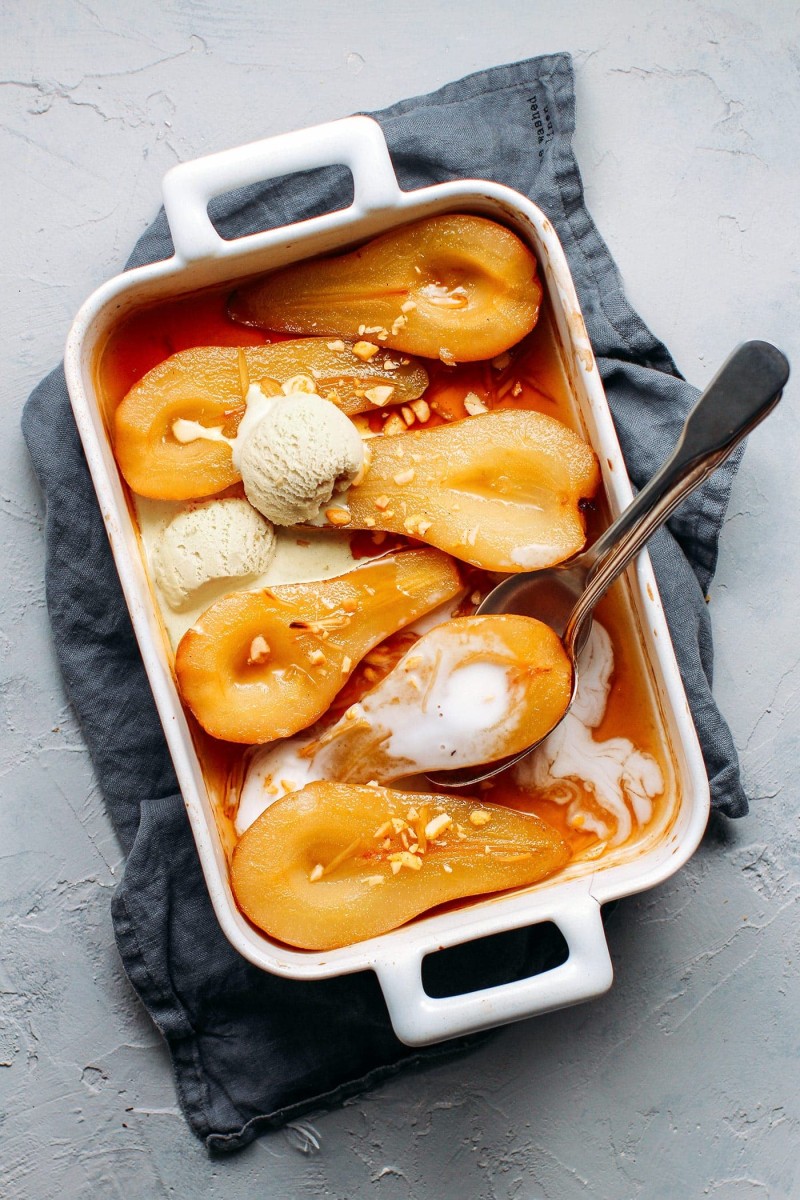
These roasted pears in ginger syrup (Full of Plants) are a nice warming dessert. So simple to make, and ideal if you have some ‘rock-hard’ pears that need cooking, to soften them up.
Before cooking, read up on food safety for people and pets.
This recipe cooks up fresh pears with ginger, and the dish is naturally sweetened with maple syrup and coconut sugar. Serve the dish with vegan vanilla ice-cream.
Of course, you could also make this dish with other winter veggies like cooked apples. Thomas says you could add a teaspoon of real vanilla extract (don’t use fake vanilla, it’s vile and often made with castoreum from beavers).
You could add in some warming spices, or even (for adults) add some chopped nuts for protein and crunch.
Pear Ginger Cake with Rosemary Caramel Sauce

This pear ginger cake (Chickpea magazine) is made with golden syrup and nutmeg, served with a rosemary caramel sauce. It keeps well so make in advance, and warm up leftovers or serve with afternoon tea.
Ginger Orange Cheesecake with Poached Pears (Rainbow Plant Life) combines ginger cookies and pecan nuts, with a delicious rich and creamy cashew/coconut cream filling.

Creamy Cauliflower Soup (Ela Vegan) roasts the cauliflower (with oil and salt) then combines with beans, good veggie stock, garlic, spices, plant milk and soaked cashews (to replace cream or just add vegan cream if it’s simpler).
Avoid feeding cauliflower to young children and people with swallowing difficulties (choking hazard). Check medication, if vulnerable to kidney stones.
Keep recipes from pets, as cauliflower usually is seasoned with salt and/or cooked with onion or garlic. Read more on food safety for people & pets.
If you like making soup, invest in a stick blender to save on washing up (UK stores must take back old appliance for recycling). Freeze leftovers in silicone Souper Cubes (then just thaw and cook).
Cauliflower is one of England’s favourite vegetables. First cultivated in Cyprus, it’s related to broccoli, the florets are super-tasty in soup or (vegan!) cauliflower cheese. But also as a mild vegetable, it makes a great base for desserts and cakes, don’t you know?
Most people who get ‘gas’ from eating cauliflower, is simply due to not eating enough regular fibre, so your body goes into shock! Try gradually introducing small amounts, and you should be fine.
How to Buy & Store Cauliflower
Mass-grown cauliflower is pushed on with artificial fertiliser for rapid development, but mushy florets. Organic cauliflower is grown slowly and naturally, on mineral-rich soil.
The result is smaller, firmer caulis with exceptionally nutty flavour and crunch. For zero food waste, you can eat the leaves too – they’re tender and sweet. River Cottage (above is a real organic cauliflower, grown by their farmers in Devon).
If you can get thee to a farm shop, so much the better. That’s because nearly all supermarkets sell tiny cauliflowers in massive plastic wrap. You can legally just leave the plastic wrapping on the counter.
Every time I buy cauliflower, I wonder why it needs a plastic hat? Supermarket shopper
If not, then you can place it in supermarket bag bins (however, someone recently put an AirTag in a supermarket bin, and found it went to the incinerator, not the recycling plant).
The supermarket responded that it was due to being difficult to all the different plastics bundled together. However, it’s still best to place them here than litter them (the incinerator does at least turn the plastic waste into energy – hopefully!)
A quick look online found that Tesco cauliflowers were grown in Belgium, ASDA (to be fair) was selling British cauliflowers.
But Sainsburys’ cauliflowers were grown in ‘France, Netherlands, Spain or UK) so take your pick. These have 1-star reviews, including ‘looks like it’s about to die’ and ‘if it were any smaller, they’d be paying me’.
Good cauliflowers should have creamy-white florets, fresh green leaves and white stalks. If you see any yellow leaves, slimy stalks or ‘brown spots’ then leave it on the shelf.
In season in both early spring (and late summer to winter), you can keep cauliflower in the fridge for up to a week (supermarkets unfortunately remove a lot of the leaves for space, when in fact these help to keep the cauliflowers fresher for longer).
Supermarkets Are in Cauli Hot Water
Many supermarkets leave British cauliflowers to go mouldy in fields, in order to buy ‘bigger cauliflowers’ from Spain. Farmers are furious, and quite rightly so.
Recently ‘the weather’ caused customers to complain that some supermarkets were ‘the size of an egg’, and another supermarket rejected 1200 due to being ‘too ugly to sell’. Yet farm shops use better growing practices, so this would never happen.
Manchester food co-operative Unicorn Grocery sells organic affordable cauliflowers. When it’s raining, it ‘imports’ from Penzance in Cornwall (the unique microclimate of being 5 degrees warmer than the rest of the UK is ideal for winter caulis)! Use their cauliflowers to make this simple vegan Alfredo pasta sauce.
Trucking in cauliflowers from Europe means more traffic and pollution. All while supermarkets promote ”food security’, ‘low food miles’ and ‘supporting British farmers’.
How to Prepare & Cook Cauliflower
To prepare fresh cauliflower, trim the leaves and remove the core, then steam the florets (you can also add them to stir-fries or eat them raw in salads). The florets are great in homemade piccalilli (a kind of mustard pickle).
If you have too much cauliflower, you can blanch the remaining (rinsed) florets in boiling water, drain and plunge into iced water, then drain again. Then just transfer to reusable silicone freezer bags (label and seal) and cook straight from frozen.
Cauliflower leaves/florets are safe to compost, but scraps from alliums (onion, garlic, shallots, chives, leeks) and citrus/rhubarb scraps could harm compost creatures, due to acids. So just bin them, to naturally break down.
If you don’t like the ‘sulphur smell’ when cooking cauliflower, just add a few celery seeds (if not allergic) or a few drops of white cooking vinegar. You can even use cauliflower (like rice) as a neutral ‘base’ for puddings and ice-cream cakes, due to its neutral flavour.
You can also eat cooked cauliflower leaves. They are good in soups (to sub bok choi) or you can even roast them. Oddbox has a few simple recipes.
A Tasty Vegan Cauliflower Cheese Recipe

This recipe for vegan cauliflower cheese (The Veg Space) is comfort food in a bowl. A simple homemade white sauce is combined with dairy-free milk and Flora vegan butter (no palm oil) and vegan cheese, topped with breadcrumbs.
Broccoli & Cauliflower Soup Recipe
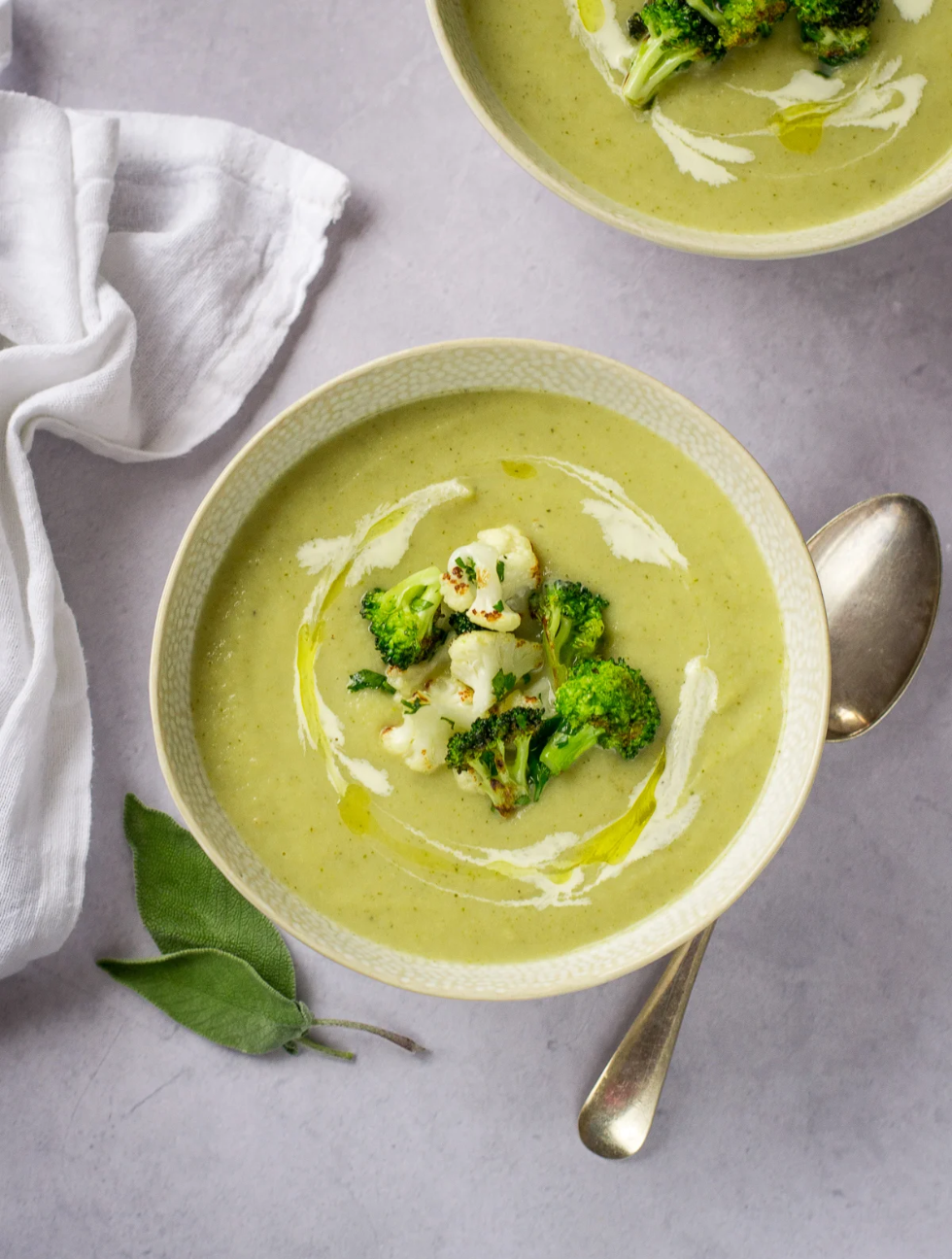
Broccoli & Cauliflower Soup (The Veg Space) pairs these vegetable cousins together, for a simple affordable homemade soup.
Made with vegan cream, this also freezes well, so ideal to pour portions into your SouperCubes, then just pop in the pan to defrost, and serve with good bread.
Cauliflower or macaroni cheese is one of your childhood comfort dishes, likely. Yet surprisingly you will rarely find this in restaurants or even much ready-made versions, let alone vegan ones. So master one or more of these delicious recipes, and you’ll always have an animal-kind feast, served with green veggies!
This vegan cauliflower cheese (The Veg Space) uses just a few simple affordable everyday ingredients, you’ll master this in no time.
Before cooking, read our post on food safety for people and pets (many foods including leeks, onion, garlic and spices are unsafe near animal friends).
It’s best to just bin allium scraps (leeks, onion, garlic, shallots, chives) as like tomato/citrus/rhubarb scraps, acids could harm compost creatures.
For tinned ingredients, pop lids inside cans (or pop ring-pulls back over holes) to avoid wildlife getting trapped).
Vegan Macaroni Cheese (with peas)
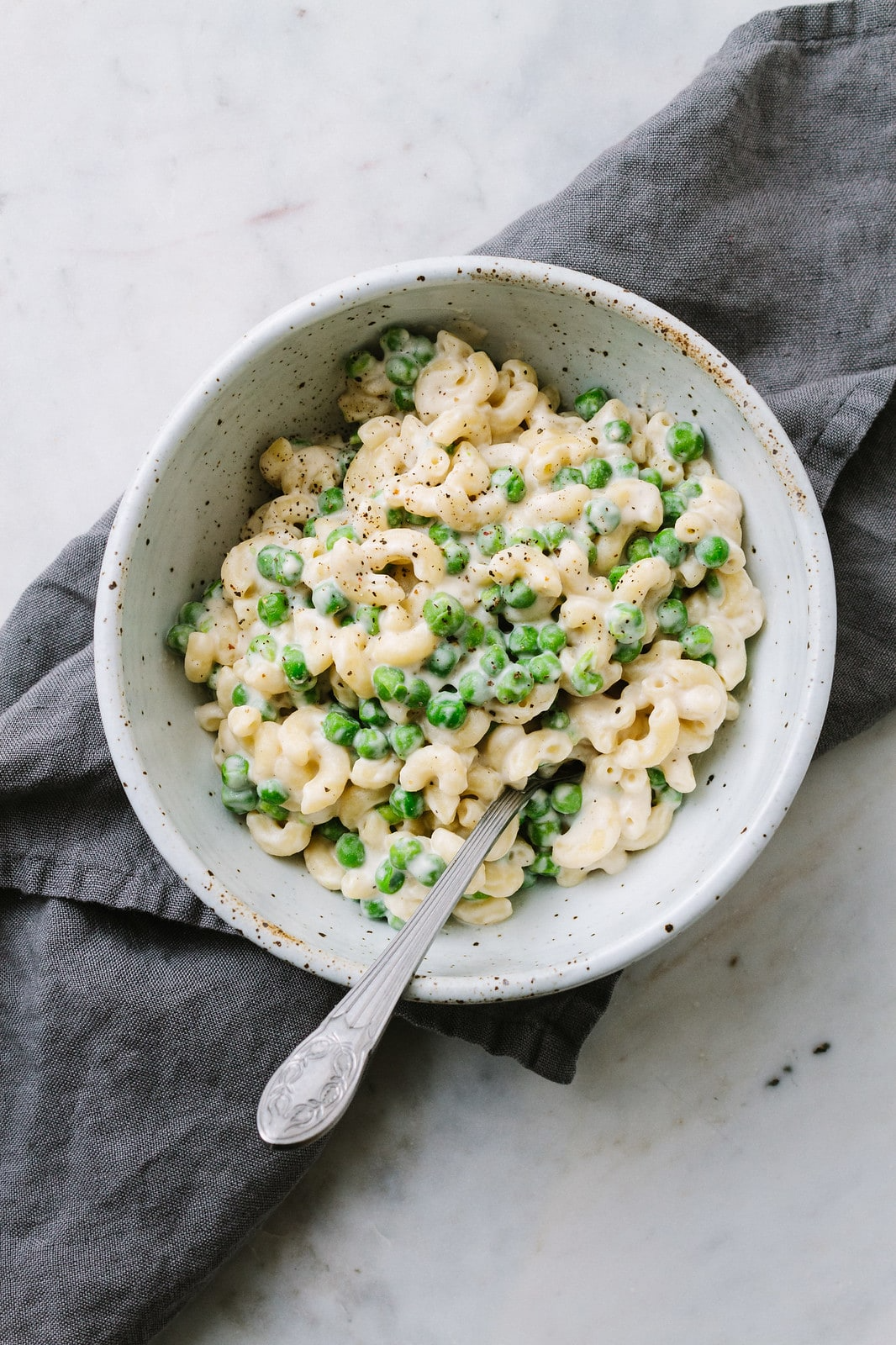
This recipe for vegan macaroni cheese (The Simple Veganista) is a cholesterol-free and plant-based version of everyone’s favourite comfort food! And for added bang for your buck, it adds peas (if you don’t have fresh, look in stores for Pack’d frozen petit pois – organic and in paper packaging).
Also look in stores for Biona macaroni pasta (this also organic and in sustainable packaging – the brand is gradually going plastic-free).
This recipe uses soaked cashew nuts (very good results, but takes a bit of while and not good if you’re forgetful!) If you want to ‘cheat’, you can make vegan cheese sauce (or even buy it), which greatly simplifies this recipe.
If making the homemade cheese sauce with nuts and cheesy nutritional yeast (rich in vitamin B12), avoid miso (unpasteurised) for pregnancy/nursing or weak immune systems).
You can also vary this recipe with Julie’s other recipes:
- Baked Mac and Cheese (breadcrumbs needed!)
- Spicy Mac and Cheese (chilli and chipotle)
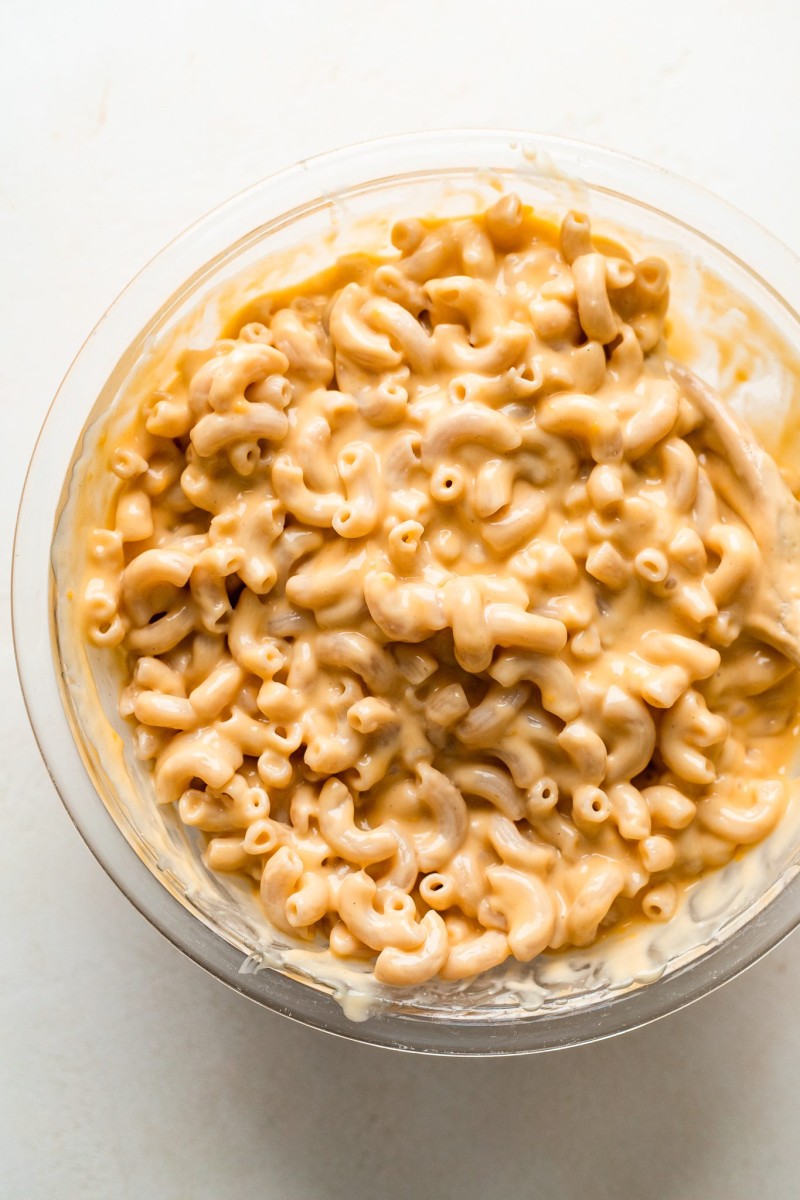
This 5-Ingredient Baked Mac and Cheese (The Banana Diaries) is super-simple to make.
Produce on Parade offers a slightly more complicated recipe using soaked cashews and cheesy-tasting nutritional yeast.

This kale apple smoothie (Short Girl Tall Order) makes a quick snack. England has many varieties of heritage apples, but all in danger of disappearing due to supermarket imports (most are sprayed with shellac – insects).
Check medication, before eating too much kale (due to vitamin K).
Keep apple chunks away from children & people with swallowing difficulties. Keep fruit pips/seeds, dried fruits, nutmeg & fresh dough away from pets. Read more on food safety for people & pets
Always ask guardians, before feeding apples to equines, as too many cause colic. If given permission, cut up first (feed from a flat palm).
Kale is quite bitter, and not the favourite vegetable for many. But it’s packed with calcium, cheap and easy to find.
It’s also one of the few vegetables that grows during England’s Hungry Gap (around April) when all the winter produce is harvested, and the ripe summer produce is yet to be ready. So hide this unsung hero in recipes!
Natural Ways to Prevent and Remove Cellulite
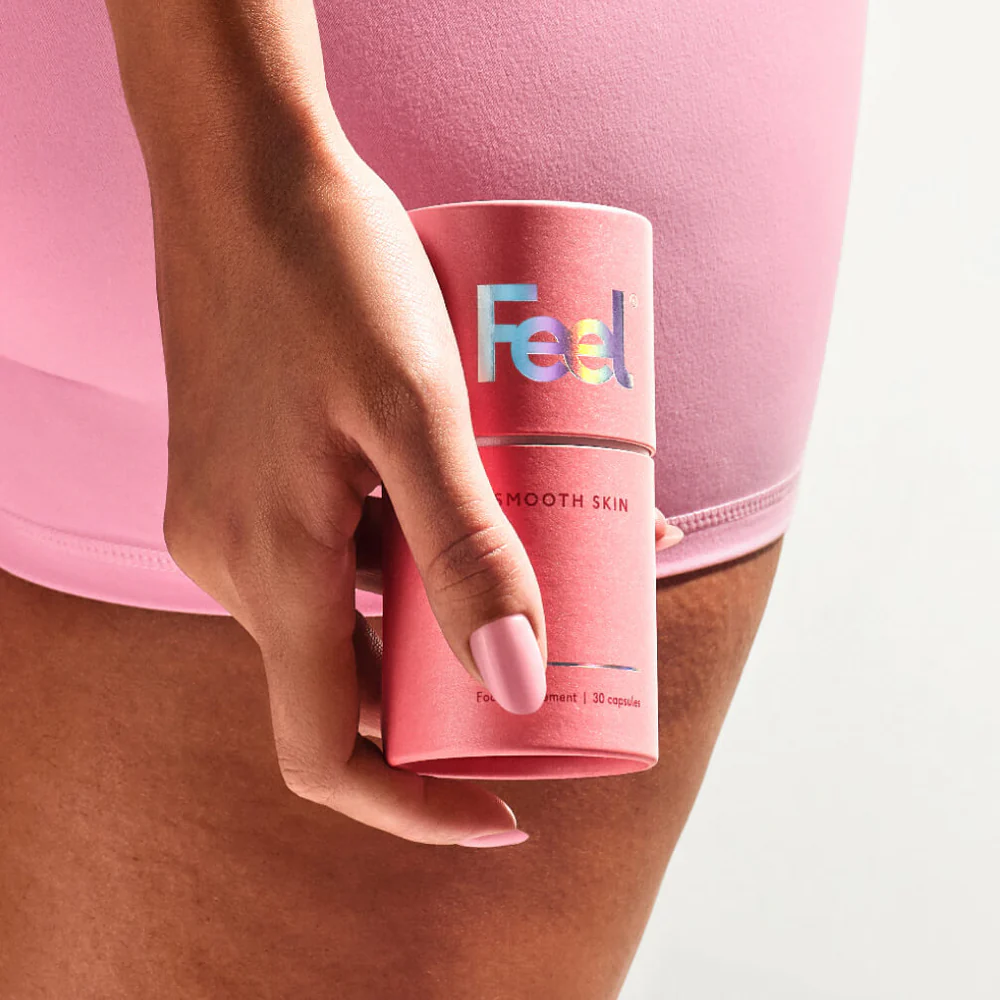
Cellulite is the ‘orange-peel’ skin that affects millions of (mostly women) as they put on weight. It’s not medical (so nothing to worry about) but some people don’t like the dimpled lumpy skin on the thighs, hips and bottom.
It happens when fat deposits press against connective tissue beneath the skin, creating uneven texture. If you don’t want to risk expensive liposuction, try a mix of healthy eating, gentle exercise, plenty of water and avoiding smoking/alcohol. Also avoid too much salt, which retains water in the body.
Feel Smooth Skin is a natural supplement that’s clinically proven to reduce cellulite in 56 days, again it’s vegan, not tested on animals and in sustainable packaging. Use code partner20 for 20% discount (not bundles or subscriptions). If you do subscribe, earn discount rewards.
Consult your GP if you are pregnant/breastfeeding or have any medical condition, before taking this supplement. Store in a cool dark place, away from children and pets.
It breaks down subcutaneous (under the skin) fat cells, and reduces stiffening of fat tissues, which is responsible for the ‘orange-peel effect in appearance. Made with cantaloupe melon, evening primrose and borage oils.
I have been taking Smooth Skin for almost 2 months. My cellulite on both legs has almost disappeared.