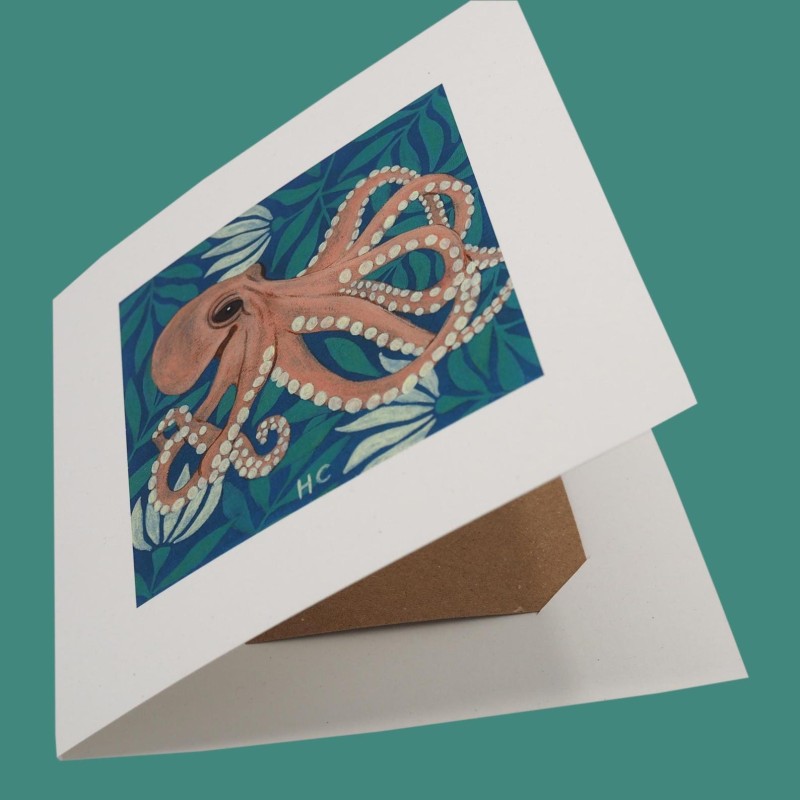
Good Tuesday eco-friendly life planning pads
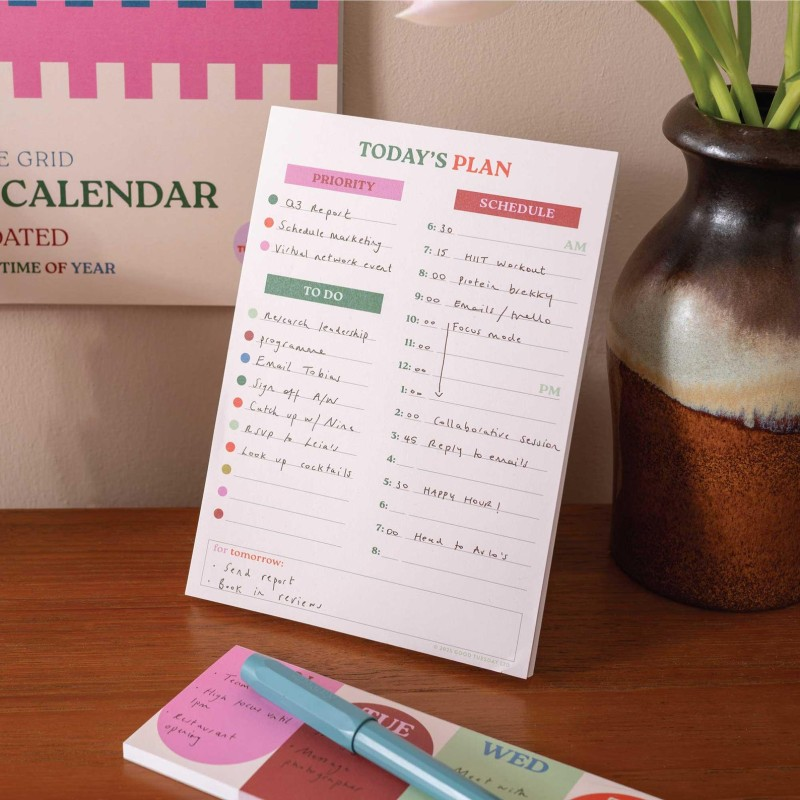
Getting tired of losing all your appointments or not sticking to good habits? Treat yourself to one of these plastic-free diaries or organised. Good for you and good for the planet!
Check out these lovely diaries and planners by Good Tuesday. This Cornish company offers lots of lovely inspiring designs, all printed on recycled paper and sold in plastic-free packaging. A few items are also designed in recycled plastic.
And includes planners you can open in book form, or stick on your kitchen or office wall.
Plastic is made from oil. So these planners ensure you are not supporting policies that create climate change or even wars. And at end of use, they naturally break down to go back to the earth, without shedding microplastics in bins and landfills, or in oceans.
It also takes far less energy to produce recycled paper planners, than new. And supports circular economies, something that’s always good!
There are even ‘corner stickers’ you can use, also made from biodegradable materials in plastic-free packaging.
Why use a diary or planner?
Life is complicated these days. So using a diary or planner, is a great way to keep track of appointments and goals, and give you a clear vision on how you would like your life to look either in the next few weeks or months, or even years. It gives you a good roadmap to get there, especially if you don’t have others ‘cheering you on’.
Planners and diaries are good to:
- Reduce mental clutter (once down on paper, you can forget about it, and clear your head).
- Help not to forget things. Ideal if you’re a bit of an amnesiac!
- Breaks down large goals into small steps.
- Lets you practice mindfulness and gratitude
- A paper planner is a good way to ‘get offline’ and work things out with pen and paper, for a nice change!
Builds accountability. If you’re always writing lists for things that never get done, this can visually force you to confront daily progress, or lack of.
It’s easy to lose interest if your goals are so big that results feel far away. Realistic goals break the journey into short stops along the way, which makes it easier to stay on track. Each time you hit a small target, you get a little boost that pushes you onward.
Ways to keep your motivation up:
- Celebrate every little step forward, not just the end result
- Keep a written list or notebook to track your progress
- Give yourself small rewards when you reach each checkpoint
For example, if your goal is to save £20 a week, you’ll watch your savings grow over time. That’s far less daunting than waiting for a year to check if you’ve somehow reached a much bigger total. You stay focused because each move forward feels real.
Here’s what steady progress might look like in everyday life:
If you walk 5000 steps a day, that’s over 140,000 steps a month.
If you save £20 a week, that’s £80 saved in a month: and that’s almost £1000 saved in a year.
If you don’t have time to cook a meal each night, do it for 3 nights a week. Then that’s 12 healthy home-cooked meals you’ve managed in a month. Well done, you!
Keep track of your progress
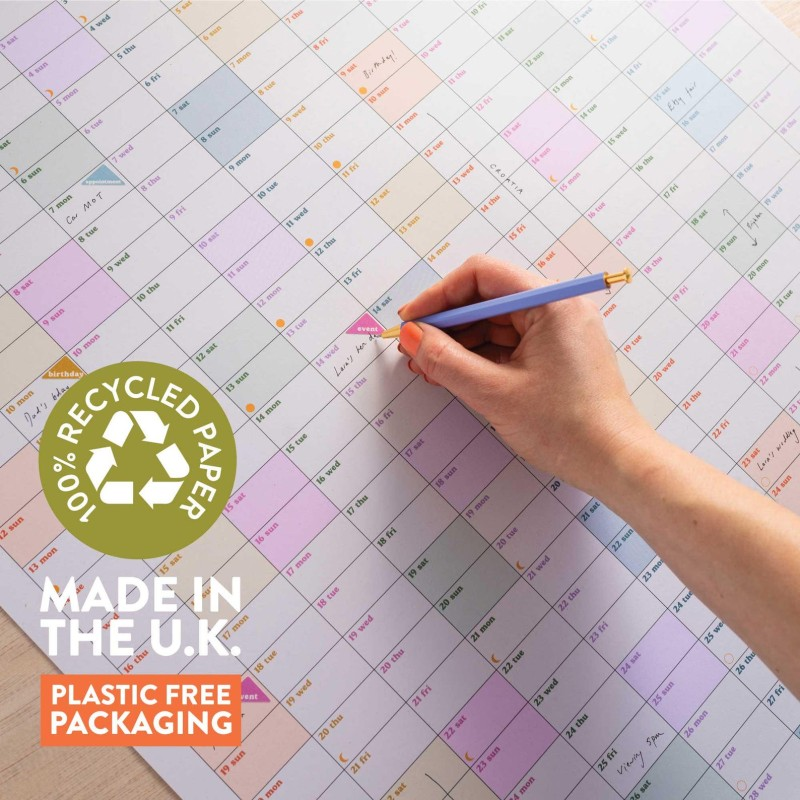
Writing down your progress helps you see what you’ve done and what’s next. It stops the goal from feeling like a vague idea floating in your head. Tracking can be as simple as a checklist, a journal, or an app where you mark your steps.
Here’s an easy way to do it:
- List your small steps in order
- Tick them off as you do them
- Note any challenges or how you felt afterwards
When you see a list filling up with ticks, it’s like proof you’re moving forward. This makes it easier to keep going, even on tough days.
Making a plan helps to keep you on course. Instead of making endless ‘to-do lists’ that never get finished, make a weekly plan, and then have a weekly review on Sunday evenings.
Fall down seven times. Stand up eight. Japanese proverb