Why is England So Rubbish at Foreign Languages?
England is renowned for being one of the countries where most people can’t talk any other language.
Considering England is the home of Shakespeare (and home to one of the most widely-spoken languages on earth), why is it that it remains one of the countries, where most people cannot speak a second language?
You’ll never meet a Swedish or German person who can’t speak English, so why is this not the same the other way around?
If that makes you feel bad, don’t be so hard on yourself.
Experts say that schools choose the completely wrong languages for English children to learn.
Unless you are raised in a bilingual family (or immigrate to England so already have another mother tongue), it’s quite difficult (especially later on in life) to learn another language.
But all polyglots (language experts) say that schools and education departments are getting it all wrong.
Apart from the fact that it would be more to the point for children to learn sign language (to include everyone in conversations in society), the chosen ‘first languages’ of French and German are actually some of the most difficult – plus it’s unlikely most of us will ever use them again.
The advice that children should all be learning Mandarin Chinese as ‘the language of the future’ is also daft, because firstly we are transitioning to a local food/culture society, rather than dealing with businesses the other side of the world, as government seems to predict.
But also because it’s also one of the most difficult languages to master (even the word ‘ma’ has four meanings, depending on how it’s written or pronounced).
Other very difficult languages include Hungarian, Russian (no verbs), Polish (like ‘Russian on steroids’), Arabic and Finnish (not related to other Scandinavian languages, this has some of the longest words on earth):
Lentokonesuihkuturbiinimoottoriapumekaanikkoaliupseerioppilas
This means ‘‘airplane jet turbine engine auxiliary mechanic non-commissioned officer student’.
Why Norwegian Is a Better Language to Learn

Learn Norwegian – far easier!
So what’s the best language for English children to learn, to instil them with confidence? Norwegian, apparently. It has similar verbs and grammar to English. And there would be a lot more ‘A grades’ if that was the main first language to learn at senior school:
Here are some simple phrases, you’ll likely know what they are already:
Hei! (hello!)
God morgen (good morning!)
Takk (thank you)
Sommer (summer)
Vinter (winter)
Midnatt (midnight)
Temperatur (temperature)
Vind (wind)
Storm (storm – the same!)
Goodness, that’s easier than French, isn’t it?
Leicester (birthplace of the English language)

Leicestershire is a landlocked county in the East Midlands, you could almost call this ‘the county of firsts’. It’s the birthplace of the English language, the birthplace of Sir David Attenborough, the birthplace of the vegan movement, and even the birthplace of the motor car.
Although today Leicester city residents often have roots outside England, 2000 years ago this was the beginning of the English language (the town of Ashby-de-la-Zouche may sound French, but it’s Saxon English).
Scholars say the name is kind of half Old English and old Viking (due to Danish settlers) for ‘ash tree settlement’.
Fun Facts About the English Language
English has one of the largest vocabularies of any language (the letter ‘e’ makes up 11% of all words). You likely know the phrase ‘the quick brown jumps over the lazy dog’ is a pangram (uses every letter of the alphabet – often used for typing students, back in the day!)
The longest English word at present is pneumonoultramicroscopicsilicovolcanoconiosis (45 letters). This means ‘a lung disease caused by inhalation of very fine silica dust, usually found in volcanos’.
Just like French and Italian, English used to use grammatical gender (so different words whether you were referring to a male or female) but that was later dropped. English is the official language for international air travel, which is why all pilots have to know the language before qualifying.
There used to be 27 letters in the alphabet. The one that was dropped was the ampersand (& sign).
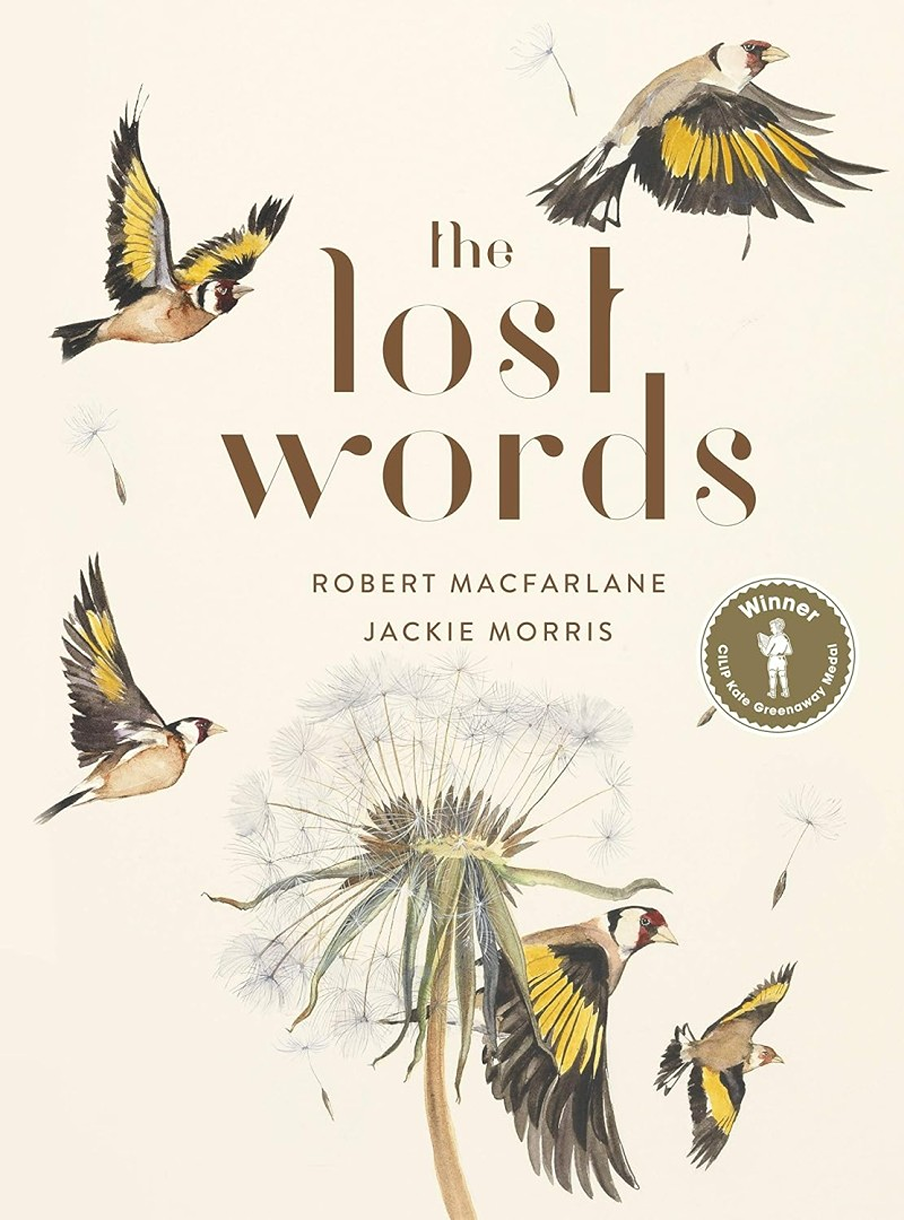
The Lost Words is a beautifully illustrated guide for children by a writer and artist, dedicating to preserving words that are being lost in modern dictionaries, replaced by words of slang or referring to computers.
To ensure words like ‘dandelion’ and ‘otter’ always remain. And children learn that blackberries are fruits, not phones!
Derby: The Birthplace of British Sign Language
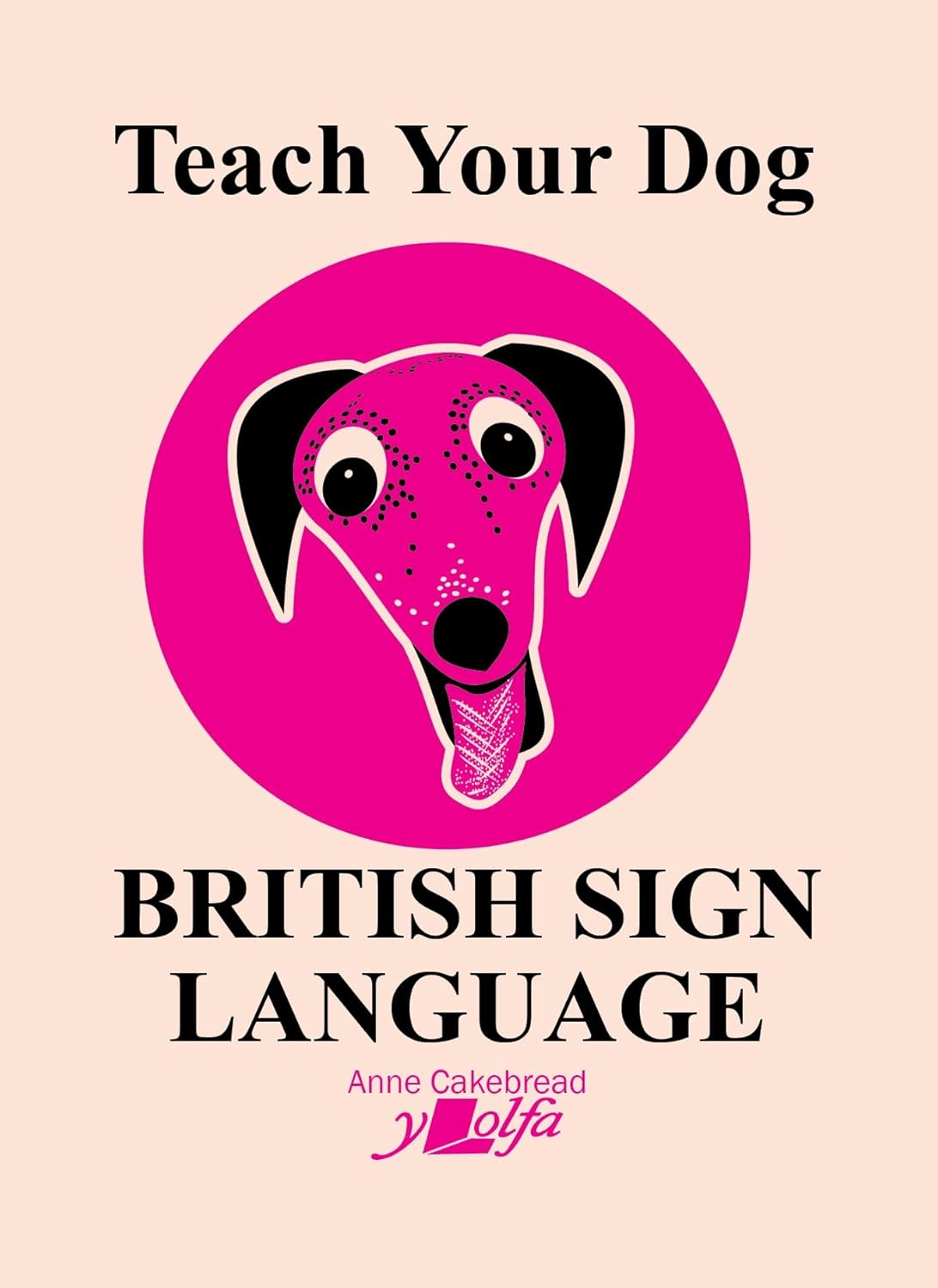
Many people don’t know that Derby has a deep history with the Deaf community. Local churches and schools opened their doors to the Deaf as early as the 19th century. This led to Derby becoming a centre for British Sign Language, a visual way of speaking that changed many lives.
Thanks to these early efforts, Derby became known as one of the first places in Britain to truly welcome Deaf people, not as outsiders, but as full members of the city. With schools like the Royal School for the Deaf, Derby created a place where Deaf pupils could learn, mix, and grow just like anyone else.
Today, Derby keeps this link strong. The city has regular social clubs, meet-ups, and a long tradition of teaching sign language. Interpreters are often found at city events.
Local shops and public spaces strive to be more accessible. This approach shows how Derby’s heart opens up for every neighbour, no matter their voice or background.
Kernewek: Get to Know the Cornish Language!

The Cornish language is known as ‘Kernow locally’. Cornwall’s place names are packed with Cornish words. Towns like Penryn, Penzance, or Bodmin all carry Cornish roots.
Cornish is not related to Gaelic, and more similar to Welsh (people in Brittany often understand the Welsh language, so perhaps it’s the same here!)
A Celtic language, Cornish has a unique alphabet and different sound rules. So the letter ‘w’ sounds like ‘oo’ and the letter ‘y’ sounds like ‘i’ (in words like ‘it’).
Many place names are Cornish (not just towns beginning with ‘tre!’) For example, the town of Penzance is Cornish for ‘holy head’ (‘sans’ means holy and ‘pen’ means head).
Here are some everyday phrases to master:
Dydh da – Good day
Dha weles genev vy – Nice to meet you
Dhe vos i – I am
Py dy’th aneth? – What is your name?
Dh’aga vy yav, mar pleg – Yes, please
Nyns yu drog – No problem
Quick exchanges like these can help you navigate through simple conversations, whether you’re meeting locals or asking for help.
Pelea veum gans fruta ha legum? – Where do I find fruit and vegetables?
Leverow beu, mar pleg – Food menu, please
Denmayth lowen – Delicious!
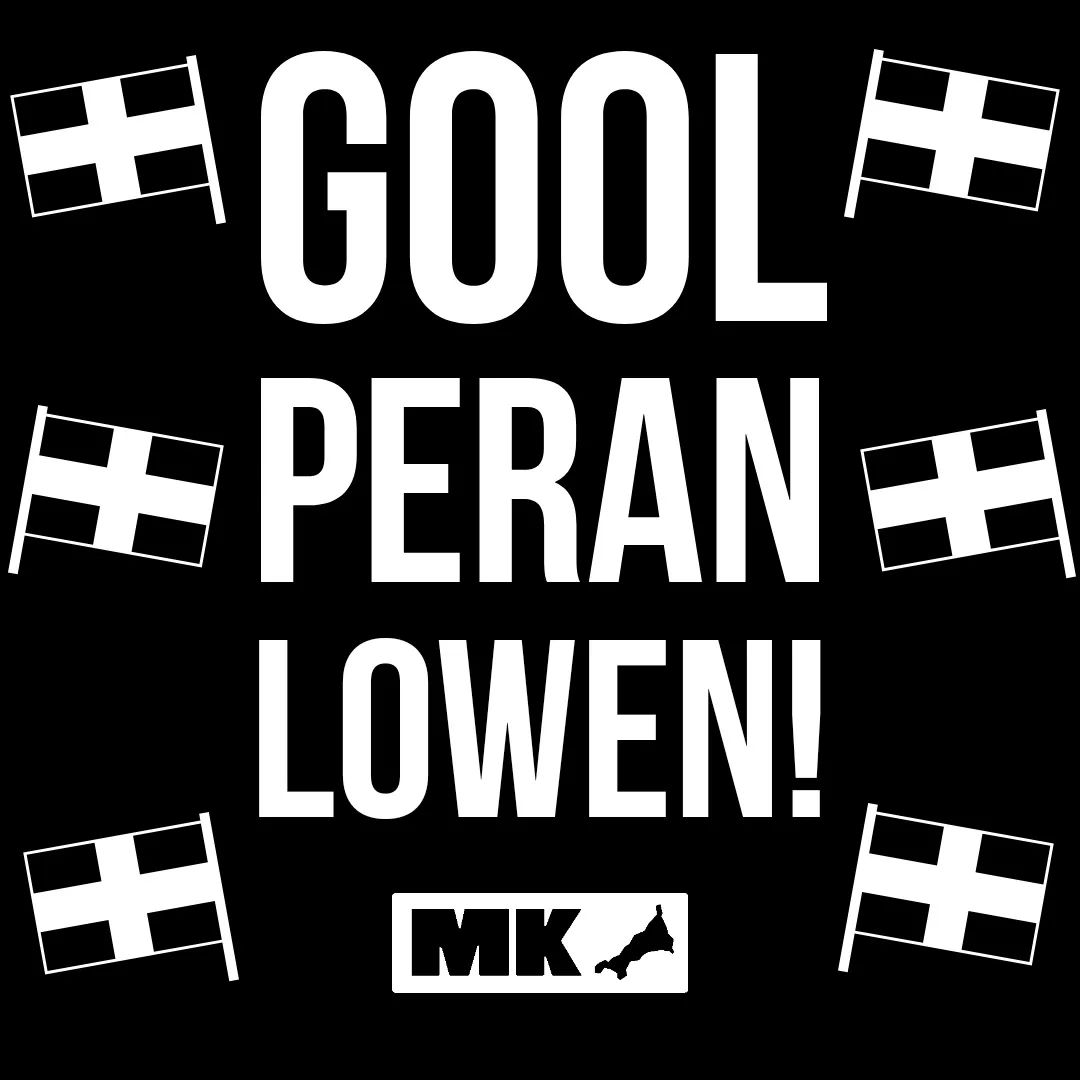
Cornwall even has its own political party!
Speak Cornish Week is an annual event, dedicated to getting local people speaking the lingo! An Rosweyth (a group of local language organisations) let people have a go at speaking Cornish (Kernewek!) with the experts.
People who don’t understand Cornish say it kind of sounds like ‘how English would sound to someone who doesn’t understand the language. Here’s a video of a native Cornish speaker. What do you think?
Dolly Pentreath: The Last ‘Mother Tongue’ Speaker

Richard Thomas Pentreath (a Cornish artist, presumably a relative?)
Dolly Pentreath is often said to be the last mother tongue speaker of Cornish, though this is not verified. Born in Paul (next door to the Cornish village of Mousehole) in 1692, she was the child of a fisherman and apparently did not speak English until age 20.
She never married and (quite controversially in the day) gave birth to a son. Living in dire poverty, not much is known about her – apart from the fact that she could apparently swear in Cornish!
50 Cornish Words to Teach Your Dog!
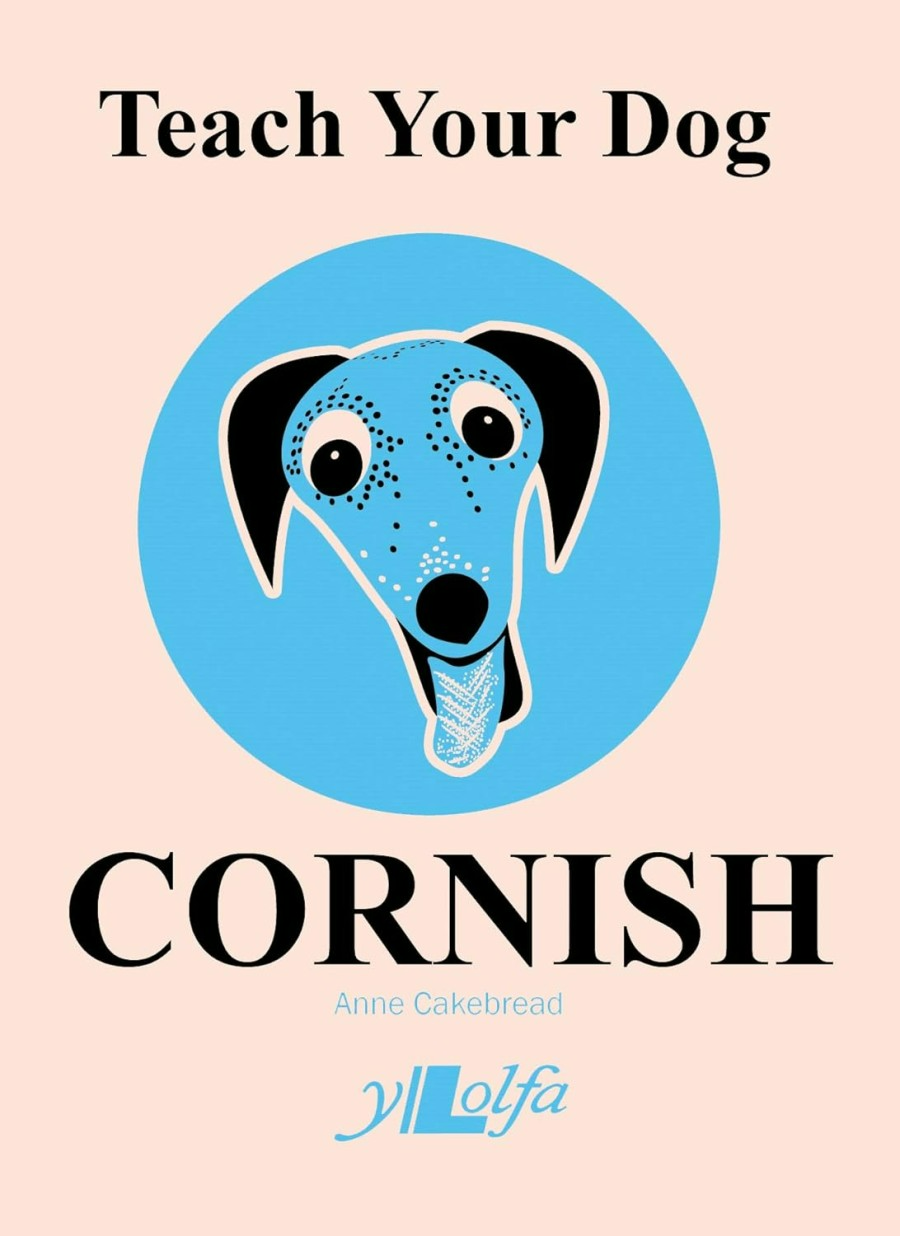
Teach Your Dog Cornish is a fun book that uses a pooch, to helpfully train you (and possibly your dog!) to learn 50 common words and phrases in the language of Cornwall.
Using a fun retro-style layout, practice Cornish with your furry best friend. Or your cat (who is likely to just walk off).