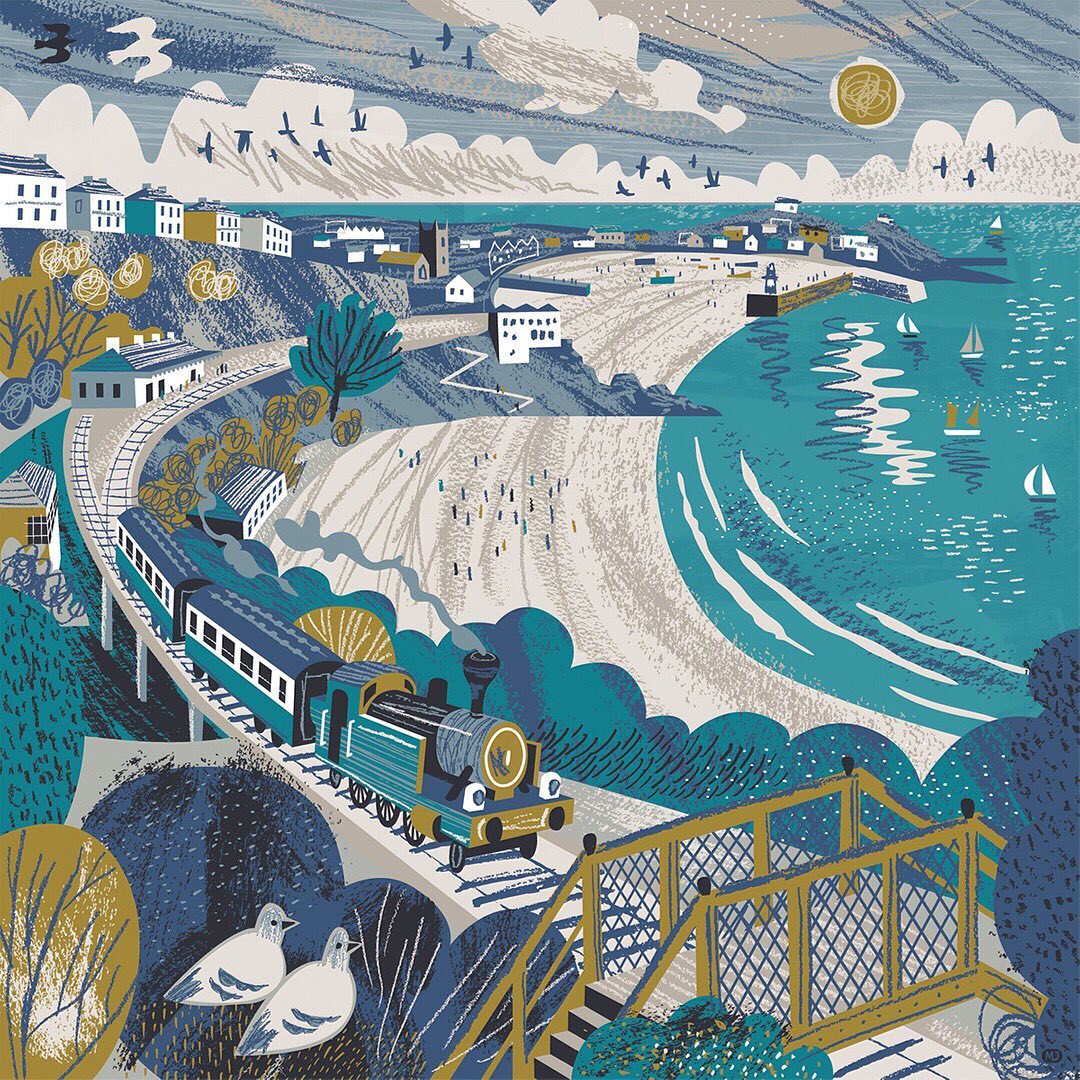
Spend a Day at the English Seaside!
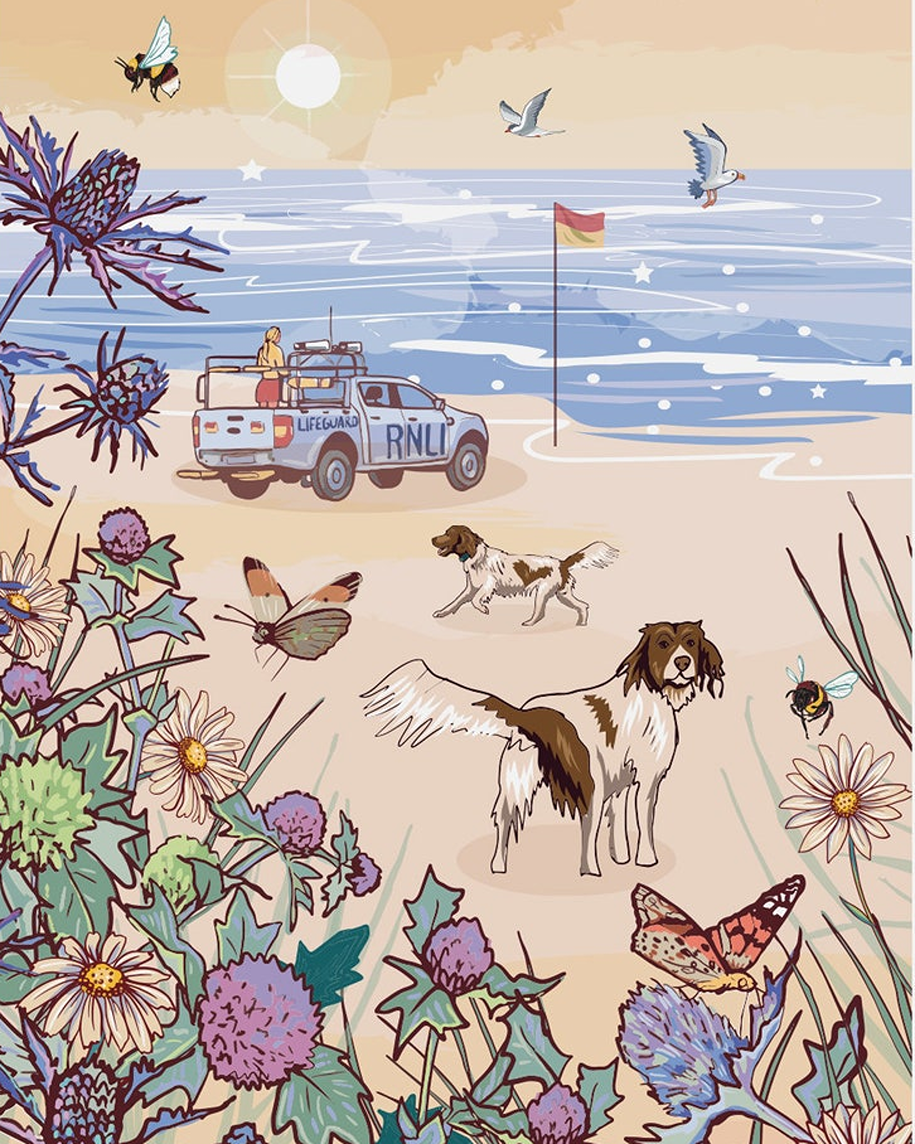
Dogs love the seaside, so check for seasonal bans before travel (a few areas ban dogs year-round, due to lack of shady places). Clean up with biodegradable poop bags.
For emergencies, call 999 or 112 and ask for Coastguard (RNLI will help pets).
Before You Travel to the Seaside
- Check tide times before travel, as some beaches disappear when the tide is in.
- Driving with Dogs has details of walks near motorway exits.
- Take water and a bowl, and make notes of dog-friendly places.
- Don’t let dogs run for an hour (or two) after long drives, to prevent bloat.
Seaside Safety Tips for Dogs
- Humane dog training helps keep dogs safe at the beach.
- Keep dogs away from sand dunes (home to nesting birds and seal pups (hidden by mums) in breeding season).
- Keep dogs away from jellyfish (even dead ones can sting). If your dog is stung, rinse area with sea water, remove tentacles/barbs and seek immediate vet advice. Keep dogs away from crabs, birds and dead fish.
- Don’t let dogs drink seawater (contains salt) or eat seaweed (can swell in the stomach as it dries).
- Don’t throw toys out to sea (dogs will keep playing, even if exhausted).
- Keep dogs away from palm oil (white waxy lumps that wash up). Report to your council if seen..
- Discourage digging near loose sand or near water lines (read how to get out of quicksand).
- Many coastal flowers are toxic to pets, so keep away if you have flower-nosey dogs.
Keep Dogs Safe in Warm Weather
- All dogs (especially large, elderly and flat-faced dogs) can get heatstroke, so only give short walks (early morning or late evening) in warm weather.
- Ask vet about pet-safe sunscreens. Never use human sunscreens, and wash off your skin before pets kiss you, due to zinc oxide).
- Keep dogs away from adders. Dog-Friendly Cornwall has tips on when to avoid walking (‘safe hours’ were before 9am and after 7pm). But rising temperatures means times may change. Adder bites need emergency vet care (read how to avoid & treat adder bites).
Heatstroke: If dogs are panting with red gums or vomiting/collapsing, move to a shady area and pour cool (not iced) water over the body (not head) until breathing normally. Give small sips of cool water.
Use a fan (or place ice wrapped in a towel) on the groin and armpits. Don’t place wet towels on the body, this can raise temperature. Turn on air-conditioning in the car, when driving to the vet.
Never leave dogs in (even warm) cars, as temperatures heat up fast (same with glass conservatories). If you find a dog needing help, smash the window and move the dog to a shady area and follow advice above, then call the vet, RSPCA and police (take the registration number).
It’s unlikely you’ll be charged with criminal damage, as people who forget their dog will likely feel terrible, and not prosecute.
Post-Beach Dog Care
- After beach (and countryside) walks, check fur and skin for ticks (often found on grassy dunes). Check for cuts between toes and paw pads.
- Rinse off seawater and sand (use lukewarm water around 37 °C) to avoid itchy skin, ear infections or stomach upset if licked. Give special attention to paws, bellies, ears and between the toes, but avoid getting water in the ears, mouth or eyes.
The Most Dog-Friendly Beach on Earth?
In northern California, the town of Carmel-by-the-Sea has police patrolling beaches to ensure dogs are not left in cars, and nearly all shops offer water bowls and biscuits. There is a ‘fountain of woof’ that spurts out fresh water for thirsty dogs. And a grassy area for dogs to relieve themselves.
Local pooches are photographed to raise money for shelters, by selling an annual dog calendar in shops.
Rules are strict. All dogs running loose must be ‘under voice control’. And aside from the beach and some trails, dogs must be on leads. Dogs also must be licensed, in case they get lost. And if an incident occurs (like a fight or bite), people are required to share details (just like with a car accident).

England’s lifeboat crews are mostly volunteers, and are our country’s safety net for people and dogs, in water-related emergencies, from people who get stranded to rough weather and choppy waters. They are not funded by government, so rely on public donations to keep going.
RNLI runs 238 lifeboat stations and 441 lifeboats (including relief and hovercrafts). In 2023, lifeguards covered 238 beaches, and saved 86 lives.
Lifeboat volunteers are not political, and many are dismayed at those who say not to rescue refugees in the English Channel. Lifeboat crews often witness upsetting scenes, and need mental health support.
The best we can help lifeboat crews is to follow warning signs, to reduce the number of people and dogs getting into difficulty. Also read more on keeping dogs at the seaside and how to stay safe near tidal causeways and quicksand/sinking mud.
RNLI Tips for Sea Safety
- Visit beaches monitored by RNLI, as experts can warn of dangers.
- Always check tide times, before travel.
- Carry phones in waterproof pouches to call 999 (112 in Irish waters).
- Children can get free swim lessons. Also read about safe wild swimming.
- If in trouble – tilt your head back, submerge ears, use hands to stay afloat. Call for help, or swim to safety.
A Few Notable Lifeboat Rescues

Henry Blogg (from Cromer in Norfolk – there is even a museum dedicated to him) saved 873 lives, a humble volunteer who never got over the tragedy of losing two young children.
One of those he saved was a large dog from the sinking ship Monte Nevoso in 1932 – who he adopted and they became best friends.

Grace Darling (who also has a museum dedicated to her in Bamburgh, Northumberland) used a rowing boat to (with her father) rescue five survivors whose vessels had wrecked in strong winds on the Farne Islands, while sailing from Hull to Dundee.
Half the ship sank in 15 minutes with many people (including children) dying. Grace saw the wreck from the lighthouse, and spotted survivors on the rocks. After rescuing them, she helped her mother look after them, while her father and three other men rowed back to rescue more people.
Sadly, Grace died just four years later of TB (receiving the best medical care at Alnwick Castle, on instructions of the Duchess of Northumberland).
Tragic Incidents in South West England
The seas near Mousehole can be treacherous. In 1981, all 8 volunteer lifeboat crew died (along with 8 others) while trying to save crew on a coaster vessel that had run aground, after seawater got into the fuel tank.
Today the village has a local train named after the boat’s crew. Within one day, local volunteers had formed a new lifeboat crew.
In 1916, an open row lifeboat capsized in Salcombe (Devon) and 13 of the 15 crew lost their lives. Immediately a new crew formed, which continues to this day.
More Organisations Dedicated to Sea Safety
- HM Coastguard is the sea emergency service (call 999).
- NILA represents around 30 independent lifeboats.
- Royal Yachting Association has safety info for sustainable sailors.
- National Coastwatch provides a watch service for swimmers and boaters.
- Surf Life Saving GB trains lifeguards, if you see yourself as David Hasselhoff or Pamela Anderson!
- Home and Dry keeps fishing crews safe.
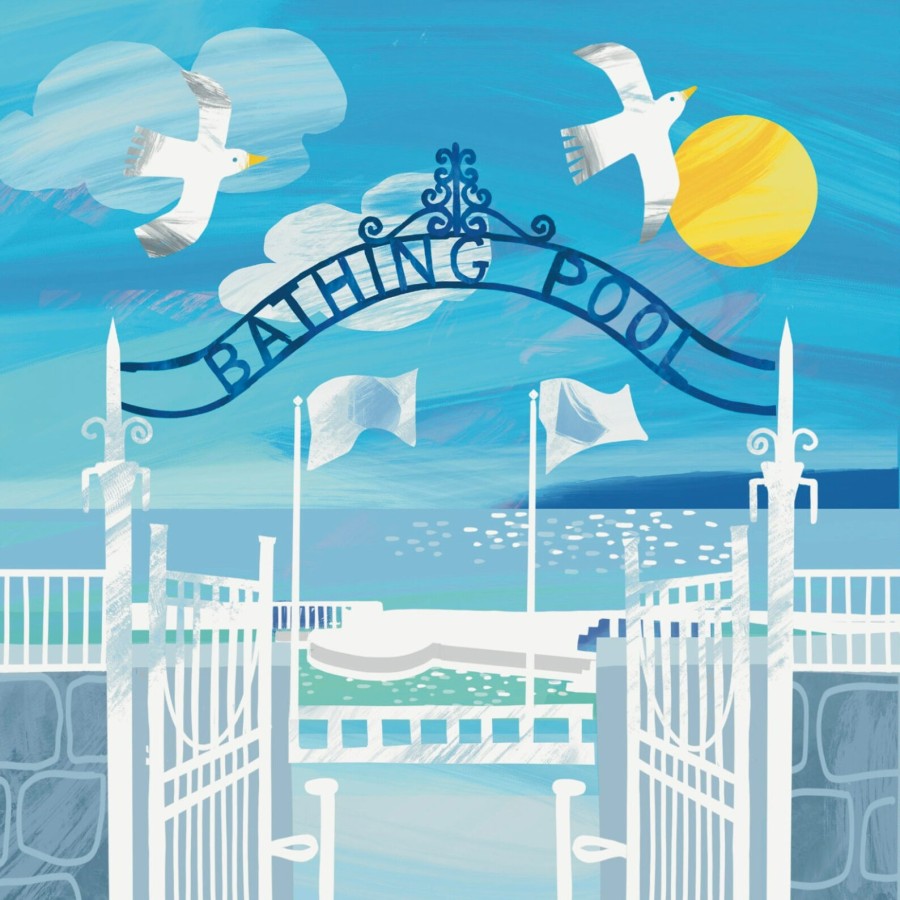
England had many seaside lidos (outdoor swimming pools, often with sea water) years ago. But when people started to take package holidays to Spain, many of them fell into disrepair and closed. Today, a few remain, and there is a movement to restore those that are still repairable.
The word ‘lido’ is from the Italian word for ‘shore’. Lidos were popular for getting fresh air and exercise, especially in the days when there were no concerns over skin cancer or ozone layers.
Find a list of all lidos in the UK. Also learn about greener swimwear.
Bath’s Cleveland Pool (England’s oldest surviving lido)
Built in 1815, Cleveland Lido is now a Grade II listed building near the River Avon, now carefully restored. After briefly going bankrupt, it became a place to baptise Jehovah’s Witnesses, a trout farm and a private residence, before finally reopening as a public bathing pool.
In 1867, the ‘eccentric Mr W Evans’ would teach swimming (and provide ginger beer and gingerbread). Often diving into the pool from a height (wearing a tall hat to protect his head!)
Other lidos (past and present) in England include:
- Saltdean Lido (Brighton) once welcomed actress Jayne Mansfield
- Tinside Lido (Plymouth) is an Art Deco design with sea views.
- Jubilee Lido (Penzance) is a triangular pool that sits on rocks, opened in 1935.
- Clifton Lido (Bristol) opened in 1850, with striking Victorian brickwork.
- Devonshire Baths (Sussex) was uniquely filled with heated salt water.
- Tooting Bec (London) is known for its long pool and rainbow changing rooms.
- Brockwell Lido (London) opened in 1937, as a city escape.
England has a few areas of both tidal causeways (where walks to islands disappear at high tide) and quicksand/sinking mud, which people and dogs need to avoid, when warning signs are given.
In emergencies, call the police or coastguard, and ensure phone is charged, before travel. Also read how to keep dogs safe by the seaside.
England’s Tidal Causeways
Check tide times (and any dog beach bans) before travel. Tidal causeways vanish as water comes in, cutting off safe routes back to land. Many coastguards are called out to people stranded (including in cars) when they have not realised just how fast the tide covers dry land.
Most tidal islands post tide times online or at car parks. Safe windows for walking or driveway don’t last long, so be to get accurate times for crossing. Some also advise not to cross in wind, rain or thick fog, even upstream rain can send water surging along rivers or across sand.
Popular causeways use poles or stones to show the way, so stick to these nearby markets, for safety.
Major Tidal causeways in England are:
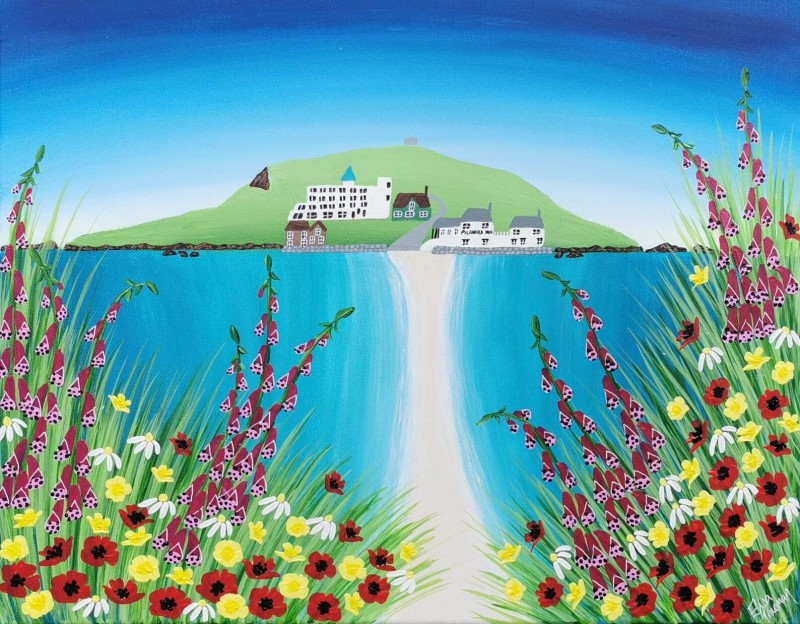
- Burgh Island, Devon (top image) is off the South Devon coast, near the village of Bigbury-on-Sea. It only has a hotel (used in Agatha Christie period dramas) and a pub. At high tide, there is a unique sea tractor, to ferry guests to and from the island.
- Mersea Island (Essex) looks like a Caribbean island, but is just 9 miles south of Colchester! It connects to the mainland via the Strood, a causeway that floods at high tide. Like Norfolk and Suffolk, it’s famed for its pretty pastel-coloured beach huts.
- Lindsfarne (Northumberland) has a rapidly-rising tidal causeway, often covering the road in minutes. Local signs provide guidance, reminding travellers of the next tide.
- St. Michael’s Mount (Cornwall) is linked to the town of Marazion, managed by the National Trust. In 1755, a Lisbon earthquake caused a tsunami. The sea rose 6 feet in 10 minutes, rising and falling for 5 hours, causing loss of life and property.
No dogs are allowed on the island during warmer weather (due to lack of shady areas) and some dog beach restrictions apply.
Staying Safe Near Quicksand
Quicksand is a mix of sand, water and clay. It is trapped with enough water to look solid, but stepping on it loosens the sand into a soup-like slush, that can’t support weight.
Sinking mud is similar, but often covers salt flats or tidal zones and contains more clay or silt. It bubbles up around shoes or boots, and can turn firm ground soggy.
Both show up in areas with lots of water movement (estuaries, tidal rivers and salt marshes) as well as some coastal areas in England. Major quicksand areas include:
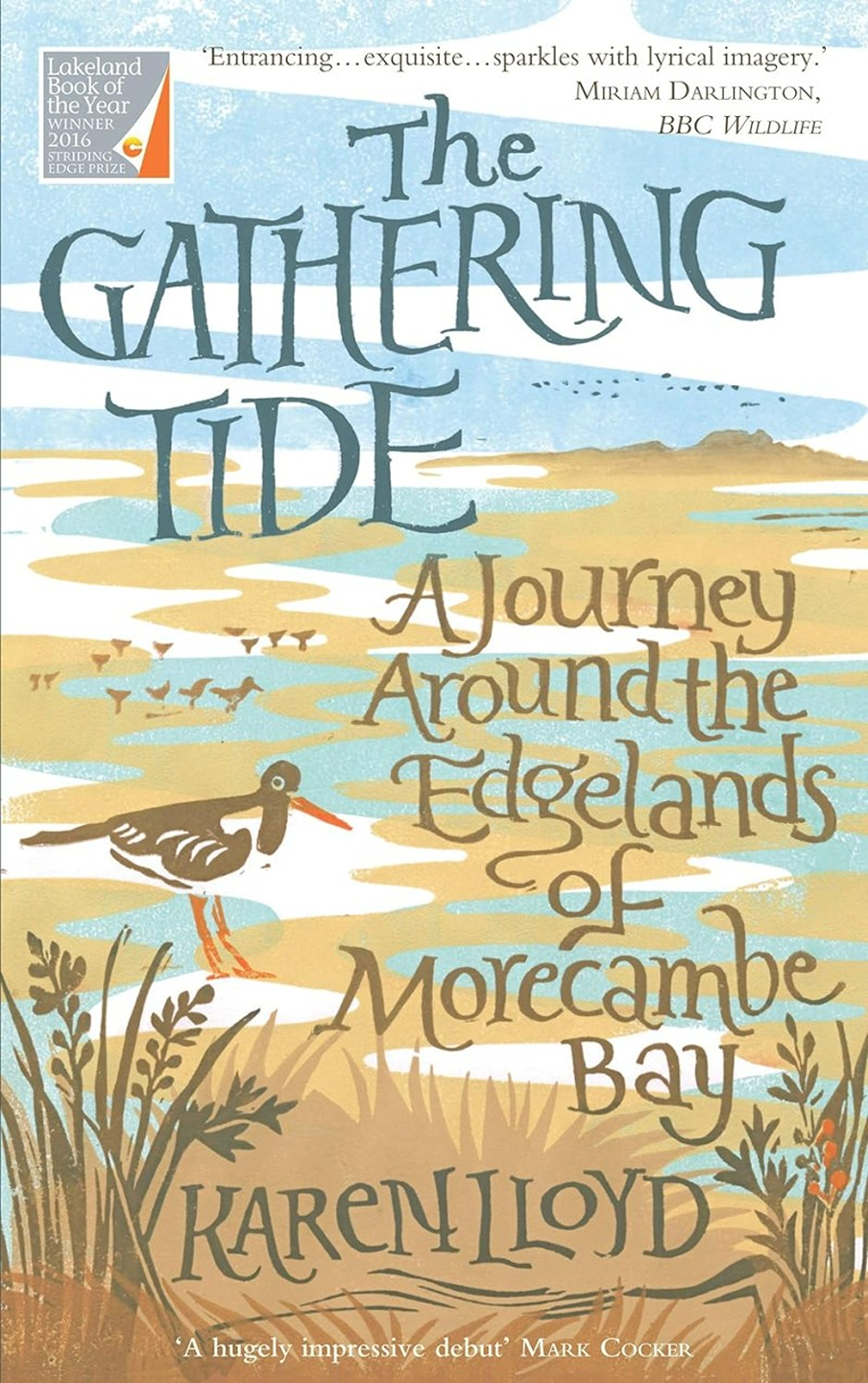
- Morecambe Bay (Cumbria/Lancashire) is notorious for unpredictable sands. The speed at which the sands flood with the tide adds to the danger. This is where a few years ago, the Chinese cockle pickers were swept to their deaths by a strong tide.
- Weston-super-Mare (Somerset) has dangerous mud near the waterline. Warning signs line the walkways, a constant reminder to stick to safe paths.
- The Broomway (Essex) is a tidal footpath from Wakering Stairs to Foulness Island. At high tide, the path disappears. Over 100 people have died when lost in fog and tide. It’s said to be almost inevitable to drown, if on the sands when the tide comes in.
- Horsey Island (a Nature Reserve) and Asparagus Island (Cornwall) have quicksand. Hidden creeks and tidal flats can catch out the unprepared. Locals often report seeing shoes, car tyres, and abandoned dog leads, hinting at hairy escapes.
How to Avoid and Escape from Quicksand
Most quicksand is only waist-deep and floats things that are less dense than water (that includes us). S o although frightening, don’t panic as this could exhaust you and make things worse.
Those most at risk are walkers and tourists who ignore warning signs, foragers and birdwatchers. Local teams are experienced in helping people who get stuck, the few tragedies are usually do to high tides and rough weather, not just quicksand itself.
To avoid getting stuck in quicksand:
- Stick to marked paths, and heed warning signs
- Don’t wander across tidal flats
- Pay attention to tide times
Quick sand looks watery or disturbed, and often appears as dark sand surrounded by slow-moving water, sometimes with ‘sucking sounds’. A stick or pole can test the ground ahead, but ideally don’t go near it.
How to Escape from Quicksand
- Stay calm, take slow breaths and focus on gentle movement.
- Try to sit or lean backways to spread your weight, so you are horizontal. Slowly wiggle your legs to create space and free your feet. Lay a walking pole or bag across the surface to help balance.
- Shout or wave to attract attention, and use your phone if you can.
- Once free, dry off and warm up quickly. Remove tight shoes or jewellery if swelling occurs, and call for medical help if you feel cold or ill.

If your smartphone can’t say your location, you can now buy a personal locator beacon. Keep phones in a waterproof pouch in isolated areas, ready to call 999 or 112 (coastguard) for help.
What if Dogs are Stuck in Quicksand?
- Avoid pushing or pulling, this could make dogs sink further.
- Have a passer-by stay on stable ground, while you slowly crawl with a rope or branch to reach the dog.
- Have the passer-by pull slowly on the rope, to help the dog float. Use a branch to distribute the dog’s weight.
- Create space around the dog’s legs, wiggling them side to side. This helps water seep in, to loosen grip.
- Call for help (999 will alert the Coastguard, and trained professionals with specialist equipment to help.

Seaside piers were first designed in Victorian times, to extend jetties, so boats could drop off goods, before lorries were invented! It was on later after railways took people to the seaside, that they became places for ‘pleasure walks’.
Mostly made from steel and wood, alas many have since crashed into the sea in storms, and a few have even been destroyed by fires (sometimes due to electrical faults and even arson). Today some have installed advanced sprinkler systems, so the same does not happen.
Use a personal ashtray to extinguish cigarettes until you find a bin, to reduce fire risks.
But today the golden age of seaside piers has often been replaced by buildings full of tacky tourist shops and amusement arcades (you don’t even get those clever men moulding animals from glass anymore).
Most of England’s remaining seaside piers are now over 100 years old, so let’s look after them. To gate out to sea, and breathe in the salty air of the sea.
If at the coast, read our post on keeping dogs safe by the seaside.
Some Well-Known Seaside Piers
Cleveland Pier (Yorkshire) has a long walk over the sea in Redcar and Cleveland. Built from wood in the 1800s, storm damage and high waves caused it to be lost to sea, and rebuild. Poet Sir John Betjeman (who helped to found National Piers Society) that this pier to be the most beautiful in England.
Southend Pier (Essex) is the longest pleasure pier in the world (2km or 1.2 miles in old money). It even has a train, if you can’t walk that far. First opened in the 1800s, again it has been rebuilt many times. Built from wood and iron, it houses a small museum to show its history.
Ryde Pier (Isle of Wight) is made from wood and has stood for 200 years. Again it has a train. This is England’s oldest pier, and inspired the Beatles hit Ticket to Ride. After Paul and John went to visit the former’s auntie, who lived in the town.
Southport Pier (Merseyside) is the second-longest pier in England, just 20 miles from Liverpool. It needs urgent investment (some people have fallen through the holes of piers, that need maintenance).
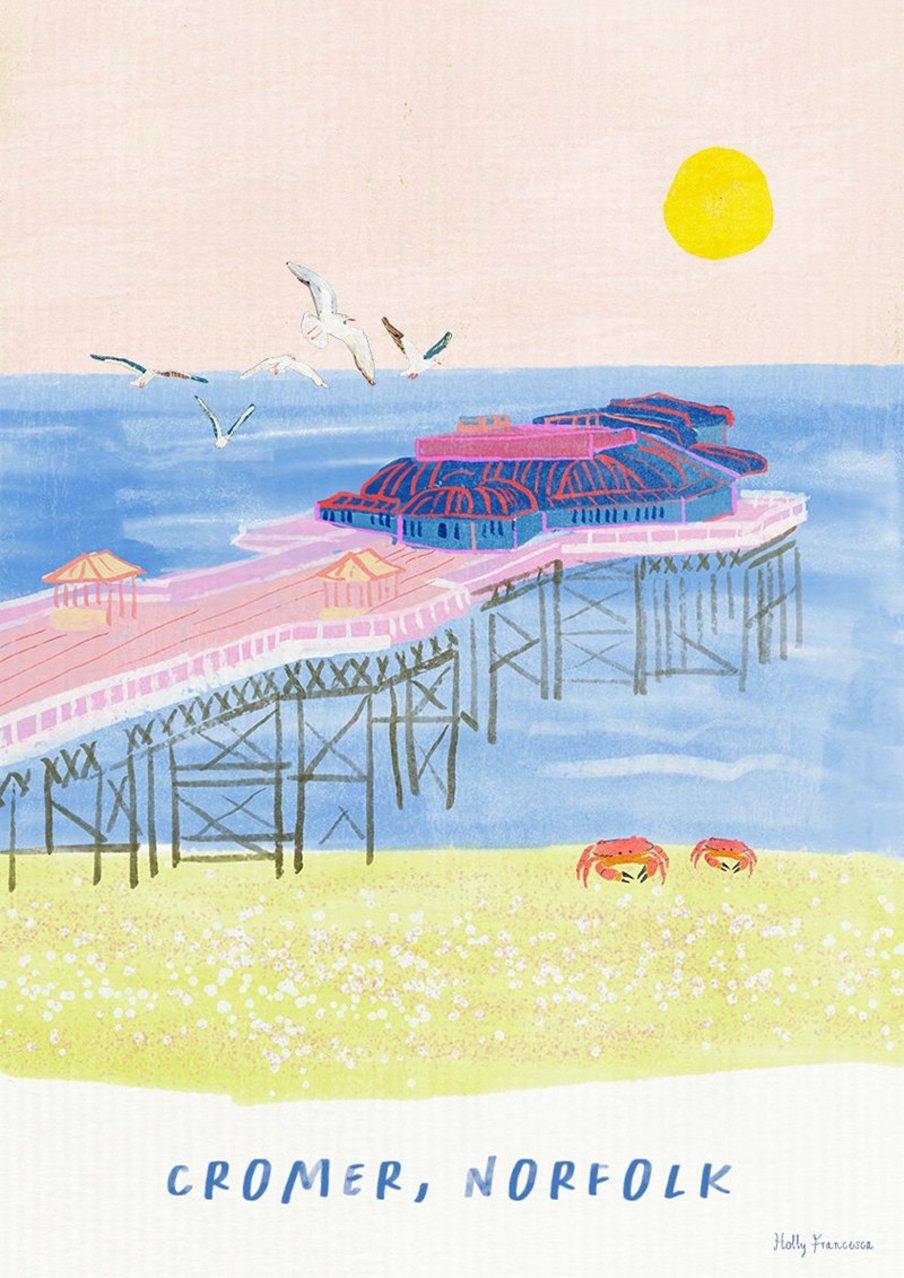
Cromer Pier (Norfolk) was built in 1391, this pier was rebuilt in 1582 (Queen Elizabeth I granted the right for local people to export wheat, barley and malt – to make money to rebuild it). The wooden jetty was washed away in 1843 in heavy seas, and last damaged in 1993 when a 100-ton crashed into it – then again the next year in a heavy storm.
The pier is now almost as well-known as local lifeboat hero Henry Blogg, credited with saving more lives than anyone else during his time (873 lives, plus a dog who he later adopted).
Brighton Palace Pier (East Sussex) is the only surviving one out of three. The Chain Pier (1823) was swept away in one night during a storm in 1896. West Pier (1866) is now beyond repair, after a storm in 2003 (just the haunting skeleton remains).
The remaining pier was opened in 1899, opposite historic Old Steine, the scene used in the film Carry On At Your Convenience (when the toilet factory workers take a trip to the seaside). Laurel and Hardy performed here, before moving to Hollywood.
The pier is very long, with three months in every year being taken up to paint it. It’s also lit up at night (not good news for local birds and wildlife). Visitors (not residents) are now charged £2 to visit in summer, to fund the huge running costs to preserve the pier.
Join National Piers Society
National Piers Society is run by volunteers to save the remaining piers in England (half have now gone). The site lists a history of all our piers, including a gallery of ‘lost seaside piers’. Members receive a magazine and can vote for ‘pier of the year!’
The online shop sells self-published books on piers (Hastings, Herne Bay, Yorkshire). And paintings from Nina Carroll, whose work is important as 14 of the piers she painted no longer survive (her paintings were donated after her death, to raise funds to preserve the rest).
You can also buy a Pier Passport (to tick off and record memories of piers). This is what one woman from Hastings did, after the beloved pier of her childhood was destroyed by arsonists. It was rebuilt, but inspired her to journey 6500 miles over 23 counties, to visit all of the UK’s seaside piers.
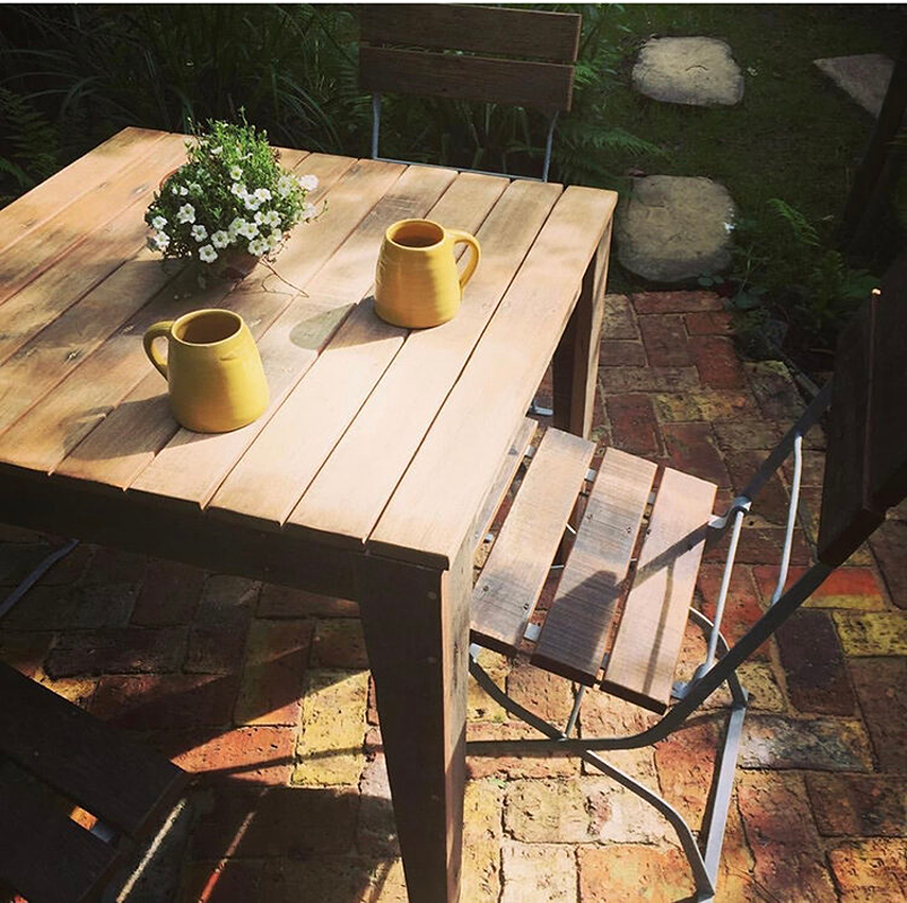
One Hastings company now uses reclaimed pier wood to make nice home furniture.
Report litter on or near piers to Fix My Street (no matter who dropped it, it is council responsibility to clean up litter on public land – or it can serve Abatement Orders on private land).
Never jump off piers. So-called ‘tombstoning’ has resulted in at least two teenage boys suffering life-changing injuries (one has brain damage) after landing in shallow water, or the wrong way. One warns others, saying that he wishes again and again, he had never taken the risk.

England’s beach huts hold a nostalgic pull for most of us. Most of us dream or renting or owning one, enjoying watching the seaside views, while sipping tea from a flask, in your own little seaside kingdom!
The reality is not realistic! Most beach huts are now so expensive, than some cost the same as a small house to buy. And there are (just like allotments) waiting lists of several years to rent one.
Read our post on keeping dogs safe by the seaside. Also don’t walk on sand dunes, to avoid disturbing nests and native wildlife.
Beach huts first appeared in England in the late 1800s, when railways made it easier for people to visit the seaside. People visited to ‘take the waters’ of seaside air, and used wheeled machines to take them (fully clothed!) to the sea.
Towns with Lots of Beach Huts!
Beach huts are particularly popular in certain seaside towns, cities and resorts:
- Brighton (East Sussex)
- Bournemouth (Dorset)
- Whitstable (Kent)
- Southwold (Suffolk)
The Essex town of Walton-on-the-Naze has over 1000 beach huts. They are still expensive, but more affordable than most. These are basic, with one reviewer writing of the town ‘you can’t get artisan bread or proper coffee – but that is it’s charm’).
Here, you are more likely to go get a veggie sausage sandwich at a local greasy spoon, and enjoy it with a flask of tea from your beach hut!
This is more akin to in Denmark, where beach huts are common ‘second homes’. These have doors at the side, and often are decorated with wallpaper, curtains and old crockery, proper little houses by the sea! You can’t rent or buy one, unless you’re Danish!
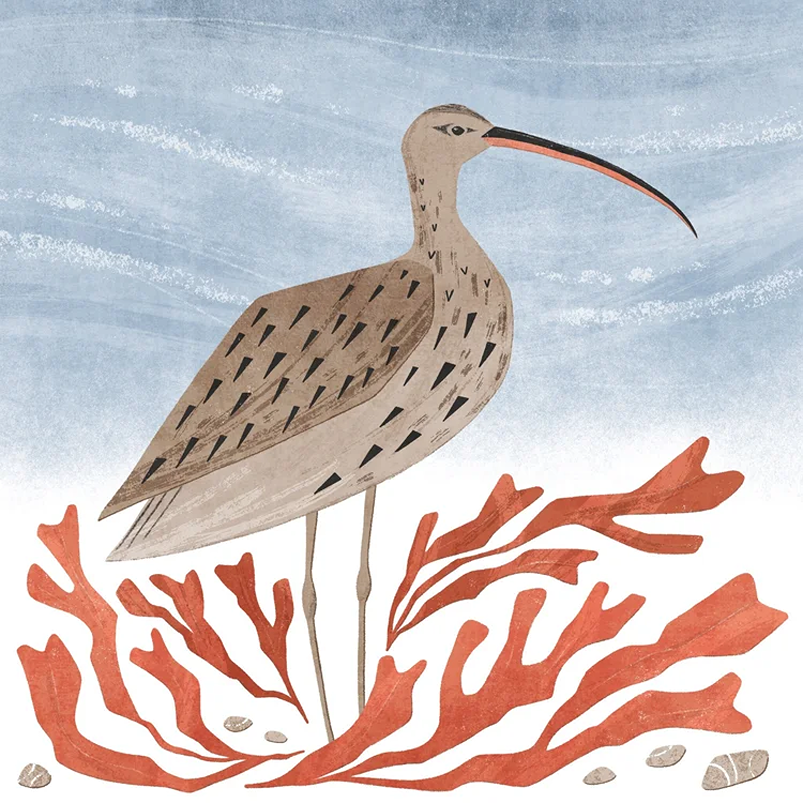
England has over 600 species of seaweed, though you won’t see many, as most live under the sea. Although seaweed can be hand-harvested in small quantities for various uses, its real purpose is to provide shelter and nursery habitats for marine creatures.
Seaweed absorbs nitrogen and phosphorus from run-off, to help prevent ocean pollution. Unless you know what you are doing, don’t harvest seaweed yourself (experts just ‘give it a haircut’ without disturbing the roots). As one person wrote ‘It’s seaweed to you, but the universe to a shrimp!)
Keep dogs away from seaweed, as they often like to play with the fronds or even eat it. But as well as being salty, wet seaweed expands in the stomach as it dries. lso don’t walk on seaweed yourself (to protect it, and to prevent slipping over).
Isles of Scilly Wildlife Trust has a good guide to the main species of English seaweed. The most common are:
- Bladderwrack (this has a ‘bubble wrap’ appearance and provides habitat for many ocean creatures).
- Sugar kelp is named due to the white powder residue left behind (its other name is Poor Man’s Weather Glass, as people use to hang dried fronds outside to predict whether rain was on the way, depending if they stayed dry or not).
- Sea lettuce does indeed look like lettuce leaves, and is used to make Welsh laver bread.
- Carrageen is a reddish seaweed, often used in vegan gelatine alternatives, to set puddings.
Using Sustainable Seaweed for Food

Japanese people are dumbfounded why people in England don’t make use of sustainable seaweed in their cooking, when it’s right on our doorstep. You don’t have to actually eat seaweed, it’s more used as condiments like flavoured sea salt.
Seaweed is especially for good for vegans, and it contains iodine and ‘makes things taste of the sea’, if you like the taste of fish.
Due to iodine, check with your doctor before consuming seaweed if you have any thyroid issues, including if you take medication. Keep salty foods away from pets, and don’t feed leftovers to garden birds or wildfowl. Read more on food safety for people and pets.
- Seagrown Seaweed Seasoning is made from Yorkshire-sourced sustainable seaweed, sold in easy-to-recycle packaging. Stir into warming soups and stews, toss with roast potatoes or mix into homemade dips and sauces.
- The Cornish Seaweed Company offers flaked seaweeds for cooking, from dulse to kelp to sea spaghetti. Instructions for each type are included on the product pages. This company avoids harvesting the same areas for several years, to protect marine creature habitats.
Using Sustainable Seaweed for Beauty
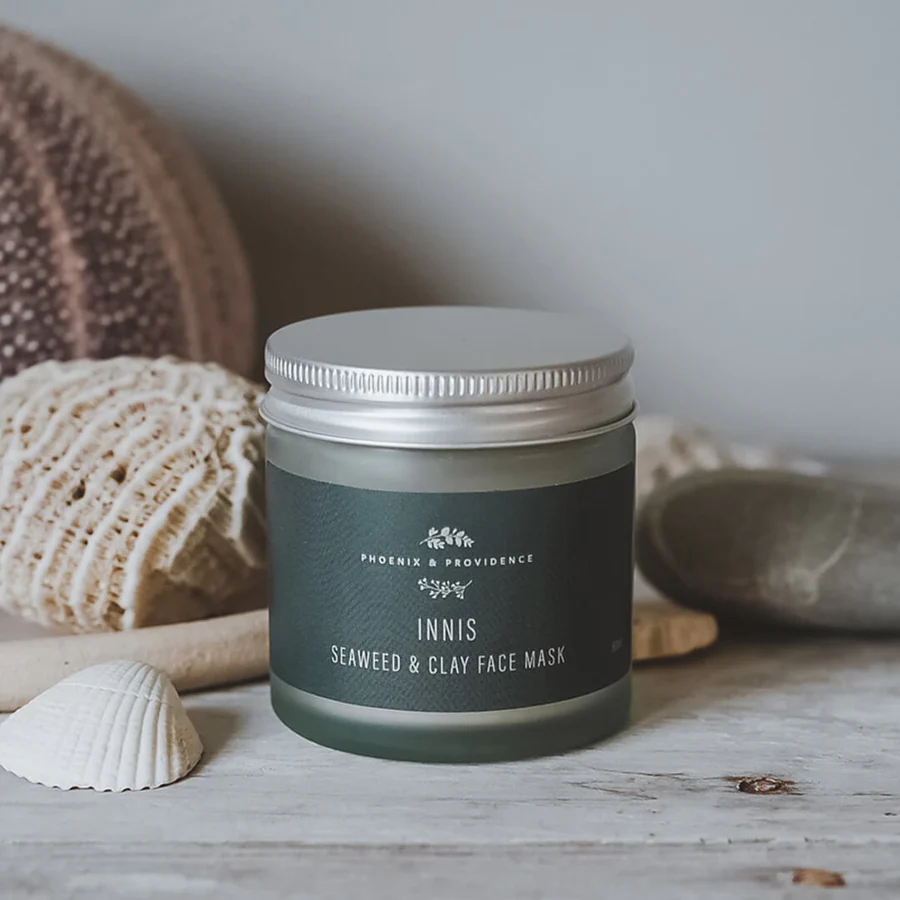
Phoenix & Providence Seaweed Clay Face Mask is made on the beautiful Isles of Scilly. The seaweed is sustainably hand-harvested then taken to the founder’s studio, to create a lovely beauty gift for yourself or others, sold in a glass jar.
Just activate the powder mix of seaweed and green clay, with hemp, lavender and rosemary oils. Avoid aromatherapy oils for pregnancy/nursing.
Using Sustainable Seaweed for Gardening

Harvested seaweed leftovers can be turned into natural fertiliser that improves water retention and adds nutrients to soil, which helps to prevent disease in plants.
The Shropshire Seaweed Company makes a good organic seaweed fertiliser. Just fill the cap (10ml), then add to a full 5 litre (1 gallon) watering can.
Read our post on pet-friendly gardens. If growing indoor plants, avoid facing foliage to outdoor gardens, to help stop birds flying into windows.
Using Sustainable Seaweed for Supplements

If you have been advised to take thyroid medicine, ask your GP about Nothing Fishy Irish Sea Moss (use code ENGNF15 for 15% off first purchase). Formulated with peppermint and black pepper, the rich iodine content supports the thyroid, digestion and clear skin. May not be suitable for people on blood thinners or with shellfish allergies or diabetes.
Seaweed Offers Alternative Income for Fishermen?

SeaGrown Seaweed Beer uses hand-harvested seaweed from Yorkshire’s coast with notes of caramel, toasted bread, herbs and lemon, combined with local kelp. Harvesting seaweed offshore helps reduce agricultural runoff and algae bloom, which harms marine wildlife.
One idea is to use the sustainable seaweed harvesting industry, to provide alternative income for fishermen. Just like transfarmation can provide alternative income for land farmers (say growing oats to make oat drink), help is needed for fishermen in a world, where increasingly people are living on plants.
Our coasts are now also suffering from over-fishing (cod is now an endangered fish, and a recent law to protect puffins means sandeel fishing is banned in England).
This company is planting kelp forests on coast, to establish and nurture vital marine ecosystems,, using cutting-edge technology developed in Yorkshire. Seaweed farming is already helping fishermen to move into different areas in Ireland and Alaska.