Epsom salts (for soothing joints and muscles)
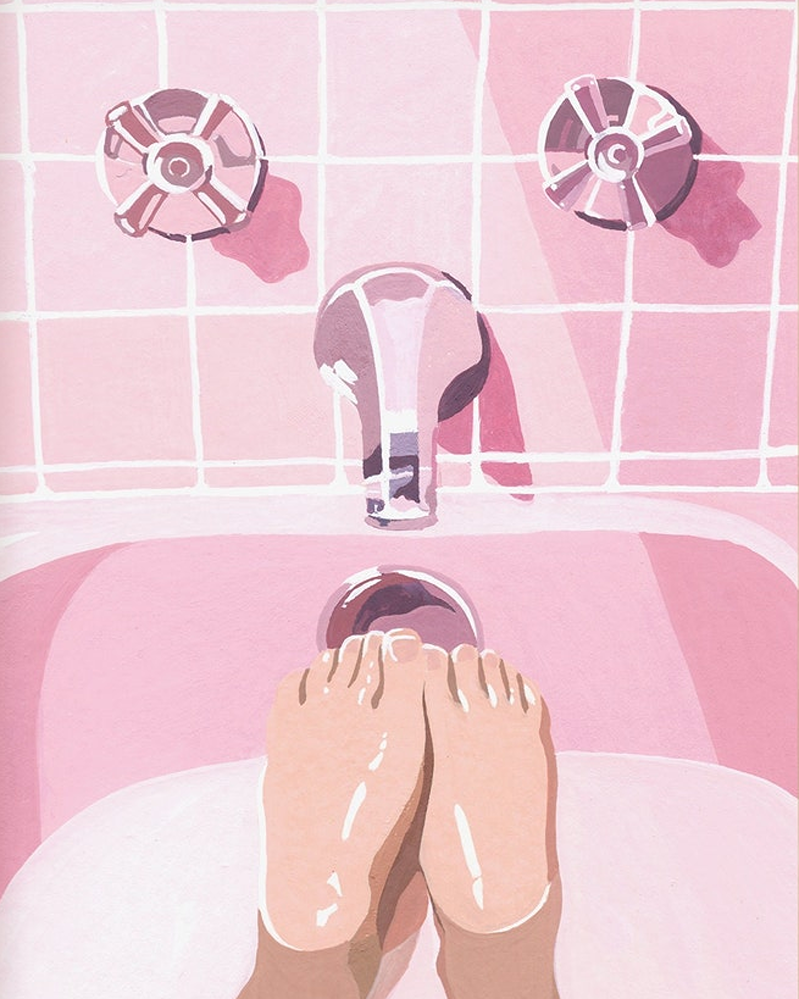
Epsom salts (named after the Surrey town) contain magnesium. A cup in the bath tub can refresh tired legs, and is preferable to dead sea salts (from a sea that is literally dying). Despite the name, the Dead Sea supports 500 million birds (300 species) and many plants, fish, leopards and ibex.
Do not use Epsom salts on broken skin. Avoid for diabetes, kidney disease, eating disorders or low-magnesium diets. Stop if you notice skin irritation, itching, or dizziness.
Choose unscented bath products if pregnant/nursing. If you use bath water diverters (that hang out the window to reuse water for the garden), only choose unscented biodegradable products – even sea salt could harm plants and pets/birds/wildlife drinking the water below).
Bath safety tips (for adults and children)
Test the water before you get in the bath, and always stand up slowly when you get out (avoid very hot baths for heart/blood pressure conditions and pregnancy/nursing. Limit baths to 30 minutes or so, and avoid slippery bath oils (a non-slip bath mat helps to stay safe too).
NHS has a 2-minute video by a midwife on safe baby baths (never leave babies alone for a second, and avoid bath seats, as these can quickly detach).
When running a bath, test temperature by adding hot water with your wrist or elbow, keep your baby’s head clear of the water, and don’t bath straight after feeds (nor if a baby is hungry or tired). Avoid baby oils and talcum powder (don’t use cotton buds to clean ears, the cause of most infections).
Keeping pets safe near bathrooms
Avoid pet-toxic plants in bathrooms or other rooms (read more on pet-friendly gardens – some indoor plants like lilies or sago palm can even harm, by a tail brushing past). Likewise, keep scented oils (esp. citrus) away from pets (never use xylitol toothpastes – or gums/baked goods containing it – in homes with pets).
Avoid facing indoor plants to outdoor gardens (and use curtains/blinds/screens over windows), to help stop birds flying into windows.