Essex (a long coast, ancient towns, two historic cities)
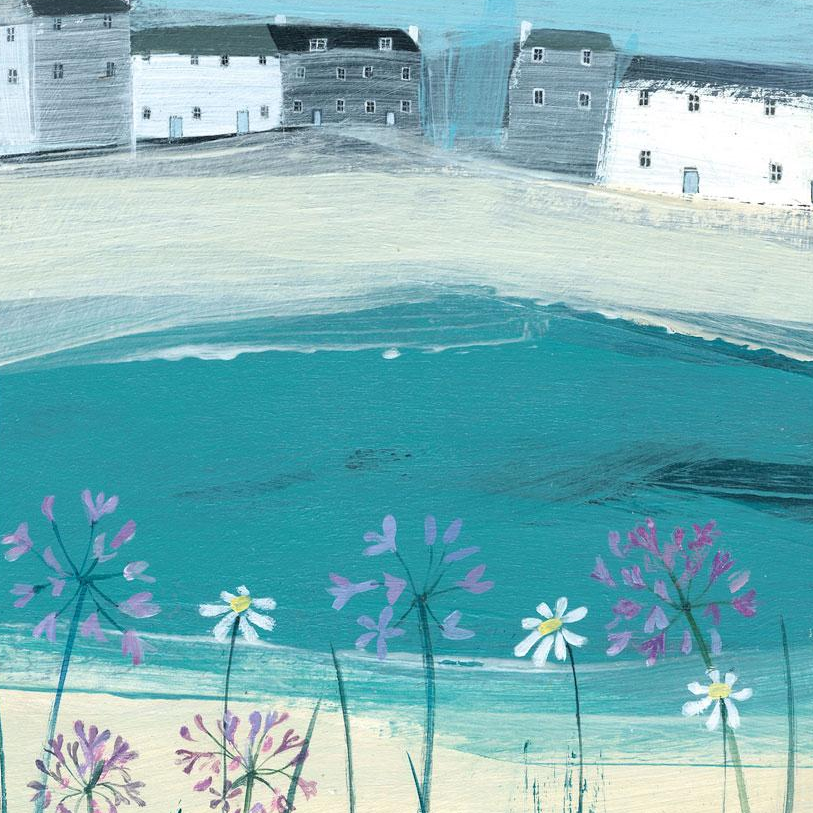
Essex has (after Cornwall), England’s longest coastline at over 350 miles, with a diverse mix of sandy beaches and even a few islands. The mudflats and saltmarshes are a haven for wading birds, who use their long beaks to dredge up tasty nibbles, before flying off with their extra long legs!
If out walking, always follow the Countryside Code to keep all creatures safe. If at the coast, read about how to keep dogs safe by the seaside (check beach bans before travel).
Never walk on sand dunes, to protect nesting birds, seal pups and other wildlife. Also keep dogs away, especially in breeding season.
The Broomway is England’s most dangerous stretch of sinking mud on Maplin Sands. Many people have drowned in fast-rising tides and/or quicksand, so keep well away. The area also contains unexploded military debris, due being used by the Ministry of Defence.
Southend-on-Sea is a popular holiday resort, with the world’s longest pleasure pier (at over 1 mile, it even has its own train if you don’t want to walk it). There are seven miles of coast and a rich history as a ‘bathing town’ during the 18th century.
Clacton-on-Sea is another large seaside holiday resort, again with a large pleasure pier and sandy beaches. It’s known for its pretty seafront rose gardens. The town was only created in 1871, making it one of England’s newest towns.
Harwich is an historic port town, located at the mouth of the Stour and Orwell estuaries, on the North Sea. It still features an 18th century lighthouse, a 17th century wheel crane, and a Napoleonic fort. The old buildings house a wealth of maritime history.
Brightlingsea is another town with a rich seafaring history, featuring a sandy beach, pretty beach huts and an outdoor swimming lido. Originally an island, today it’s a peninsula surrounded by the River Colne and Brightlingsea Creek.
Frinton-on-Sea is a quiet little seaside town, with sandy beaches and Victorian beach huts. Back in the day, it was known as the ‘Bond Street of East Anglia’, due to being a popular resort for wealthy aristocrats, which led to many fashionable high-end boutiques (it also housed a tennis tournament only second to Wimbledon).
And until recently, due to an old ‘dry law’ banning public houses, it had no pubs!
Walton-on-the-Naze is another quieter resort, home to unique cliffs and a nature reserve for birds and seals. Again populated with pretty beach huts, coastal erosion sometimes reveals everything from fossils to wartime pillboxes.
The Pretty (ancient) Towns and Villages of Essex

Saffron Walden, Geraldine Burles
Essex is a large county in East of England. Far more than Bluewater shopping centre, the Dartford Tunnel and cheeky boys, this is a mostly rural county of windmills and country pubs, with England’s second-longest coastline.
Essex has a way of surprising people. Turn off a main road, and you can be in a place of crooked beams, flint walls, old inns, and church towers that have watched centuries pass.
Epping Forest spans nearly 6000 acres, and is rich wild wildlife including deer, woodpecker and many species of butterflies). Just like Norfolk and Suffolk, windmills are a common site in Essex. Stock Windmill dates back to the 1700s and red-brick Thaxted Windmill welcomes visitors to climb its stairs, and learn about milling history.
Thaxted has the atmosphere of an old English storybook. Cobbled streets wind past a grand church, timber-framed guildhall, and even a windmill. The market square has hosted traders for over 800 years.
Manningtree claims to be the smallest town in England, sitting on the banks of the River Stour. The high street is lined with Georgian homes, independent shops, and classic pubs.
Saffron Walden and Audley End
Saffron Walden has winding streets and timber-framed buildings, to show off centuries of history. The twice-weekly market is at the heart of the town, offering everything from fresh bread to handmade gifts. Nearby Audley End House adds the grand note, with formal gardens and long views.
Keep it simple: do a short town walk, then head to the estate for an afternoon. It works well by train via nearby stations, and mornings are calmer for photos.
Castle Hedingham & Sible Hedingham
Castle Hedingham gives you instant drama. The Norman keep rises hard and pale above the village, and it still looks built to last. Around it, the lanes soften the mood, with hedges, old cottages, and small turns that make you slow down. Sible Hedingham sits close by and feels quieter, more everyday, and just as pleasing.
Walk between the two on public footpaths if the weather’s dry. Check opening times for the castle before you go, and aim for late afternoon light.
Dedham and the Stour Valley
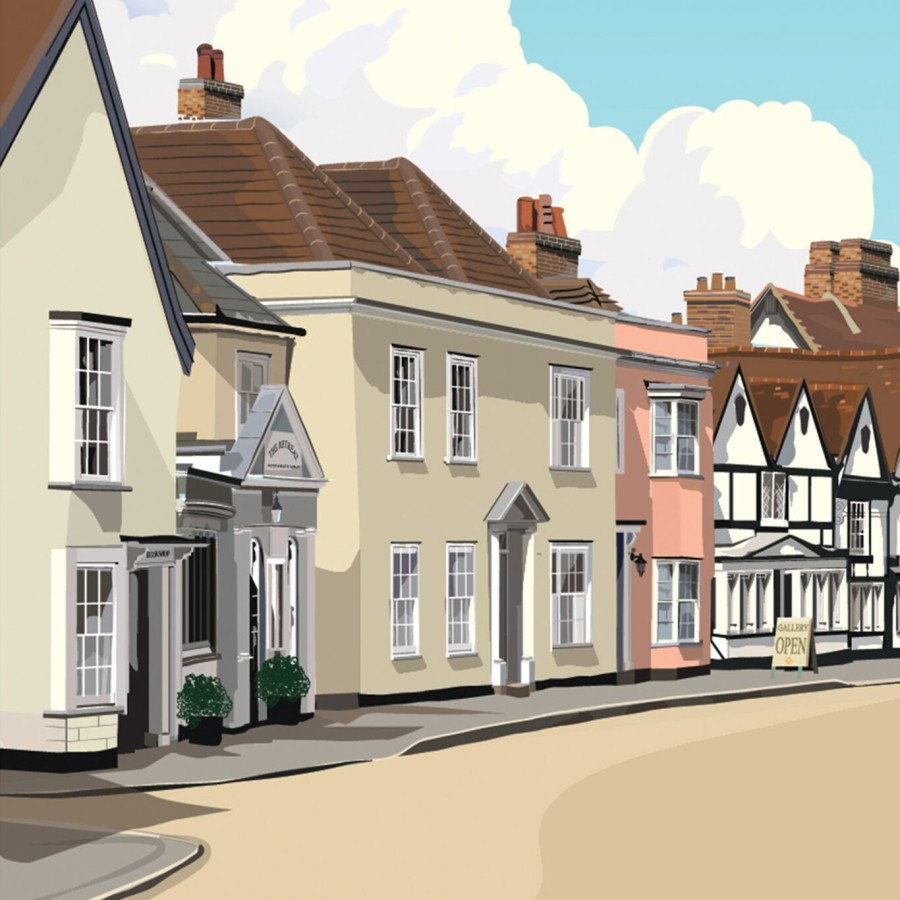
Dedham is a pretty village situated within a National Landscape, not far from Colchester. It sits close to the River Stour. It’s compact and handsome, with old frontages and a church that anchors the view. Then you get the River Stour, flat fields, and that wide, open sky that’s tied to Constable Country. It’s gentle scenery, but it stays with you, like a familiar painting seen in real life.
Take a riverside walk towards Flatford, or choose a slow boat trip when they run. Summer weekends can get busy, so arrive early or go midweek. Parking fills fast near the centre.
Wivenhoe (waterside & old quay charm)
Wivenhoe blends a creative energy with riverside views. Home to artists and writers, it’s full of colourful homes and quirky galleries. The quayside is perfect for a stroll or a pint in a local pub.
Wivenhoe is small, bright, and quietly confident. The houses have colour, the quay has history, and the River Colne brings a steady sense of movement without any rush. Old maritime links still show in the shape of the waterfront, and you can feel how working life once leaned on the tide.
Do a simple waterfront walk, then loop back through the village streets for a coffee. It’s also a good choice without a car because the rail links are straightforward. Go around high tide if you want the river to look full and glossy.
Maldon (salt marsh views & maritime)
Maldon has sea air and space. The Hythe Quay is the heart of it, with historic Thames sailing barges and long views over the Blackwater’s mudflats and marsh edges. It’s pretty in a working way, timber and rope, creak and gulls, with the town rising behind.
Stroll along the quay, then carry on by the water for a longer view. Dress for wind, even in warmer months, because it cuts across the open river. Late afternoon often feels best here, when the light drops softer.
Coggeshall (timber streets & medieval past)
Coggeshall is packed with history, from the old abbey to medieval buildings, and crooked cottages. The streets hold a dense run of old buildings, and the whole village feels walkable and close. Timber-framing is the headline, but the deeper pull is medieval history, still visible in the bones of the place and the way the centre sits.
Make time for a key heritage stop such as Paycocke’s House, then wander without trying to cover every lane. It suits slow browsing because details hide in doorways and beams. Parking can be limited, so arrive before lunch on weekends.
Finchingfield (a village green from storybooks)
Finchingfield is known as Essex’s prettiest village. Thatched cottages, a duck pond, and a green give it a postcard look. Local bakers and cafes fill the air with the scent of fresh bread and coffee. The windmill overlooks the village.
Try a short circular walk out into the fields, then come back for lunch. Arrive early for parking and photos, especially on bright days. Early evening can also be calmer once day-trippers drift away.
Burnham-on-Crouch (marina & old roots)
Burnham-on-Crouch balances smart sailing culture with older riverside history. The waterfront has a clean, open feel, and the town rises gently behind it, with older buildings tucked among newer life. It’s less “chocolate-box”, more airy and salt-tinged, which is part of the charm.
Walk the promenade and watch the boats shift on their moorings, then settle in for a calm lunch. Tide times change the whole view, so check them if you can. The light can be lovely late in the day, when the river turns silver.
Colchester & Chelmsford (two historic Essex cities)
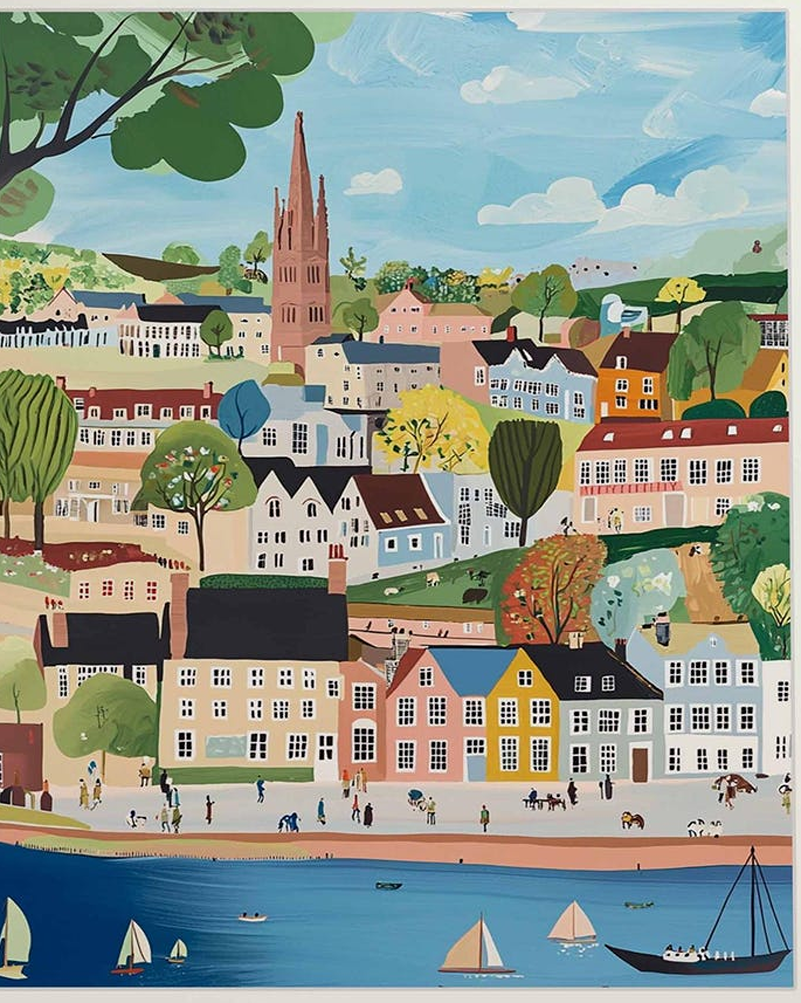
Set side by side on the Essex map, Colchester and Chelmsford often get grouped together. That makes sense at first. Both are historic, both matter to the county, and both make easy day trips from London and beyond.
Colchester dates from Roman times, and is England’s oldest recorded town. Sitting on the River Colne, it’s known as the driest place in England, and even suffered an earthquake in 1884 that made the news. The effects were even felt in Suffolk and London, damaging over 1200 buildings (cracking walls and damaging chimneys). Caused by a fault in the underlying ancient bedrock.
Did you know that the nursery rhyme Old King Cole, was likely based on Coel Hen, a ruler from Colchester? Some also say that Humpty Dumpty was named after a large cannon, used during the Siege of Colchester in the English Civil War in 1648.
Colchester castle is a good starting point to explore. Nearby, Castle Park gives the centre some breathing room, so the old stone and the green open space work well together.
Then there are the Roman walls, museums and older streets, which keep the past close at hand. Yet Colchester doesn’t feel frozen. Shops, pubs and independent spots bring enough life to stop it becoming too solemn. That mix helps. You can spend part of the day with Roman history!
Home to one of England’s last department stores
Fenwick is one of England’s last remaining independent department stores (it doesn’t sell food, so thankfully unlike Harrods in London, it does not sell foie gras). And unlike Harrods, it has a policy of not selling real fur either (it even sells vegan leather coats).
Began by merging a haberdashery with a hardware store, independent stores retain money in the local economy, rather than sending it out to billionaire owners overseas (Fenwick is family-owned, Harrods is owned by Qatar Investment Fund).
Although now terribly dated, the comedy Are You Being Served? had millions of viewers back in the 70s, not thanks mostly due to John Inman and Mollie Sugden. Based on the author’s time working in a Piccadilly department store, and John Inman’s first job as a department store window dresser.
Born to two hairdressers in Preston (Lancashire), some criticised John Inman’s camp persona, as giving the wrong impression of gay people. But John said all he wanted was to make people accept through comedy (he was in a committed relationship for 30 years).
Mollie Sugden became a national icon with her purple hair and references to her beloved cat (in a survey in the early 90s, she was better known than then-Prime Minister John Major).
She was a classically trained actress (married to a professor of drama) and died at 86. Four months after the death of her co-star Wendy Richard, who in real life had quite a posh accent, having lived in Mayfair as a child.
Chelmsford (from market town to county city)
Chelmsford’s rise is quieter, but no less important. Rather than a Roman stronghold, it grew as a market town with strong road links and an increasingly central role in county life. That meant trade, movement and administration all helped shape it.
Chelmsford Cathedral sits at the heart of that older story. It’s not vast, but that’s part of its charm. The building reflects the city’s religious life and its gradual rise in local importance. Over time, Chelmsford also benefited from its position on key routes, which helped people, goods and ideas move through it with ease.
Later, industry added another layer. The city became known for engineering and radio, which gave it a modern identity alongside its older civic one. So while Colchester often feels ancient first and modern second, Chelmsford tends to feel the other way round. Its past is present, but it sits within a busier, more up-to-date setting.
Chelmsford Cathedral is the clearest historic anchor, modest in scale but full of character. Around it, the city centre feels cleaner-lined and more modern than Colchester’s.
Shopping plays a bigger role here, and so do the everyday pleasures of a county city. Riverside walks, public squares and places like Central Park soften the urban feel.
Chelmsford’s claim to fame is being the birthplace of modern radio, the first wireless broadcast made (using technology that later helped survivors of the Titanic to be found, thanks to broadcasting to a nearby ship).
It sounds good (the inventor was a handsome Italian immigrant – until we find he went onto become a member of Mussolini’s Fascist Party). A bit like statues of slave traders in England have been removed, in Italy memorials to his intellect have now been destroyed, Italians preferring to forget this ugly part of their history.
Where the Porridge Film (was filmed!)
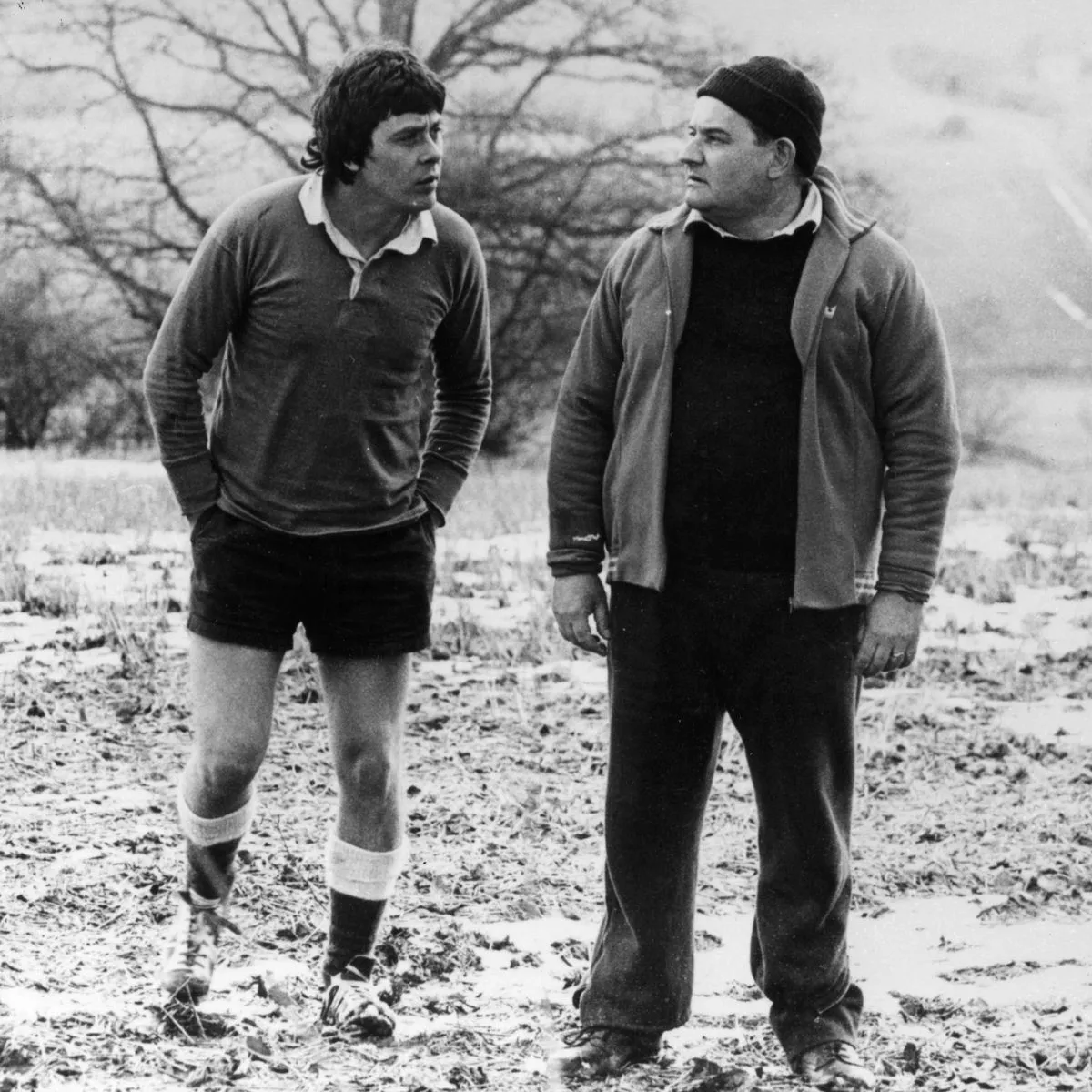
A happier memory for Porridge fans is that the indoor scenes for the feature film (where Fletch and Godber accidentally escape and have to get back inside) were filmed at Chelmsford Prison (which was empty due to a refurbishment, after a fire).
Some of the football players were real ones from a local team. One recalled that unlike his character, Ronnie Barker was very reserved (almost shy) and very posh (unlike his character!)
And that Richard Beckinsale would often happily visit the local Oddfellows Arms, to have a brandy and smoke a huge cigar!
Let’s Visit Some Tiny Islands in Essex!
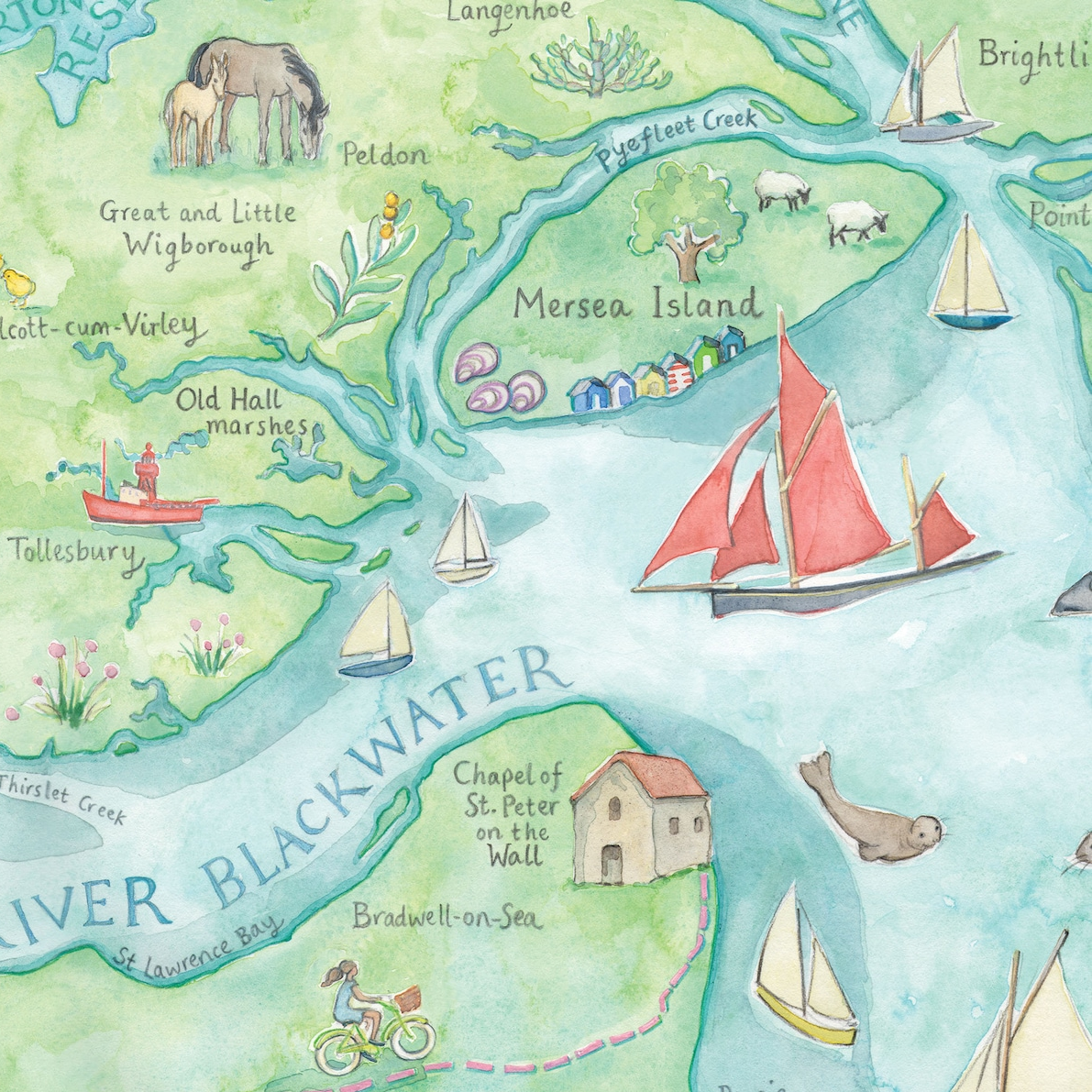
We don’t associate Essex with islands, do we? But with England’s second-longest coastline, there are quite a few of them. Not all are inhabited by humans!
Mersea Island is the most easterly island in England (inhabited by humans), connected to the mainland by The Strood, a tidal causeway that floods at high tide (so check tide times, to avoid getting stranded). The name comes from old English for ‘sea island’.
Popular since Roman times as a holiday destination, today it’s a popular sailing resort. Just five miles long and two miles wide, there is even an annual round-island race with local boats.
Canvey Island is a seaside resort on the Thames estuary, heavily influenced by Dutch engineers who helped to build its sea defences, you’ll still find historic Dutch cottages there today, with views of the Kent coast. In the first part of the 20th century, this was one of England’s most popular seaside holiday resorts.
- Bridgemarsh Island lies in the River Crouch, and supported a small community in the 19th century. After the flood of 1953, it was abandoned for good, and nature quickly took over.
- Cindery Island sits in the Blackwater Estuary, southeast of Osea. It’s a low-lying patch of saltmarsh, with waders and wildfowl feeding on the mud. You can only reach it by boat, and only at certain times.
- Foulness Island sits northeast of Southend, shielded by wide saltmarshes. It’s the second biggest island in Essex, and owned mostly by the MOD that uses it for weapons testing. Countless wading birds rest here on their journeys.
- Great Cob Island is a slim, sandy spit off the coast of Mersea, in the Blackwater Estuary. It’s surrounded by mudflats and saltmarsh, visited by birds and seals, and an important migratory route.
- Osea Island his not far from Maldon, an Edwardian retreat where you can still book self-catering cottages.
- Wallasea Island lies where the Crouch and Roach rivers meet. Home to Europe’s largest coastal wetlands restoration. Keep well away, due to sinking mud.