Foraging for Wild Food (leave some for wildlife!)
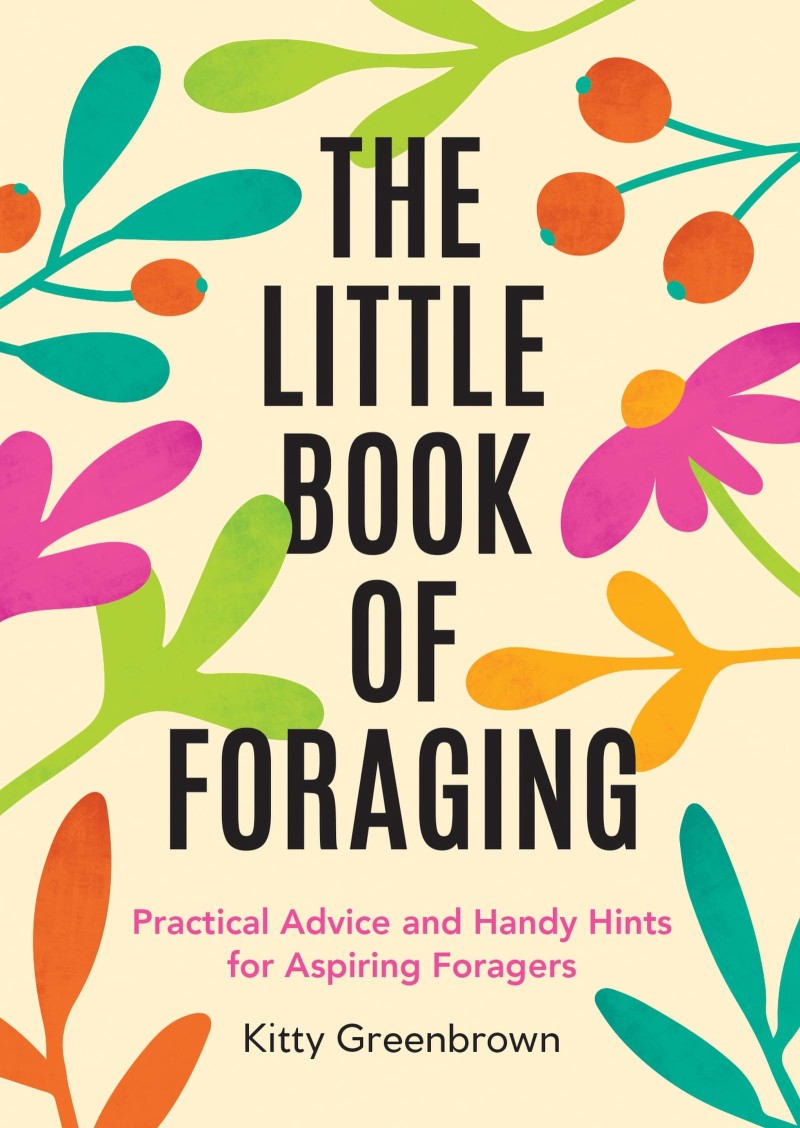
Foraging for free wild food is quite the hobby in England, and it’s a great way to enjoy finding delicious foods like blackberries, but it’s important to do it safely, and to avoid toxic plants (some mushrooms can kill you!)
If foraging for food from hedgerows, only take what you need to leave the rest for wildlife – leave nettles with ‘tiny alligators’ (young ladybirds) alone until they’ve grown and flown.
Most hedgerow plants are poisonous to pets (fruit pips/seeds, elder, borage, mushrooms etc). If you use conkers, keep them away from pets (oak trees are also toxic to horses).
Leave seaweed harvesting to experts (who just ‘give it a haircut’). Keep seaweed away from pets, it can expand in the stomach.
It’s also best to avoid picking plants near busy roads or industrial sites, as they may contain chemicals from pollution and road traffic.
Carry a first aid kit to deal with minor scrapes or insect bites. Also carry a tick remover (check your body, clothes and hair, after walking through long grass or woodland). Keep a bottle of water handy to stay hydrated.
Sharing Free Food with Birds and Wildlife

Foraging for wild food is not about ‘gathering as much as you can’. It’s about only taking what nature can spare, as wild food also supports native birds and wildlife (endangered dormice need all the hazelnuts they can get).
If you do forage for food, take only a small portion from one area, and avoid uprooting the entire plant. Leave the seed heads and roots intact, and respect rules for protected and rare species.
Three Beginner Guides for Foraged Plants
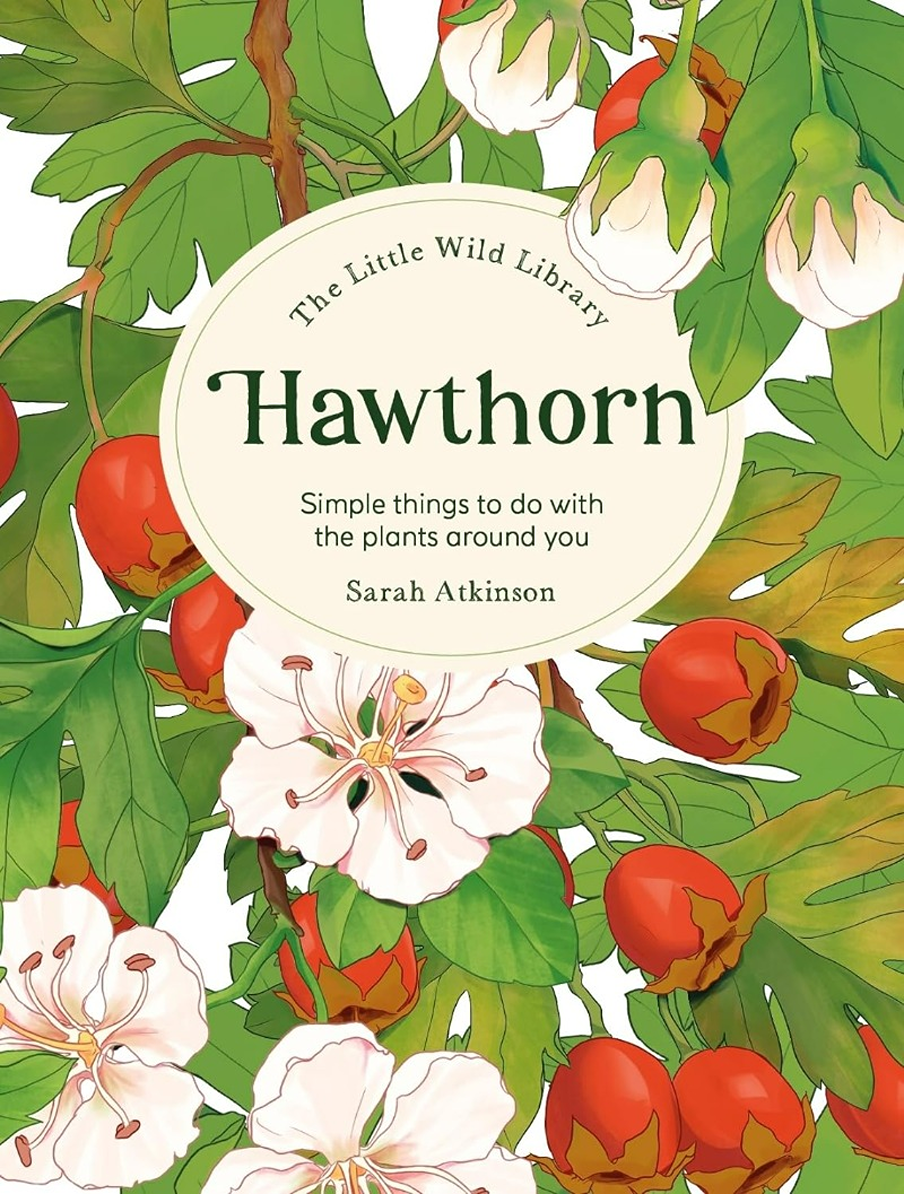
The Little Wild Library: Hawthorn is a guide to our old ‘May tree’ with tiny white flowers that herald the beginning of spring. Learn how to identify a hawthorn tree and its hedgerow friends. The author is a medical herbalist with over 30 years experience, who runs a holistic garden in the Lake District.
The Little Wild Library: Wild Rose profiles a beautifully scented plant loved by wild bees. Make recipes and tinctures from foraged wild roses, and learn how the wild rose got its name.
The Little Wild Library: Elder profiles the tree that signals summer, with blooms emerging in late spring and filling hedges and pathways with glorious fragrance. Rich in vitamin C, learn how to make romantic elderflower champagne! All parts of the elder tree are poisonous to pets.
Books to Learn About Sustainable Foraging

Foraging with Kids (also a good book for adults) is a guide to 52 native plants to forage, along with a seasonal calendar, to know what to look for each month.
Foraging finds in the book include crab apples, wild cherries, blackberries and bilberries, wild raspberries, blackthorns (sloes), wild plums and damson, elder and hawthorn and rowan and wild roses.
The book also includes chapters on weeds (dandelion, burdock, chickweed and sorrel), mushrooms and plants that smell (or look like) garlic and mustard. The author teaches foraging in the Welsh Brecon Beacons.
Nettle Power is a colourful guide to the healing and culinary uses of the protein-packed plant that is beloved by foragers and herbalists (the sting is easily removed by blanching). Keep stinging nettle away from pets.
Common in English gardens, hedgerows, fields and forests, nettles prefer damp fertile ground and are also loved by caterpillars, butterflies and ladybirds (who feast on aphids that live on them). It’s a myth that dock leaves neutralise the sting of nettles (as sap is also acidic). But dock leaves are important food for small copper butterflies, so should be left alone.
Don’t Forage Mushrooms (unless you know what you’re doing)

England has thousands of types of mushrooms, and you really have to know what you’re doing to eat wild ones. We know button mushrooms but wild mushrooms can look exotic.
Mushrooms and Company is a super-interesting book on how marvellous mushrooms (some of them mouldy!) support life on earth. In this book, young readers are deep-dived into the fungal kingdom, and introduced to an incredible array of mushrooms.
Mushrooms are toxic to pets so keep them away, and don’t take them with you, if foraging.
Without fungi, there would be no penicillin, no bread (at least the kinds that depend on yeast to rise), and no blue cheese! Of course, some fungi can be dangerous—whether it’s moulds that grow on crops (like potato blight) or in buildings (like dry rot).
What Are Fungi?
Fungi are neither plants nor animals. They belong to their own kingdom, with over 144,000 species documented. Unlike plants, they cannot produce their food through photosynthesis.
Instead, they break down organic matter and reproduce through spores (tiny particles that spread through air and water). The main types of fungi are:
- Mushrooms: From button mushrooms to puffballs (that release spores).
- Yeasts: Microscopic but mighty, yeasts are essential for baking and brewing.
- Moulds: Often uninvited guests, they can spoil food or produce antibiotics.
Common Edible vs. Poisonous Mushrooms
Some mushrooms are perfectly safe, but others are eye-catching but toxic (all mushrooms are toxic to pets). Always consult an expert when learning to forage.
Ethical foraging respects nature. Always seek permission before collecting mushrooms on private land and follow local regulations. Take only what you need, leaving some mushrooms to ensure future growth and ecosystem health.
The golden rule of mushroom foraging: if unsure, don’t consume. Many mushrooms look similar, and misidentification can have severe consequences.
The deathcap has even been used as a murder weapon! And worryingly, it looks like an edible mushroom, which is why it’s so important to know what you’re doing, before mushroom-picking.
Often found growing under beech and oak trees, although a small amount of wildlife species can eat them, but they are responsible for 80% of all mushroom deaths to humans.
Some claim Charles VI died from being poisoned with this mushroom. And Roman Emperor Claudius was allegedly killed by his wife Agrippina who mixed the juice from this mushroom with his food. But most people die accidentally.
The Little Book of Mushrooms is a beautiful little pocket guide, for the extraordinary organisms found in nature. Some can cure and others can poison. Learn of mushroom folklore and identify wild mushrooms and learn those to avoid.
Mushrooms are tasty and also low in calories and high in fibre. They are packed with B vitamins and selenium, and often are used in place of meat for veggie recipes.
Read up on food safety for people and pets. Bin allium scraps (onion, leeks, garlic, shallots, chives) and tomato/citrus/rhubarb scraps (acids may harm compost creatures).
What are Toadstools?
Toadstools are fruiting bodies of fungi, these appear above the ground in summer and autumn (usually when it’s warm and damp) and should be removed around pets and children, due to being toxic.
They do elsewhere play an important role in feeding off dead plants, to release nutrients back in the soil. Some believe they are so-called as flies like them, and toads feed on flies!
Why Do Mushrooms Grow on your Lawn?
Often you’ll find large easy-to-remove mushrooms on your lawn. This is actually a sign that you have good fertile soil as they love carbon-rich earth.
If you are not a mushroom expert, never eat them, just pull them out from the base (easy to do) and this will stop them spreading. Ensure composted mushrooms are broken down, to avoid them growing back in your garden. Avoid fresh compost near pets, as it contains mould.
Another way to stop mushrooms growing on your lawn is to regularly dethatch a lawn by gently raking upwards to loosen build-up and mow your lawn regularly, limiting water applied to the soil.
Although you need shady areas in the garden for people, pets and wildlife, remove areas of over-shade (cut back branches that hang over areas that restrict sunlight etc). Using a nitrogen lawn feed (like alfalfa meal) may help.
Removing artificial grass is also good (this is not good for pollinators and over-heats in summer) as this does not drain water, so you could find mushrooms growing.