Green in Every Way: A Thriving, Organic Lawn
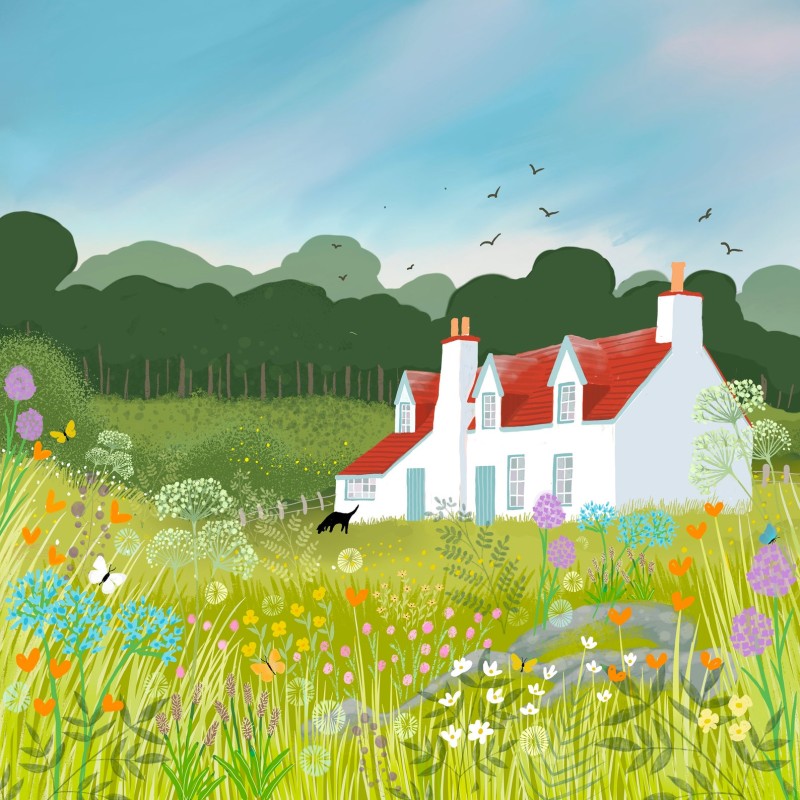
Organic lawns thrive, if you choose a hardy grass seed. They are far safer for all (even dogs have higher bladder cancer rates from neighbouring gardens that use pesticides). Just ask your council the best to dispose of garden chemicals, and switch over to an organic lawn to help all creatures.
Some ‘wildflower lawns’ include species that are unsafe for pets. Some mulches (and fresh compost) are also unsafe. Learn how to make gardens safe for pets.
Telescopic Edging Shears (avoid strimmers)
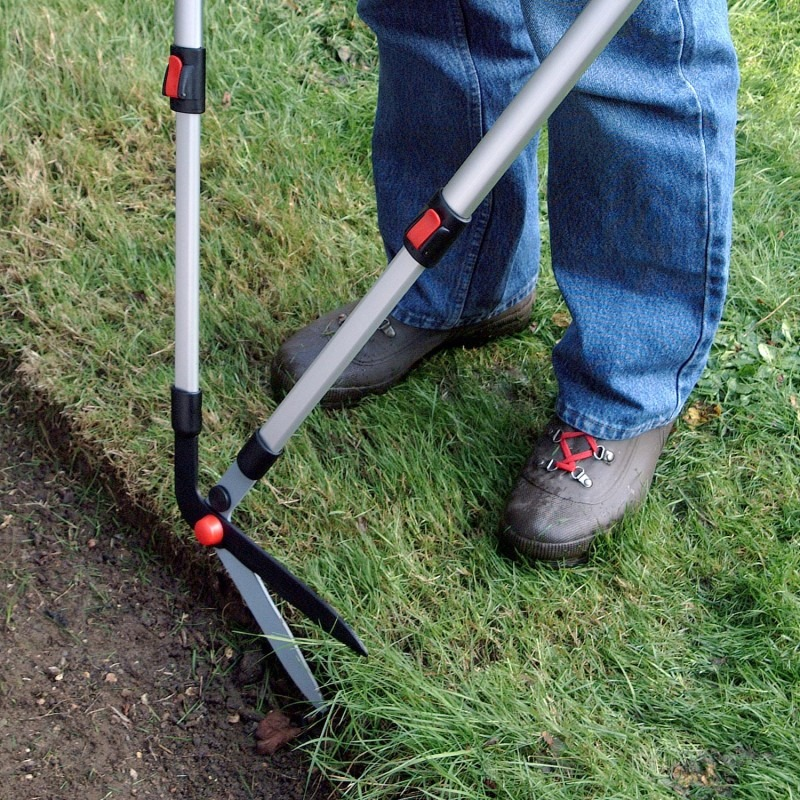
These telescopic edging shears are by a quality brand, designed to be easy to use, and to last for years, possibly a lifetime! Garden shears are not just good exercise, but much safer to avoid accidentally injuring wildlife (if you use strimmers, sweep through long grass with a broom handle first).
Same with mowing (never use robotic mowers, as slow-moving wildlife can’t escape in time).
These shears are designed to perfectly adjust to your frame, and take the backache out of lawn edging, meaning it will be just as easy to trim lawn edges.
Each handle adjusts independently to tailor for those with shoulder or arm problems, and the carbon steel blades are shaped with an undulating edge, to better grip the grass, for a more precise cut.
Note that it’s illegal to sell knives or cutting tools to anyone under 18.
As with any steel blade, it’s best to clean with fresh water and dry well after use, to prevent corrosion. A final wipe over with an oiled cloth with add an extra layer of protection (vegetable oil is fine).
Where to recycle garden strimmers
You don’t want to donate them, as this could mean someone else harms wildlife. Instead, enter your postcode at Recycle Your Electricals to find your nearest outlet, they will be made into scrap metal.
All stores that sell electrical goods must take old ones back by law (even if you are not buying something new). Or at least take back the strimmer and buying some edging shears! Don’t donate them on as this means someone else could harm wildlife.
If you have no transport, most councils offer bulky waste collection.
Ensure petrol tanks are empty (use a siphon pump and pour into a jerry can for disposal at hazardous waste -don’t pour down drain). If the strimmer has been sitting for a long time, drain the carburettor by loosening the drain bolt under the float bowl, to remove residual stale fuel, and dispose of safely as above.
Why avoid garden strimmers?
Any wildlife rescue charity will tell you that one of the main issues they deal with, is creatures caught up in strimmers, leading to horrific injuries and often death. Hedgehogs, frogs and any creatures that live in long grass are particularly in danger.
Many end up with deep cuts and head wounds, especially creatures like hogs that freeze when frightened, and roll themselves into a ball (rather than running away).
If you find any creature needing help, contact your local wildlife rescue (or take to the vet if you can’t get through – there is no charge to you). For small gardens, choose a modern cylinder (hand) mower.
Avoid ‘forking’ compost heaps (frogs like living under them). Also check sheds and outbuildings for nesting hedgehogs (lift floor carefully, and do not disturb nests, postponing work for at least a month, until sure they have left).
The Benefits of Organic Lawns
- Improved Soil Health: Organic methods enhance the nutrient content and structure of the soil. Healthy soil supports stronger grass and plant roots.
- Reduced Chemical Exposure: By avoiding synthetic chemicals, you create a safer environment for your family and pets. This also protects local wildlife and water sources from harmful runoff.
- Biodiversity: Organic lawns attract a diverse array of flora and fauna. Beneficial insects like ladybugs and bees can thrive, leading to a more balanced ecosystem.
As stated above, a manual mower is best. If you do use electric mowers, be sure to use a device to protect against electric shock). Never use robotic mowers (they can’t warn sleeping wildlife in time, to escape).
In most cases you can leave cuttings on the lawn (don’t put too many in your compost bin or it will go slimy – a tumbling compost bin is best for lots of grass)
Tips for an Eco-Friendly Lawn
- Start by testing your soil’s pH and nutrient levels. Soil testing kits are readily available and can provide valuable insights into its current condition.
- Cut no more than a third of the blade length, especially during spring’s first cut. This helps to keep the lawn healthy.
- Never use lawn chemicals, these just encourage your soil and grass to become weak. Chemicals are also dangerous to children, pets and wildlife (dogs near chemical lawns have a 7 times higher chance of bladder cancer). Securely bin and take them to the tip. Then garden using a tough grass (perennial rye is less appealing to birds – avoid netting as it traps birds and wildlife).
- Don’t overwater lawns, we get plenty of rain so most will recover in a few days (or water early morning/evening, to reduce evaporation).
- For pet-free gardens, consider a wildflower lawn, to support native pollinators. Lawns into Meadows shows how to plant an organic meadow.
- Immediately flushing with water should stop brown patches from pets peeing on your lawn! This will flush out urine salts (rake the area first for older patches, then let the rain fix it!)
- Avoid artificial lawns as they don’t support native pollinators. They also heat up quicker, so are less safe for pets/children in warm weather.
- If you are bothered by ants, just wait till the weather cools, as they will disappear. Read extensive info on how to help, in our post on why to be nice to ants!
How to Humanely Deter Garden Moles
Garden moles do little harm, and the hills they leave actually make good garden potting compost! Read our post on wildlife-friendly gardens.
They don’t have good sight or hearing, so use their scent to dig tunnels through the earth, looking for earthworms. They are not really that social (only coming together to mate, they don’t even like each that much!) And build complex tunnels below lawns and flower beds, to sleep, stow worms and raise their young.
Moles can dig an impressive four metres per hour, so some tunnels span several gardens. They won’t harm your plants, unless roots are disturbed.
Moles like unstable or spongy ground, so you’ll find moles more on soft wet grounds, often on manicured lawns, over hardy wild grass.
Like any creature, moles may carry fleas or ticks, so don’t encourage them near dogs or cats. But as long as pets stay away, they are not more of harm than any other wild creature. In fact, the only main harm would be if you used pesticides, which could harm pets too.
If you want less moles in your garden, leave your lawn more natural, and they won’t find the tougher earth so appealing.
RHS say the only really humane way to deter moles, is to water your lawn less often, and ‘leave them be’, accepting that moles digging, is a sign of good biodiversity. Gardens with moles actually have better drainage, and less compacted soil.
Don’t use mole traps or things like netting or coffee grounds, as all of these are not just ineffective, but can also harm other creatures.
Why Do Mushrooms Grow on your Lawn?
Often you’ll find large easy-to-remove mushrooms on your lawn. This is actually a sign that you have good fertile soil as they love carbon-rich earth.
If you are not a mushroom expert, never eat them, just pull them out from the base (easy to do) and this will stop them spreading. Then wash your hands before touching children or pets. Ensure composted mushrooms are broken down, to avoid them growing back in your garden. Avoid fresh compost near pets, as it contains mould.
Another way to stop mushrooms growing on your lawn is to regularly dethatch a lawn by gently raking upwards to loosen build-up and mow your lawn regularly, limiting water applied to the soil.
Although you need shady areas in the garden for people, pets and wildlife, remove areas of over-shade (cut back branches that hang over areas that restrict sunlight etc). Using a nitrogen lawn feed (like alfalfa meal) may help.
Removing artificial grass is also good (this is not good for pollinators and over-heats in summer) as this does not drain water, so you could find mushrooms growing.
What are Toadstools?
Toadstools are fruiting bodies of fungi, these appear above the ground in summer and autumn (usually when it’s warm and damp) and should be removed around pets and children, due to being toxic.
They do elsewhere play an important role in feeding off dead plants, to release nutrients back in the soil. Some believe they are so-called as flies like them, and toads feed on flies.
Be nice to ants (they’re good for your garden)
Ants are among the most fascinating creatures on our planet. These tiny but mighty insects thrive in diverse environments, from dense forests to bustling urban streets.
Their sheer numbers and variety are astonishing, over 12,000 species! Ants play vital roles in our ecosystem, and understanding their significance can deepen our appreciation for the natural world around us.
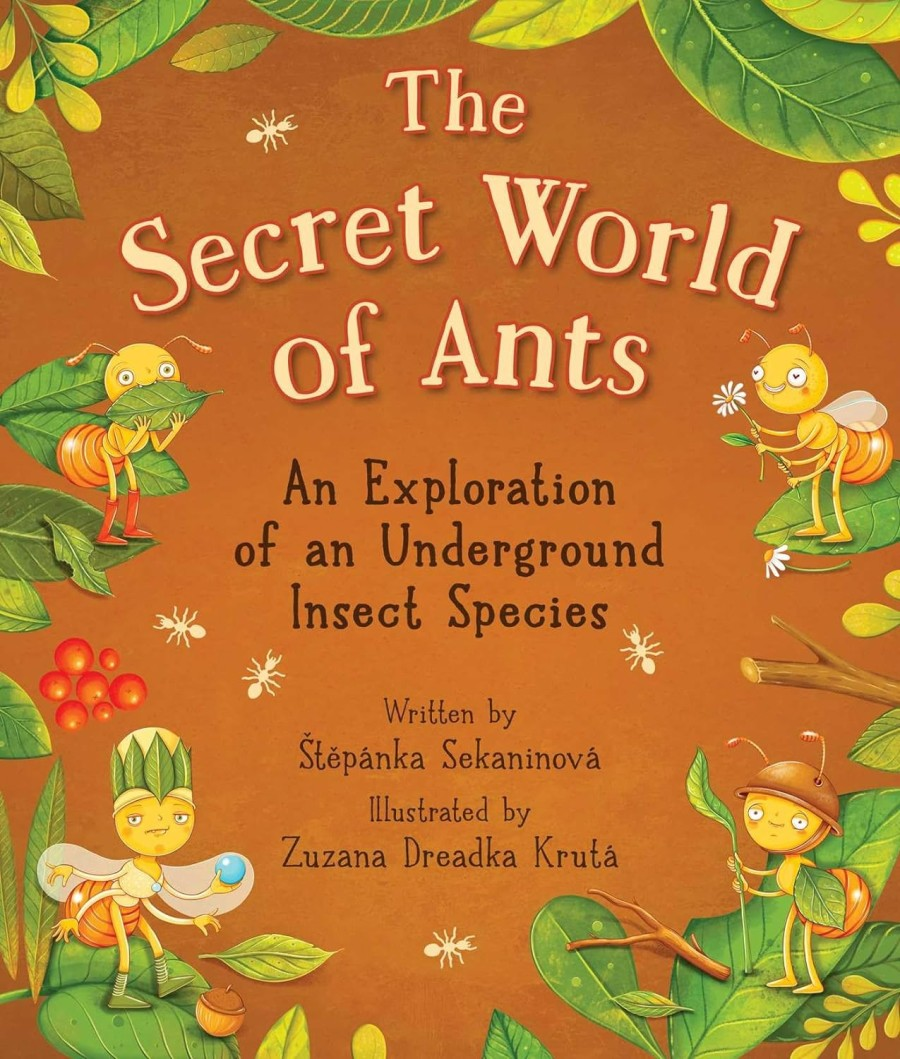
The Secret World of Ants is a fully illustrated exploration of one of the world’s most hardworking species! Ants build hills with tunnels below the ground, and are so strong, they can lift 50 to 100 times their own weight (like us carrying an adult cow or a bus!)
These skilled leaf-cutters are tiny but fascinating creatures, and this book is a love letter to some of the most incredible creatures on earth.
Ants are so common there are more than any other creature on earth. If ants are injured, they send out pheromones and other ants take them back to the Queen to try to repair injuries, but usually only if from the same colony.
Lone ants are always trying to find their colony, or else without work their lives have no purpose.
Ants help your garden to grow!
Ants work in the soil, moving seeds and breaking down plant matter. Their tunnels let air and water reach plant roots, which helps plants grow stronger.
By cleaning up dead leaves and insects, ants also recycle nutrients that would otherwise go to waste. A healthy ant population can mean better soil, which leads to brighter, stronger gardens for all.
Ants are natural pest controllers
Ants love to eat the eggs and larvae of insects that harm crops and flowers, such as caterpillars, beetles and flies. In this way, ants offer natural pest control, reducing the need for chemicals in the garden or on farmland.
Letting ants do their job keeps gardens safer for pets, children and other wildlife. Read our post on pet-friendly gardens.
Ants provide food for other creatures
Many birds, lizards and small mammals depend on ants as a major food source. If we harm ant colonies, these animals lose an important part of their diet.
Keeping ants safe helps support bigger creatures as well, keeping the whole food chain strong.
Ants clean up all the rubbish!
Ants are nature’s cleaners. They collect bits of food, dead insects and even animal remains, keeping outdoor spaces tidy and slowing the spread of disease.
Without ants, we’d see much more waste piling up in parks and woodlands.
Ants deserve our respect!
Ants may be small, but they work together in ways that few animals can match. Their busy, careful lives show the value of teamwork and simple, honest work. When we treat ants with kindness, we show respect for all creatures and learn to care for the world at every level.
How to humanely deter ants
Don’t leave sweet foods or protein foods laying around. Using essential oils or vinegar will likely harm ants (and if not rinsed away can harm other creatures).
Ants leave pheromone trails behind, so use unscented dishwash liquid with warm water to remove scents, vacuum thoroughly and clean emptied bins.
Most ants disappear naturally, when the weather cools. For flowers covered in ants, some people suggest just laying flowers on newspaper and the ants will leave, as they don’t like the scent of printing ink? Obviously the best way to deter ants from coming into homes, is to seal up entrances before this happens.
Always take ant killer liquids to hazardous waste at household tip, for proper disposal. This is also safer for all the family to get out of house and garden.
What to do if you find a lone ant?
So now you know that ants live to work as part of the colony, what do you do if you find a lone ant? If it within around 50 metres (on a clear trail without obstacles), it should be able to scent its way back, so leave it alone.
You may see an ant you think is lost. But nearly always there are ants nearby, hidden under pavement cracks.
It there are no other ants nearby, the ant will likely walk around until he dies (if you place him somewhere else, he will still die or get killed by another colony). This is sad, but the body serves as food for other insects, birds and spiders, as part of the ecosystem.