Exploring Forgotten Churches of England: Quiet Places With Deep Roots
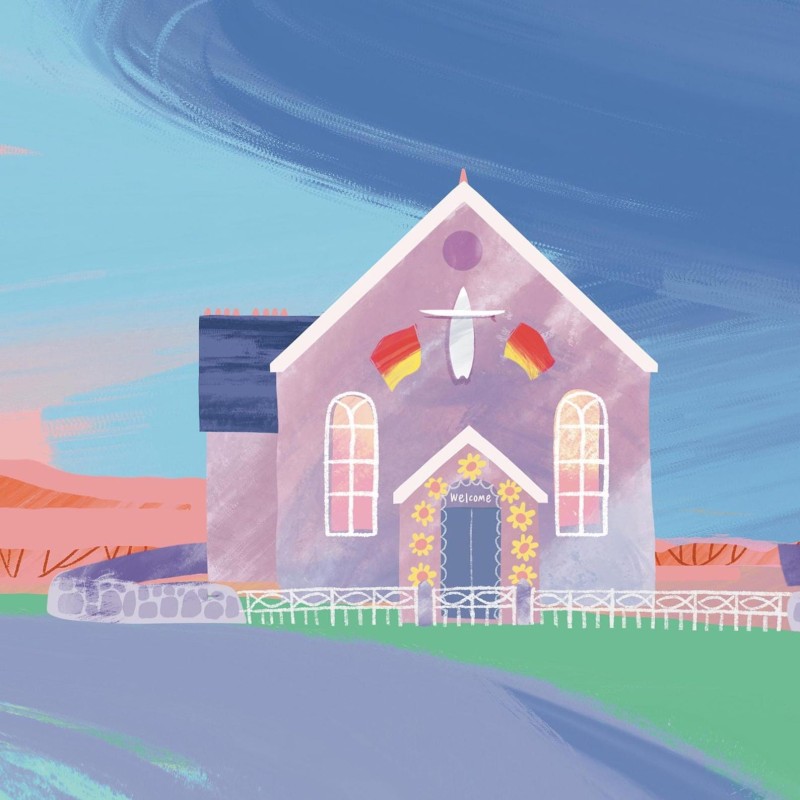
At the end of some lanes in England, there’s a church you almost miss. A low roofline behind hedges, a worn gate that sticks, a porch that smells of damp stone and old timber. Nothing announces it. But that’s part of the point!
When people talk about forgotten churches, they usually mean churches that sit quietly without fanfare. They’re often rural, and sometimes redundant, often with no staff. But they aren’t ‘forgotten’ due to lack of value. They are not used, because daily life for many people has moved elsewhere to modern life.
That’s a real shame, as these churches hold history in their walls, and offer a kind of peace that asks nothing from you. In some ways, they feel far closer to God than the big cathedrals with their ceremonies and royal weddings. This is real faith.
Why has England so many ‘forgotten’ churches?
England used to be a very religious country, Roman Catholic until Henry VIII replaced himself as head of the church. He plundered many old churches (many monks and nuns were killed). And yet many of these old churches remain (Norfolk has more medieval churches than anywhere else on earth).
Some are still used, but others lay hidden behind overgrown trees in small villages and hamlets, safe from being turned into gaudy museums or holiday homes for very rich people.
Most people for centuries lived in small villages, and everything revolved around the local church. Not just for prayer and confession, but also as a hub for the community. It was where people would donate and collect food, and bury their dead. It was the site for the local market, and sometimes the school.
Rural work needed fewer hands with machinery, so as farms grew larger, cottages lay empty. New roads were built to speed up travel, and older walking routes to churches became quiet and eventually unused. The local church was no longer the gathering place.
As towns grew, village schools closed, and soon the action was in nearby communities, and local shops shut down as trade ceased. The pubs had fewer punters, and so churches were open less, as there were no people to worship.
The different paths forgotten churches take
Even if a church is no longer in use for service, does not mean it does not have its value. Small old churches still look lovely, and provide a place for people to visit, whether inside or (if closed) in the grounds. Some of us love looking around old graveyards, wondering the stories of the people buried there.
Plus of course with modern urban living, old churches offer havens for wildlife. Uncut hedges offer homes for birds and hedgehogs, old trees provide food and shelter for woodpeckers and squirrels. And church eaves offer shelter for endangered swift birds, barn owls and bats.
Some small churches have volunteers who tend to the churches and grounds, occasionally holding worship and the occasional harvest or wedding. Others are used as places for parish council meetings or small concerts.
Thankfully some are protected by conservation bodies, so they can’t be knocked down. In rare cases, churches are bought as private property, but even then there are strict rules on what can be changed.
How to find and explore forgotten churches
Finding these places is easier than it seems, although it helps to think like a walker rather than a tourist. Plan for quiet roads, muddy paths, and the possibility that a door will be locked!
A calm day works best, so you can take your time finding old churches on the route. If you are fortunate, you may even find two near to each other, as every hamlet and village used to have a church, back in the day. Walk slowly, savour the sights and enjoy the experience!
Take a map, although some may not show the churches you could accidentally discover. Look for paths that begin with ‘St’ (after saints), or old lanes and field paths that end near a cluster of trees. Often that leads to an old churchyard.
Local knowledge helps as well. Parish noticeboards, village halls, and local pubs often have community posters that mention church opening times, coffee mornings, or fundraising events. Just ask whether the church is open before you go, if you plan to visit the interior. Conservation listings can also guide you, though usually these are not open to the public, for fear of damage.
What to pack and staying safe in remote places
Dress like you might end up on a wet footpath, because you might! Good walking shoes beat fashion every time, and also bring a torch, as porches in churches can be dark even in daylight (keep it off the rest of the time, to avoid light pollution that affects birds and wildlife).
Carry a reusable water bottle, and light layered clothes, plus a phone charger as there may be no signal, if you need to make a sudden call. And carry a few coins, for donation boxes that help preserve forgotten churches.
Inside the churches, watch for uneven floors, loose mats and stone steps that dip. In summer, stay away from wasps in porch corners (or under window ledges). They may not appreciate surprise visitors!
And if a rope blocks off an area, respect this and don’t step over it. It’s there for a reason. And don’t climb towers, even if the stairs look tempting. They may not be safe, and access is usually restricted for good reason.
Also check daylight hours and the weather before you leave.
The smallest details tell the biggest stories
Forgotten churches won’t have guidebooks to sell you, so you have to look for clues yourself: a change in stone, a scratch on the door, a window that doesn’t match.
You won’t find ‘attractions’ in these churches, that’s why they are so special. You may not even find a statue of Jesus, just the presence that you find in all places of worship, undisturbed by gimmicks or noise.
Many English churches grew in layers, so don’t expect everything to match. Money came in bursts, and repairs followed storms, subsidence and changing needs.
Look first at doorways and arches. A rounded arch can hint at Norman work. Then check the windows. Pointed Gothic windows, often taller and more delicate, usually came later. Victorian restorations added their own marks too.
Mismatched stonework is a good sign, not a flaw. A wall might show older blocks at the base and newer repairs above. You might spot a blocked-up doorway where a porch once stood, or a filled-in window that suggests an earlier layout. Different roof lines can show where aisles, chapels, or vestries changed over time.
Quiet treasures: fonts, wall paintings, memorials
Inside forgotten churches, the treasures are often modest. You won’t find expensive statues or grand organs. Instead, a stone font worn smooth, where hands rested for generations. Wooden pews may look plain until you notice carved bench ends, and patterns worn by coats brushing past.
Some churches still carry wall paintings. Many are faded, half-hidden, or patchy, but beautiful all the same. And narrow windows with thick glass and old stone.
Memorials tell local stories in a different way. You may see names that repeat across centuries, or a cluster of stones for one family, or a small plaque for someone lost at sea.
Before you leave, sit down for one minute. Let the building do what it’s built to do. In the past, people would ‘pop in’ to pray, breathe or rest. You can do the same, hundreds of years later.
Treat everything as if it belongs to someone else, because it does. Don’t rub brasses. Don’t move objects to take photographs, and don’t disturb any objects that may mark a private loss.
How to preserve forgotten churches (not museums)
Forgotten churches should stay the way they are, and not be turned into official museums, as this would lose their charm. Preservation is not just about stonework and roofs, it’s about a living relationship with the building and surroundings. And of course, with God.
A small church with an unlocked door can say something direct. It says ‘welcome’. It says that you don’t need a ticket, a time slot or even a reason. You can just come in, sit for a while, then leave.
This feels very close to the everyday faith found in the Gospels: humility, care and room for prayer. Grand churches have their place, but small forgotten churches are less overwhelming. No tourists or ceremonies, just you and your faith, and perhaps the nearby call of a cuckoo bird.
Small actions help more than people think. If there’s a visitor book, sign it. It shows the church still has a place in the world. If there’s a donation box, leave what feels fair. Even a few pounds helps with heat, insurance, and repairs.
If you find a broken window or a door hanging off, contact the local parish council, so they know to send someone in to repair. Take all litter home, close the gates and leave everything as you found it. And if there’s a little tea room or pub nearby, spending a little time here after your visit, helps to keep the area thriving.
The best kind of visit leaves no trace, except a kind note, a small donation, and a bit more ‘care i the air’.
Conclusion
Forgotten churches of England are easy to miss, because they don’t shout. Yet they hold beauty in plain sight, stone worn smooth, wood darkened by time, and silence that feels steady rather than empty. They also sit at a fragile point, where upkeep depends on small groups, careful budgets, and visitors who behave well.
Choose one local church to visit this month. Sit quietly for two minutes. Then leave a donation, or a brief note in the visitor book, so someone knows the door mattered. Protecting these places keeps peace available for the next person who needs it, even if they didn’t know they were looking.