Free Helplines for Severe Depression
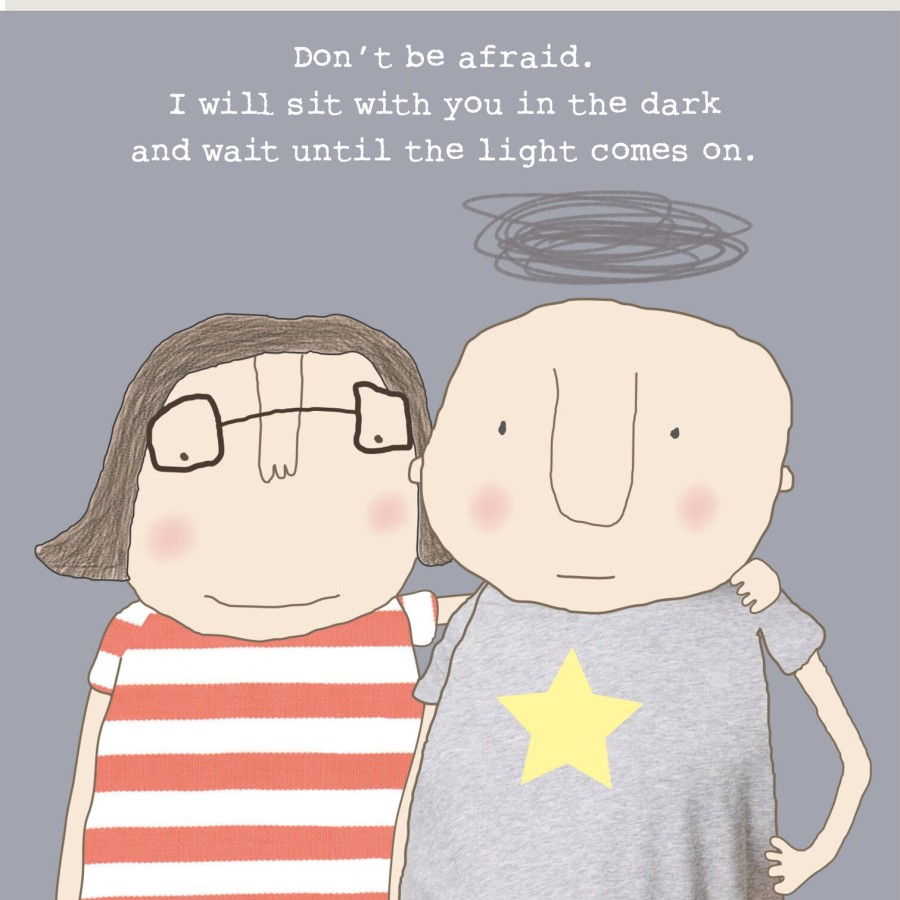
Obviously if you have severe depression, it’s good to visit a GP to try to get some help (alas budgets means you are more likely to be sent to cognitive behaviour therapists who will ask you to draw circles on a clipboard, and decide what ‘number’ you are on the scale of depression).
CBT may be good for phobias, but it’s usually not good for searing depression, when you want to leave this world. What does help is ‘proper therapy’ but these days it’s usually private, and that can cost a fortune (around £40 an hour, and it has to be weekly, or you won’t be accepted normally).
So if you’re in a really bad way, what can help in emergency situations is talking to someone. Of course, the best-known help is Samaritans (open 24 hours a day, and you don’t have to be suicidal to call).
All calls are free from landlines and pay-as-you-go mobiles. The number (116 123) does not appear on caller display, nor your phone bill.
There are also over 200 branches staffed by volunteers, and if not an emergency, you can email or write to them, for a reply within a week or so. All information is confidential, and the only time they will contact someone is say you told them who you were, and you were about to step in front of a train.
The charity was founded in 1953 by vicar Chad Varah, who oversaw the funeral of a 14-year old girl. She had taken her life because she had started to menstruate (and due to lack of education, thought she had contracted a sexually-transmitted disease). He later said:
Little girl, I didn’t know you. But you have changed the rest of my life for good’.
Samaritans led to a worldwide family of suicide prevention charities, including:
- SOS Silence of Suicide (a confidential free helpline on 0808 115 1505) that’s open 8pm until midnight (or 4pm until midnight at weekends). Co-founded by a woman who experienced poor mental health and suicide loss and barrister Michael Mansfield KC (who lost a daughter to suicide).
- Its free training course OPEN Conversations helps to educate and empower those who struggle, and courses for burnout and chronic pain are soon to be offered, along with nationwide mobile mental well-being hubs.
- Shout offers 24/7 free confidential text support (85258), for people who don’t like talking on the phone, or need support late at night or in busy shared spaces. You receive four automated messages, then are connected to a trained volunteer, to chat for up to an hour, until you are in a ‘safe place’.
- Suicide Prevention Helpline again offers anonymous support (0800 587 0800). Volunteers help people talk and consider their next steps.
- CALM targets the stigma around suicide (especially men) and offers a free helpline (0800 58 58 58) from 5pm to midnight, plus webchat.
I’m Okay is a suicide prevention app that sends up to 3 messages a day to check you’re okay. If within 15 minutes you don’t reply, it alerts one of your five emergency contacts. A similar worldwide app is Grassroots Suicide Prevention (download to your phone).
Specialist Helplines for Depression
Often depression is not due to ‘something wrong with your brain’, but due to specific circumstances. These helplines offer trained listeners:
- Cruse offers a free helpline for bereavement. For animal companions, Blue Cross again offers free phone support from trained volunteers.
- PAPYRUS HOPELINEUK (for people under 35) offers a helpline from 9am to midnight, and weekends/bank holidays (2pm to midnight).
- Switchboard is for LGBT people who struggle with depression.
- Gordon Moody helps people with gambling addiction.
- Farming Community Network can help with tenancy and financial issues, plus free food for livestock in cases of debt, drought or flood.
- Combat Stress offers help for veterans with post-traumatic-stress.
- Vetlife helps vet surgeons and nurses (many see animal abuse – 70% of vets have lost a colleague to suicide).
The Proud History of Chaplaincy Teams
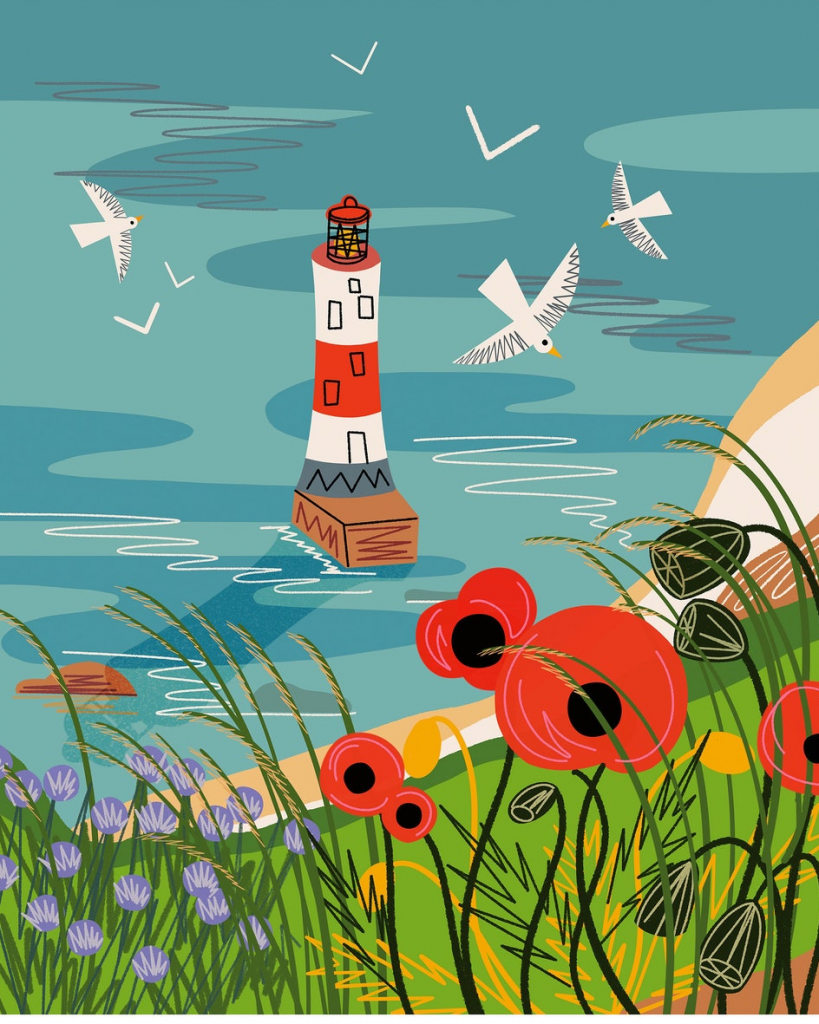
Chaplaincy teams may be more known for helping ‘drunk young ladies’ get home after a night out, but these volunteers (from local churches) also often offer first aid. And skilled listeners to people who are feeling suicidal (often installing emergency phone boxes near train stations etc).
The best-known team is at Beachy Head Lighthouse (Sussex), where skilled listeners take shifts to help anyone considering ending it all, at the nearby cliffs (one of England’s most notorious suicide spots).
If it weren’t for the chaplaincy team at Beachy Head, my wife would now be a widow. Thank you for being there are my lowest.