Make the most of your freezer (simple affordable swaps)
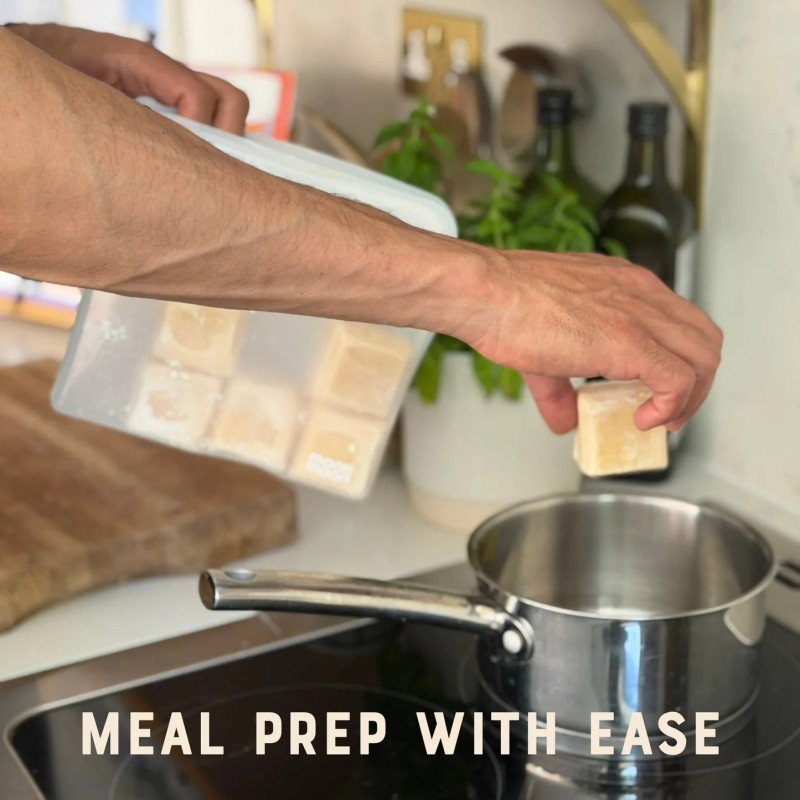
If you own a freezer, you have a device that help you flash-freeze fresh food and save a fortune on cooking bills. There are lots of ways to make use of your freezer. Let’s discover a few!
Avoid plastic-backed freezers/fridges
Make sure that you get rid of plastic-backed freezers (and fridges). The campaign to ban them began after the Grenfell Tower fire, thought to have occured due to an accidental fault that then ignitred. Although no longer produced, it’s important to avoid them second-hand.
- Before cooking, read up on food safety for people and pets.
- Before recycling cans, rinse then remove lids (pop ring-pulls over holes). Then step on upper cans to ‘pinch’ inner rims together, to avoid wildlife getting trapped.
- Unless you have a food waste bin, bin pepper and allium scraps (onion, leeks, garlic, shallots, chives) and citrus/tomato/rhubarb scraps, as acids could harm compost creatures.
Moonmoon silicone ice cube trays (giant-size!)
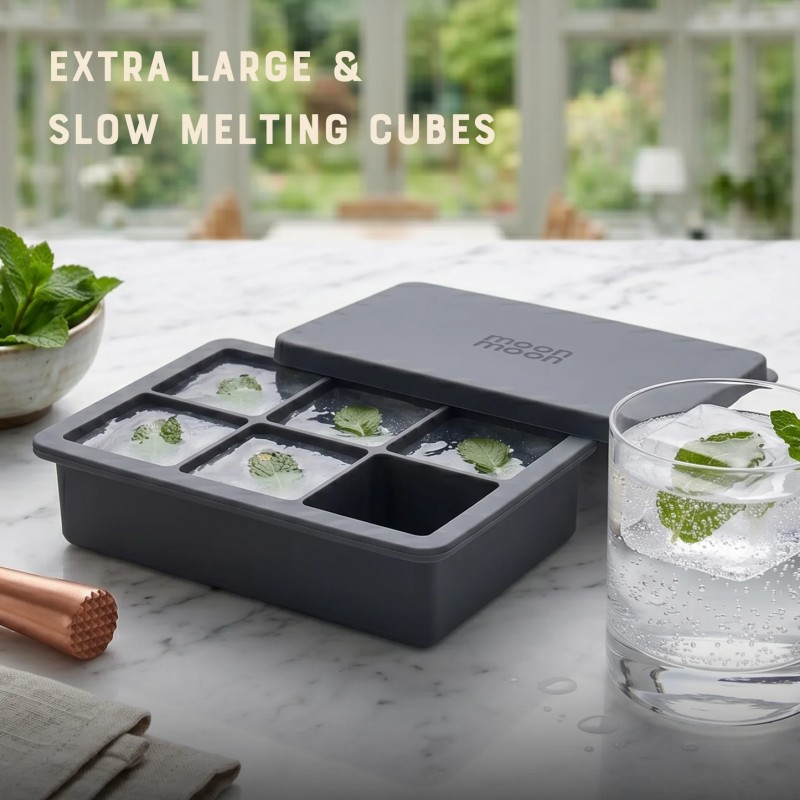
Moonmoon silicone ice cube trays are flexible unlike rigid plastic ice trays, so there is no hammering on the counter needed to release the giant ice cubes.
Just twist the tray, or push the bottom of each ice cube compartment. They also save water as if you only want two cubes, you won’t accidentally release three more into the sink.
Use code NATURALLY10 for 10% off orders.
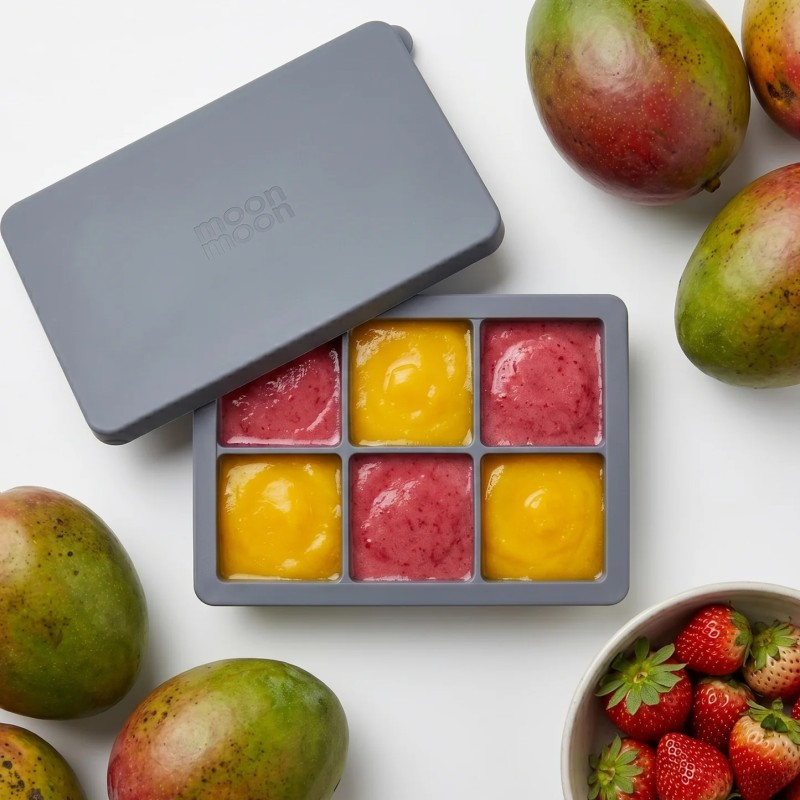
You can also use them for other purposes:
- Freezing fruit-infused water cubes
- Making cubes for iced coffee
- Preparing frozen juice cubes
- Creating flavoured ice for parties
- Freezing herbs with olive oil for cooking
- Making small frozen desserts
How to clean silicone ice cube trays
Silicone is very easy to clean, due to its smoothe texture. Just clean by hand with warm water and mild dish soap and rinse. As silicone is less likely to crack, your ice cube tray should last longer.
At end of use, just send it back for recycling!
PACK’D (organic frozen produce in paper packs)
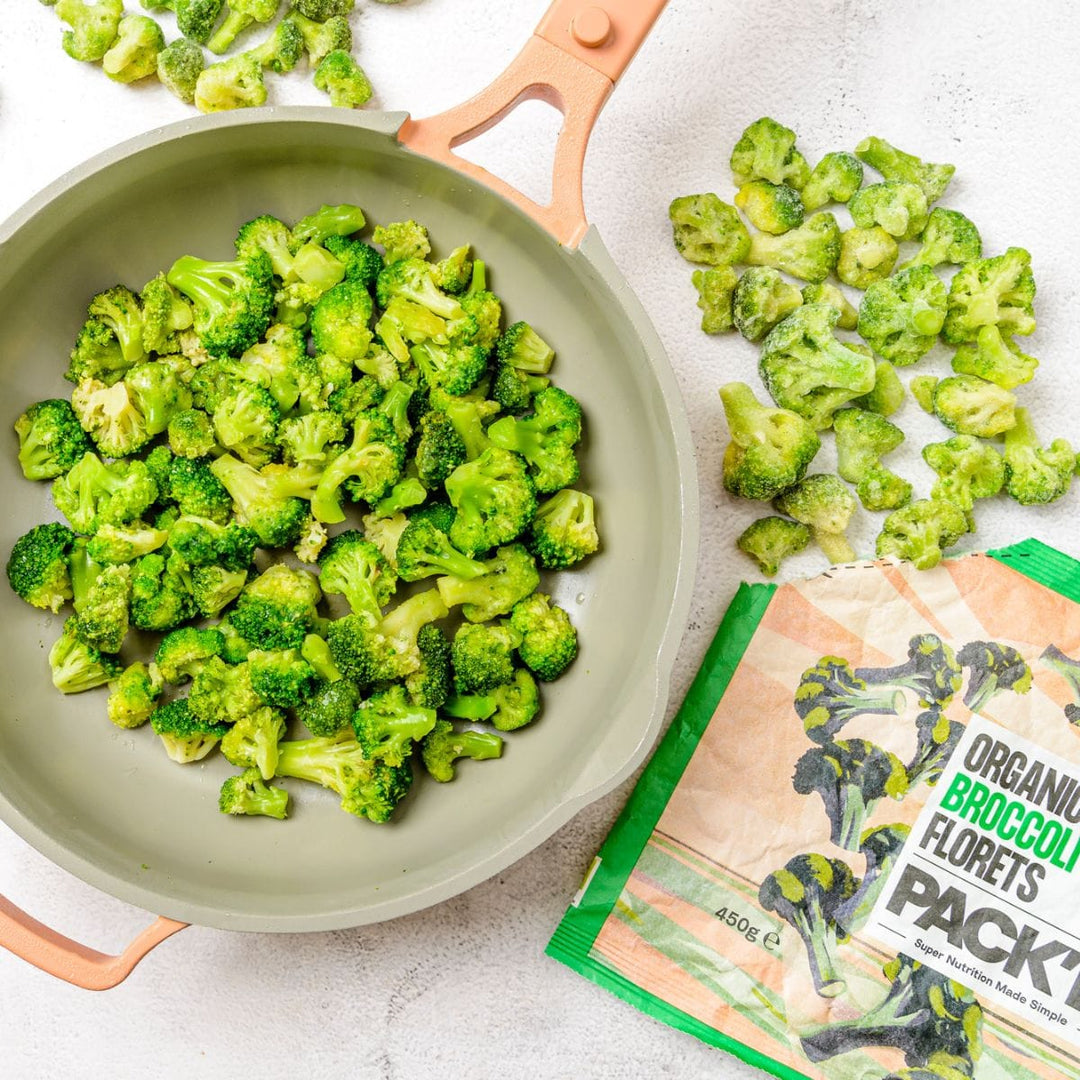
PACK’D organic frozen produce in paper packs is a simple choice that brings together great taste, good nutrition, and more sustainable packaging.
Choosing organic produce means you can enjoy food that is grown with care for both people and the environment. Organic farming methods can also support healthier soil and protect biodiversity.
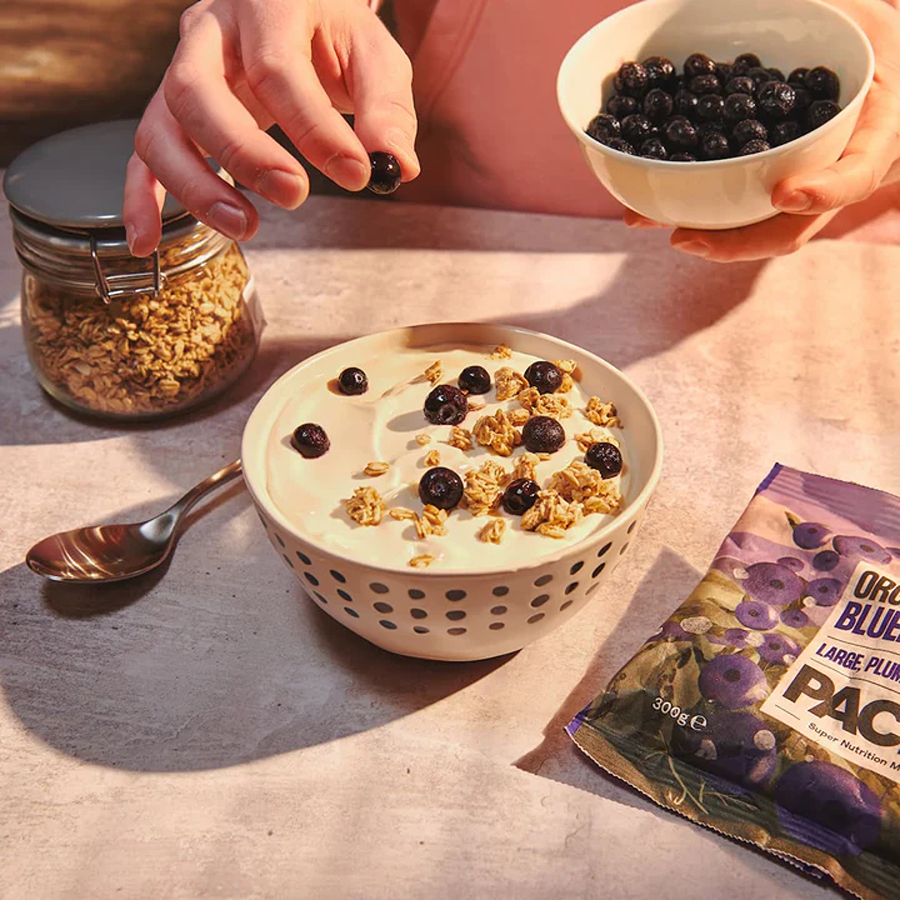
Whether you are making smoothies, preparing family meals, or adding extra vegetables to your dishes, frozen organic produce provides a quick and convenient option without compromising on quality.
By reducing the amount of food that gets thrown away, frozen produce can help lower the environmental impact linked to wasted food. Less waste means fewer resources are lost during growing, harvesting, and transportation.
Silicone SouperCubes (freeze leftover soup)
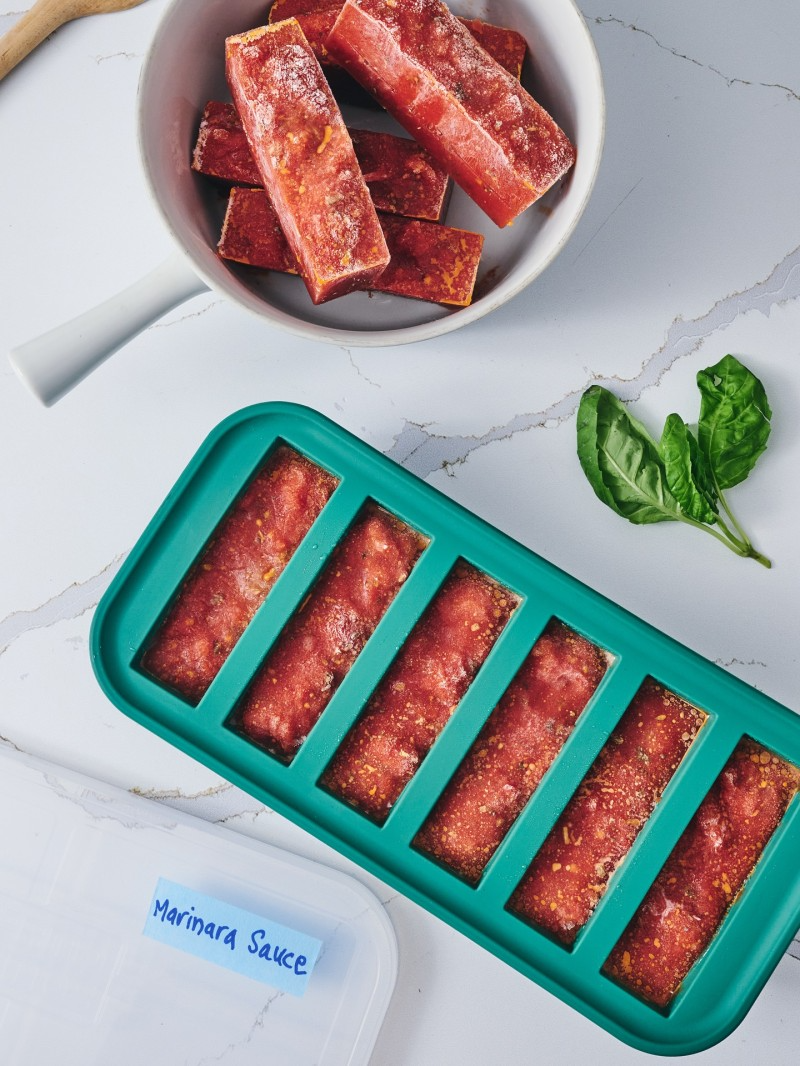
If you often make homemade soup, you probably end up with leftovers. Instead of letting extra soup sit in the fridge until it goes bad, freezing it is a smart way to save both food and money. Frozen soup can be ready whenever you need a quick lunch or dinner, making meal planning much easier.
One of the best tools for freezing soup is SouperCubes. These reusable containers are specially designed to freeze soups, stews, sauces, broths, and other liquids in convenient portions. They are simple to use, easy to clean, and help keep your freezer organized.
Freeze the right portion each time
One of the biggest benefits of SouperCubes is portion control. Instead of freezing one large container of soup, you can divide it into smaller servings before freezing.
This makes it easy to grab exactly what you need. If you are eating alone, you can thaw a single serving. If you are cooking for your family, you can thaw several portions at once. There is no need to defrost an entire batch just to enjoy one bowl.
SouperCubes come with secure lids that help prevent soup from spilling while it freezes. Although it is still best to keep the trays level until the soup is frozen solid, the lids help protect your food and keep your freezer cleaner.
To use, just let your soup cool, pour into compartments, place the lid on top, and freeze. The flexible silicone material makes it easy to remove the frozen soup once it has hardened. You simply push from the bottom, and the frozen portion pops out without much effort.
Great for more than just soup
Even though SouperCubes are famous for freezing soup, they can be used for many other foods.
Some popular uses include:
- Pasta sauce
- Tomato sauce
- Homemade veggie broth
- Chili
- Stew
- Curry
- Smoothies
- Baby food
- Mashed potatoes
- Cooked beans
- Rice
- Casseroles
Join the Move to Minus 15 Campaign

Did you know that one small change to your freezer could help save energy, reduce costs, and lower environmental impact? That is the idea behind the Move to Minus 15 Freeze campaign.
Many people believe that colder is always better when it comes to freezers. However, research shows that keeping frozen food at -15°C instead of lower temperatures can still keep food safe while using less energy. This simple adjustment could make a big difference if adopted by homes, supermarkets, restaurants, and food manufacturers around the world.
For decades, -18°C has been the standard freezer temperature in many countries. This standard was created many years ago when freezer technology was very different from what we have today. Modern freezers are more efficient, and researchers are exploring whether a slightly warmer setting can deliver the same level of food safety while reducing energy use.
Keep food fresh and safe
One of the biggest concerns is whether food will still stay safe at -15°C.
Frozen food remains frozen at this temperature, which helps slow the growth of bacteria and reduces the activity of enzymes that cause food to spoil. This means many frozen foods can continue to maintain their quality for long periods when stored correctly.
It is still important to freeze food properly, package it well, and avoid repeatedly thawing and refreezing it. Good freezer habits remain just as important as the temperature setting.