Ideas to Bring Fresh Clean Water to Everyone

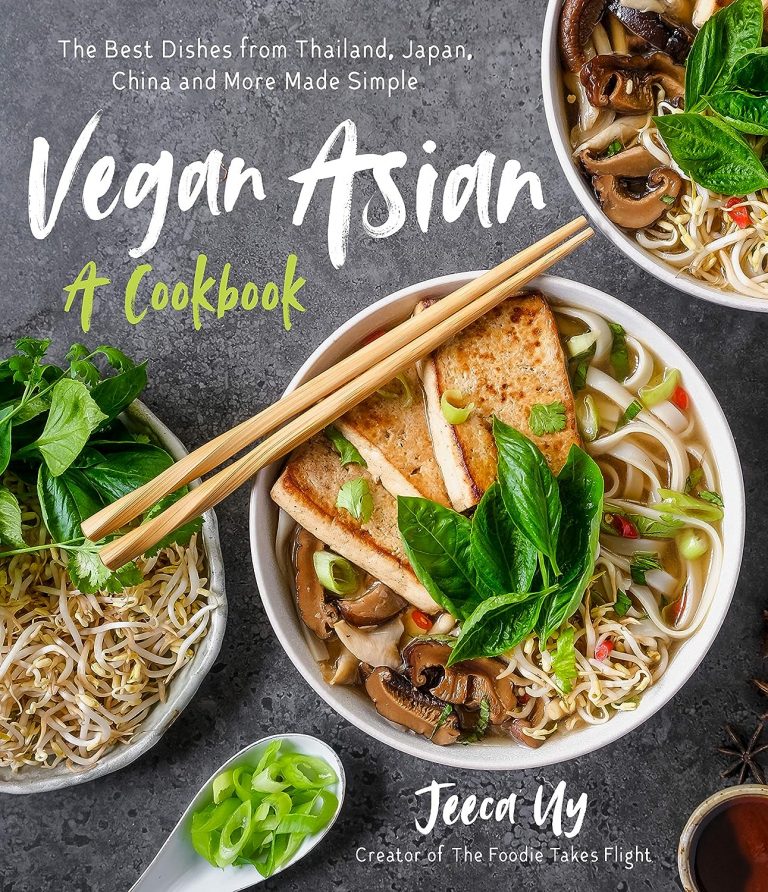
The Last Drop is an important book. looking at solve the lack of fresh water (most is held up in glaciers, and the rest is often polluted). An environmental journalist meets experts, victims, activists and pioneers to show how we can solve the water crisis, to ensure that everyone on earth (along with our animal friends) have access to fresh clean water.
In South Africa, more than 30,000 people in the agricultural sector have lost their jobs, because there’s no water to irrigate the crops.
Some farmers are cutting the buds off orchard trees because if there’s fruit and no water, it could damage them irreparably. And people from outside Cape Town are donating food for livestock, because there’s a shortage of fodder.
Tim Smedley is an award-winning environmental journalist who has written for many top newspapers. His book Clearing the Air (about the global effects of air pollution) was shortlisted for the Royal Society Science Book Prize. Air pollution kills 19,000 people each day worldwide (more combined than car accidents, malaria, TB and HIV/AIDS).
Ways to Help Provide Clean Water Abroad

Millions of people still drink dirty water every day, which leads to sickness and keeps communities from growing. Simple changes can make a lasting difference.
- Deep wells pull clean water from far below the ground. Hand pumps or solar-powered pumps make it easy to bring water to the surface. They also protect water from germs, dirt, and animal waste. Local training helps families fix and care for the pumps, so water keeps flowing year after year.
- Hipporoller is a simple invention that lets women and children wheel water from wells, rather than walk for miles carrying heavy buckets on their heads (which leads to headaches and weak bones). It’s also quicker, meaning children spend more time in school.
- Portable ceramic or sand filters block out bacteria and dirt. Small filters fit right on a jug or bucket, while larger ones can clean water for a school or whole village.
- Lifestraw is a personal water filter that needs no electricity, and purifies unsafe water. Some people say this should not be used to ‘make people drink dirty water’, but it’s quick and affordable to save lives, while people wait for others to build wells.
- Rainwater harvesting can capture rain through tanks, gutters and simple pipes, to make the most of each downpour. Stored rainwater helps during dry months, and basic filters or boiling can make it safe to drink. Natural springs can provide clean water, with proper covers.
- Piped water systems can carry water over hills or long distances. Taps in the village save time and effort. No need to walk for hours each day just to collect water.
- Clean toilets stop germs from spreading. Buy toilet paper from Who Gives a Crap? (made from recycled paper, 50% of profits help bring clean sanitation to communities abroad).
ONE Water (profits fund clean water projects)
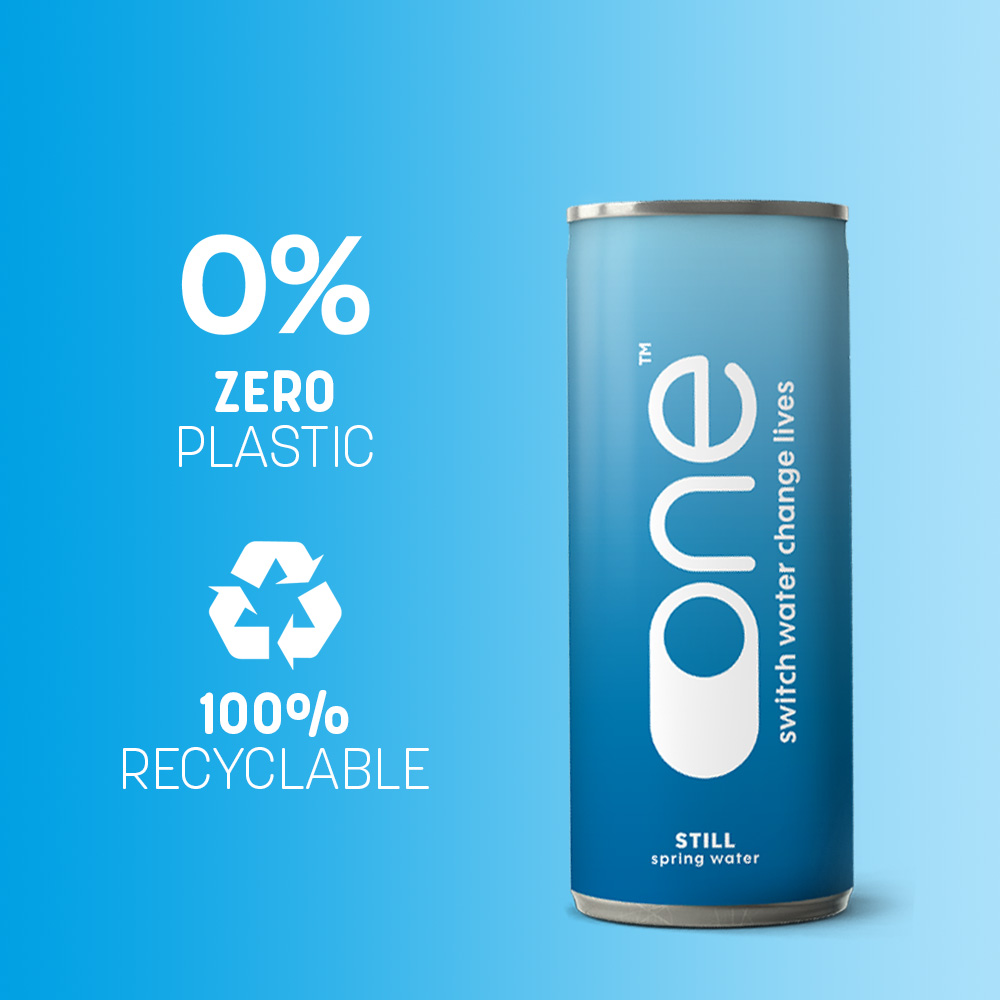
Although it’s safe in England to drink tap water, many people choose to buy bottled or canned water brands. Yet access to clean drinking water is not a reality for everyone.
Despite water being (along with air) one of our essentials, millions of people worldwide lack access to clean safe water, and 3 million people die each year from waterborne diseases (most are children under 5 years old).
One Water, a canned water brand (still or sparkling), set out to change that with a simple, heart-warming idea: use the profits to fund clean water projects. Sold in Co-op and many other shops nationwide.
Always pop ring-pulls back over cans, to stop wildlife getting trapped. Never give sparkling water to pets, it could cause bloat.
Buying a can of One Water does more than quench thirst. Each bottle sold funds programs that bring clean and safe water to people in need.
These projects include building wells, fixing local water pumps and setting up water tanks in villages where drinking water is hard to find.
In 2003 (on the same day that Saddam Hussain was found hiding in a bunker) the founder of One Water had just returned from 2 years travelling around the world (which included a spate without safe clean water thanks to Hurricane Mitch in Honduras).
He opened the newspaper to find a photograph of a young girl in Nairobi. She was sitting next to a tap – that was padlocked.
So far his foundation has raised over £30 million, helping to bring clean safe water to over 5 million people.
Monies raised from buying One Water mostly focus on work in 4 countries:
- Ghana
- Malawi
- Kenya
- Rwanda
Projects helped so far include a whole village receiving clean safe water in Malawi (where almost half the country has no access to clean water and 25% of people have no access to clean toilets).