Lend and Tend (connect with local garden owners)
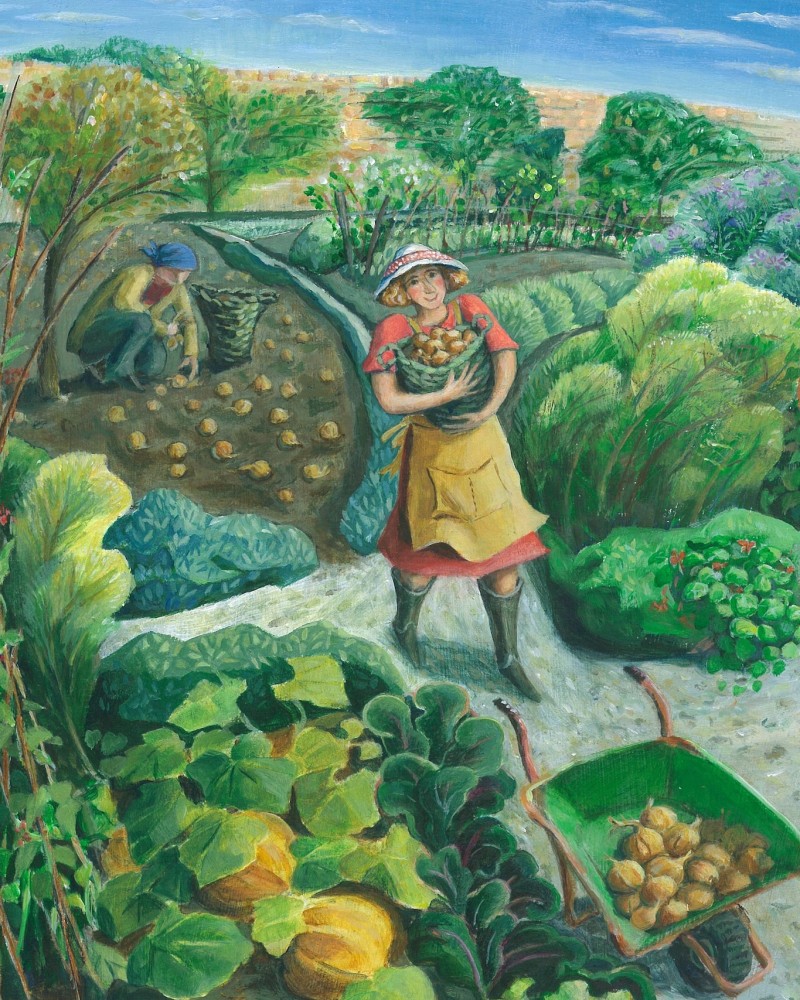
Many people would love to grow food or flowers, but don’t have gardens. And many people have outdoor space (gardens, yards) but don’t want to garden, or are unable (due to time, disability, age etc). So a great idea is to connect. And share the bounties of whoever is gardening.
Lend & Tend is one of the most popular garden sharing platforms, helping hundreds of growers and garden owners connect. There is an annual low-cost fee (or free for some people on low incomes), then sign up to get matched (it’s a bit like a dating agency, but for gardens, not people!) And 50% of profits help environmental causes. What a great idea!
If you share your home with animal friends, learn about pet-friendly gardens (many plants and mulches are unsafe near animal friends). And use nontoxic humane slug and snail deterrents.
Avoid netting and read tips for wildlife-friendly gardens. Also how to create safe havens for garden birds and stop birds flying into windows.
Bin allium scraps (onion, leeks, garlic, shallots, chives) and citrus/tomato/rhubarb scraps, as acids could harm compost creatures. It’s okay to put them in food waste bins (made into biogas).
Rules for garden-sharing
Obviously (like any kind of ‘dating agency’) there are safety rules built in. You should only meet with others or follow safety caveats, and you can have a trial first, to see how things go.
- It’s the property owner’s responsibility to ensure the garden is safe (no glass or any other litter, also read up on garden water safety). Read above for info on ensuring only pet-friendly plants are used if the owners or gardeners have animal friends, and make an agreement on which percentage of produce is shared and how.
- Ensure any tools are safe. Garden shears are better than strimmers (to protect wildlife), but always ensure any electrical items are safe and use an RCD device to prevent electric shocks.
- Ensure your garden is free from hazards like chemicals (lock away or take to hazardous waste – don’t pour them drains), cover drain holes and ensure gardens are secure visiting dogs, and clear up any poo beforehand).
Some examples to inspire
Here are edited examples on the site, just to give an example of the kind of variety available. Note that often the property owner may be able-bodied, but just not have experience or green fingers to take over sometimes challenging gardens, so ideal for people who have the experience, but not the land:
A garden that was overgrown – the weeds and rubbish have been cleared, and the owner wants someone to create a pet-friendly and wildlife-friendly garden, with perhaps vegetables in raised beds. There is also a fruit tree to boot!
Someone who would like a gardener to grow produce, so she can make (and share) homemade jams and chutneys. She has the cooking skills, she just needs someone with the gardening skills to make the ingredients!
A garden that has fallen into disrepair, the property owner found out it used to be a market garden, and would like to return it to its former glory of growing organic produce (it obviously has good soil, or else it would not have sold produce years ago!) This garden includes a hazelnut tree, so could attract hungry (and winter-hibernating dormice). It even has running water built in.
AllotMe is similar, an alternative to waiting for months (or sometimes years) for an allotment plot. As well as sharing private gardens, you can also register if you have spare unused outdoor space (say you run an office with an unused garden, that perhaps could be used by volunteers at weekends, when nobody is around.
This land could be used to create urban growing plots, providing free or low-cost organic food to local people. Or again to share with office workers. Same with hotels or any other unused outdoor areas.