The Happiness Index (putting people before GDP)
In England, our MPs are absolutely obsessed (obsessed!) with economic growth. Which all modern environmental economists say is no longer feasible. You can’t ‘fix the economy’ by making trash to throw away, as our planet is running out of space.
But these two words don’t guarantee a better life. Growth comes from building more hospitals and prison (sickness and crime), cleaning up oil spills and chopping down forests to make toilet roll.
Many prefer The Happiness Index, an alternative to GDP that rips up the rule book and places emphasis on quality of life, the planet, animal welfare, public health, mental health, walkable communities, zero waste and world peace.
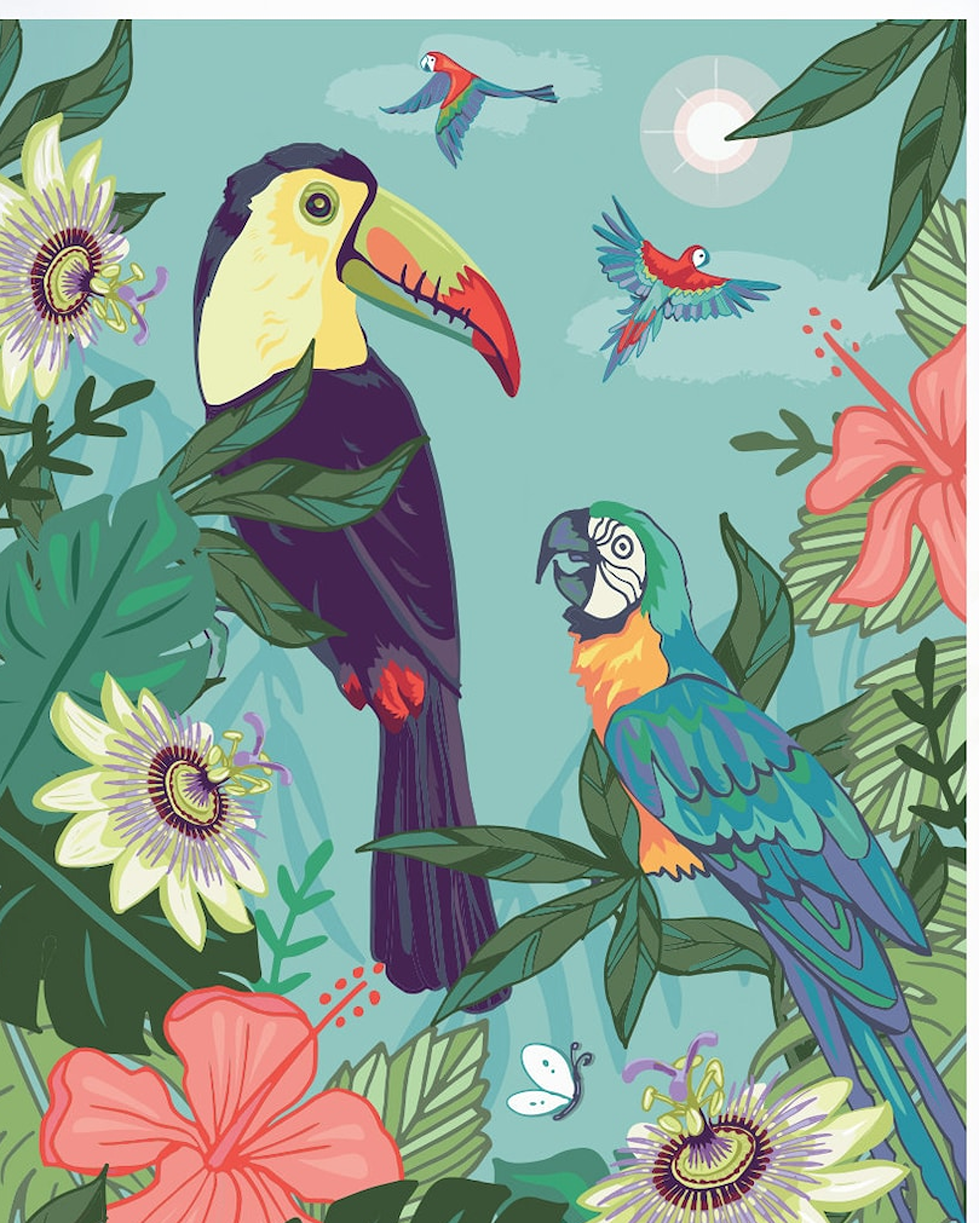
When you look at GDP charts, the UK and USA are near the top. But on The Happiness Index, both countries slide down the ladder, being replaced by many other countries (including New Zealand and most of Scandinavia). Top of the list is beautiful Costa Rica, one of South America’s smallest countries, and home to gorgeous rainforest and happy toucans!
Canadian Economist Mark Anielski famously helped to bring about Alberta’s Happiness Index, which is based on quality of life and environmental stewardship, instead of just relying on monetary values. Instead of relying just on bank balances, happiness indexes take into consideration:
- Physical and mental health
- Life/balance (quality of life)
- Nature and environment
- Animal welfare
- Peace and wellbeing
What is the Happiness Index?
With GDP, everything is about money. A country that chops down trees to make toilet paper, has crime to fund prison officers and sickness to fund nurses. Is all seen as good. Even oil spill clean-ups generate GDP income.
Instead, a country ranked with Happiness Index includes:
- Income: Money helps up to a point. It covers rent, food, and safety. Beyond that point, extra income has a smaller effect on daily mood and life satisfaction.
- Health: A routine GP visit without long waits can change a person’s week. But walkable communities, good local organic food and mental health from nice parks, prevents a lot of medical needs.
- Social support: Someone to call in a crisis matters. In Nordic countries, strong family ties and public services create a reliable safety net.
- Freedom to make life choices: People feel happier when they can pick their job path, move house, or start a business without heavy barriers. ‘Happy countries’ tend to not be religious.
- Generosity: Helping a neighbour, giving time, or donating improves well-being. Giving creates a sense of purpose that money alone can’t buy.
- Low corruption: Trust in fair rules reduces stress. When people believe the system works, they plan for the future with confidence.
Here’s a good example:
Vatican City is one of the world’s smallest countries, home to the Roman Catholic church. Yet Finland is not a very religious country at all. An experiment worldwide ‘left money-filled wallets’ around various places, to see who handed them in, and who took the money.
Finns turned out by far to be the most honest, each person handing in the wallet they found. And you guessed it! In Vatican City (full of religious peeps), the wallets full of money were never seen again!
Why happiness beats economic growth
Countries fixated by GDP tend to have people working longer hours and getting sicker and more exhausted, with poor mental health. Often to pay for houses that rise too high in price. Look at how Trump is obsessed with money, and what it’s doing to the USA.
Even England is going this way – people are overworked and stressed out. Most people are in debt. And spend their free time obsessed with rich celebrities or royalty, and either gamble or play the lottery (still gambling) and are entertained by money-focused quiz shows. But nobody is happier.
Alternative ways of living include:
- Universal basic income: People are protected financially to do what they want: whether that’s working, being a carer, volunteering, raising a family or working part-time.
- Green spaces investment: Trees, local parks, and safe walking routes
- Life-work balance: Reasonable hours, flexible schedules, and real holidays
- Community ties: Support libraries, sports clubs, and local arts.