Saving Wildlife from Afar: Endangered Species Abroad
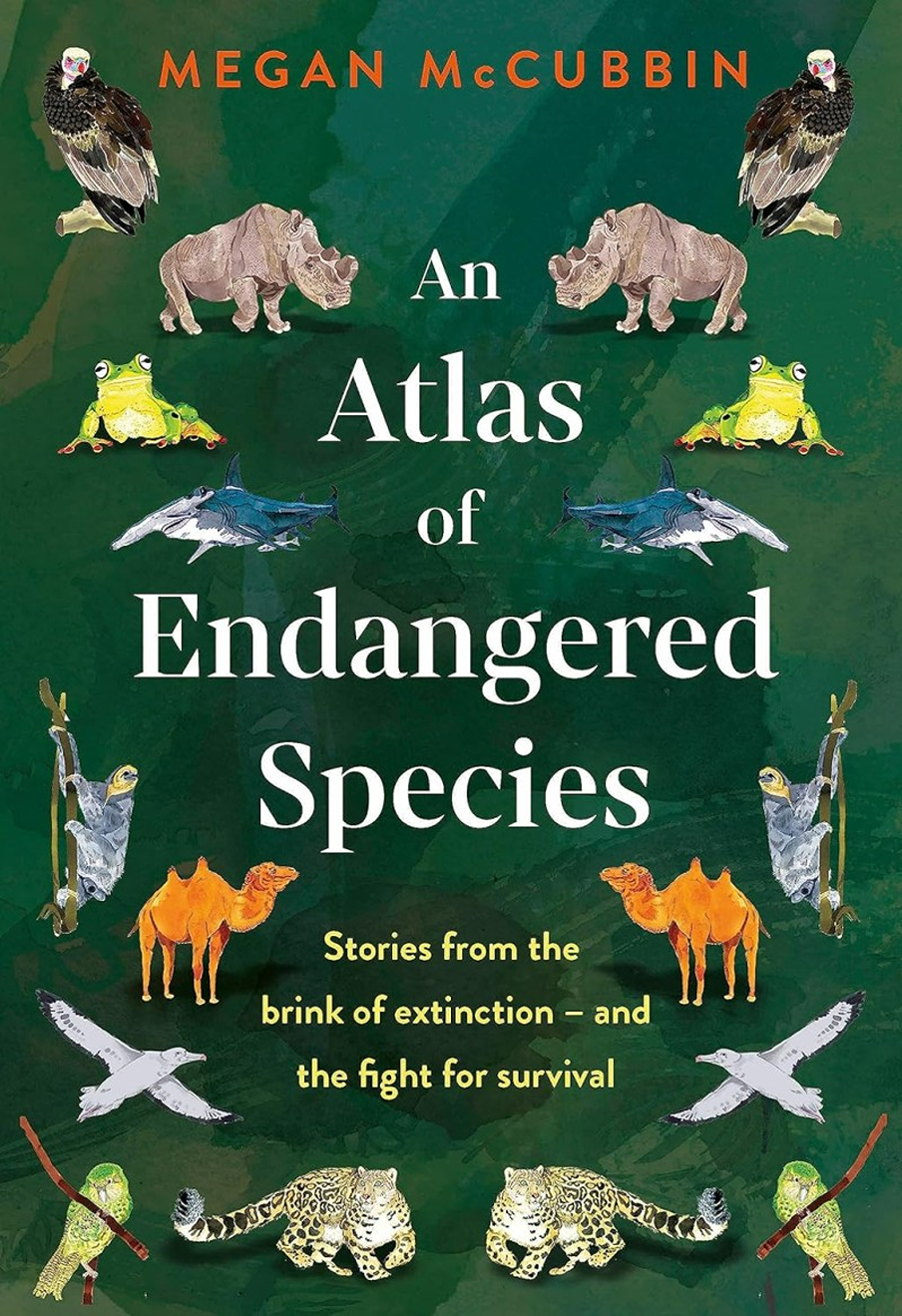
An Atlas of Endangered Species is a beautifully illustrated guide to the diversity of life on earth, in a world where a species goes extinct every 3 hours. This book shows how species are adapting: Sharks can navigate using electromagnetic fields, sloths use algae as camouflage, albatross can fly for hours without beating their wings and orca pods have unique cultures and languages.
But our incredible world is at risk. In this book, Megan (a zoologist and step-daughter of wildlife campaigner Chris Packham) reveals the stories of scientists, rangers and conservationists who are fighting to save these extraordinary creatures from extinction, and how we all have a part to play.
Also read how to save endangered species in England.
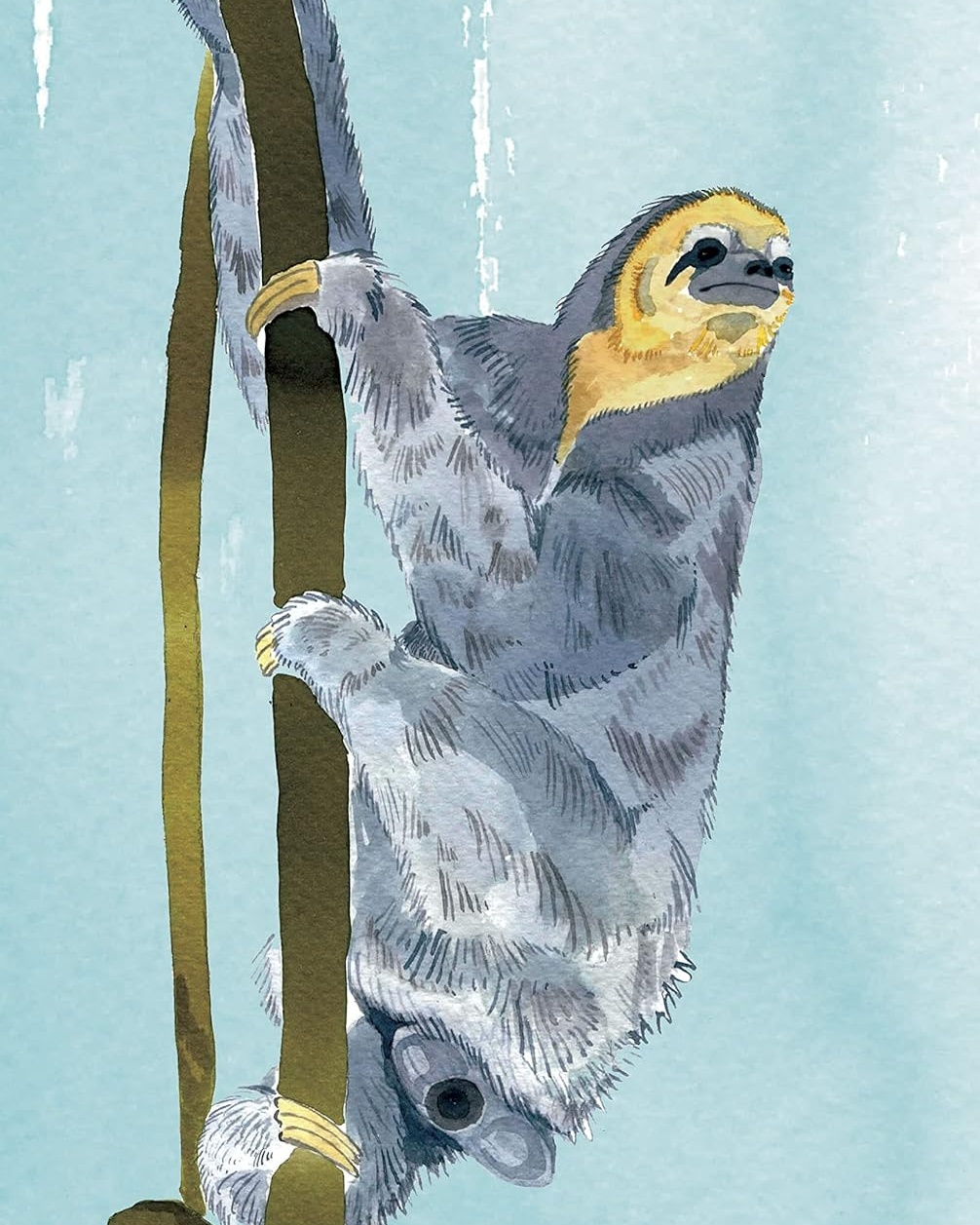
The book begins with some sobering facts, but also hopeful stories about creatures that had been declared extinct, that are now thriving, thanks to conservation efforts worldwide.
The book features 19 animals from rhinos to elephants, and also one endangered species closer to home. Plus there is a chapter on our orange furry cousins: orangutans:
Orangutans are the victims of years of environmental destruction and illegal human activity. Illegal hunters shoot a mother high up in the tree, and wait for her and her baby to come crashing to the ground.
They then prise the youngster from the mother’s warm, bloodied fingers to be shipped across the world to sit in a cage for the remainder of its life (40 years). The other threat is habitat destruction for palm oil (sold in 50% of products in supermarkets).
Megan McCubbin is a qualified zoologist who is often featured presenting wildlife programs on TV, including BBC Springwatch and Autumnwatch. She often presents alongside her step-father Chris Packham.
This is a lovely book, well-written and beautifully illustrated. And I’m delighted to see that it’s been written by one of the generation of new young naturalists that are helping to change our perception and appreciation of the natural world. Iolo Williams
What are the world’s most endangered species?
The soala is the world’s rarest mammal.
IUCN Red List says there are 44,000 threatened species (around a third of all creatures on earth), ranging from slightly concerned to extinct. At time of writing (2025), the world’s most endangered creatures are:
- Kakapo (NZ bird, due to hunting)
- Pangolins (wildlife crime)
- Aye-ayes (habitat loss & superstition)
- Purple frogs (loss of habitat in India)
- Numbat (Aussie marsupial, loss of habitat)
- Rhinos (poaching)
- Orangutans (palm oil)
Support Born Free Foundation (not zoos)
Born Free says conservation is best done in the wild, not in zoos that entertain, rather than educate. Temperatures are wrong (too cold for elephants in London, too hot for polar bears). Many develop medical problems and there is high infant mortality for polar bears, lameness in elephants and mental health issues for apes.
In the wild, polar bears have around 1 million times more space, and apes swing from tree to tree. 83% of the British public wish a ban on keeping large animals in zoos.
Submit reports to Born Free about animal concerns for zoos (or circuses abroad) and for animals used in the media. Take photos and videos if you can.
And if abroad, contact the local police and tour operator. Also look up your local animal shelter before you travel, so you can report that too.
Simple things to help save endangered species
- Live a simple sustainable life (this prevents forests being cleared, hedgerows removed, wetlands drained)
- Keep your carbon footprint low (this prevents heatwaves, warmer seas)
- Don’t pollute (prevents plastics, pesticides, garden chemicals, litter, fertiliser run-off)
- Don’t support illegal wildlife trade (refuse dodgy souvenirs, coral, ivory, ‘traditional remedies’)
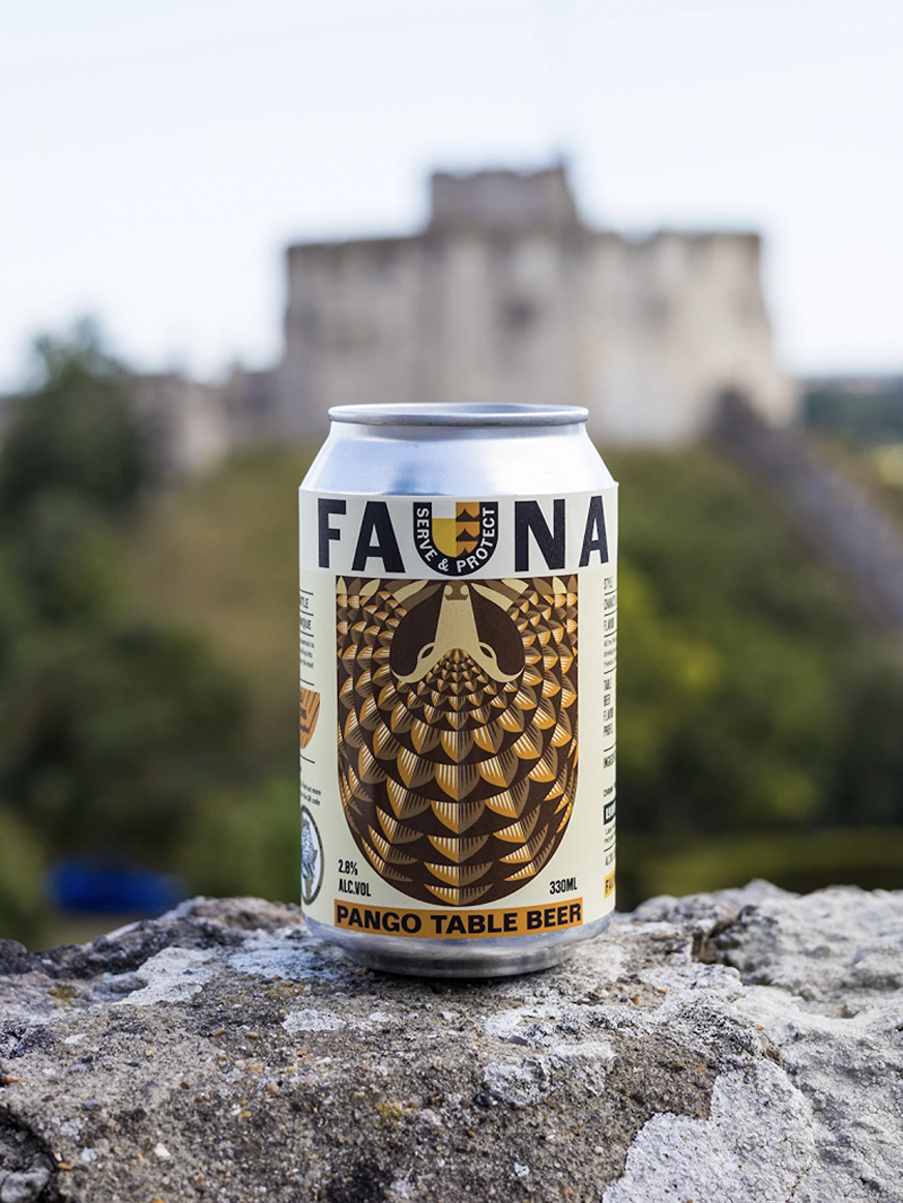
Fauna Brewing (beers to help save endangered species)
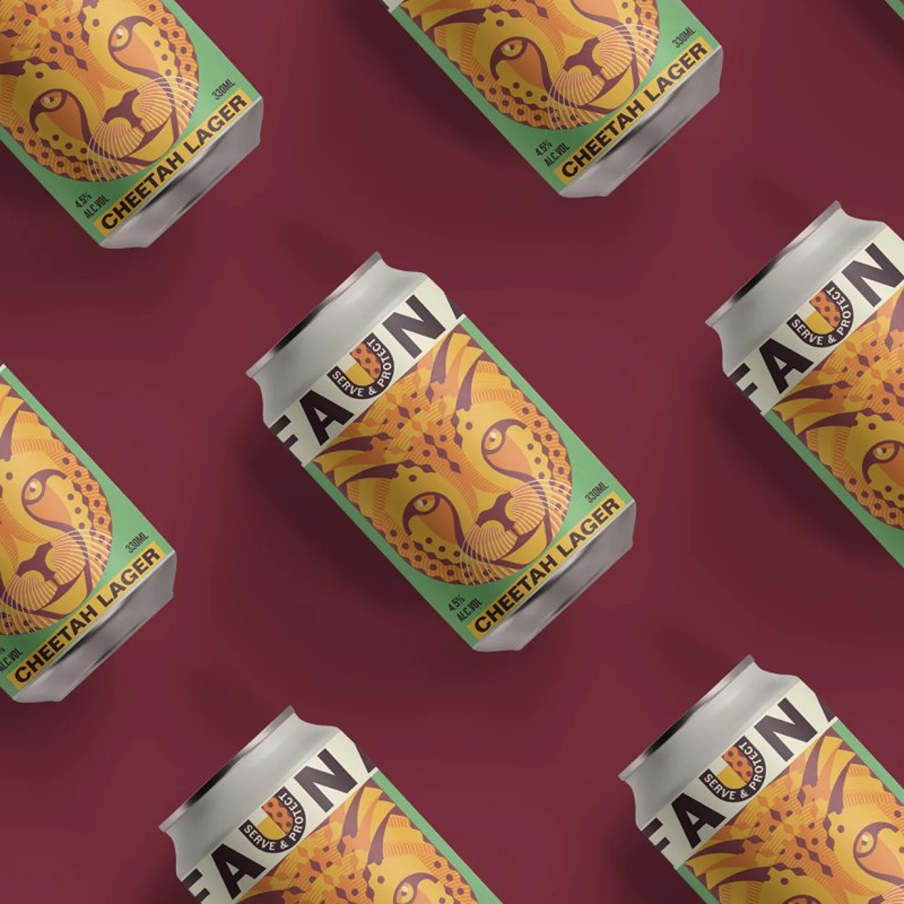
Fauna Brewing is a brand that was founded by a man who after a trip to Botswana, wished to create a beer that gives back, to charities that help endangered species. Based in Arundel (West Sussex), it has helped to raise over £60,000 to help threatened creatures across the world.
Before recycling cans, rinse then remove lids (pop ring-pulls over holes). Then step on cans to ‘pinch’ inner rims together, to avoid wildlife getting trapped.
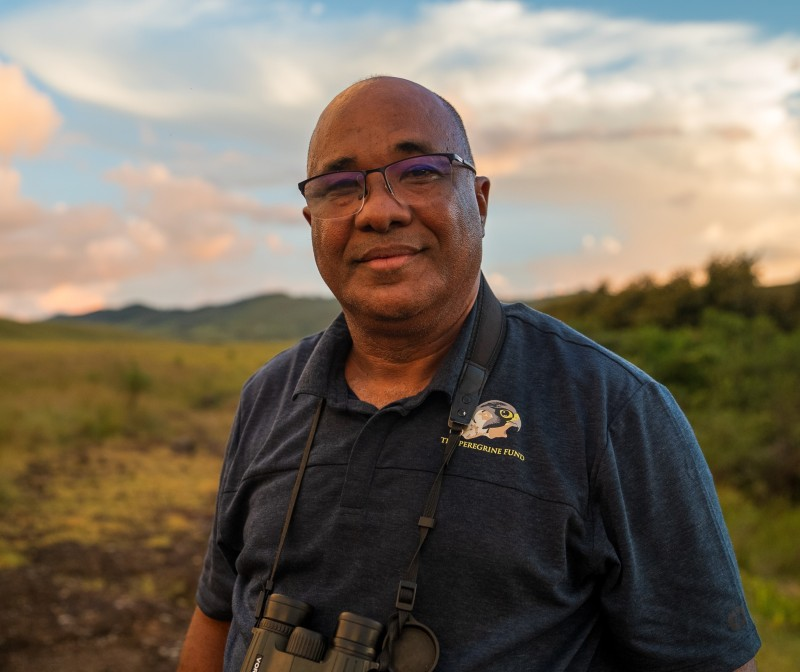
Instead of focusing on awful images and upsetting stories (which undercover investigators heroically do), it’s better to focus on good news stories for the general public, to inspire to prevent wildlife crime. And in 2025, Dr Lily-Arison René de Roland (what a great name!) won the world’s top animal conservation award. So let’s meet him, and find out what he did to win!
Following in the giant footsteps of Jane Goodall, René is Madagascar’s director of The Peregrine Fund, a U.S.-based non-profit. He started out studying local raptors, and now has mentored over 100 students and a team of almost 50 conservationists.
He led his team in rediscovering a rare pochard duck (believed to have been extinct) and also has helped to discover two new species of lemur. Along with a small songbird, that had not been observed in the wild for over 20 years. He’s even had a newly discovered ‘wolf spider’ after him!
Not just about finding new species, he is protecting their habitats. He helped to create four nationally protected areas of rainforests, dry forests, wetlands, mangroves and savannas, covering over 1500 square miles.
Madagascar’s Conservation Model
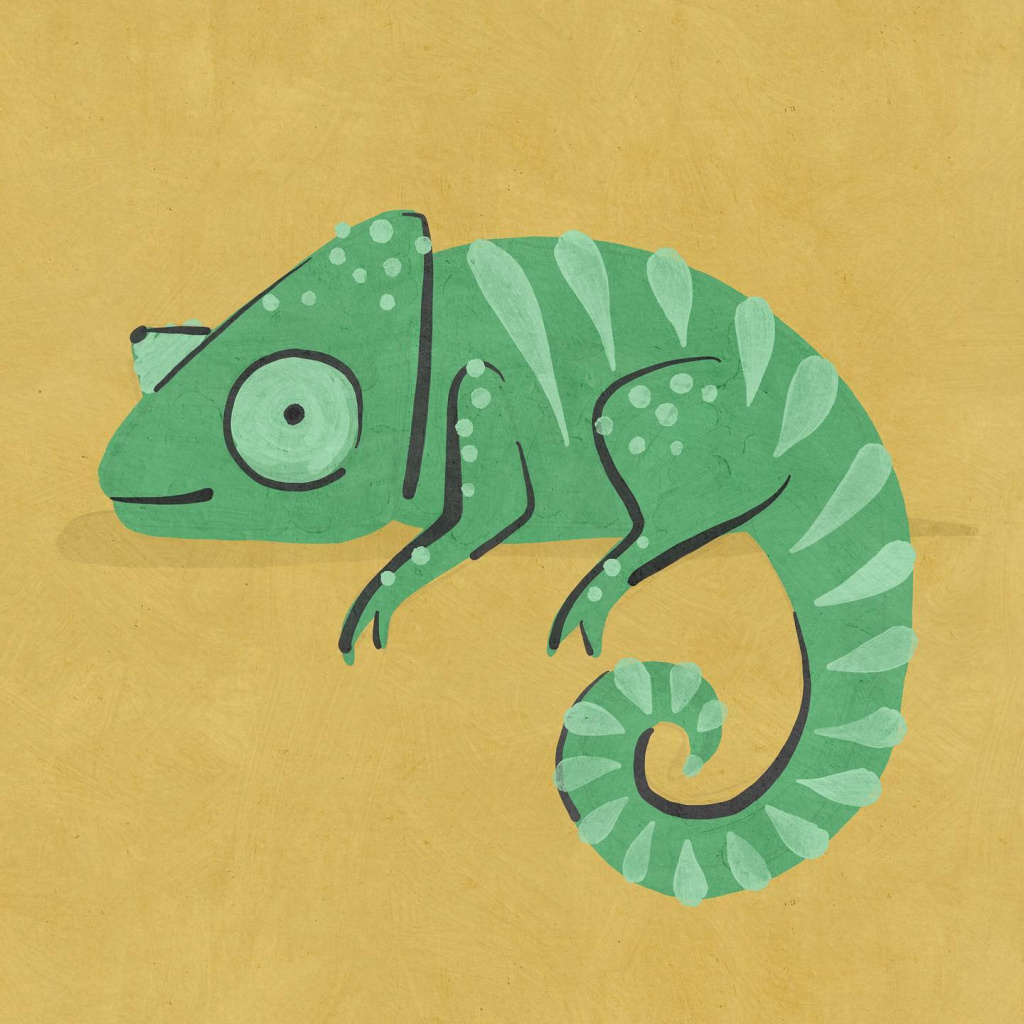
Madagascar (the fourth largest island on earth) is one of the most fascinating places on earth for wildlife. 90% of all creatures are found nowhere on earth, so it pays that the locals want to keep their wildlife. People here literally revere their wildlife (unlike in England, where planners don’t take into account the needs of newts, hedgehogs or beavers).
Community groups in Madagascar have taken action, to drop deforestation by half, and this has ended with sacred forests remaining intact. It’s illegal to fish in lakes that are home to endangered fish or marine creatures.
Lesson for England from Madagascar
Our rare mammals, birds and insects need connected landscapes. Wildlife corridors, hedgerows and rivers need to be maintained, so that creatures like endangered hedgehogs can travel from hedge to hedge at night, to find food and shelter. The lack of natural spaces is why so many end up on our roads, and get killed. ‘Hedge’ hog – the clue’s in the name.
Another lesson that Madagascar can teach is that ecotourism is big business, and does far more good than slamming bored species in zoos, for children to go gawp at. There are few conservation benefits to zoos ((endangered species are being saved in wild habitats by excellent organisations).
What’s far better is to encourage wonder for wild spaces. The Conservation Volunteers run weekend volunteering expeditions, you can save nature and wildlife, make new friends and learn new skills – tea and biscuits included!
Did you know that vanilla is the world’s favourite food flavour? The best type is from Madagascar. Never use ‘fake vanilla’, even if it’s cheaper. Not only does it taste vile, but often is made from a secretion from beavers (the same that’s used in some perfumes – castoreum).
Like chocolate, vanilla is highly toxic to pets, so keep them away from any recipes containing it (same with the sweetener xylitol).
Fauna Brewing is a vegan beer brand with a difference, in that each can helps various endangered species charities.
Before recycling cans, rinse then pop ring-pulls over holes. Step on upper cans to ‘pinch’ inner rims together, to stop wildlife getting trapped.
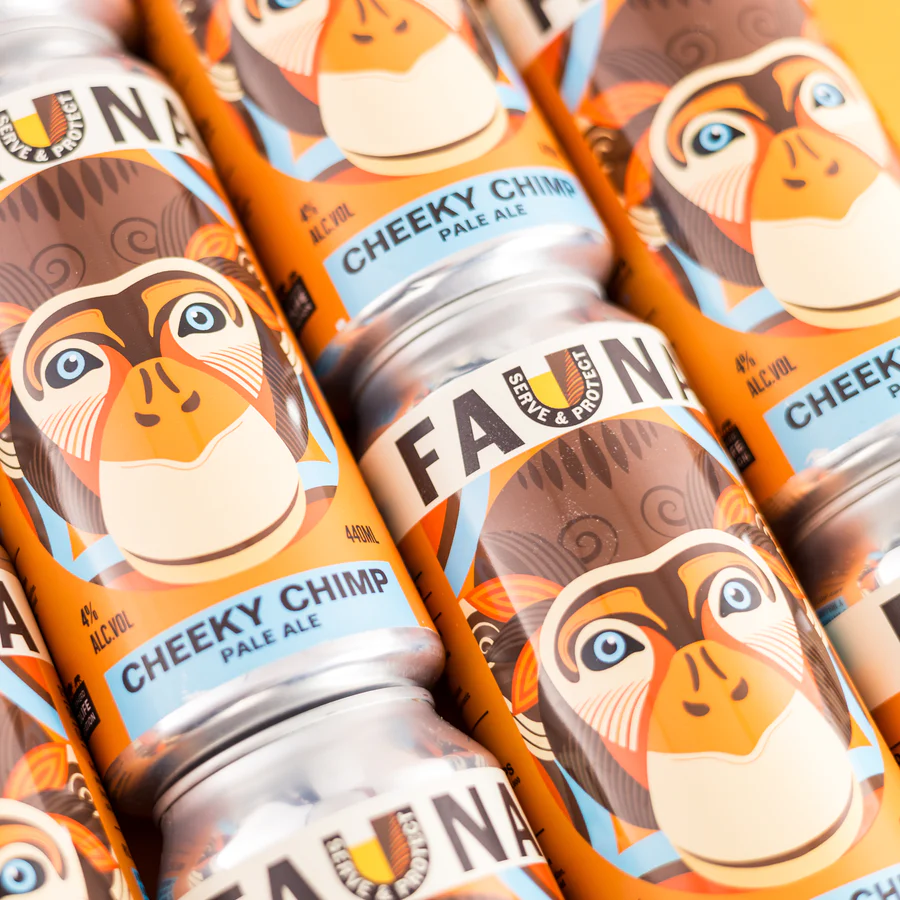
The range includes:
- Tidal haze pale ale
- Cheetah lager
- Pango table beer (low alcohol)
- Wild dog IPA (helps African painted dogs)
- Chimp pale ale
- Bushy tail (helps wild squirrels)
- Meadow maker (helps native habitats)
- Portering about (a coffee/caramel stout)