Stand tall for giraffes (what we can do from England)
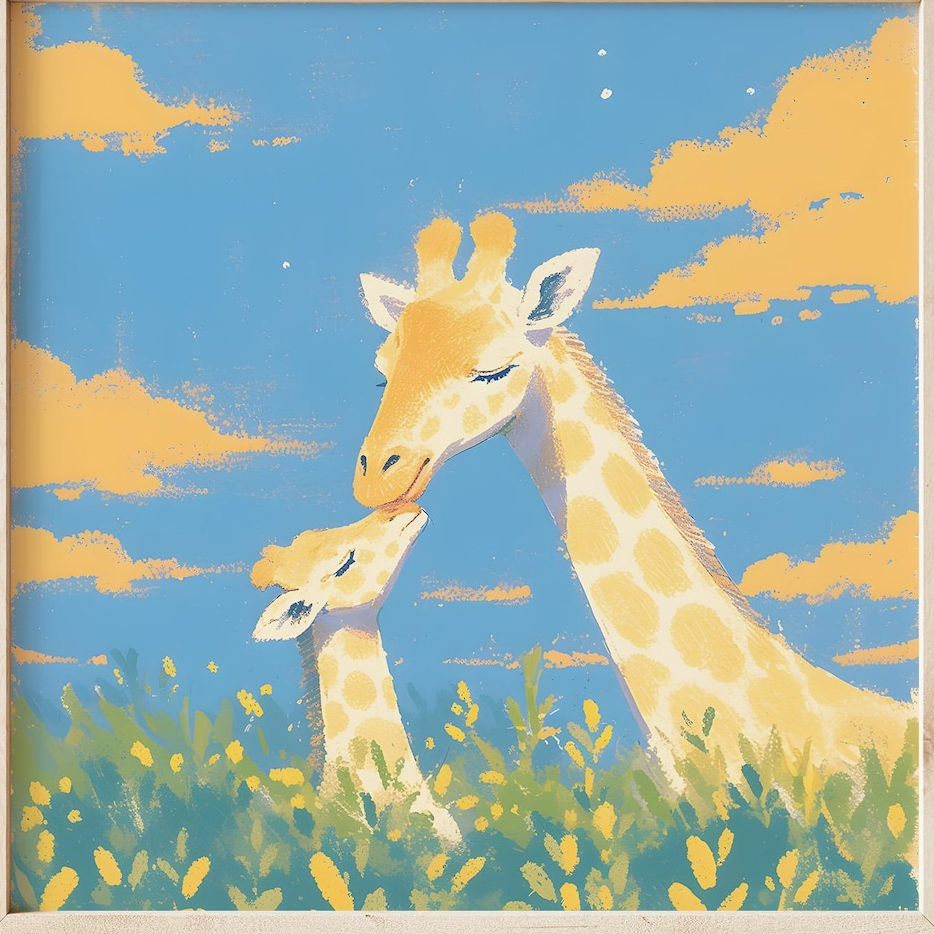
Giraffes are the tallest animals on earth, and live in Africa where they can run over 55km an hour. They live on over 100 different leaves and twigs (plus grass and fruit) in open woodland, wooded grassland, shrublands and savannahs. They live up to 25 years, in herds of three to ten giraffes.
Born Free and Freedom for Animals campaign to save giraffes in their natural habitats and climate. Habitats have been lost to mining, quarrying and fossil fuels) plus legal/illegal hunting, snares and paradoxically zoos (boredom can lead to premature death).
Born Free funds a team that patrol and remove snares from wild giraffe habitats and prevent wildfires.
If concerned about any captive animal, report to Born Free’s Red Flag Alert (also tell the local police and tour operator). Their team can investigate.
Avoid zoos (conservation can be done elsewhere)
Giraffe Conservation Foundation and Save the Giraffes are working to save wild giraffes in natural habitats. Numbers of wild giraffes have fallen over 40% in 30 years. There are now less than 100,000 giraffes left in the wild.
Female giraffes form long-term relationships with other females, yet most UK zoos only hold one or two giraffes (some only a single female).
Wild giraffes spend a third of their day walking, and lack of space in zoos can lead to overgrown hooves and stereotypical pacing . Kate on Conservation
Support ecotourism to help giraffes abroad
Choose safaris and wildlife trips that hire local guides and protect wild habitats.
Never stay at hotels that let you touch or feed wild giraffes.
Ban giraffe trophy hunting
Some giraffes are still hunted for skin, meat, and bones. Sign petitions and write to MPs to ask them to pass laws to ban trophy hunting.
In 2025, US customs officers found over 100 giraffe body parts brought from African hunting trips. The Bill to stop trophy hunting imports to the UK is being stalled in the House of Lords.