Who Cares About Wales? A case for why it matters
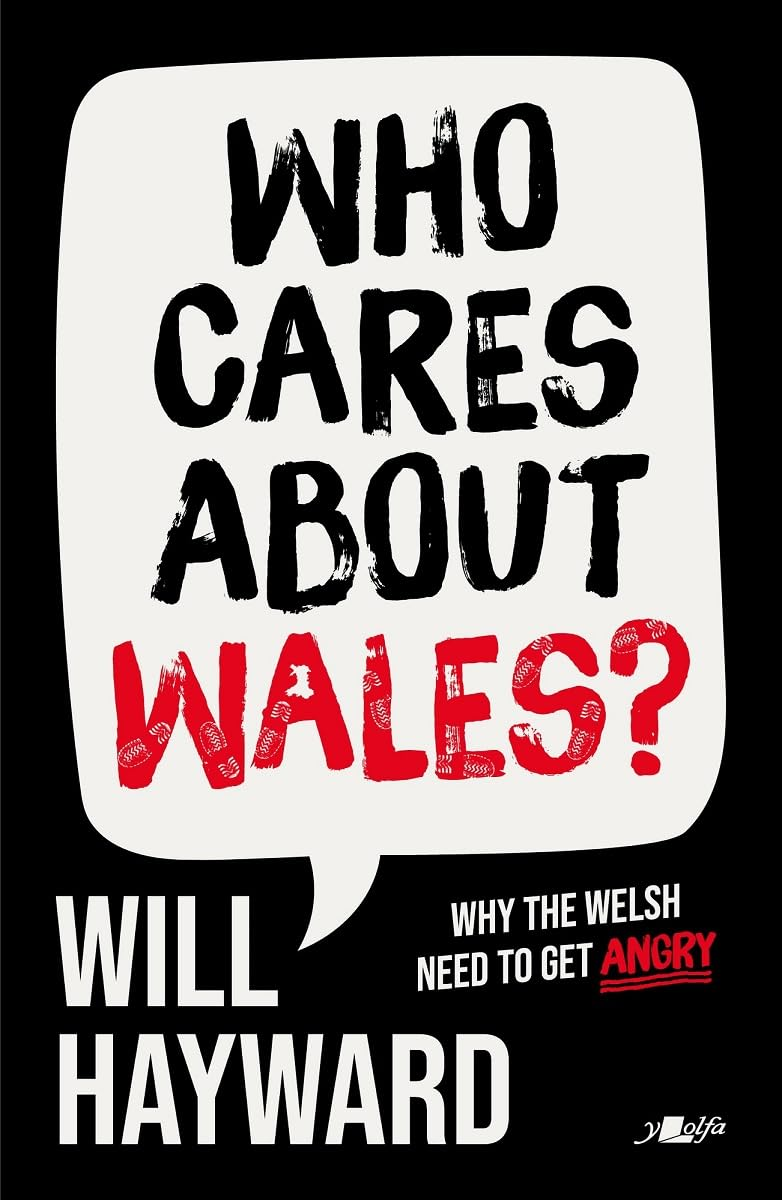
Who Cares About Wales? is a really interesting readable book about how Wales (with just 3 million or so people compared to 58 million people in England) often gets short-changed politically. This is not a book about Welsh independence, more about how this beautifully country is simply not appreciated or treated as well, even in comparison to Scotland.
As an example, he talks about the role of the Prince of Wales. While King Charles III (while holding the title) did attempt to learn a bit of Welsh – when his mother the Queen died, Prince William took on the role.
Yet not only has no attempt been made to learn Welsh, but he publicly told the English football team during a major tournament that ‘the whole country is behind you’. Despite Wales having its own proud football team.
The author says this would never happen to upset the Scots, so why is acceptable for the Welsh?
Wales has high rates of child poverty. Yet desite 70% of recipients having jobs, both the Tories and Reform UK would reinstate the two child benefit cap, plunging many children back into poverty.
There are lots of ways that Wales is not treated well by national government. It the UK’s highest rates of long-term limiting illness, and way less electrified railways compared to Scotland and southeast England.
By the end, you’ll be aware just how in-baked’ prejudice is against Wales, from central Westminster. Worth reading!
Fewer than half of the people in Wales even bother to vote in our elections. If we want Wales to work, we need to do more. The greatest block to making Wales prosperous isn’t our substandard politicians, it is the apathy of our people and how disengaged they are from the nation they love.
There is a reason why Scotland so often gets a much better deal than Wales – they are always willing to cause a fuss.
Will Hayward has been called Wales’ best journalist, and the winner of many political writing awards. He also lectures on journalism in Cardiff, and writes on subjects like poverty, politics and domestic abuse. He recently became one of a handful of journalists who were banned from the Reform UK (‘free speech’) conference. Two years in a row!
More than mountains and rugby
When people think about Wales, they may immediately picture Snowdonia, rugged coastlines, rugby stadiums or traditional Welsh songs. These images have helped create a strong international identity for the country, but they can also create an incomplete picture.
There is also a fascinating contrast between rural and urban Wales. The experiences of someone living in a rural Welsh-speaking community can be very different from those of someone living in Cardiff, Swansea or Newport. Yet both are part of the broader Welsh story.
A history that deserves attention
For centuries, Wales experienced political, economic and cultural change in its relationship with England. Welsh princes resisted English expansion, while later political developments brought Wales increasingly into the English state and, eventually, the United Kingdom.
The legacy of these changes can still be seen today. Questions about national identity, political representation and cultural independence are partly rooted in this long history.
Welsh history is also a story of ordinary communities. Families built lives around agriculture, industry, religion, education and local traditions. These experiences shaped the character of the country just as much as major political events did.
The importance of the Welsh language
Welsh is one of Europe’s oldest living languages and remains an important part of national culture. For many people, it represents far more than words and communication. It connects generations with their history, literature, music and communities.
The survival of Welsh is particularly significant because smaller languages around the world face pressure from larger and more dominant languages. The story of Welsh demonstrates both the challenges and possibilities involved in protecting linguistic heritage.
Today, Welsh can be seen and heard in schools, public services, broadcasting, literature, music and everyday life. For some communities, it remains the language of home and family.
What does devolution mean for Wales?
Devolution has given Wales its own national legislature and greater responsibility for important areas of public policy. This has changed the way Wales is governed and has encouraged new discussions about the country’s future. Plaid Cymru recently became the governing party, a pretty green left-leaning bunch.
People in Wales hold a wide range of political views. Some support greater autonomy, while others are comfortable with Wales remaining part of the United Kingdom.
What matters is that Wales has its own political conversation. Understanding that conversation is essential for anyone who wants to understand the modern UK.
Some of its main policies are:
- Independence for Wales (long-term aim)
- Stronger action on climate change and biodiversity
- Reducing NHS waiting times and improved access
- Tackling child poverty
- Raise education standards
- Safe affordable housing
- A Wales Wealth Fund to benefit from its own resources
- Protecting the Welsh language
- Devolving justice and policing to Wales
Most political parties under-deliver, so we shall have to wait and see. So far after a few months in office, it has secured multi-year funding for farmers and approved free school meals. And announced plans for a North-South coach service to improve connections between different parts of Wales.
Watch this space!