
Designing Out Crime (how town planners make safe places)
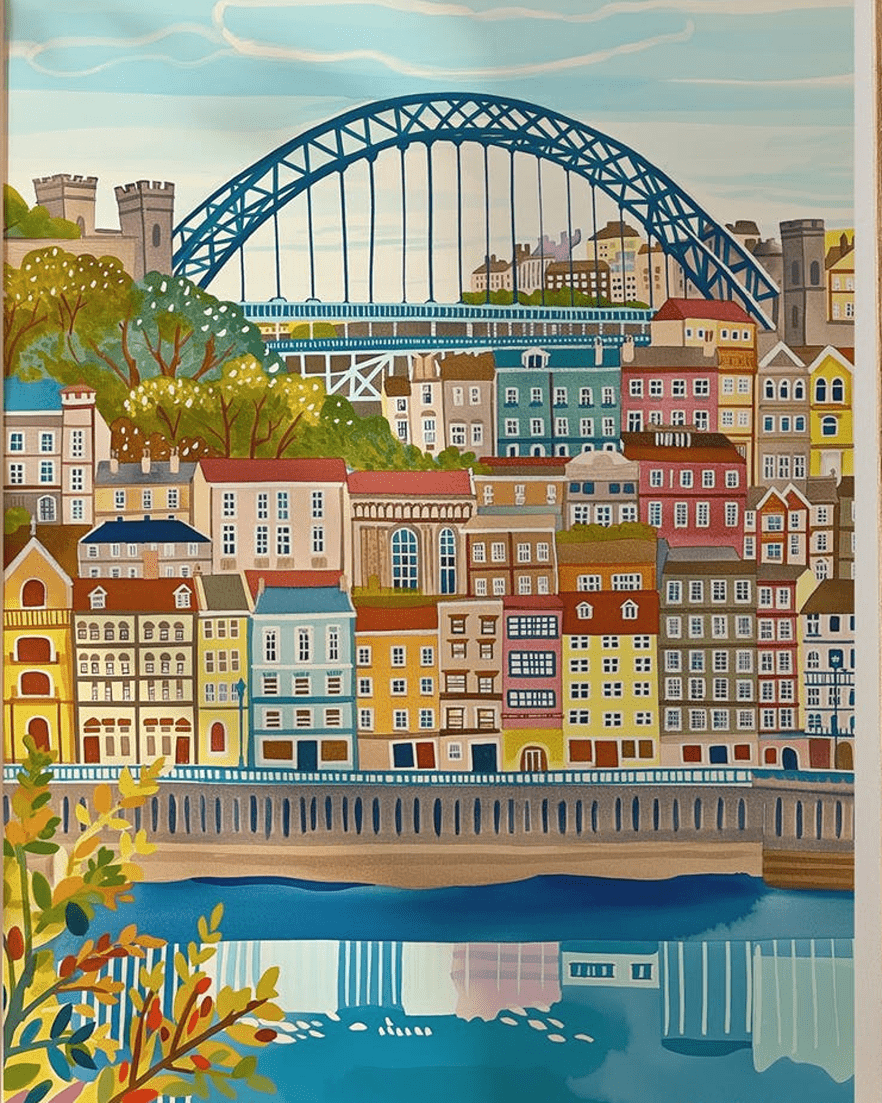
Of course, initiatives like Neighbourhood Watch Schemes (with burglary prevention advice) is all for the good. But one thing that would massively help is if town planners make good use of designing out crime officers, specially trained people in the police, who have expertise on how to make places safer.
Secured by Design is a website that offers tips for town planners and communities, and there are plenty of free downloadable books and courses. Why are these not being made use of?
The evidence show that such communities have up to 87% less burglaries and 25% less anti-social and overall crime. This not only keeps places safer and nicer to live, but increases tourism income, and also saves councils (and the police) heaps of money.
Such officers are used routinely abroad including in The Netherlands, Poland, Chile, United Arab Emirates, Australia, South Korea and several US states.
In Nottingham city centre, designing out crime officers installed Secured by Design recommended doors and windows. And burglaries dropped by around 75%.
A birthday book for town planners
Designing Out Crime is the ultimate manual to designing safe communities. As a hefty textbook, it costs around £70. But this peanuts if it creates safe communities that would cost hundreds of thousands of pounds less to police.
It speaks to crime prevention officers and offers tips on ‘environmental criminology’, plus has plenty of case studies to inspire. For anyone who wishes to prevent crime and anti-social behaviour in their communities.
Examples of designing out crime:
Although some advice suggests trimming tree canopies, it’s important to do this alongside expert advice to protect owls, bats and other creatures that fly near roads.
If using motion lights, turn these off when not in use, and use blinds/curtains and desk lamps, to help stop birds flying into glass windows.
- Restrict public access to rear gardens with locked gates.
- Use standard grid-layout streets over complex cul-de-scas.
- Avoid building rear-access alleys behind long rows of houses.
- Ensure shared parking courts are gated and visible from windows.
- Introduced mixed land use – residential blocks with street-level eateries and small commercial spaces.
- Position playgrounds and pocket parks where they are overlooked by surrounding windows.
- Encourage foot traffic to crowd out drug activity
- Instantly repair broken windows, clear fly-tipping and paint over graffiti. Neglected spaces signal areas are unmonitored, so more likely to attract crime.
- Install tamper-proof public benches and bins, to prevent vandalism. Some silly councils with bins set on fire just get rid of the bins (increasing littering) rather than installing fire-proof bins.
- Use solar-powered bus tops and shelters, that light up when people are waiting for public transport.
- Restrict chaotic pedestrian cut-throughs, that give escape routes to fleeing offenders.
Which areas in England have least crime?
Unsurprisingly, the Isles of Scilly is England’s safest place, as there are few people and most of them are either walking on the beach, sailing or painting!
England’s smallest county of Rutland is also classed as very safe, and Harrogate is the safest large town. This is a well-laid out town with plenty of green spaces, and most buildings face public areas. It’s kind of a town that naturally follows designing-out-crime rules, without even trying!
Of course the highest crime areas are the big cities – London and Manchester etc. They all do employ designing out crime officers, showing that it’s just one cog in a wheel of crime prevention measures.
In summary, the idea of designing out crime is ‘natural surveillance’, where people dealing drugs or commiting anti-social behaviour or burgling houses all stop, because they would be watched by someone – either on the street or from windows.
A well-supervised street is a safe street. The street itself must be watched. The public peace is not kept primarily by the police. It is kept by an almost unconscious network of voluntary controls and standards, among the people themselves. Jane Jacobs
In the USA, Project for Public Spaces follows the same idea, helping to transform towns into crime-free communities that people enjoy living in (you’ll also find these communities also have little litter, as people take pride in where they live, once it’s being looked after:
Project for Sunday afternoons: walking your dog, running into friends, people-watching and losing track of time.