How to Use a Zero-Waste Shop: The Refill Revolution!

Bristol has many zero waste shops! Ava Lily
Zero Waste Bristol is almost 10 years old now, proving that locals truly support sustainable living. It offers a wide range of foods and household items, with next day delivery across Bristol and same-day collection for orders before 12pm.
ReUp is a successful zero waste shop, that offers a series of blog posts for other shops, to distil their green wisdom! From how to start one, how to launch a rewards system and which systems to choose.
Before cooking, read up on food safety for people and pets. Also read about pet-friendly gardens, to know plants and flowers to avoid.
Some zero waste shops sell pet food, this is a complicated subject due to various ethics, mixed with the nutritional needs of animal companions. Read our post on quality pet food (in consultation with your vet).
How do zero waste shops work?
Zero waste shops are pretty simple, and also save you money. Instead of buying disposable items in disposable bottles, most operate on a tare weight system.
You take along your own clean dry container (or use on of theirs) and then fill up with whatever you need (dried food, washing powder, toiletries etc). Then you just weigh your goods (and the weight of the container is deducted), so you are only paying for what you need, and no packaging.
Then of course you just return to fill up when you run out, and don’t have to spend more money on more packaging (in some supermarkets packaging may be up to a third of the price you’re paying). So that also is better for the pocket, as well s the planet.
Most zero waste shops also sell a few reusable items like coffee cups, water bottles and toothbrushes etc. All to help you go towards a plastic-free life.
They are kind of like those old-fashioned scoop shops, but a more modern take. You also don’t have to buy set quantities. If you only want a tiny amount of washing powder (say you’re on holiday), that’s all you need to buy.
Harriet’s of Hove is a lovely zero-waste shop. It’s co-founded by a dentist, who now will give you a refill, rather than give you a filling! It also offers click-and-collect for food, oat drink powder and household goods (like oxygen bleach), and local delivery. It also offers nationwide delivery from the online shop, for most items.
Mobile zero waste shops
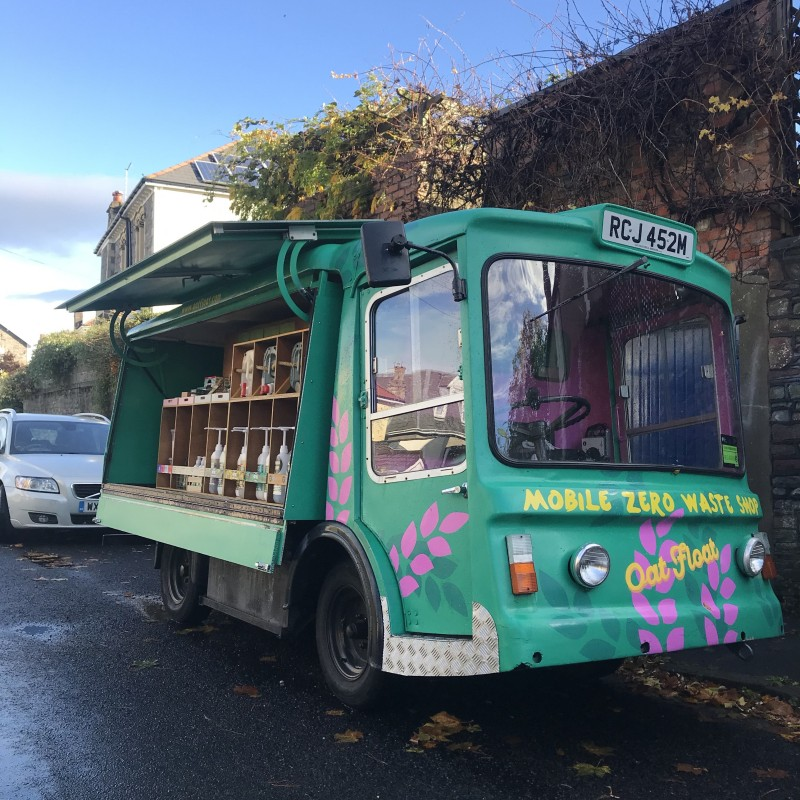
Most towns now have one or two little zero waste shops. These are really nice, usually fitted out with natural materials and refill stations where you can take clean dry containers, and just fill up with dry foods, cleaning, laundry and beauty products.
Oat Float is a quirky 70s vintage milk float, that has been developed into a mobile zero waste shop in Bristol, doing the rounds to deliver plastic-free daily essentials. Customers can buy pantry staples like pasta and porridge oats to eco beauty and household items.
Incredible Bulk (Cornwall) delivers to several villages in this rural but fairly small county, so it’s likely the van will be visiting near you at some time or another. Their converted van travels through Cornwall, turning up at village halls and markets.
Understanding the Tare Weight System
Most zero waste shops operate on a tare weight system. This means that you can take your own clean dry containers, this will save money, as most goods have 30% of the price from packaging.
Tare weight is that of the empty container, before you add the contents. So you basically weigh the container then the goods, so get a sticker so you are only paying the weight of the goods.
Typical goods sold at zero waste shops include:
- Cereals, grains, pulses, pasta
- Spices, herbs, loose-leaf tea, coffee beans
- Dried fruit, nuts, snacks
- Household cleaners in refillable bottles
- Bath and beauty products (like lotion, shampoo, hand soap)
So if you only want a couple of scoops of a spice, or just enough rice for dinner, you can buy it.
Linen drawstring bags (for zero waste shops)
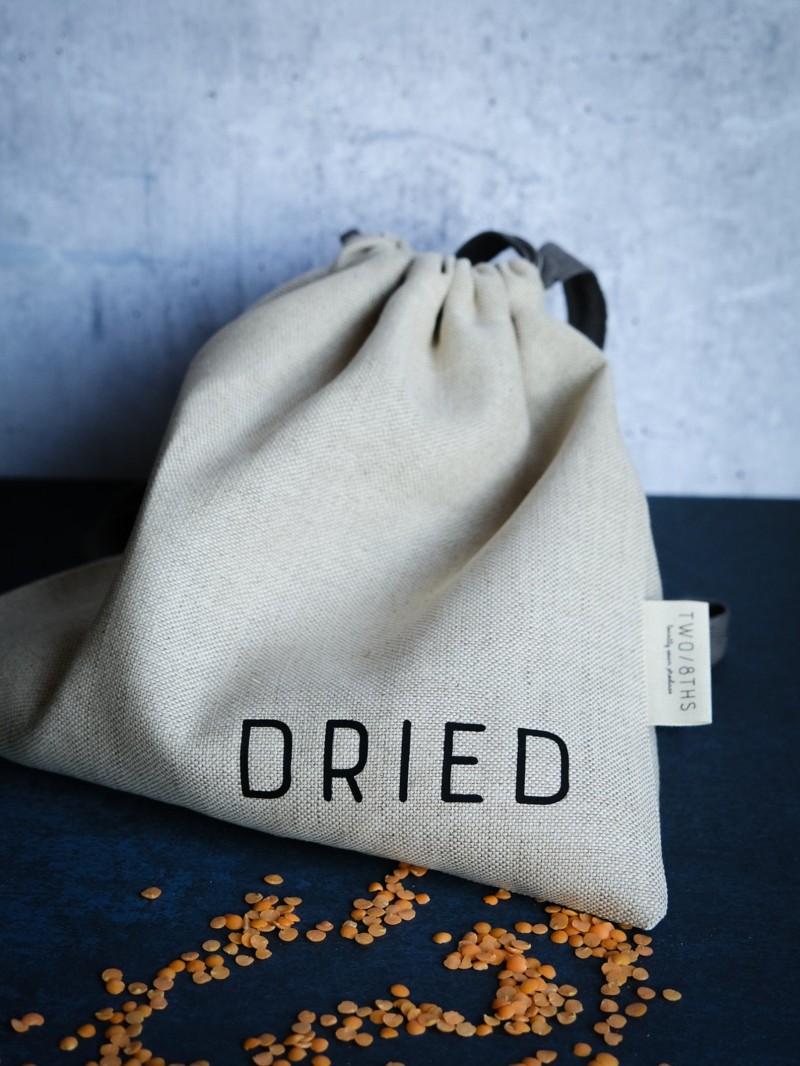
This linen drawstring bag is ideal to refill everything from lentils to pasta. Made from a linen cotton blend, sewn in a studio in beautiful Cumbria.
Just take to the local zero waste shop and fill with pantry cupboard staples, then keep the food safe and breathable in your pantry or kitchen, using the strawstring herringbone cord. Or decant into glass storage jars.
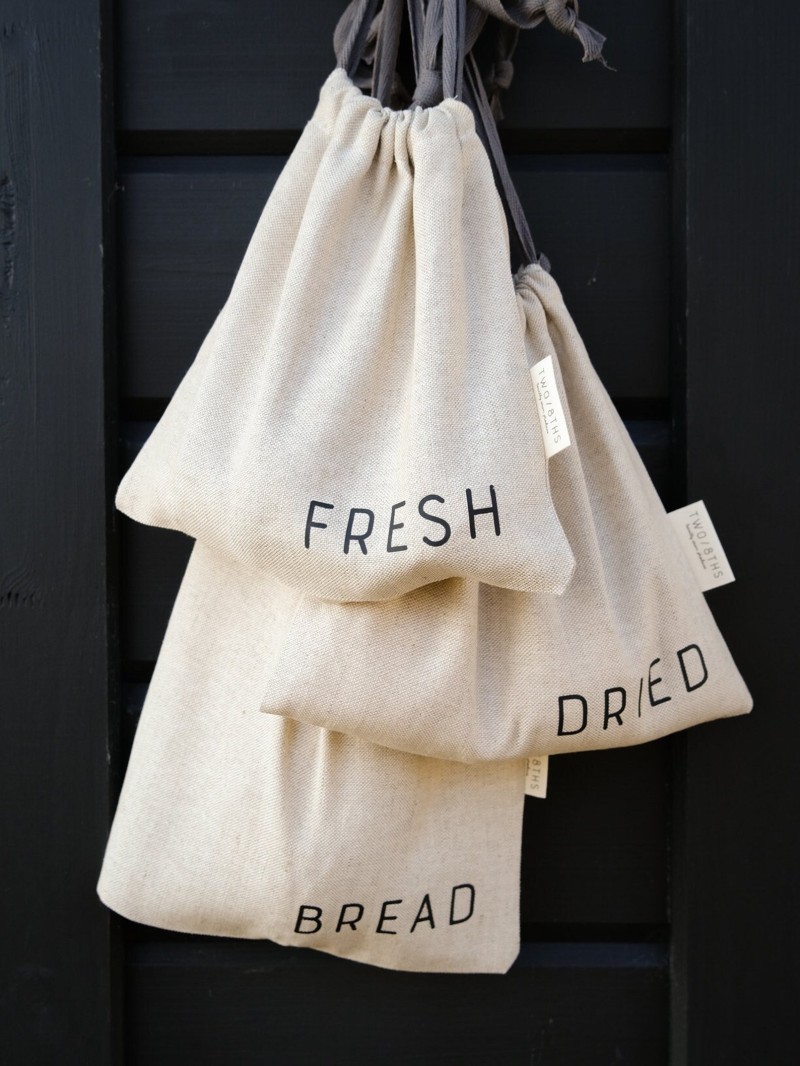
You can choose a bag for fresh, dried or bread foods, or buy one of each!
Keep fresh dough and bread away from pets due to salt, dried fruit, onion/garlic. And don’t give leftover bread to garden birds or wildfowl (due to salt, choking hazards and fat, which can smear on feathers, affecting waterproofing and insulation).
What are zero waste shops?
Most towns have a zero waste shop these days. They sell dried goods (loose with no packaging). You simply take clean dry containers and weigh the goods, so you are not paying extra.
Most operate by a tare weight system. This means that you only pay for what you are buying (not the lightweight bag). It’s a pretty nifty system!
Why choose reusable produce bags?
Small plastic bags are made from oil, and are wasteful and expensive. And can harm marine creatures if littered and go down drains and into the sea.
Most stores now offer loose produce options (a few supermarkets even sell reusable produce bags). But it’s still better to take your own to local markets and zero waste shops, if you live near any!
Where to recycle plastic produce bags
You can recycle these at supermarket bag bins, along with old plastic bags and most plastic packaging for food or other items.
Unpackaged (a professional zero waste consultancy)
GoUnpackaged used to run a successful zero waste shop in London. But now the team has switched hats, and instead make their income from teaching other shops (small to supermarkets) how to do so too. This has a larger knock-on result than just one small shop.
If every UK household refilled one item a week, that would be over 1.4 billion items of single-use packaging eliminated in just one year.
This organisation helped to develop London’s Abel & Cole’s refillable delivery service, and has also worked with Waitrose to deliver the first supermarket refill stations. But it also works with small businesses, even if it’s just showing you how to find and use tare systems, and find refill stations.
The Clean Kilo (England’s largest zero waste shop)
The Clean Kilo (Birmingham) was founded by a married couple, and is now England’s largest zero waste shop. It even lets customers make their own peanut butter with a machine! They order loose crisps from local suppliers and offer reusable Brummie Cups that you can return after use.
It not only offers consultancy services, but can supply shop design, like herb/spice racks made from reclaimed scaffold planks and vintage apple crates (ideal to house organic local fresh fruits and veggies).
It can also advise on floating dispenser walls to house refillable lentils and other goods. Again using reclaimed floorboards for a unique Scandi design. They are also easy to customise, so you can fit more products in later on, if your shop grows. Includes scoop dispensers.
A free guide from a Devon zero waste shop
Earth.Food.Love was England’s first zero waste shop, set up by a married couple (he is a former Manchester United football player who gave up a lucrative career at 27, to become a shopkeeper! He is also co-founder of ReRooted Organic, a company that makes and delivers organic plantmilks in reusable glass bottles.
This couple has kindly written a free e-book so that other people considering the same path, can learn from everything they did, and avoid any potential mistakes. Just download here as a free pdf.
It covers everything from setting up and branding, suppliers, hygiene, stock, marketing and taking payments.