Fostering Good Mental Health in Schools

Schools are now facing a massive crisis with mental health. We have a separate post on preventing bullying. But indoor living, the cost of living, lack of access to natural space and media pressure, is causing huge issues from anorexia and anxiety, to depression and even suicide among young people.
What some people are unaware of is that there are experts in both school design and mental health, who are collaborating to make built environments that are conducive to good mental health. It’s all exciting stuff!
- Mentally Healthy Schools is a free website for schools, where staff can find information to help the 50% of children who presently have mental health issues by age 14. It covers everything from risk factors (the media, home problems, vulnerable children at risk of exploitation, drugs, alcohol, children excluded from school, body image and even refugees. You can download ‘targeted toolkits’ to help.
- The Schools We Need Now looks at how to transform schools into healthy places where students can learn and thrive. Based on decades of research, discover ways to improve school mental health and crisis response, with examples from educators.
- Schools That Heal is a book on how to design schools that are less like prisons (designed from fear of truancy and vandalism) and more like nurturing environments for learning and good mental health.
Small schools are a good idea (over vast ugly comprehensives) but not always possible in a country of 60 million people.
Good Books for Mental Health in Schools
- Mastering Your Mental Health in Middle School is by a psychologist (American, ‘middle school’ is for ages 11 to 14) who offers tips and tools to teach young people skills they need to manage stress, and supercharge their confidence. Ideal for any student struggling with anxiety, overwhelm, stress or low esteem.
- The School Mental Health Toolkit (written by a mental health coach for schools) lays out a practical and supportive approach to tackle the crisis in schools today. Learn how to identify needs, make referrals and offer empowering provision for young people to build resilience, foster compassion, talk of their needs and challenge stigma and prejudice.
- A to Z of Wellbeing Toolkit is a mental health resource book for both schools and churches.
- Student Mental Health: A Little Guide for Teachers (by a psychologist) shows teachers how to recognise signs that students are struggling, then offers tips on how to help.
Froebel, Montessori & Steiner Schools
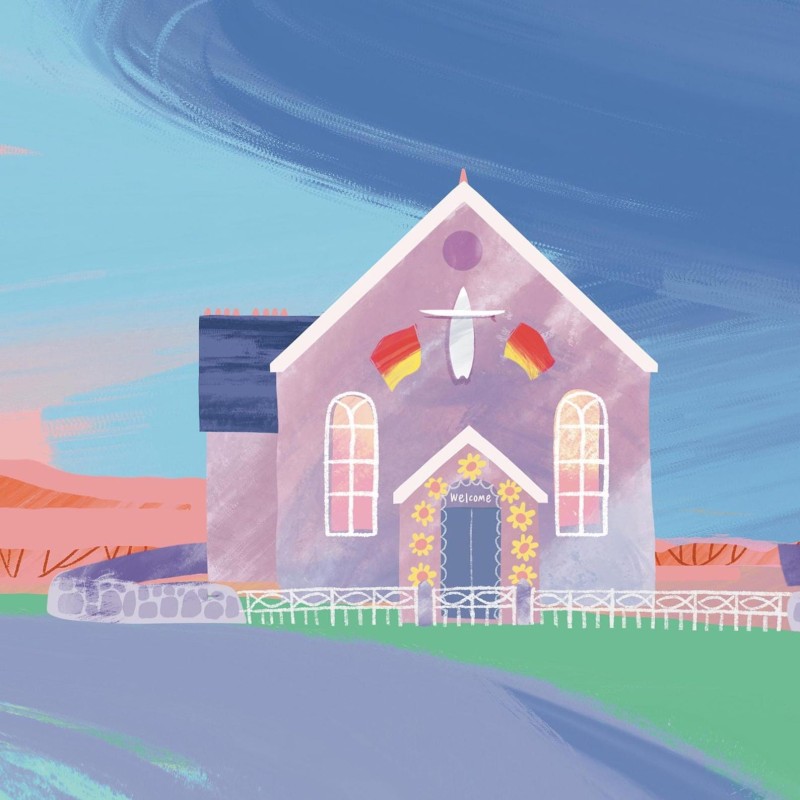
Although independently-run, there are a few alternative schooling methods, which some parents choose, and state schools can be inspired by.
Froebel Schools
Friedrich Froebel started the first kindergarten in Germany in the 19th century. His main belief was that children learn best through play. In Froebel schools, children are encouraged to explore through activities that use simple materials. Wooden blocks, shapes, and natural items feature in every classroom.
Froebel’s approach values freedom within structure. Children decide how to use the toys, but teachers guide activities to spark curiosity. Froebel teachers see play as a serious way for kids to learn skills, science, and art. Music, movement, and storytelling are part of the daily routine.
Children in Froebel schools get lots of time outdoors. Nature is seen as a teacher. The goal is to help children build confidence, social skills, and an early love for learning.
Montessori Schools
Dr Maria Montessori developed her method after studying children with special needs in Italy. Her schools work from the idea that children are naturally eager to learn. Classrooms have special materials designed for hands-on activities, like counting beads and sandpaper letters.
Montessori schools teach in a very different way. Classes have children of different ages who choose what to study (overseen by teachers) rather than regimented rows of desks. ‘Play’ is real (so you would help with a broom to clean, not just pretend).
And it’s interesting that children only begin to use computers at a much later age, yet have the same or better academic records when they graduate. It also saves a fortune on energy bills, and stops children going googly-eyed from computer and phone addiction at a very young age.
Steiner (Waldorf) Schools
Rudolf Steiner opened the first Steiner school in Germany after the First World War. These schools are known as Waldorf in some places. Steiner thought children go through three clear stages from birth to adulthood, and each stage needs its own teaching style.
In the early years, Steiner schools focus on play, art, music, and practical tasks like baking or gardening. Stories, puppets, and songs fill the classroom, with little formal teaching or testing before age seven. Steiner teachers try to build a sense of routine and wonder.
As children get older, lessons include drawing, painting, handwork, and movement. They encourage imagination and clear thinking, with teachers usually staying with the same class for years. There’s a strong sense of community, and digital screens are kept away from young children.
Unschooled (the story of a home educating mother)
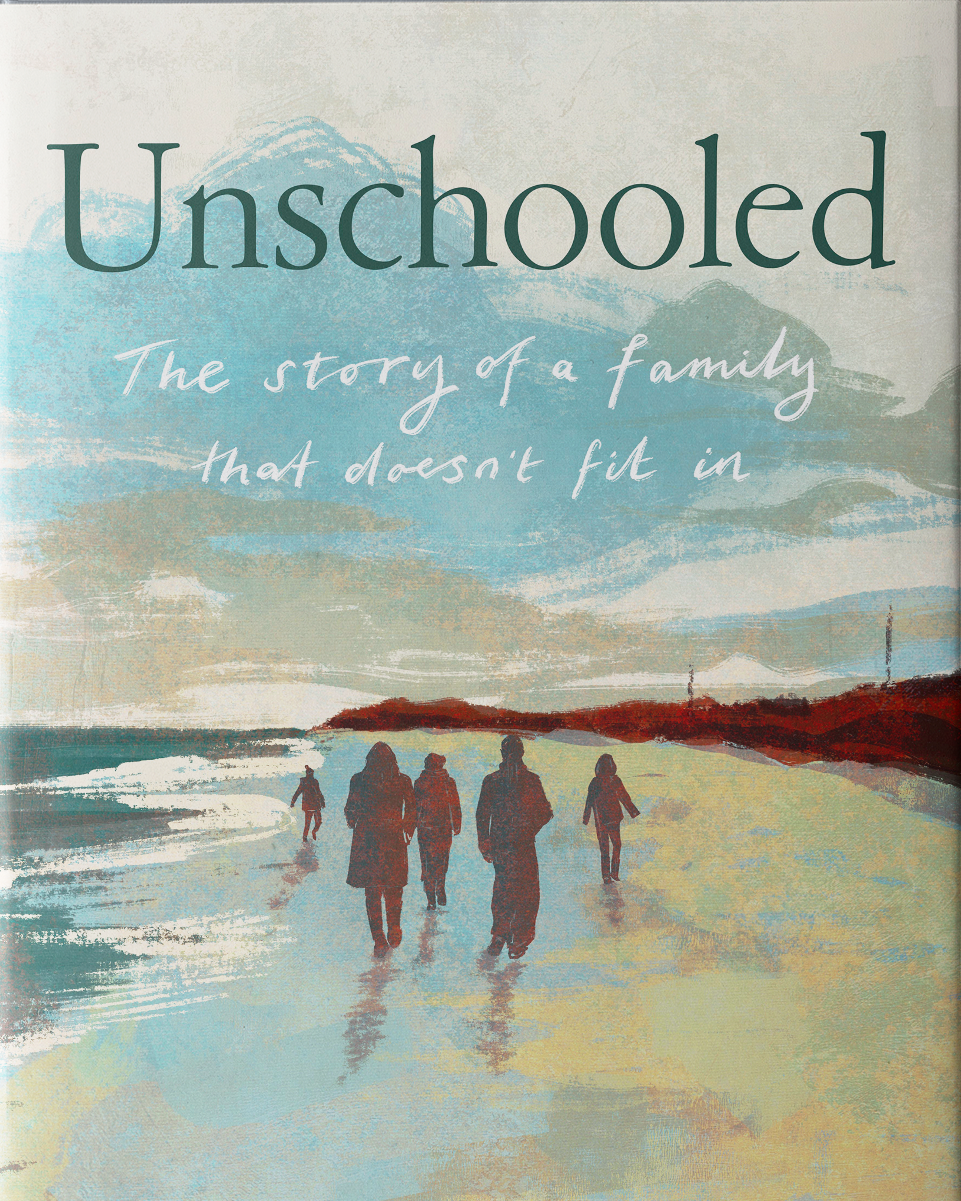
Unschooled is the story of one mother, who had no choice but to educate her daughters at home. Like so many families with children who don’t fit into mainstream schools, her daughters had become marginalised by an education system that is chronically underfunded. And unable to support special educational needs.
You have the legal right to educate your child at home. Order information from your local council.
While still a school teacher, Caro had no alternative but to leave her job and take on a different role at home, as full-time educator and advocate for her wonderful girls. It was the obvious thing to do, because it was the only choice they had.
This is a searing memoir about the love and true grit, of a family forging its own path. With lyrical prose and unflinching honesty, Caro chronicles the relentless bureaucracy and isolation of being a single mother navigating a system that refuses to see her children.
Through her own story, Caro interrogates a society that nurtures conformity rather than difference, and a culture that continues to place the burden of childcare on mothers.
Being unschooled has become an ongoing act of resistance and a political statement, one that demands a more inclusive, compassionate education system that recognises and supports every child’s unique needs.
Caro Giles is a writer who won the BBC’s Countryfile New Writer Award.
People Who Never Went to School
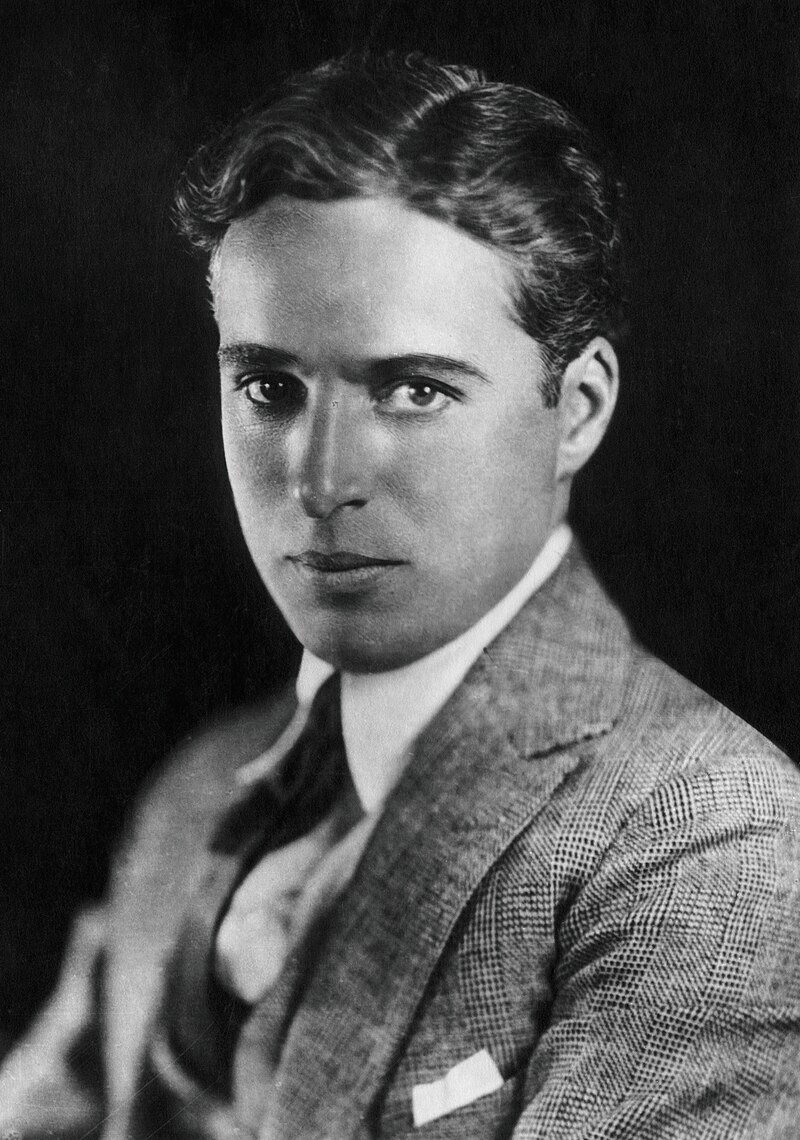
If you think that being educated at home can’t give a good grounding in life, here is a list of some well-known people who never went to school!
- Charlie Chaplin (above)
- Albert Einstein
- Sir Isaac Newton
- Sir Patrick Moore
- Thomas Edison
- Alexander Bell
- Louise May Alcott
- Jane Austen
- Agatha Christie
- Charles Dickens
- Queen Elizabeth II