Greener driving (and car maintenance tips)
Not every trip needs a car. You can walk, cycle or combine journeys, to lower running costs, and get some fresh air and exercise too.
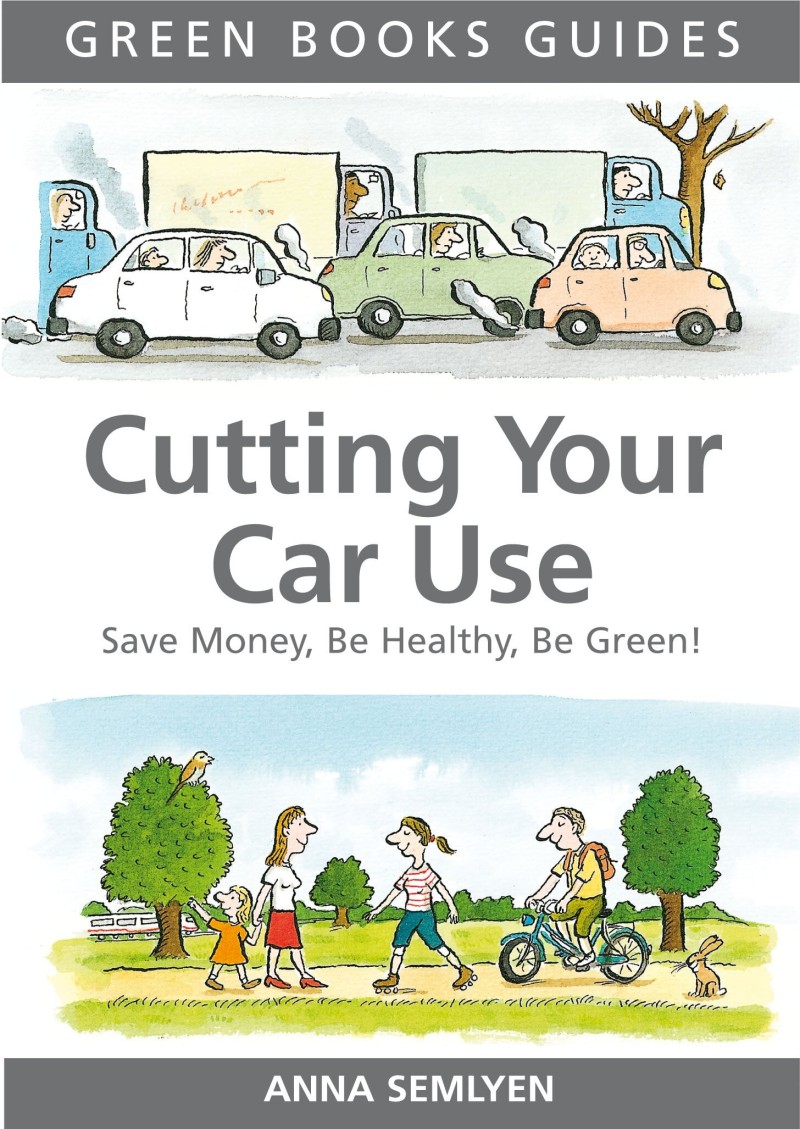
Read the lovely little guidebook Cutting Your Car Use. Printed on 100% recycled paper, it includes 100 simple tips. The author (England’s first traffic reduction consultant) walks and cycles most places, and sometimes hires a car or taxi, showing you can mix and match, to suit your lifestyle.
Never leave pets in warm or hot cars.
Regular servicing (tyres, engines, oil changes) can improve fuel efficiency. Click Mechanic lets you book vetted local mechanics at good prices, due to low overheads. All are fully vetted with 1-year guarantees, and in some cases you can save up to 47% over expensive national chains.
They can also install EV chargers, and perform MOTs and servicing.
Also enter your postcode at Fix My Car to find local indie mechanics, with genuine customer reviews. Just enter your car registration and location, and you’ll get local mechanics with prices, so you can book instantly after reading reviews.
Never let pets, children or wildlife near antifreeze
Antifreeze is lethal to pets/wildlife, so let mechanics change it in enclosed spaces. Or use funnels (as with oil) and use sand/kitty litter to absorb spills (don’t mop).
Eco-friendly breakdown cover
- ETA (Environmental Transport Association) offers vehicle inspection checks (plus eco-friendly insurance/breakdown cover).
- Naturesave offers green car insurance, profits help to support its Naturesave Trust.
AA has tips on buying used cars. Avoid ‘cut-and-shut (two damaged cars welded together), cloning (replacing number plates) and clocking (adjusting mileage). Don’t check cars in rain (water hides dents/scratches) and insists on a service history and V5C document.
Car maintenance tips to do yourself

- Keep gentle pressure on pedals (hard acceleration burns more fuel).
- Avoid idling (outside school gates, car parks, long pick-up waits etc). If you’re stopping longer, switch off the engine.
- Extra weight makes your engine work harder, so clear out your boot! Same for unnecessary roof bars and boxes, they add drag that increases fuel use at speed.
- Have your battery checked if it’s over five years old (flat batteries are a leading cause of breakdown)
- Regularly check that tyres are inflated correctly (see manual) and have adequate tread depth (more than 3mm for winter, despite 1.6mm being the legal minimum)
- Check your engine oil every few weeks. Check coolant levels (a mix of antifreeze of water) to prevent engine over-heating) see above on why to keep antifreeze away from pets, children and wildlife).
- Have a regular service (will also avoid nulling warranties). And also helps to reduce emissions and increase fuel efficiency).
- Ensure mirrors are clean and undamaged, and windscreen wipers are in good condition. Keep screen wash topped up. Clear all ice and snow from windows and mirrors before setting off (avoid toxic sprays- use a screen overnight or a scraper in the morning). Parking your car facing east apparently helps, as the sun melts ice before you get up).
- Carry a torch, blanket, shovel and non-perishable food in winter (also keep a wildlife rescue kit).
Choose waterless car washes
Waterless car washes are better for the planet, as they stop oily untreated water going down storm drains and into the sea.
A Friendly Soap Bar (for mucky mechanics!)

Friendly Mechanic’s Soap (made in Northumberland) is also sold in packs of 12. Free from palm oil, it contains grease-busting lemon oil, exfoliating pumice stone and is scented with cedarwood, patchouli and tea tree oil.
As this soap contains essential oils, it’s best to avoid during pregnancy/nursing, if you’re a female mechanic (girl power!) Also keep away from babies and pets (due to citrus oils).
My husband says this cleans his greasy hands very well, and he smells no more of engine oil!