The quiet power of introverted book nerds
There’s nothing wrong with being an extrovert. The only issue is that often extroverts seem to think that everyone else has to be one too!
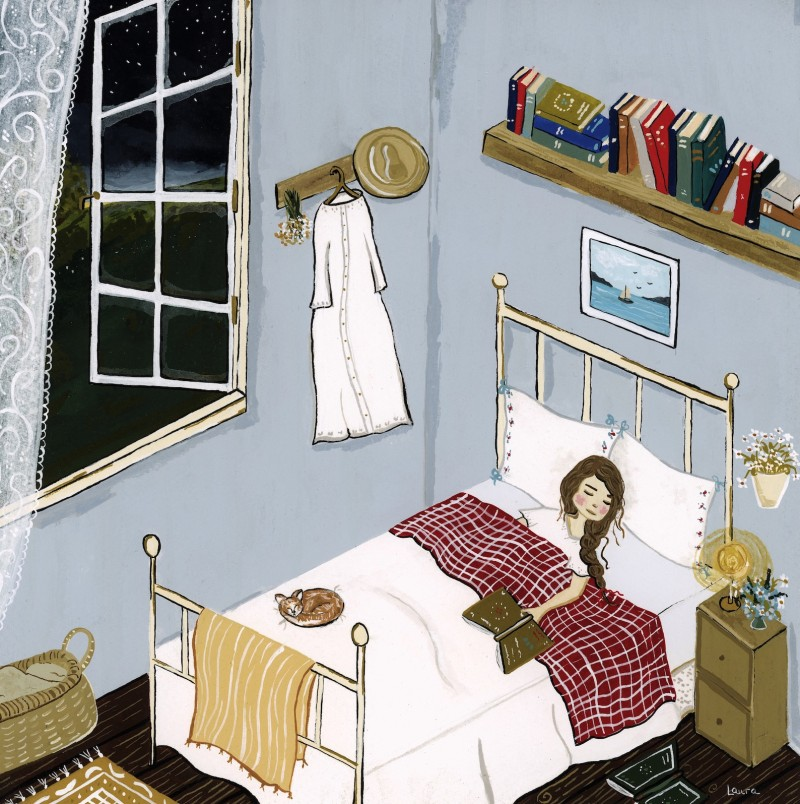
But reading books offers great mental health benefits for those of us who tire of the loud volume of life. Turn off the background chatter (we don’t even need ‘the telly on in the background’. And just enjoy the calm space that you get from reading something good.
Quiet time helps attention to settle. And good books don’t have to be how-to books. In fact, the real benefits of relaxed reading, often come from a romantic novel or some inspiring poetry, or perhaps an interesting biography or a funny memoir.
Recycled reading journal
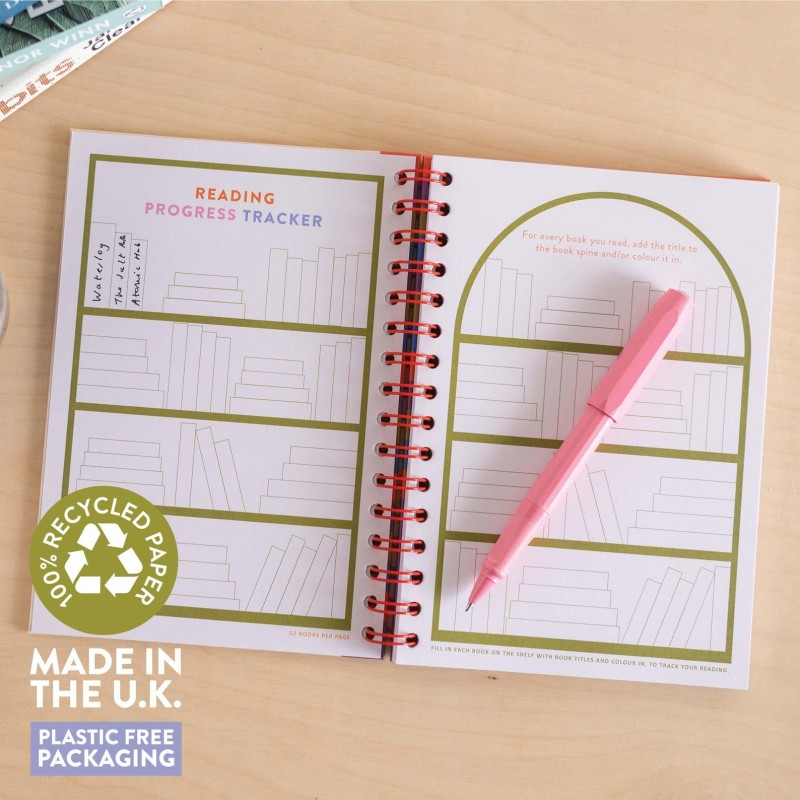
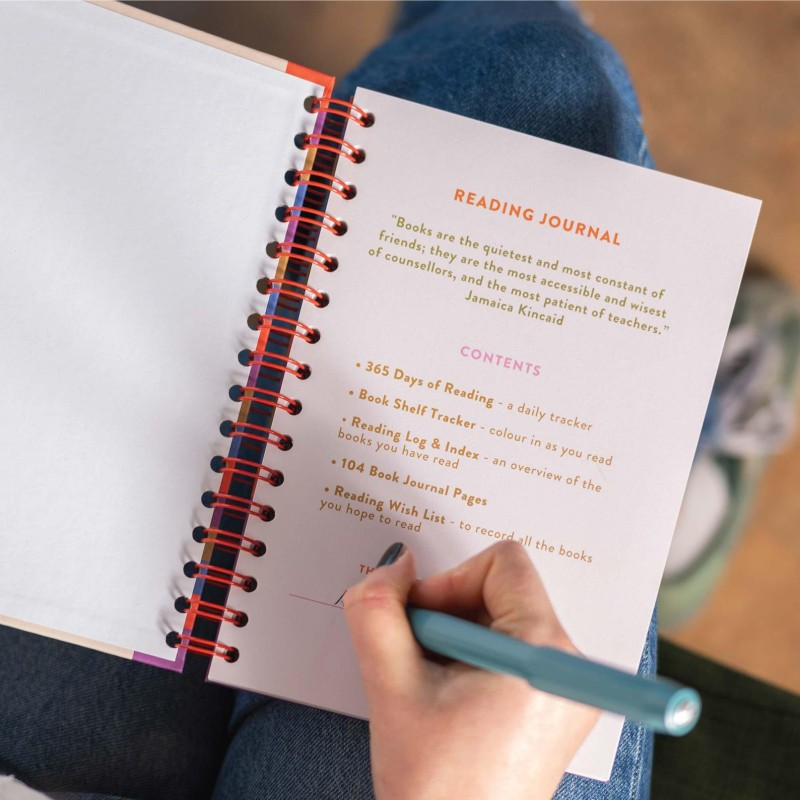
This A5 book review journal is ideal for happy introverted bookworms. Jot down the plots, look back at books you’ve read and track your favourite books in this spiral-bound journal.
Each book gets a single page to note down thoughts, and you can also use the journal to note things discussed at book clubs, or books to recommend to family and friends.
You’ll find a daily reading tracker with yearly overview, a book shelf tracker , a reading log and index and 104 pages, plus a reading wish list.
A bigger vocabulary, even not chatty!
Reading has benefits beyond being relaxing. You’ll find that people who enjoy reading good books go beyond ‘text speak’. Their hearts run deeper and their vocabulary is richer. They have empathy (they don’t spend lives on their phones, nor speak in short text messages). Nor participate in modern cyber-bullying nor ghost people nor get involved in the latest celebrity gossip.
Introverted book nerds tend to run deeper than that. They are all about the soul: deep learning and why we’re here – all that kind of stuff! Which matters for those of us who prefer to ponder on life, rather than be the loudest person in the room!
You’ll often also find that introverted book nerds are the ones who tend to write better. They are the ones that if you need some tender loving care, won’t send a text message or a silly emoji. They will send you a handwritten note so show they care, or pop round with homemade cake – and possibly a good book they think may help.
Books don’t demand anything
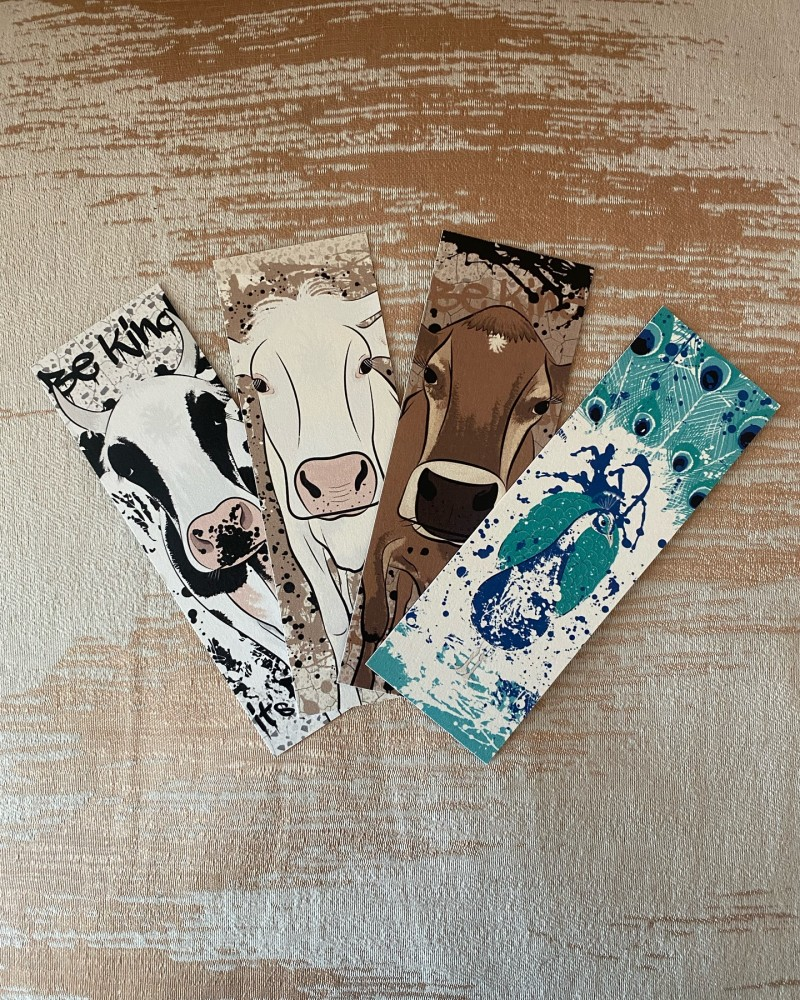
Art For the Animals was founded by an artist who offers gorgeous images of animal friends, with profits going to animal welfare. How good is that?
Many people these days are very demanding, always wanting attention and answers. Books don’t do that. They are your fellow introverted friends, who will give you time. You don’t have to read more than a chapter a day, and gradually they will become loving friends who give unconditional love.
A bit like animals, who also tend to prefer guardians who sit with them reading a book, instead of watching loud TV or gazing at phones all evening.
Recharging with a book is not being unfriendly. It’s simply an intelligent and useful form of self-care for both body and mind. It’s also giving you boundaries, to be who you are.
You can learn to ‘find your people’ without small talk. Often reading good books, gives you a sense of who you really are. If you are surrounded by people who don’t share your values, often you can find them in a book.
- If you love God and are surrounded by heathens, read a nice Biblical devotional, and you’ll immediately feel better.
- If you’re vegan and surrounded by meat-eaters who question your choices, read a lovely book of recipes by a fellow plant-based eater.
- If you love poetry but people think that’s a bit flowery, then stuff them. Buy yourself a gorgeous volume of nature poetry, make a cup of tea (or pour yourself a glass of wine) and sit back and read to your heart’s content!
If you only read the books that everyone else is reading, you can only think what everyone else is thinking. Haruki Murakami
Where to recycle or donate books
Clearing out books you no longer need can be a relief, but throwing them away feels wrong. Books hold stories, knowledge and potential joy for someone else. Recycling them responsibly is kinder to the planet and keeps books in circulation.
There are plenty of places that welcome your unwanted reads, whether they’re classics in good condition or textbooks from school days. Here’s where to send your books for a fresh start.
A caveat. If the books are not of help (recipe books promoting factory-farmed food, books on hunting animals, editions of Mein Kampf), then just rip the pages out to recycle, and bin the spines.
You can scan and recycle unwanted books at Bookshop.
Charity shops
Charity shops can be found on most high streets and offer an easy route for passing on books. Donated books should be clean and undamaged, as they can’t sell torn or waterlogged books.
Only donate to small local charity shops, as the ‘big ones’ usually fund animal testing (donate to humane research charities instead).
Age UK shops are okay, they no longer test on animals, and do wonderful work to help vulnerable people in society.
Public libraries
Many libraries accept donated books, especially if they’re recent, clean and in good shape. Libraries often use donations to refresh their own collections or sell them to raise funds for community projects. Not all libraries accept all types of books, so it’s smart to call first or check their website for guidelines.
School textbooks, specialist reference books and children’s titles are especially welcome, as they support learning at every age. Libraries sometimes host book sales or swaps, giving unwanted books several possible new homes.
Book swap schemes
Book swap schemes create a direct path from one reader to another. Little Free Libraries are popping up in parks, outside homes and near schools. These small cabinets invite anyone to take a book or leave one, running on trust and community spirit.
Don’t make them look like ‘coloured birdhouses’, as these could attract real birds (bright and tin bird houses can over-heat and attract predators). Just use a simple plain box shape.
Bookcrossing is a nice idea. Leave a book you love in a café, and post online where you’ve left it. Someone else picks it up and reads it, then passes it on.
Your well-thumbed novel could end up across the world, and you get to read how different people have enjoyed the book you first found in the indie bookshop!
Second-hand bookshops
Independent second-hand bookshops often buy or accept donations of quality books. Some offer small sums or store credit in exchange, while others take donations for stock. Many specialise, so check the shop’s focus before you visit: some prefer fiction, others seek non-fiction, academic works or collectables.
Book dealers may also collect books for charity drives. These shops champion sustainability by keeping books in circulation and helping readers find bargains. A quick call or email helps confirm what your local shop needs.
Schools and universities
Schools, colleges and universities often need books for classrooms, libraries or fundraising events. Newer textbooks, reference books, children’s stories and revision guides are especially in demand. Some schools run book drives or swap events to encourage reading for pleasure.
Simply Text Book is a site where you can donate unwanted and used academic books, so students don’t have to buy new. If the information is still in-date, this is a great way for students on budgets to benefit.
Donate books to children
Children’s Book Project has 300 donation points, where you can donate read children’s books, so that parents without much money have nice educational and fun books for their children to read.
Homeless shelters and hospital
Homeless shelters and hospitals welcome good condition books for clients and visitors. Reading offers comfort, distraction and company. Children’s books, uplifting fiction and magazines tend to be most useful.
Donate books to prisoners
Books for First Nighters is a project where you can offer comforting and uplifting books for people who are new to prison.
Stuffing people away in cells for 23 hours a day is (mostly) not conducive to producing law-abiding citizens on release, so these books can help create a safer society for all.
Personalised vegan leather bookmark

This personalised vegan leather bookmark is the ideal gift for your book nerdy friend, or to yourself! Ideal to keep your place, it’s a world away from real leather bookmarks, and be personalised with your name, or the name of the recipient.
Choose from a range of muted two-tone colours, for a gift that’s lovingly produced by a homemade artisan!
Choose from:
- Navy and blue
- Rose and teal
- Grey and blue
- Blue and grey
- Teal and rose