How to Grow Your Own Organic Plums
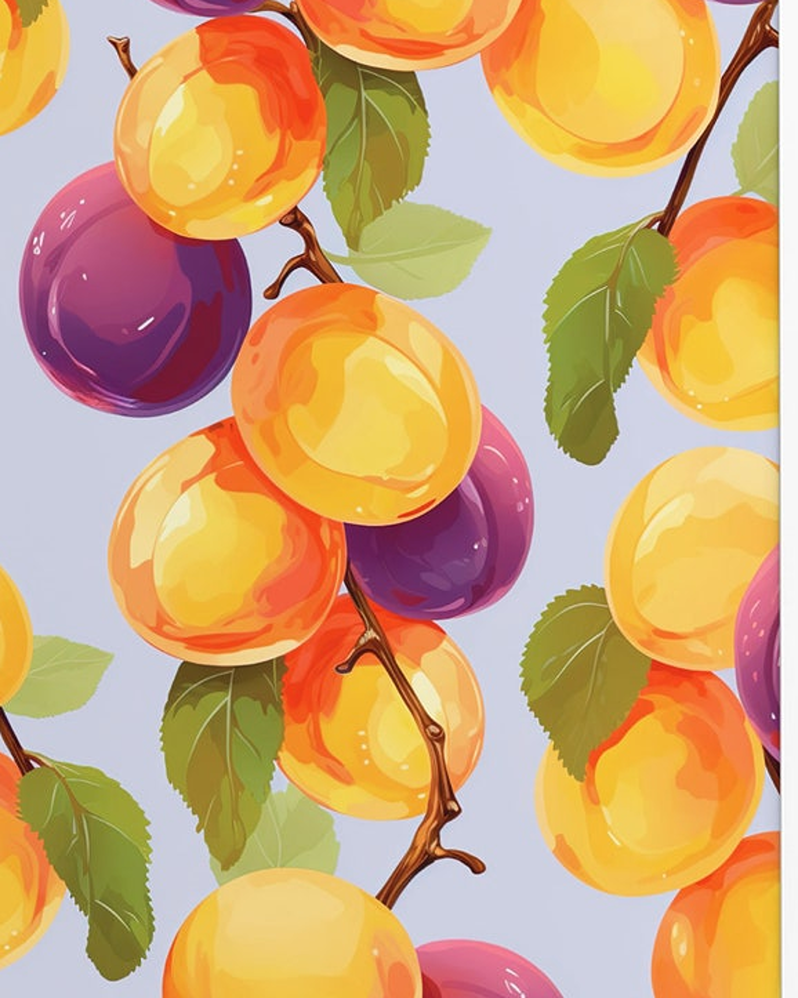
Plums were one of the first fruits ever grown domestically by humans, and are grown everywhere bar Antarctica (too cold!) With ancient roots dating back to Eastern Europe, the Caucasus Mountains and China, the world’s top grower of plums is Serbia (the fruits are used to create the national drink of Slivovitz, a golden plum brandy.
Although all prunes are dried plums, not all plums can become prunes! They need to be made from specific high-sugar varieties of plums. Fresh plums are also sweet and get juicier after harvesting. Plums are related to peaches, apricots, nectarines and almonds!
Not all plums are purple, though the only other common ones we find in England are yellow plums. Don’t worry about the white chalky coating, this is just a ‘bloom’ that helps to protect fruits from moisture loss and bugs.
Low in calories, just one plum is packed with vitamin C and other antioxidants. Plums are also good for your heart and even your bones!
What you need to grow organic plums
A tree! Like many English fruits, plums grow on trees, but although this sounds complicated, plums grow very well in England as our damp climate helps to prevent fungal disease, without chemicals. Although you’ll have to learn how to prune!
We’ve all heard of Victoria plum trees (self-fertile but prone to over-cropping). Other good versions are frost-resistant Czar plums (good up north) and Opal, an early fruiter).
- Read up on pet-friendly gardens for plants and mulches (like cocoa) to avoid
- Use humane non-toxic methods to deter slugs/snails
- For indoor plants and greenhouses, use Feather Friendly bird tape to stop birds flying into windows (avoid facing indoor plants to face gardens).
Use fruit tree protectors (never use netting as this can trap birds and wildlife). Remove during flowering to let bees pollinate, or no fruit will develop.
Plant plum bare-root trees from November to March (you can plant potted trees year-round) in full sun, and with shelter from high winds. Enrich the base with good compost (plums like a fertile loam with a PH around 6.5). As grass competes with young tree roots for nutrients, ensure a 1-metre circle of grass and weeds is cleared from around the base (if removing turf, wet and gently roll it up manually like a carpet, giving time for little creatures to escape).
Another way to remove grass without harming insects is to just lay a single (10cm) layer of natural burlap, soaked brown paper or coarse wood chips over the crass, then scatter 2cm of compost on top (to attract worms and provide food for beetles). The grass will gradually die off, while natural air pockets will let wildlife shelter and find food.
Never prune a plum tree in winter, as damp cutting them vulnerable to disease. Prune young trees in early spring as the buds open, or in mid-summer for older trees (sap can quickly seal and heal cuts).
Organic gardening should take care of any unwanted visitors, as birds eat caterpillars, ladybirds and hoverflies eat aphids.
Planting nasturtiums can draw blackfly and aphids away from tree leaves. If planting daffodils (to suppress grass) or garlic/hives (to deter spores and unwelcome visitors), only do this for pet-free gardens (all bulbs and allums are unsafe near animal friends).
Where to buy sustainable plum trees
If you can’t find them locally, buy from Tamar Organics or Tom the Apple Man (who grows other fruit trees). Tree 2 My Door sells patio plum trees and Victoria plum trees.
Ways to eat fresh organic plums
Plums are best avoided for people on blood thinners or with kidney stones, IBS (also obviously avoid for stone-fruit allergies). Avoid for small children and people with swallowing difficulties. Keep all fruit pips and seeds from pets (contain natural cyanide).
- Eat as they are – organic plums are delicious!
- Slice and pair with good vegan cheddar
- Stir chopped plums into thick plant-based yoghurt
- Simmer sliced plums with water and cinnamon, and serve on porridge
- Fry wedges in a little Flora vegan butter until caramelised, and serve over vegan ice-cream
- Drop plum slices and a few fresh basil leaves into cold water, for a refreshing drink.