How to Grow Your Organic Raspberries
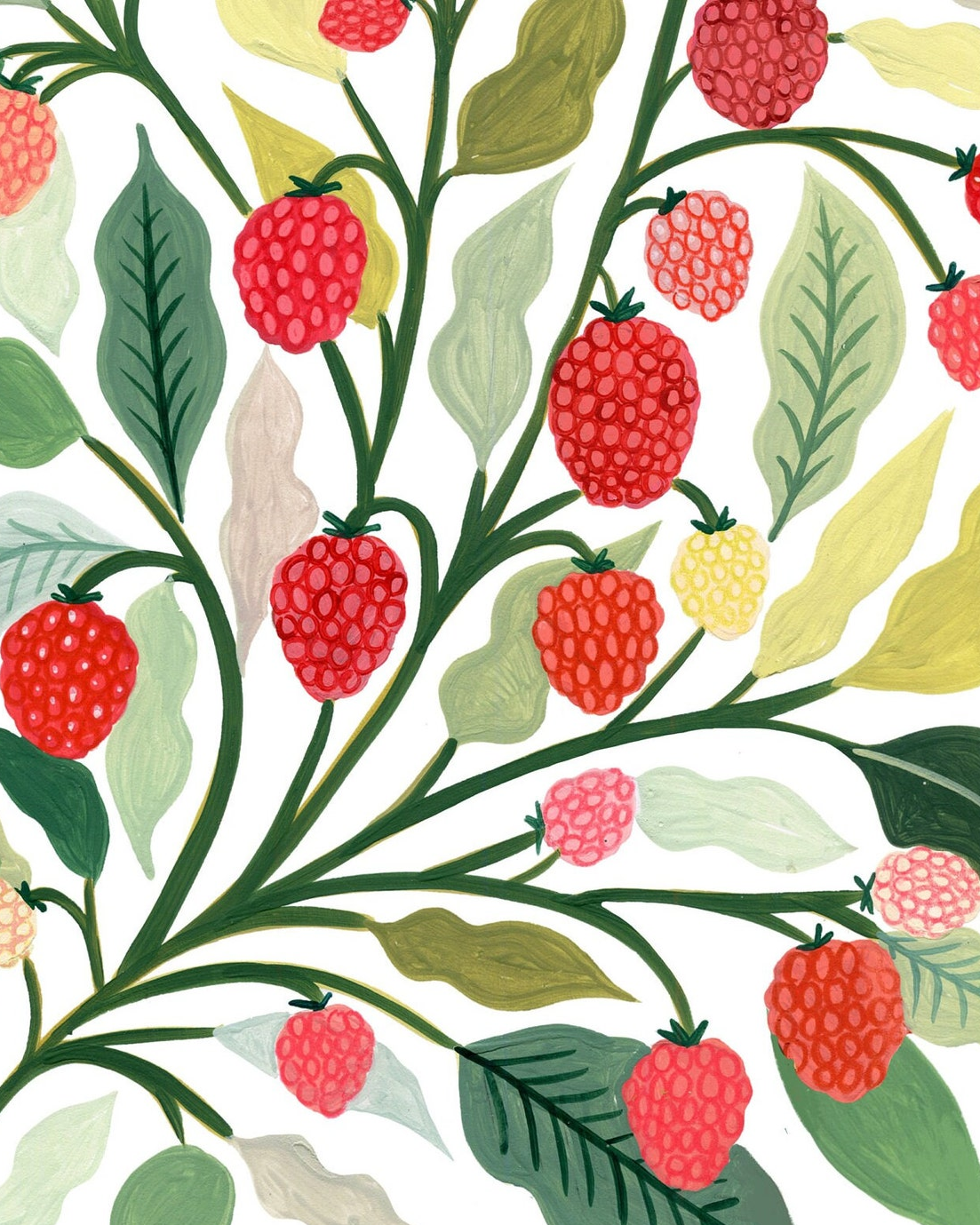
Raspberries (like strawberries) are not true berries, but delicious all the same! Made of tiny fruits clustered together, they are cousins of roses, strawberries, apples and pears. Like strawberries, they don’t ripen further once harvested. So don’t pick them too early!
Most raspberries are pink, but there are also ‘golden raspberries’ that are much sweeter. Still popular today, raspberries were so enjoyed that in the 1950s, there was a ‘Raspberry Express’ steam train that would transport fresly-picked fruit from Scotland to London markets.
Raspberries are one of the highest in fibre of all fruits (so great for people with heart disease) and also contain more vitamin C than oranges.
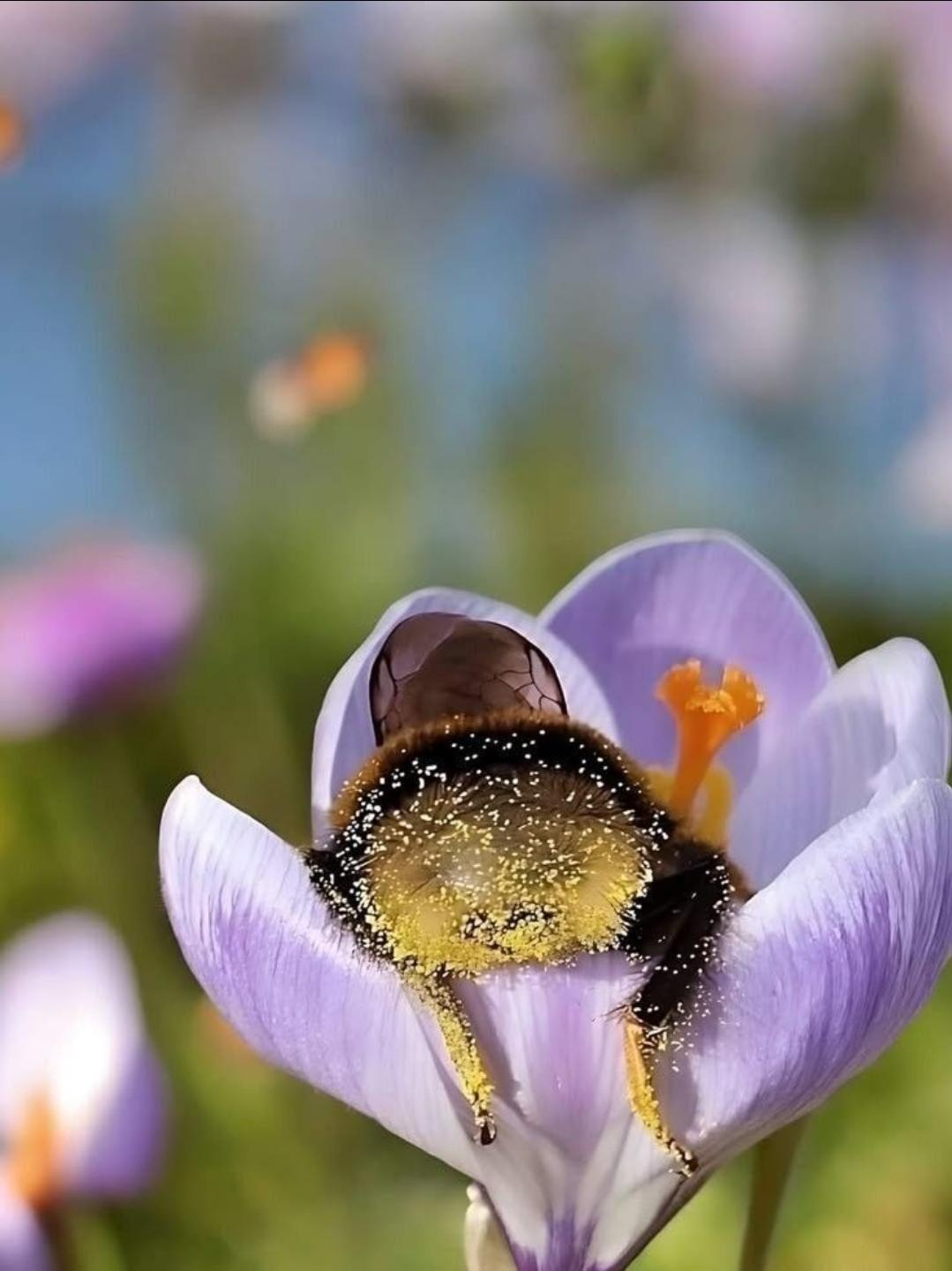
Who else loves raspberries too? Bees do! The umbrella-like downward droop on raspberry flowers allow our buzzy friends to sip nectar and pollinate plants, even when it’s raining (raspberry flowers are kind of like ‘comfortable armchairs’ for sleepy bees!) Here is a photograph of a bee that has fallen asleep in a flower:
What you need to grow organic raspberries
Raspberries are pretty easy to grow in England, as our climate is perfect – cool damp summers. Choose disease-resistant varieties to grow a bumper crop organically, ideally a mix so you can extend your harvest from June until October.
A raspberry plot should last 10 to 15 years, so take tiem to prepare the plot. Raspberries like sunny sheltered spots (they can tolerate light shade but will produce less fruit). They need well-drained slightly acidic soil (PH 6 to 6.7) and don’t like over-watering or havy clay (use a raised bed if you have poor soil). Avoid using mushroom compost (too alkaline).
- Read up on pet-friendly gardens for plants and mulches (like cocoa) to avoid
- Use humane non-toxic methods to deter slugs/snails
- For indoor plants and greenhouses, use Feather Friendly bird tape to stop birds flying into windows (avoid facing indoor plants to face gardens).
Use fruit protector bags (never use netting as this can trap birds and wildlife). Fasten over fruit as it starts to ripen, and leave until harvest (remove during flowering to let bees pollinate, or no fruit will develop). If laundered, use a microfiber filter.
Soak the bare roots of your raspberry roots in a bucket of water a few hours before planting, and space canes 40 to 50cm apart in rows (kept apart 1.5m to 1.8m). The top roots should be around 2 inches below the soil, and immediately after planting, cut the canes down to 10 inches sfrom the ground, to build a good organic root system.
Each spring, top-dress the soil with a plant-based fertiliser and add some organic mulch to keep roots moist and suppress weeds. As raspberries have shallow roots, water deeply during dry spells, at the base of the plant.
Birds love raspberries! So either share the harvest or use the fruit protection bags above (removing during pollination for bees). Never use netting, most on sale is way too large in hole size, to be safe for wildlife (it should be banned).
Raspberry beetles are small white maggots (organic growing will attract birds and wildlife to eat them for you, or regularly hoe and lightly turn the top few inches of soil around the base of the canes between November and Feburary – this will cause them to to fall to the ground and spin cocoons in topsoil, where they will stay (or get eaten by local robins and blackbirds).
Each February, cut each cane straight down to the ground, and in late summer, cut only brown canes that have just finished fruiting. Leave green canes alone, as they provide next year’s summer fruits.
Where to buy sustainable raspberry plants
If you can’t find sustainable raspberry plants locally:
Rocket Gardens sells good raspberry plants. Ideal for growing in large pots or raised beds.
This company’s vegetables and herbs are organic, the raspberries are the best we could find commercially (in sustainable packaging).
Ways to eat fresh organic raspberries
Raspberries are best avoided for kidney issues, bleeding disorders, diverticulitis, salicylate sensitivities or if the seeds get stuck in your teeth! Avoid for small children and swallowing difficulties.
- Eat as they are – organic raspberries are delicious!
- Swirl into thick plant-based yoghurt
- Top on porridge for breakfast.s
- Smoothie: Blend with banana, spinach and oat drink
- Drop a few crushed berries with a mint sprig into iced water