How to grow your own cheerful organic sunflowers
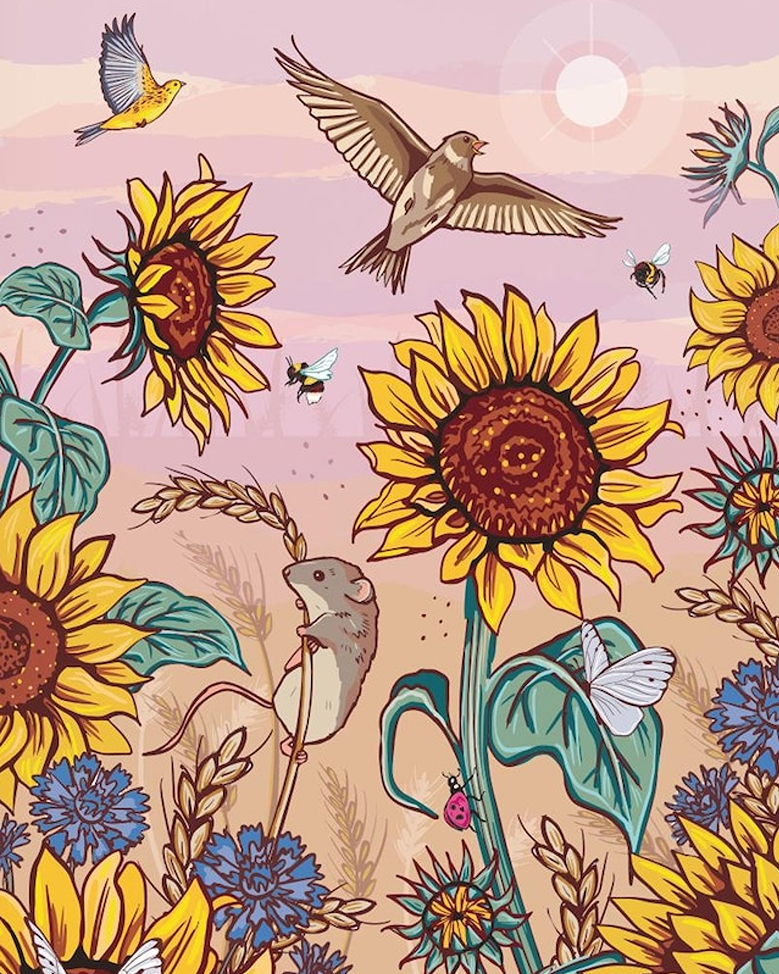
Sunflowers are many people’s favourite flower. Who could not love them? These very-easy-to-grow flowers are tall and bright, and give off beautiful yellow blooms loved by humans and all other creatures. The seeds are adored by birds (finches and woodpeckers) and mammals of all types. Bees and butterflies also love them, as a source of pollen in wildlife gardens.
Don’t give sunflower seeds to rabbits and guinea pigs (choking hazards).
Keep unsafe flowers away from pets
Many flowers are unsafe near pets, so be aware of this before buying/growing flowers, or gifting to others. PDSA has tips for pet-safe gardens. Find lists of plants/flowers that are toxic to:
Also never face indoor plants to face outdoor gardens, to help stop birds flying into glass windows.
How sunflowers follow the sun
What’s amazing about sunflowers is that they can track the sun through the day, almost telling the time! They face east in the morning, then turn to follow the sun as it sets in the west. Then it rests overnight, and does the same the next day. This daily dance is called heliotropism.
How does it do this? Its stem grows quicker on one side, causing the sunflower head to bend, in search of light. The reason it does this, is to help the plant soak up energy, needed for strong growth. Clever sunflower!
As sunflowers get older, they stop moving (like we all do!) So they stay facing east, to help them warm up quickly (and attracting pollinators first thing in the morning). It’s like they know at the end of their life, they still want to do everything they can, to help the bees and butterflies.
Growing sunflowers is pretty simple
If you gardened with your parents, you’ll know that sunflowers are a great starter flower. Not only are they super-easy to grow and super-positive, but they grow quickly, so even an uninterested child will soon be outside watching the flowers bloom.
Start with good seeds and good soil. And remember that if using for cut flowers, leave some seeds for the birds! Giant Yellow variety produces enormous blooms, to grow your own ‘nature’s anti-depressants’.
The large flower heads are filled with edible black seeds, and the plants reach an impressive 2 metres. Loved by bees and butterflies (and other beneficial insects), they make beautiful flowers for the vase too.
Sow outdoors from April or May, and keep soil moist for healthy germination. They bloom from July to September, adding charm and colour to your garden all through summer.
If you spot aphids (tiny green insects) on new growth, use wildlife-friendly gardening tips to encourage ladybirds, which eat them up like nobody’s business.
If displaying sunflowers, cut them in the morning, just as petals are opening. Use sharp shears, and place stems in cool water. Sunflowers are annuals, so finish their life cycle each year. You can collect and store dropped seeds, to replant next spring.