How to Grow Your Own Scented Lavender

There is not much more English a lovely thing than a lavender garden or field. Lavender looks beautiful, smells beautiful and has many benefits for both us and pollinators.
Bees and butterflies in particular adore lavender’s sweet scent, as it’s a vital source of nectar, and the pollen offers proteins and fats.
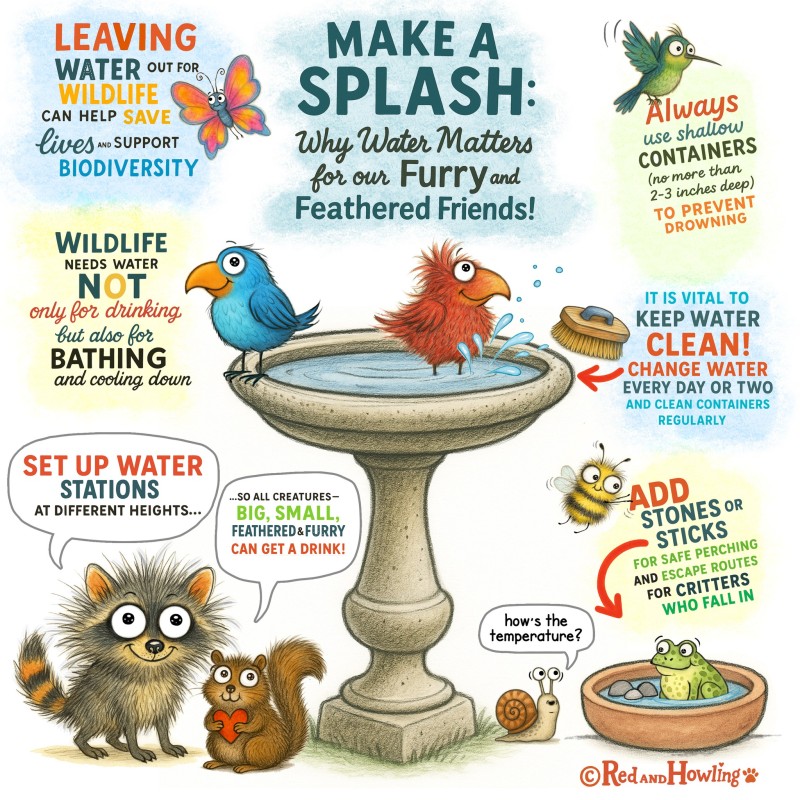
Ensure you put flat stones in any water sources, so these creatures have a safe place to land, if they are nearby examining your lavender bushes!
The dense foliage of lavender also offers protection for bees and other pollinators, in harsh weather (and protection from natural predators).
Lavender blooms in England from June to September, and has been grown for over 2500 years. In Roman times, a pound of lavender was the same worth a month’s salary!
Just grow organic lavender for the bees. It’s too complicated and expensive to create your own oil (you would need 150 pounds of flowers to produce just once once).
The good news is that lavender is fairly drought-tolerant so easily grows with little or no help in sunny dry conditions. Using no-dig gardening (to avoid forks harming wildlife and worms).
Most pets won’t eat lavender (though it’s best to not plant them too near, as stinging bees will start visiting). Read more on pet-friendly gardens.
If growing or displaying plants indoors, never face them to outdoor gardens, to help stop birds flying into windows.
Never use aromatherapy oils near pets (air rooms before allowing them back in, cats in particular can’t break the oils down in their livers). Read more on pet-friendly gardens.
Which Scent to Choose?
Native lavender is best, with English lavender (no surprise here) being a good choice. Tamar Organics sells a good organic version. These scented lilac flowers are ideal for hedges.
Sow the seeds in trays with good organic compost (any time of year) at a temperature of around 20°C. Until ready for repotting. Or directly sow into the soil in May.
Watering and Pruning Care
In the first months, water your lavender if the soil is dry, at root level. Once the roots settle, water rarely (but deeply, only when the top few centimetres of compost are dry).
English rain is usually enough to keep mature plants from drying out.
After flowering, cut back stems by about one third. This keeps bushes tidy and prevents gaps. Use sharp snips and avoid cutting into woody, leafless stems, as these rarely sprout new growth.
Prune in late summer or early autumn.
If you do pick lavender, only pick a third of stems from each plant, so the rest keep bees and butterflies happy!