Healing gardens (how they enhance patient recovery)
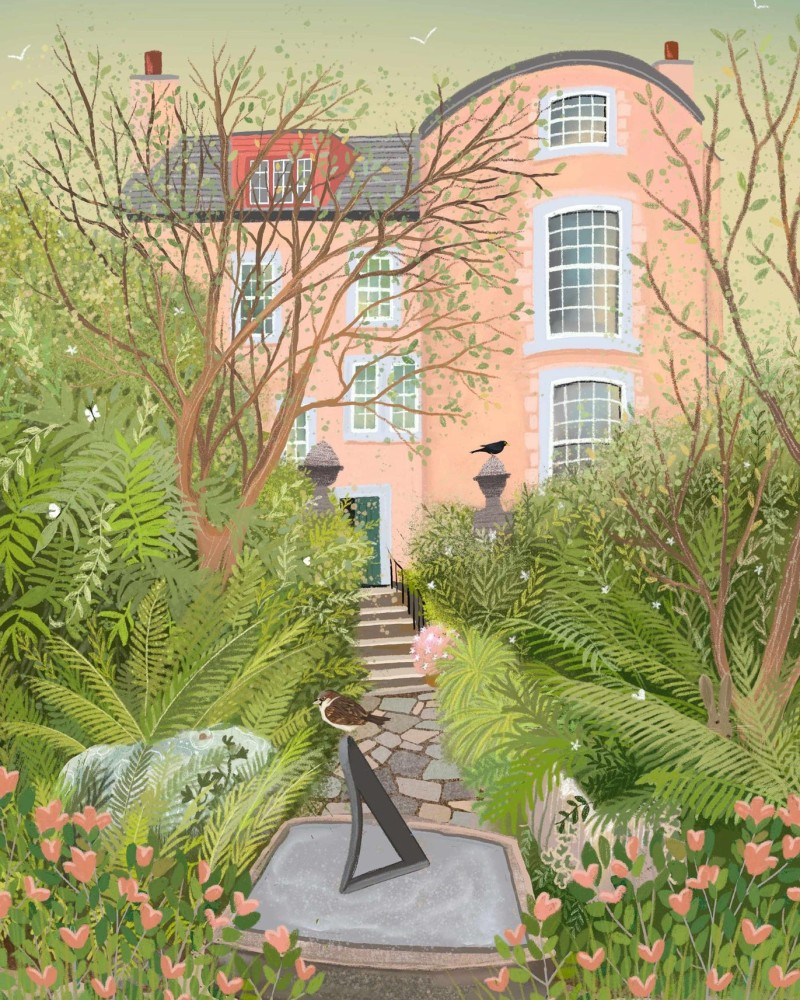
Healing gardens are so beneficial, that it’s a wonder it’s not part of NHS policy to have them in every town, city and village across the land. Rather than sterile GP surgeries and hospitals. A few may plant the odd ‘hospital garden’, but this needs to be done on a much grander scale.
The evidence is 100% that healing spaces enhance and speed up recovery time of patients. So this also reduces bed-blocking and saves money too. As well as helping the planet and its pollinators (bees, butterflies, bats etc).
Stark white walls, jarring colours, non-stop red neon lights displaying information on a wall in a surgery – none are conducive to good health. The wasted energy from the signs could be spent on a few nice plants instead!
Another thing that could go is to stop piped music in hospital, where bedridden patients literally have no escape).
Some nice inspiration on healing gardens
Here are a few places that are already planting healing gardens:
Ensure gardens are pet-friendly and wildlife-friendly. If using indoor plants, learn toxic plants to avoid near pets. And don’t display them to face gardens, to stop birds flying into glass windows.
Hope in Bloom (US) plants healing gardens for breast cancer patients (men and women) so they can have pretty views, while they recover. They have transformed over 200 plants (plants are often donated from garden centres).
Harefield Healing Garden (London) was designed in to transform a hospital brick wall view into a lovely space with sweeping footpaths, flowerbeds and a space to mingle, with curved benches. There are raised beds for people in wheelchairs, and scented flowers for sensory gardens.
Horatio’s Garden plants healing gardens for spinal injury patients, who also have a higher risk of mental health issues (and even suicide) when faced with sudden life-changing circumstances. These include beautiful spaces with seating, wildlife-friendly plants and safe water features.
Maggie’s offers healing gardens (alongside beautiful buildings) sited next to NHS hospitals, for cancer patients and their carers, so they don’t have to wait in stark hospitals for treatment. The organisation was founded by a terminally ill cancer patient and her husband (both landscape architects).
A nice parable on healing spaces
It’s not clear where this story is from, or who wrote it. But is a lovely example on the power of healing spaces. Once you read it, you’ll be reading it out to others!
A hospital patient is very depressed, staring at a blank wall in a bare room. The man in the next cubicle (who he can’t see through the curtain) is far happier, telling him of the beautiful views he has of the garden, through his window.
Each day he describes to his new friend the grasses and flowes, the wildlife he sees and the birdsong he can hear. His depressed friend gradually begins to feel better. And looks forward each day to hearing of the lovely views he can’t enjoy.
One morning, the stories stop. The depressed patient asks the nurse why, and she says that the patient is no longer there. Upset, he nevertheless asks if he can move to the now empty room next door, so he can too enjoy the garden views.
The nurse replies: ‘But that room faces a blank wall as well. And the patient could not have told you about the lovely views if there had been any – he was blind’.