Meet England’s Playful Otters (how to help)

Otters are one of England’s most loved wild mammals. Thankfully they are no longer hunted, but face many risks. They keep warm due to the thickest fur of any species, and have eyes high on their head, to see what’s going on, while in the water (they can stay underwater for up to four minutes).
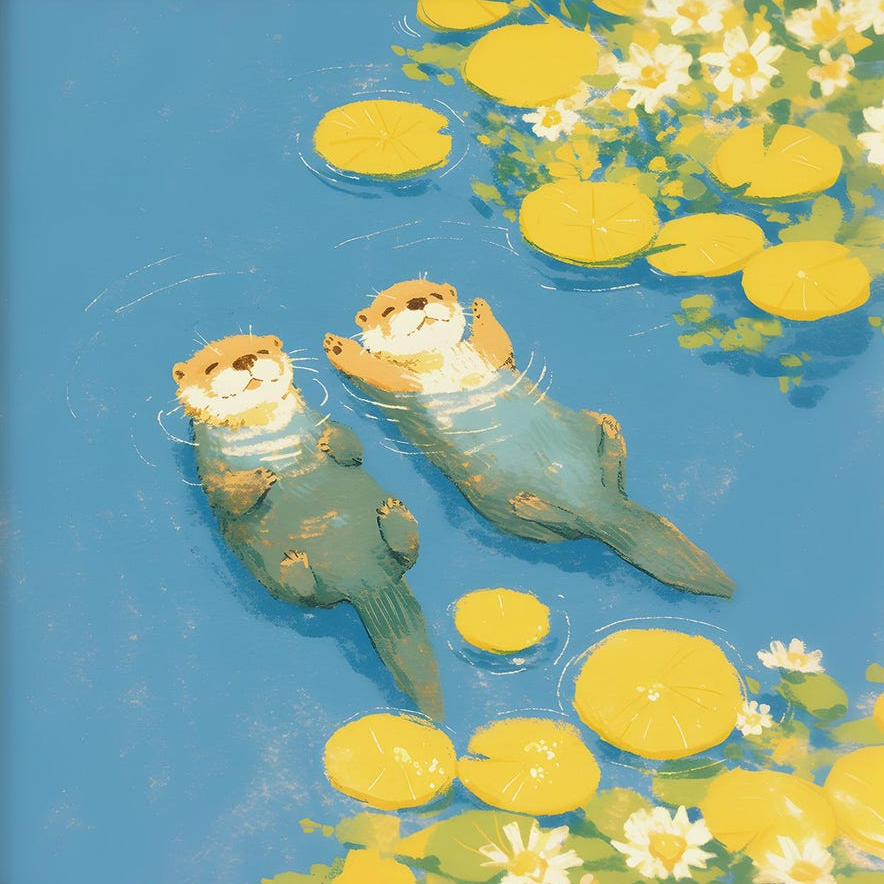
Fantastic swimmers due to webbed feet, otters use their whiskers and claws to catch food. They live to play (when not eating fish, crayfish, frogs and birds’ eggs). Then hold paws while sleeping, so they don’t float away from each other!
It’s quite difficult to spot otters as they are fairly solitary (apart from when coming together to mate). But what’s really sweet is that the parents often have to coax baby otters into the water, as they are too frightened to swim. Of course once they get the bug, you can’t keep them out of the water!
Simple Tips to Help Wild Otters
- Like for all marine wildlife, litter can kill otters or damage their river habitats. So always take your rubbish home with you, and pick up litter and bin it, even if it’s not yours.
- Anglers can use a monomaster device, which keeps fishing tackle on your person, until you find a fishing line recycling bin.
- Keeping our rivers clean is also paramount. Boycott forever chemicals (found in everything from raincoats to pizza boxes) and only flush toilet paper down the loo.
- Put waste oil, paints, and chemicals in special bins, never down drains. And choose eco-friendly beauty, laundry and cleaning products that safely biodegrade back to the earth.
- If you eat fish, don’t go overboard and buy from sustainable sources, to avoid over-fishing (otters eat fish as their main diet, so need rivers stocked with natural food).
- Support growers who farm organically, as this means less run-off into rivers, which helps otters and other river creatures.
Leave Wild Otters (and their habitats) Alone
Otters may look cute, but they are shy and need space. Never try to feed, touch, or chase otters. If you see one, watch from a distance. Dogs should be kept on leads near rivers. Disturbing otters, especially mothers with pups, can force them to move and leave young behind.
Vote for councillors and MPs that protect wild spaces, not ones that destroy their land to build (we can build affordable homes on derelict urban land). Share opinions with MPs or local councils when new housing or roads threaten otter homes.
The Wild Otter Trust reports that nearly all cases of fisheries having issues with otters taking fish is due to poor maintenance of fencing construction, they can help with advice and recommendations. The trust does not charge for this service.
Help Make Roads Safer for Wildlife
Roads near rivers split otters’ homes, and cars kill many otters each year. Encourage councils to install road signs warning drivers about otters.
Support wildlife tunnels or fences to guide animals under busy roads. Drive slower near rivers and look for wildlife crossing signs, especially at dawn and dusk.
How to Help Otters (if concerned)
If concerned about a wild otter, immediately contact The Wild Otter Trust (note baby otters may be left for several hours by their mum, so monitor beforehand to avoid rescuing creatures that don’t need help). If the otter needs help, this charity has nationwide experts to help.
If you have to handle an injured otter, place it in a box with a blanket or towel to lay on (no tassels) and keep dogs and other creatures away. Keep the otter in a dark quiet place (not near radiators or anywhere too hot or cold).
Then take to your local wildlife rescue. You can also use the site to report dead otters.
Books to Learn More About Otters

Otters (encounters in the wild) is a book by Scotland’s renowned nature writer, who with passion and vision, relives memorable encounters with one of our best-loved creatures, offering intimate insights into their extraordinary lives.
There is a new pattern on the sea, just offshore. A big dog otter frequents this shore. I have seen him often. A ginger muffler about his neck, and jowls temper his sleek and powerful profile. I don’t know if this is the same animal; I can’t tell in this light. But he is fishing, and he may be coming my way. Then he vanishes.
The Secret Life of the Otter is by Scottish writer Andy Howard, also a gifted photographer. In this book, he opens their lives to us with a perfect combination of words and images: how they hunt, the beauty of their movement, fierce battles over territory and how they raise their young.

Find Out About Animal Tools is a wonderful book to educate young children on how animals use clever tools to lead their lives.
With beautiful whimsical illustrations, the book shows just how inventive the animal kingdom is, and includes an end note of more fascinating details for curious readers. Learn about how:
- Otters break open shells on their chests
- Crows make hooks, to snare grubs
- Tailorbirds thread plants to sew ‘cup nests’ for chicks
- Crocodiles hide under sticks, watching their prey
- Egyptian vultures drop pebbles on ostrich eggs, to open them
- Male palm cockatoos break twigs to ‘drum’ on nests, to impress!
- Archerfish spit jets of water, to knock down prey
- Burrowing owls decorate doors with dung, to attract beetles
- Chimpanzees wield grass stems, to fish out termites
Sea Otters (North Pacific cousins)

Sea otters are native to North America, found in the North Pacific. They also have very thick fur and are bigger and more powerful than our otters, having skin pouches under their paws to store food.
They love purple sea urchins so much, that sometimes their bones turn purple (like our pee turning pink, when we eat too much beetroot!)
Little Otter is a child’s guide, to the life cycle of sea otters, which are found over the pond. Swimming in the icy ocean, readers will meet a friendly little pup, who transforms into a sleek and playful otter! Packed with super-cute illustrations.