Tiny Tunnellers: The Secret Superpowers of Earthworms

Earthworms are one of your garden’s best friends. These tiny tunnellers are fascinating creatures who do most work in organic gardens. Which is why it’s important to switch to no-dig gardening, to avoid harming them (and stag beetle grubs) with garden forks or spades. Just keep them in the shed, to avoid them harming any creatures.
Learn how to create pet-friendly gardens and wildlife-friendly gardens. Keep fresh compost (and cocoa, pine and rubber mulch) away from pets.
The average English garden has just 16 species of worms. Some live in the topsoil, but most burrow undergroudn, so you’ll never see them. Some come up when it rains (which is why seagulls do ‘tap dances’ above ground, tricking them to come up, to receive a tasty lunch. Gardening organically is important, as worms are an important part of the food chain for many creatures, from birds to moles (who live on them).
Compost bins can harm worms and other creatures, if they are too acidic. So bin allium scraps (onion, leeks, garlic, shallots, chives) and citrus/tomato/rhubarb scraps, as acids could harm compost creatures. It’s okay to put them in food waste bins (made into biogas). Same with tea leaves and coffee grounds.
Worms have no ears, eyes or teeth (like snakes, they ‘hear’ through vibrations). They live a few years (and have both male and female sex organs). Other threats apart from humans and other creatures include garden chemicals and freak weather.
To learn more about earthworms and how to help them, visit Earthworm Society of Britain.
Ensure pets don’t eat earthworms. If ingested, puppies especially are at risk of roundworms (eggs). Symptoms are spaghetti-like worms in stools. Call your vet immediately.
How do earthworms help your garden?
As they eat decaying matter, earthworms make ‘casts’ that cement soil together to increase sulphur and nitrogen, which helps plants grow, by retaining water. Although they look ‘slimy’, the bodies of earthworms are actually covered with tiny hairs, which they use to burrow through soil.
As they burrow underground, earthworms create networks of tiny holes, which lets air circulate in the soil. This is how oxygen reaches plant roots, to transform gardens into healthy havens. Worms munch on decomposing leaves and organic matter, breaking it down into rich black soil.
Earthworms attract a host of predators (birds, beetles and centipedes) that then eat insects. Earthworms also help to prevent floods, as good soil is one of the mainstays of helping the earth to soak up excessive rain.
Life is hard. Then you die. Then they throw dirt in your face. Then the worms eat you. Be grateful it happens in that order. David Gerrold
How to help earthworms in your garden
- Garden organically (you can recycle empty containers at kerbside, take half-empty ones to hazardous waste). Replace garden forks and spades with no-dig organic gardening. Add organic matter and leaf litter to soil, avoiding low-calcium acidic soil and copper.
- Try not to walk on the soil (especially after heavy rain). If you find a worm in waterlogged soil, gently move it to an earthy area to burrow underground.
- If you find a worm in the sun, move to a shady spot and sprinkle some cool water from a watering can, to help the worm hydrate before it returns to its underground home.
- Don’t buy peat compost, as this is home to worms and endangered creatures. If you find worms in compost bins, gently place them back on top of the heap or somewhere safe (most are on top anyway, munching newly-deposited food).
- Avoid ‘hot composters’ or ‘food digestors’ as these get way too hot for wildlife (and don’t have soil, so ‘cook’ creatures like worms).
- Leave clippings on the lawn, as worms will return them to the soil for you. If you find worms on the grass, pop them in soil beds, to avoid them dehydrating.
It’s not true that worms cut in two survive. Occasionally a missing ‘tail’ is not fatal. But most organs are near the saddle (head). If you find a worm that is almost fatally injured, a quick ”worm euthanasia’ with a few heavy stamps (ensure it’s dead) is more humane than letting dying worms thrash about for hours.
Avoid worm composting, unless you know what you’re doing. These use different ‘red wriggler’ worms that often die when transferred to soil (or if lost in the post). Just garden organically, and earthworms will naturally find you!
Chemical treatments can be harmful to earthworms. By steering clear of pesticides, you protect these helpful creatures. Instead, opt for organic gardening methods and safe natural humane slug/snail control.
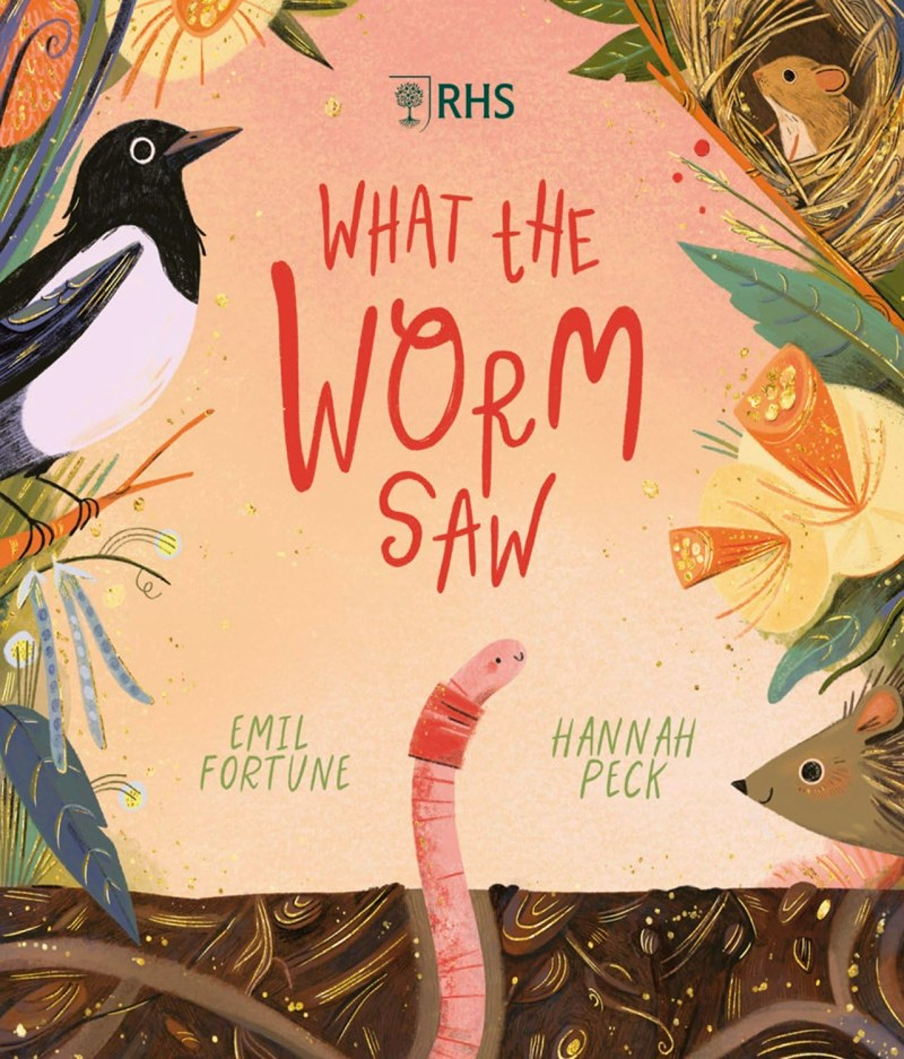
Books to learn more about earthworms

The Book of the Earthworm is a guide to our ‘little engineers of the earth’, without whom our gardens would be barren. Learn more about the world’s most industrious (but little understood) creature.
The Earth Moved is by a scientist, who takes us underground to meet the amazing creatures who plough the soil, fight plant disease, clean up pollution and turn ordinary dirt into fertile land. This witty offbeat book talks to those who have devoted their lives to unearthing the complex life beneath our feet.
They are near the bottom of the food chain (a meal for fish and birds) while humans consume an astonishing array of what lies on the planet. But eventually, even we become food for the worms.
I am left with the troubling conclusion that the worm’s survival may (in the grand scheme of things) be more important than my own. Amy Stewart