An interesting history of ancient English saints
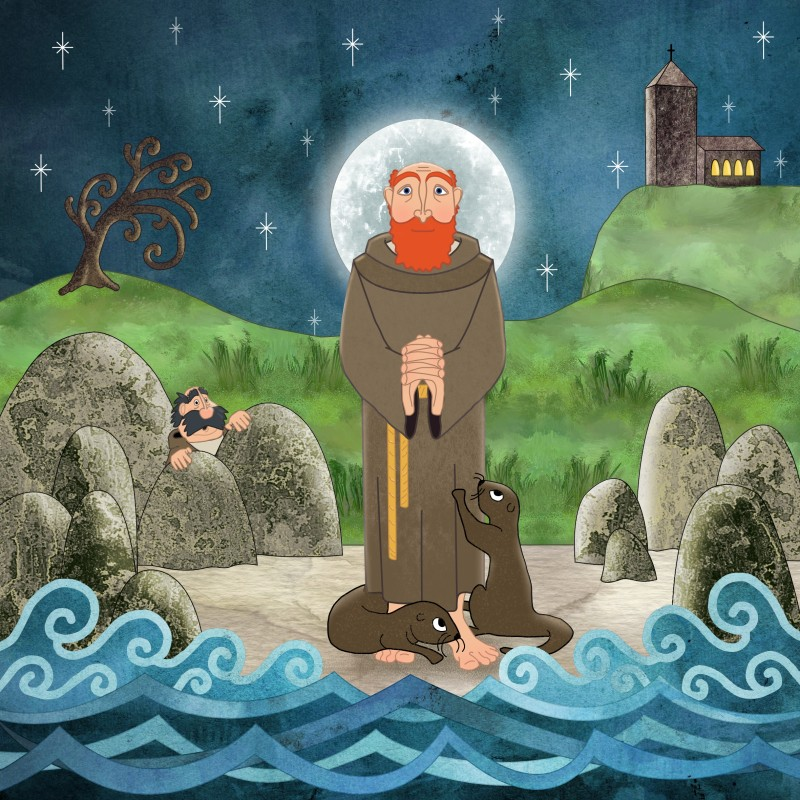
St Cuthbert was one of the northern saints, who lived mostly on the holy island of Lindisfarne. He campaigned for the welfare of eider ducks (and the legend is that otters would dry his skin with their fur, after he had gone swimming in the icy North Sea!)
He became a monk after witnessing angels carrying St Aidan (the monastery’s abbot) to Heaven. After he died, St Cuthbert’s body was taken back to Lindisfarne, where the many claimed miracles at people who prayed by his grave, led to him being declared a saint.
He is buried in Durham cathedral, which is why it remains a pilgrimage destination today for many Roman Catholics and those on the Northern Saints trail.
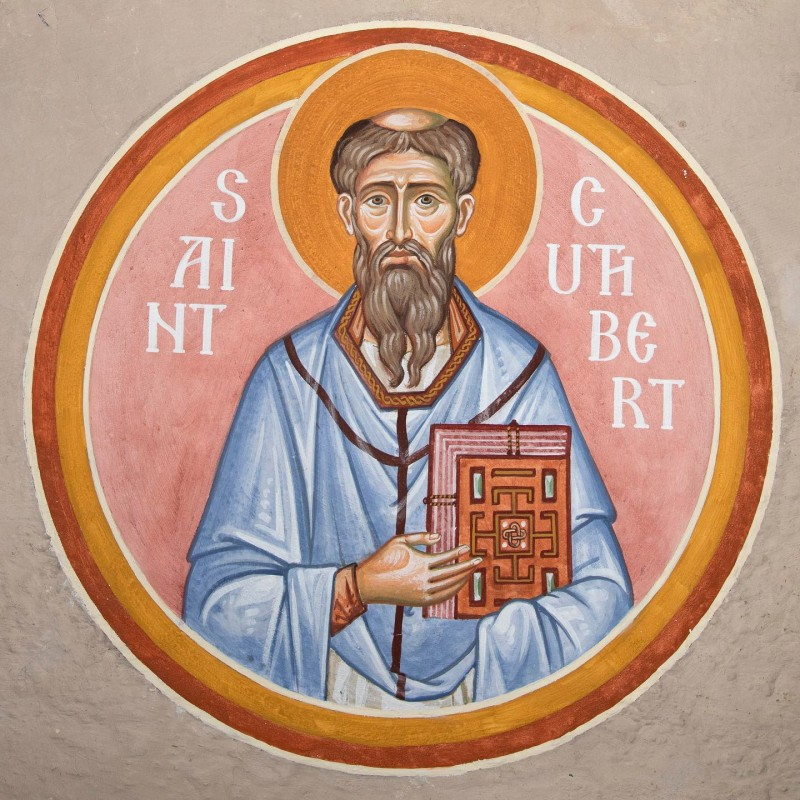
As well as protecting local wildlife, Saint Cuthbert was also a hermit who performed miracles including:
- Calming a raging sea, so stranded monks could return to shore.
- Stopping a strong wind that was hindering boatmen carrying wood.
- Extinguished a fire, saving a village by the power of his prayers.
- He reportedly purified the Farne Islands of demons on his arrival.
- He also knew when he was going to die. And when he did, examination of his body found it had not decayed, after 11 years.
Look out for the upcoming publication Lives of the Wild Saints, by Paul Kingsnorth.
The Holy Island of Lindisfarne
With just 200 residents, Lindisfarne is a small island off Northumberland’s coast, with a strong history of northern saints. It also is resident to many birds and seals, and 650,000 yearly tourists.
If you do visit, check the tide times, as it’s a causeway that gets cut off twice a day by the North Sea. People then have to be rescued. Avoid poor weather/dusk (most people use the bus!)
Saint Aidan (he made a stag invisible to protect it!)
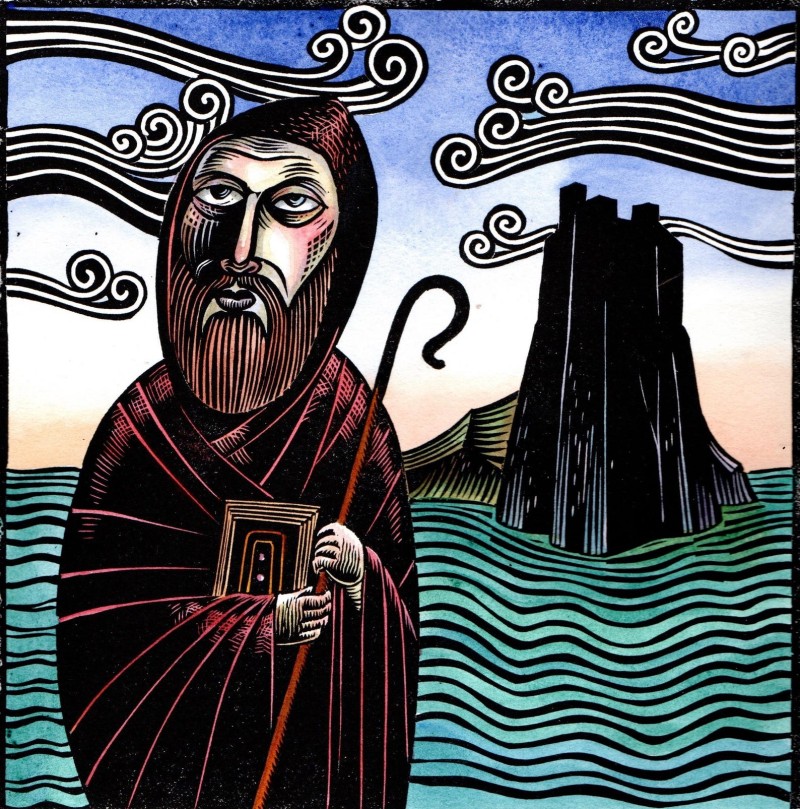
One northern saint was St Aidan from Ireland (he spoke Gaelic), who had already lived as a monk on Isle of Iona in the Scottish Highlands. He died in Bamburgh on the Northumbrian coast. He is now known as the one who converted all the Northumbrian heathens to Christianity!
There is a lovely story about St Aidan, in that he made a stag invisible, so it would not been seen by hunters. Wouldn’t that be lovely if someone could do that today?
Another saint associated with this tiny island is St Eadberht (a bishop who is now buried in Durham cathedral).
The history of Saint Etheldreda (or ‘Audrey from Ely!)
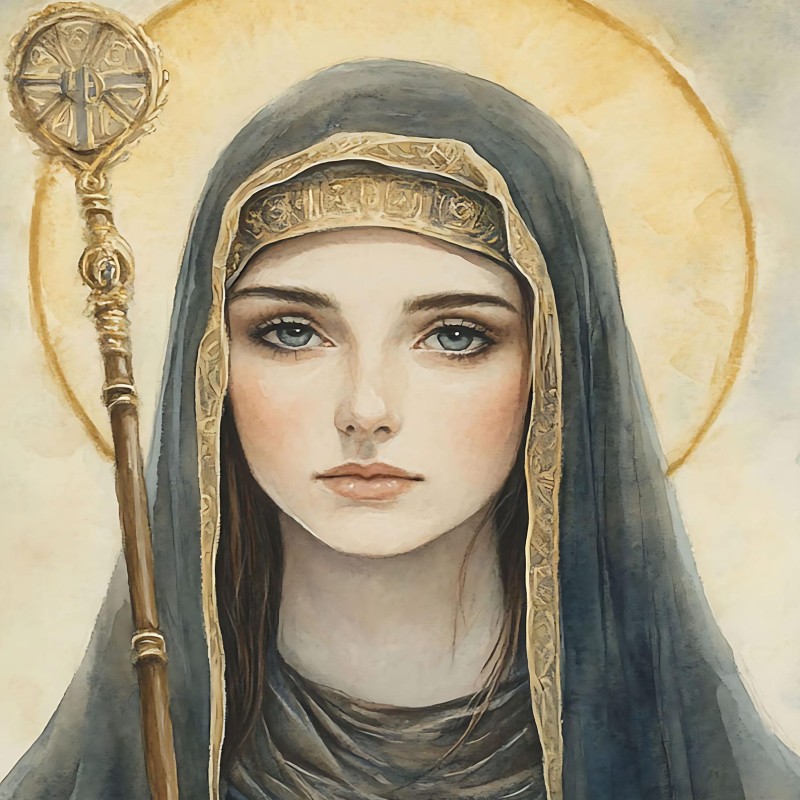
Cambridge may get all the headlines, but the city of Ely is equally as beautiful. And known for having one of the longest cathedrals in England (known as ‘the ship of the Fens’).
The cathedral stands on a site that used to house a monastery, founded by Saint Etheldreda (called ‘Audrey for short!), a 7th century princess who gave up royal comfort, a life of faith.
King Edgar the Peaceful (!) also played an important role in the city’s history, ruling in the 10th century. After many years of turmoil, he gave land and money to Audrey to help rebuild her abbey.
This turned the area into a place of power and wealth, which brought new money to build more majestic buildings. Thank you Audrey and Edgar!
The Ely and Littleport riots
Not all of Ely’s history comes from royalty and saints. In 1816, local riots (due to unemployment, falling wages and high food prices) led to many people living on little more than gruel and water. While the Prince Regent (George V) was spending lavishly on multi-course banquets and spending hundreds of thousands of pounds, on redecorating Brighton Pavilion.
Things turned ugly with rioters even ransacking homes of innocent farmers, and magistrates promised a cap on the price of wheat, if things turned down. However, some riots continued, and some were publicly hanged (and buried in unmarked graves).
The King was known for his selfish lavish lifestyle, named by English Heritage as ‘Britain’s most useless monarch’. He amassed massive debts at the public’s expense, including remodelling Buckingham Palace and rebuilding Windsor Castle.
He also had many mistresses, and fathered several children outside his marriage. Nevertheless, despite always preferring ‘a girl and a bottle to politics and a sermon’, he repented his ways when dying. And actually became very devout, asking his subjects for forgiveness, for wasting his good fortune.
St Albans (a city named after a Hertfordshire saint)
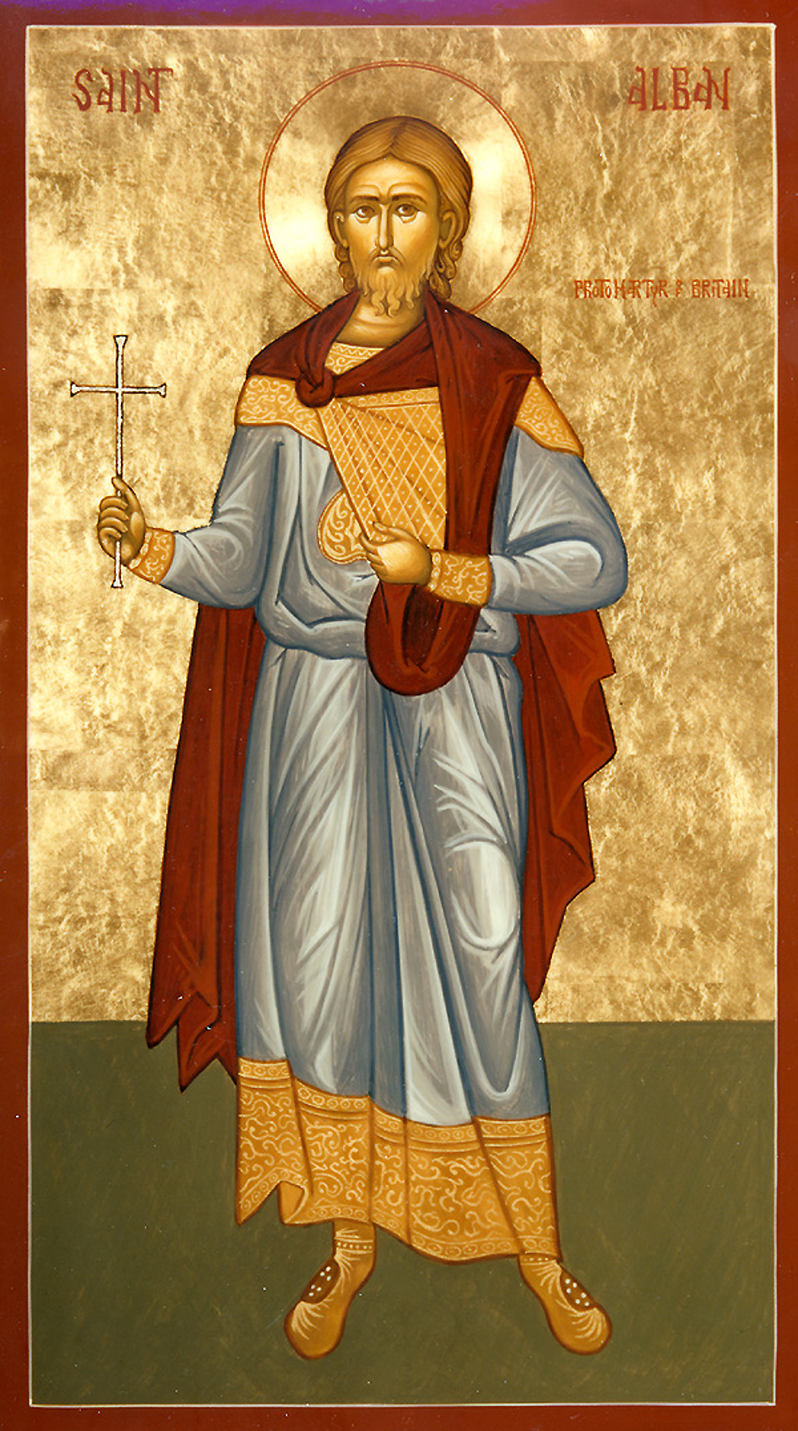
St Alban’s is a beautiful small city, with its own patron saint, who lived around 305 AD. A former pagan, a priest who he sheltered made such an impression, he converted himself.
He is recorded as the first-ever Christian martyr (killed for his faith) and is apparently the patron saint of converts and torture victims. His prayer is often still said today:
I worship and adore the true and living God, who created all things’.
There is a story that St Alban’s execution was delayed, as the fast-flowing river that he could not cross dried up, allowing him to escape. When he was eventually beheaded, his head rolled down a hill and a spring immediately created fresh water.
The executioners were so surprised, they began to revere him as a saint, and the well still stands today at Holywell Hill. How can any reality TV compete with that?
St Albans is recognised as a saint in Catholic, Orthodox and Anglican churches.
St Albans cathedral was built near the site of his execution and houses his shrine. The city is 25 miles from London and houses a 100-acre park in the city centre, which houses ornamental lakes and ancient Roman ruins.
The city also has one of the world’s oldest schools: St Albans School was founded in AD948 (one former student was physicist Stephen Hawking).
Saint Chad (a saint from a city in Staffordshire)
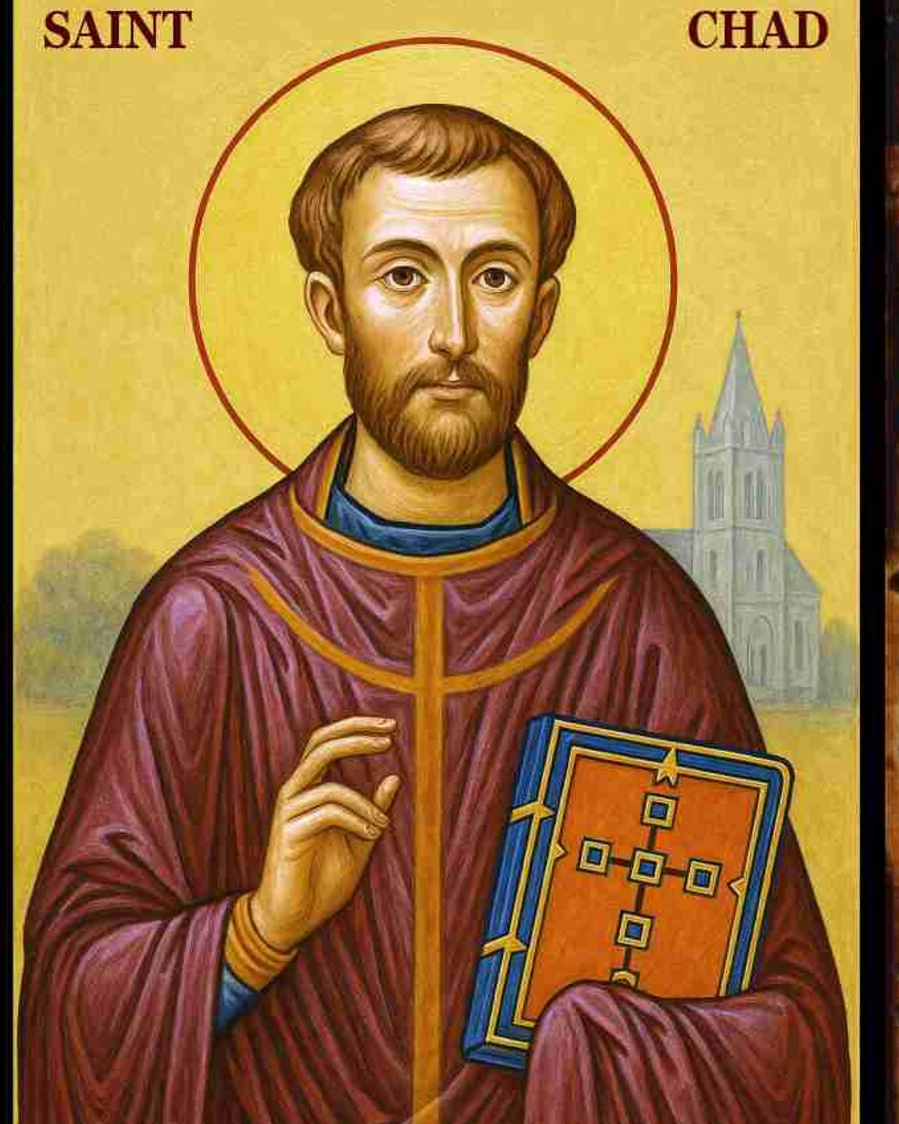
Tucked away in Staffordshire, the small city of Lichfield surprises many who visit. It has a stunning three-spired cathedral, a compact place with hidden museums, green parks and quirky shops.
Saint Chad arrived in Lichfield back in the seventh century (he was from Northumbria). He became bishop and turned the city into the heart of early English Christianity. After he died in 672, his tomb in Lichfield Cathedral became a spot where pilgrims travelled from all over England.
People believed relics of St Chad worked miracles. Everything changed in the 1530s during the English Reformation. King Henry VIII split the Church of England from Rome and ordered religious shrines to be destroyed.
Monks and loyal townsfolk tried to protect what they could, but much was lost. All that survived from the original relics was a small portion, later rediscovered and now displayed within the cathedral.
Lichfield Cathedral’s churchyard is the resting place of 18th century Romantic poet Anna Seward. She was very religious and despite writing of romance, never married herself. A bit like England’s version of the Romantic American poet Emily Dickinson.
If you wander a little farther, you’ll find Dr Milley’s Hospital. Despite its name, this isn’t a hospital in the modern sense. Founded around 1500 by local doctor Thomas Milley, it was set up as an almshouse to house women who needed accommodation.
A county of not-so-saintly celebrities!
For some reason (a bit like Finns who play in heavy metal bands), Staffordshire seems to give birth to celebrities who enjoy a pint or two or more! Locals born here include Robbie Williams (whose parents ran a local pub) and Neil Morrisey (the son of Irish parents).
Motorhead’s Lemmy (the Ace of Spades) also hailed from here. Most other hard-living celebrities had nothing on him.
After 15 years of taking drink and drugs, he asked for a blood transfusion. But doctors who ran tests said his body was so toxic, that fresh blood may have killed him!
Slash (guitarist with band Guns’n’Roses) spent his childhood here, before his family emigrated. He recalled that when touring in England, visiting relatives ‘downed every drop of cider in our dressing room. Our booze would have killed anyone but us!’
Why are so many Cornish places named after saints?
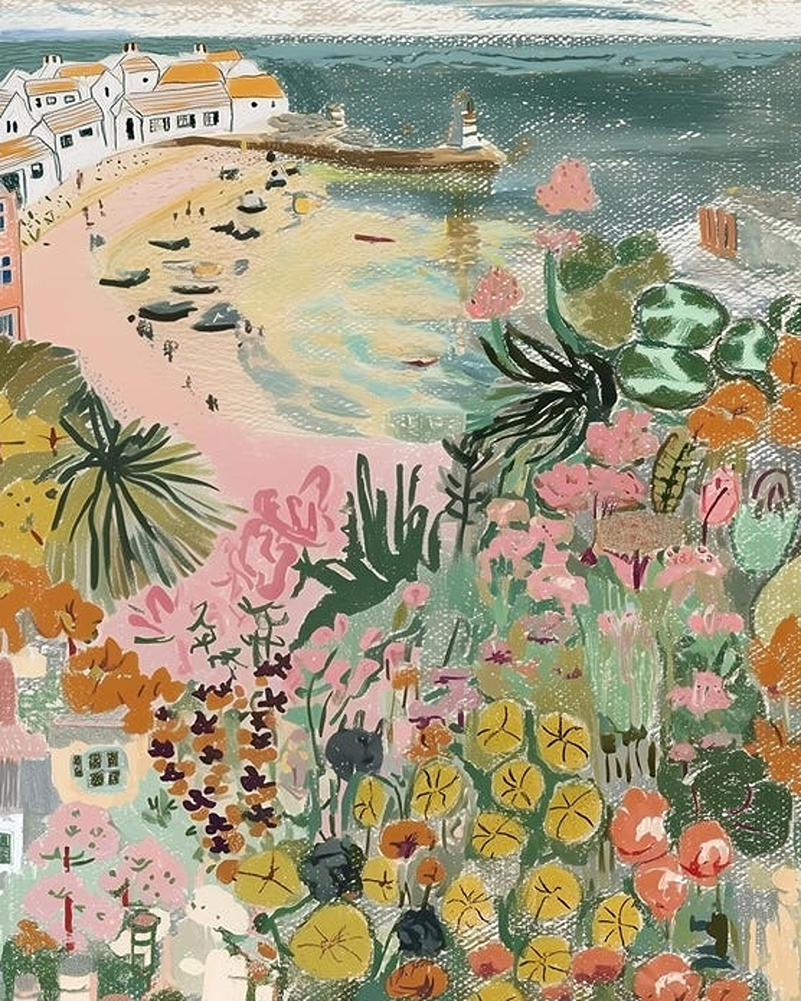
If you have ever travelled to Cornwall, you will notice that a lot of places are named after saints. From St Ives (named after an Irish princess who travelled across the water on a leaf) to St Agnes to St Austell.
Why? Simply because it has a very rich religious history. And after Northumberland, probably has the most saintly history of all English counties.
After the Romans left, travelling holy men and women arrived from Ireland, Wales and Brittany, to spread Christianity. Many lived like hermits in tiny religious churches that you can still find, often dating back to the 5th and 8th centuries.
Three Cornish good guys (southwest saints)
Saint Austell took its name from a 6th-century Cornish saint, Austol, who was a disciple of the Welsh Celtic Saint Mewan, who lived in the 6th century.
He travelled to Cornwall and Brittany with St Austell to spread the word of Christianity, before moving to France, where he established monasteries. The two saints remained good friends, and died within a week of each other.
Saint Blaise, an Armenian bishop from the fourth century, became a local hero. Legend says he healed those with throat problems and even animal diseases, often with miraculous results. People travelled far, hoping for cures or blessings.
Over time, St Blazey adopted his name and a unique tradition: every February, locals would visit church to have their throats blessed, a ritual that still lingers in village memory.
Saint Blaise also served as the protector of animals, which fit the rural life in Cornwall. Stories say livestock owners would bring sick animals to the parish seeking protection and healing.
St Piran (patron saint of tin miners) is also the patron saint of the whole of Cornwall. The story goes that he arrived in Perranporth on a millstone and discovered tin.
St Petroc founded a monastery in Padstow, and is a well-known Cornish saint.