The Interesting History of England’s Children’s Writers
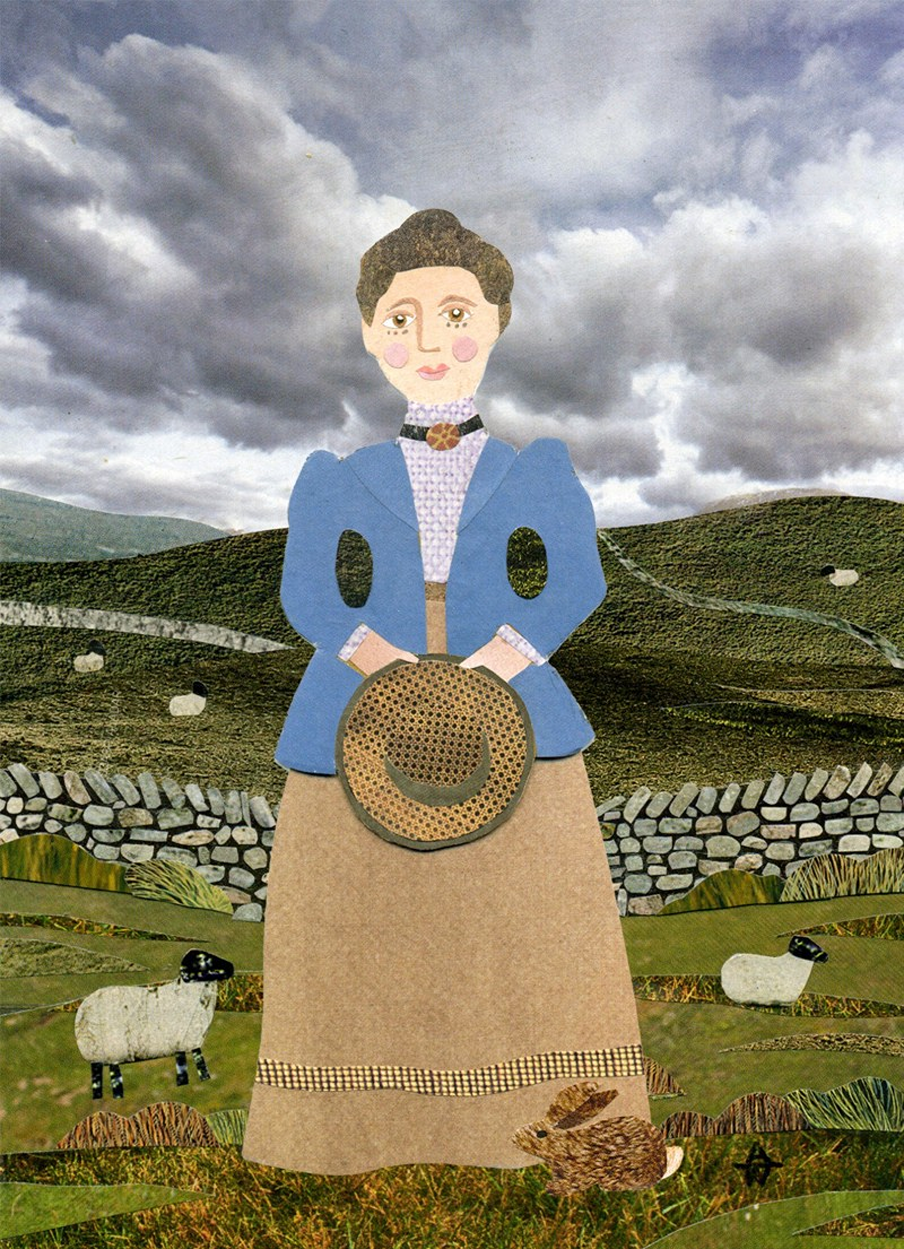
England has had its fair share of English writers over the years. And if you look into the history of those that were most successful, they all had very interesting and unique lives:
Beatrix Potter (gave her estate to the National Trust)
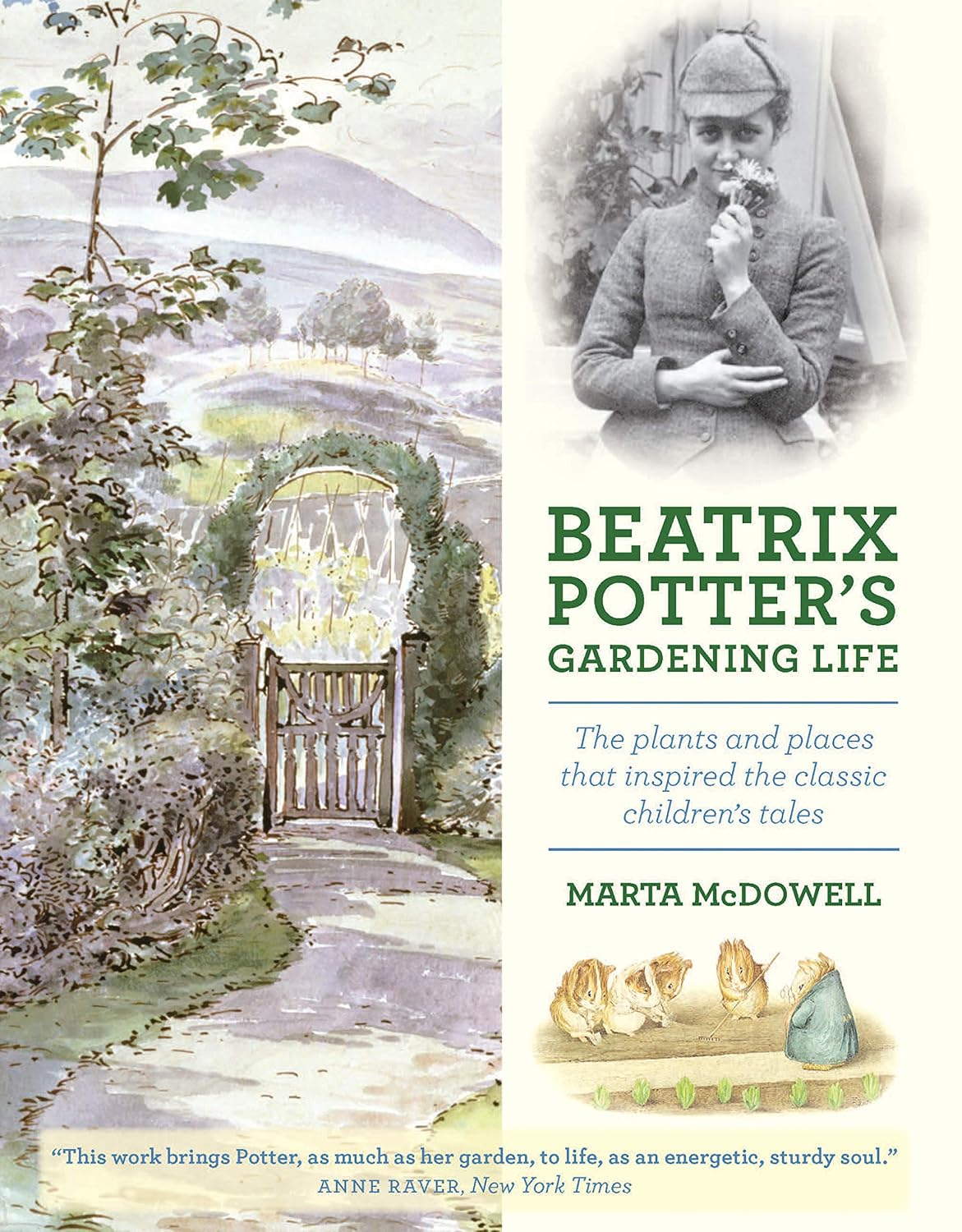
Hawkshead is a pretty ‘chocolate box’ village in the southern Lake District, near Esthwaite Water (one of the smaller and quieter lakes, known for its wild ospreys). It has strong literary connections, being where Grasmere poet William Wordsworth attended school.
This village is also where children’s writer Beatrix Potter met her husband. They soon moved to Near Sawrey, a tiny hamlet a few miles away where she wrote her famous books.
Today, it’s a National Trust property (home to one of four plant-based eateries – Joey’s Café (founded by a climber who decided to switch professions, after recovering from a serious accident).
Beatrix Potter (despite the cute bunny image) gave over the property, on the condition that fox-hunting would always be allowed. Of course, the law has thankfully changed since then, so fox-hunting is now illegal nationwide.
Hawkshead Grammar School is now a museum, as when numbers dwindled to just six students, it had to close. Wordsworth was vocal that his favourite teacher was William Taylor who taught poetry, but sadly he died age just 32, from TB.
One previous headmaster caused controversy after he had ‘got with a child’ with the local servant girl, and was brought before magistrates. He was still allowed to teach, to the dismay of local residents.
Roald Dahl (a life as dramatic as his stories)
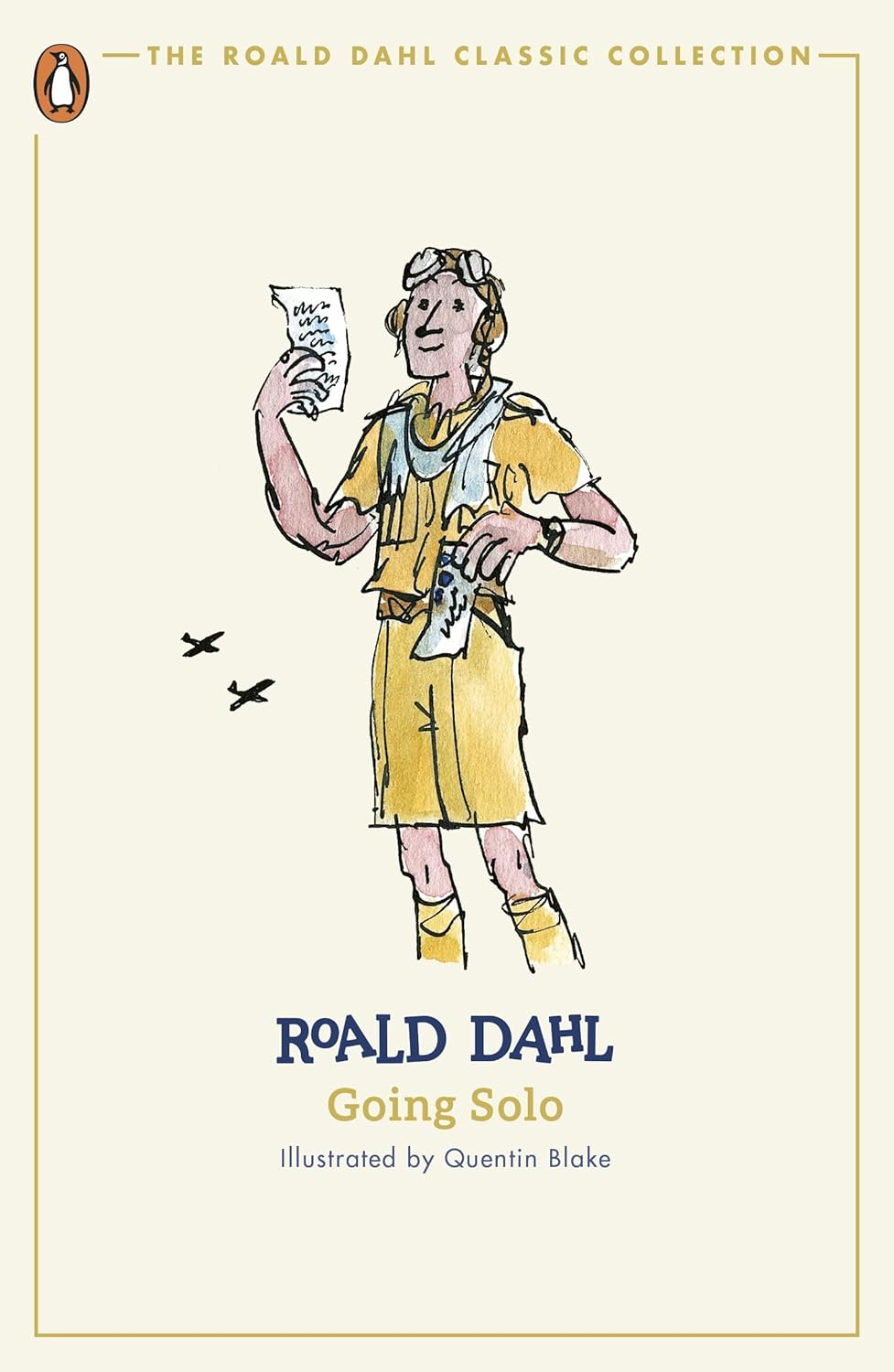
Roald Dahl stands out is still (years after his death) one of England’s most popular children’s writers, although many were dark and strange (he also wrote a lot of the adult stories for TV’s Tales of the Unexpected).
Born in 1916 in the Welsh seaside town of Llandaff, his parents were successful Norwegians (he spoke the language, attended a Norwegian church and at 6ft 5in tall, was a big friendly giant himself!
Growing up surrounded by stories of Norse mythology and the old country (he was named after the explorer Roald Amundsen who disappeared on an Arctic expedition), he and his mother travelled to the Lake District, so he as a child could write his heroine Beatrix Potter.
It wasn’t long before (after serving in the Royal Air Force) he was writing children’s stories himself. Always in his garden shed, with HB pencils on yellow paper!
I understand what you’re saying, and your comments are valuable. But I’m gonna ignore your advice. Fantastic Mr Fox
If a person has ugly thoughts, it begins to show on the face. And when that person has ugly thoughts every day, every week, every year – the face gets uglier and uglier, until you can hardly bear to look at it. Mr Twits
School Experiences That Shaped His Storytelling
Roald attended a strict boarding school with harsh punishments. And it’s believed these school memories which never left him, influenced many of his stories: authoritarian headmasters, the smell of boiled cabbage and the shock of unfairness were all common themes.
As a child, being one of the cadets sent to test new chocolate bars at Cadbury, of course became the inspiration for one of his most popular books: Charlie and the Chocolate Factory. Roald did not like the film version in 1971.
Just like old fairy-tales, this one had a moral tale: of the several sins. Each child has one (gluttony, pride, greed, wrath, sloth) – all meet a sticky end, usually involving chocolate.
Roald also invented his own language of gobblefunk!
But he also had a serious side. Not just writing the film script for Chitty Chitty Chitty Bang (for his friend Ian Fleming), he also wrote the script for the James Bond film You Only Live Twice.
Ian’s brother was married to Celia Johnson, who played the lead role in Noel Coward’s beautiful romantic tearjerker Brief Encounter.
A Very Dramatic (and tragic) Private Life
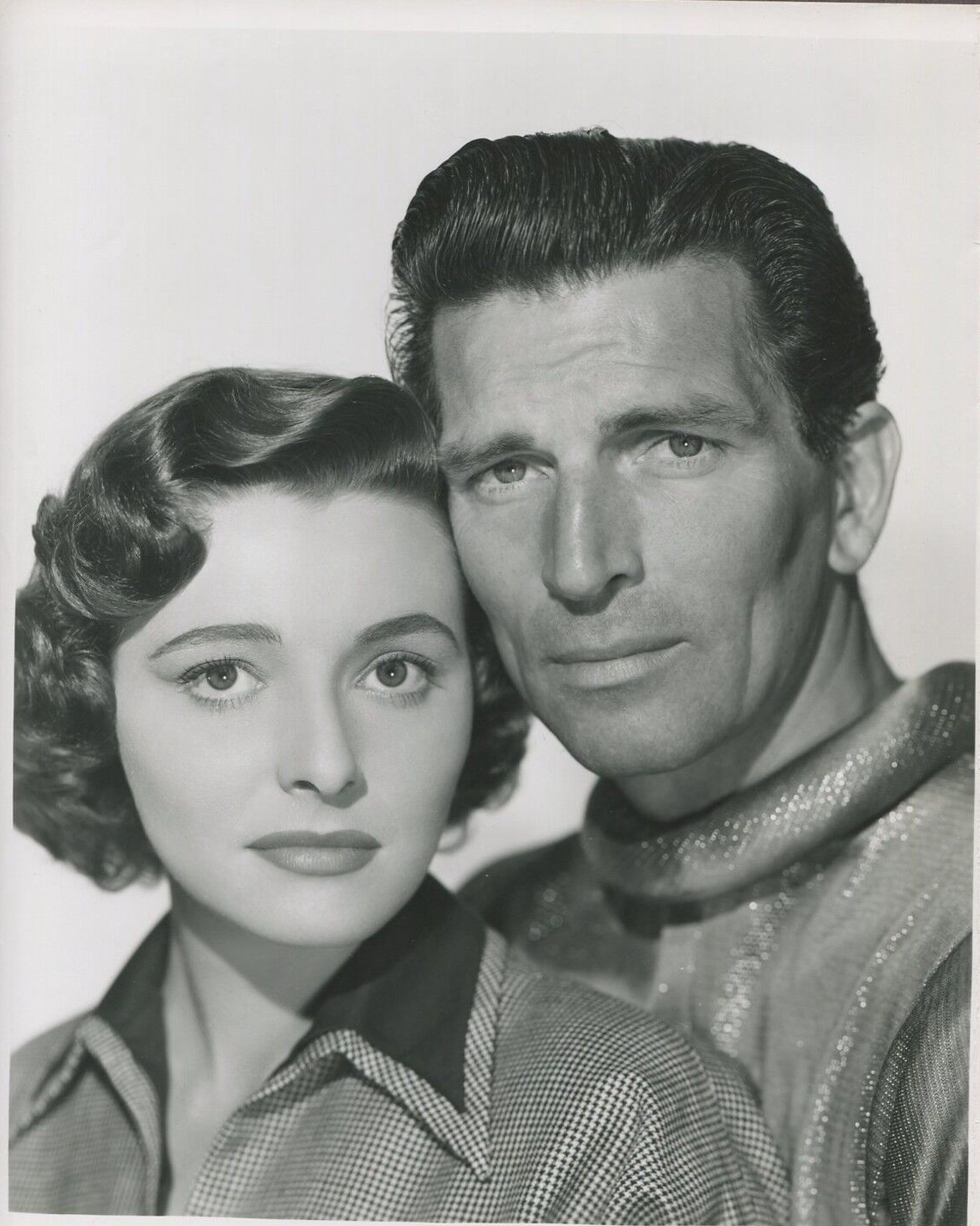
Roald’s wife was American actress Patricia Neal (above, who played the boy’s mother in the 50s sci-film The Day The World Stood Still).
In 1960, their baby was badly injured when struck by a New York taxi. Roald helped to develop a device that helped the medical condition caused by the accident, which is still used today, having helped thousands of children.
Two years later, their young daughter died of measles. After these two tragedies, he visited the former Archbishop of Canterbury, who was told that although his daughter was in heaven, her beloved dog Rowley would never join her. Roald then lost faith in religion, writing:
I wanted to ask him how he could be so sure. I sat there wondering if this great and famous churchman really knew what he was talking about, and whether he knew anything at all about God or heaven. And if he didn’t, then who in the world did?
As if that was not enough tragedy, in 1965 his wife (while pregnant with their fifth child) suffered three burst cerebral aneurysms, fell into a coma for weeks, and had to learn to walk and talk again.
Enid Blyton (a prolific writer of children’s books)

Enid Blyton was one of England’s best-selling children’s writers, her extraordinary imagination producing much-loved books like The Folk of the Faraway Tree.
The daughter of a Sheffield cutlery salesman, he was also a keen naturalist who knew everything about birds, animals and flowers. After training as a teacher, Enid married a former soldier turned publisher, then focused on her writing, before sadly developing dementia.
There are varying accounts of Enid’s life, with different stories by each daughter. Gyles Brandreth has written a good post, when he went to visit them both. He credits some of his own writing down to reading her books, as a child.
Whatever you think of his political views (he used to be a Conservative MP), he is a very good writer and storyteller, and one of England’s most popular after-dinner speakers. You only get that with a good imagination, likely fostered by books in childhood.
What is certain is that those of us who love to write (and can’t stop!), is often down to being encouraged to read good books as a child. Not just for education, but to foster imagination. And Enid’s extraordinary Folk of the Faraway Books likely has turned many children into adult writers.
‘Come back and have tea with us’ said Moon-Face. ‘Silky’s got some Pop Biscuits, and I’ve made some Google Buns. I don’t often make them – and I tell you there’s a treat!’
Blyton’s writing career is a study in sheer productivity. Over four decades, she published more than 700 books and penned thousands of short stories. On some days, she could write as many as 10,000 words, spinning out tales that captured children’s hearts.
Controversies and Criticism
In today’s society, Blyton’s books have sometimes been criticised, for outdated rhetoric. But this could be said of any writer:
Beatrix Potter’s legacy is the National Trust, after donating her substantial land, which has helped to prevent mass building (we’d now likely all be living under concrete). But despite the ‘cute bunny’ image, she only did so, on condition the land could be used for fox hunting (obviously now illegal).
Rising Damp was one of England’s favourite TV comedies. Philip (the African character) always had the last laugh, but this (and Porridge) often have warning signs, about outdated language.
Does that mean that no-one ever reads such books or watches series (Porridge is now acknowledged as likely one of the best comedy series ever written).
Who matters more? Snobby literary types, or the hundreds of millions who have lovingly consumed her work, without any idea of Blyton’s personal views? Dan Wooton (journalist and broadcaster)
Obviously we can choose to no longer support books about golliwogs. But most of Enid’s books would never cause offence, and give rise to fostering tremendous imagination in children.
The Folk of the Faraway Tree
Perhaps nothing shows Blyton’s creative energy better than the wildly inventive Faraway Tree series, a set of books that invites readers into a place where nothing is quite as it seems.
The Faraway Tree itself stands tall in the Enchanted Wood, a tree so enormous that worlds visit its top. Every time someone climbs up, they discover a new land – upside-down towns, talking birds, and moon-faced characters who break every rule of the real world.
The heroes, children travel alongside characters like Moon-Face, Silky the fairy, and Saucepan Man. The lands they visit are as random as a child’s daydream. Sometimes it’s the Land of Toys, other times the Land of Take-What-You-Want or the bizarre Land of Dame Slap (later changed to Dame Snap).
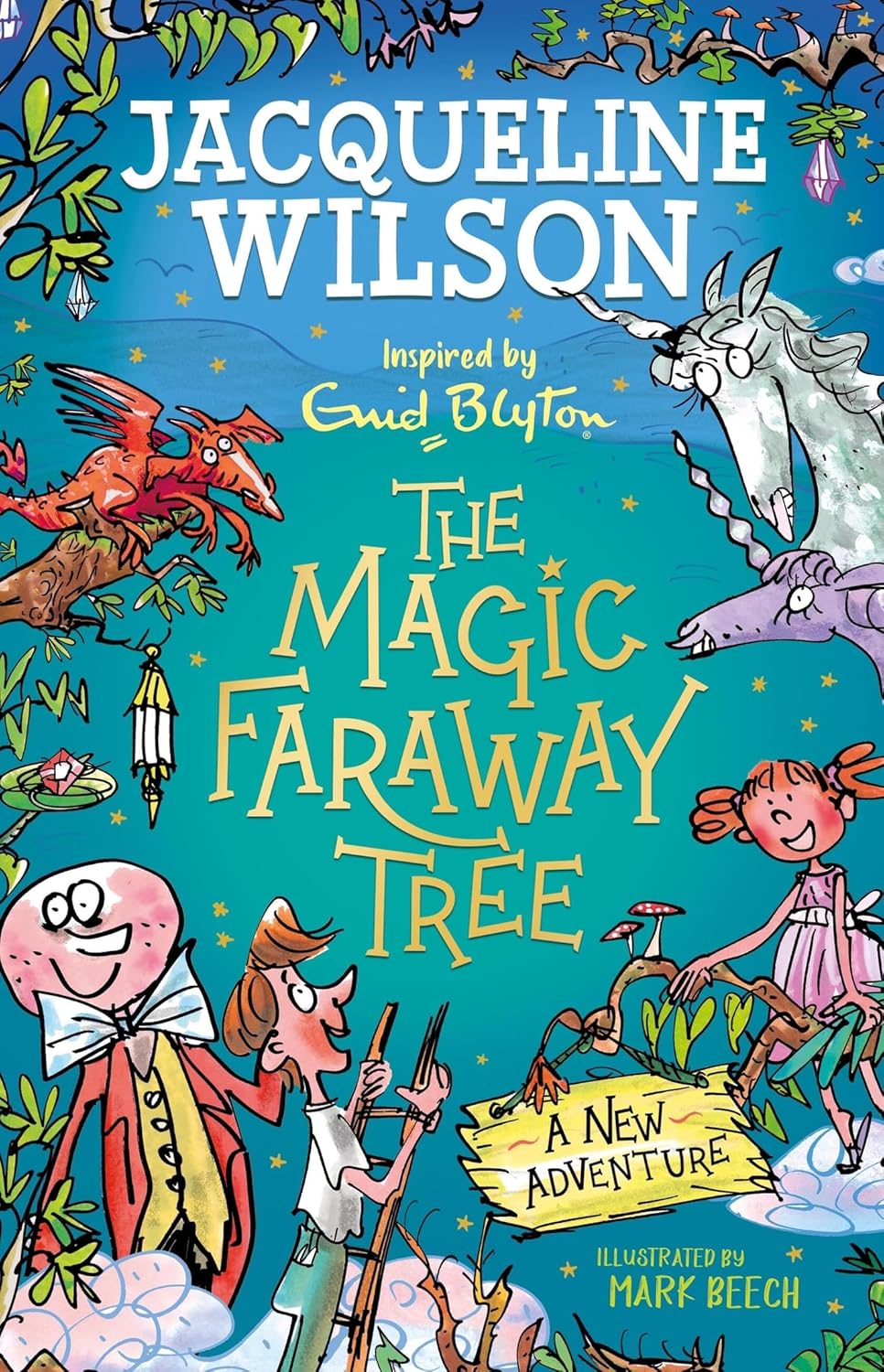
Something you should not update things (The Day The Earth Stood Still, The Ladykillers etc). But (very good) writer Jacqueline Wilson was asked to write a new faraway story, and The Magic Faraway Tree has had rave reviews.
Milo, Mia and Birdy are keen to return to the cottage by the Enchanted Wood for Christmas to visit their friends. Which amazing worlds will arrive at the top of the Faraway Tree at this time of year?
The children are hoping for a trip to the Land of Presents or perhaps the Land of Snow. But before they can celebrate, there is a chilling visit to the Land of the Frozen North . . .
Why The Wizard of Oz Still Captivates
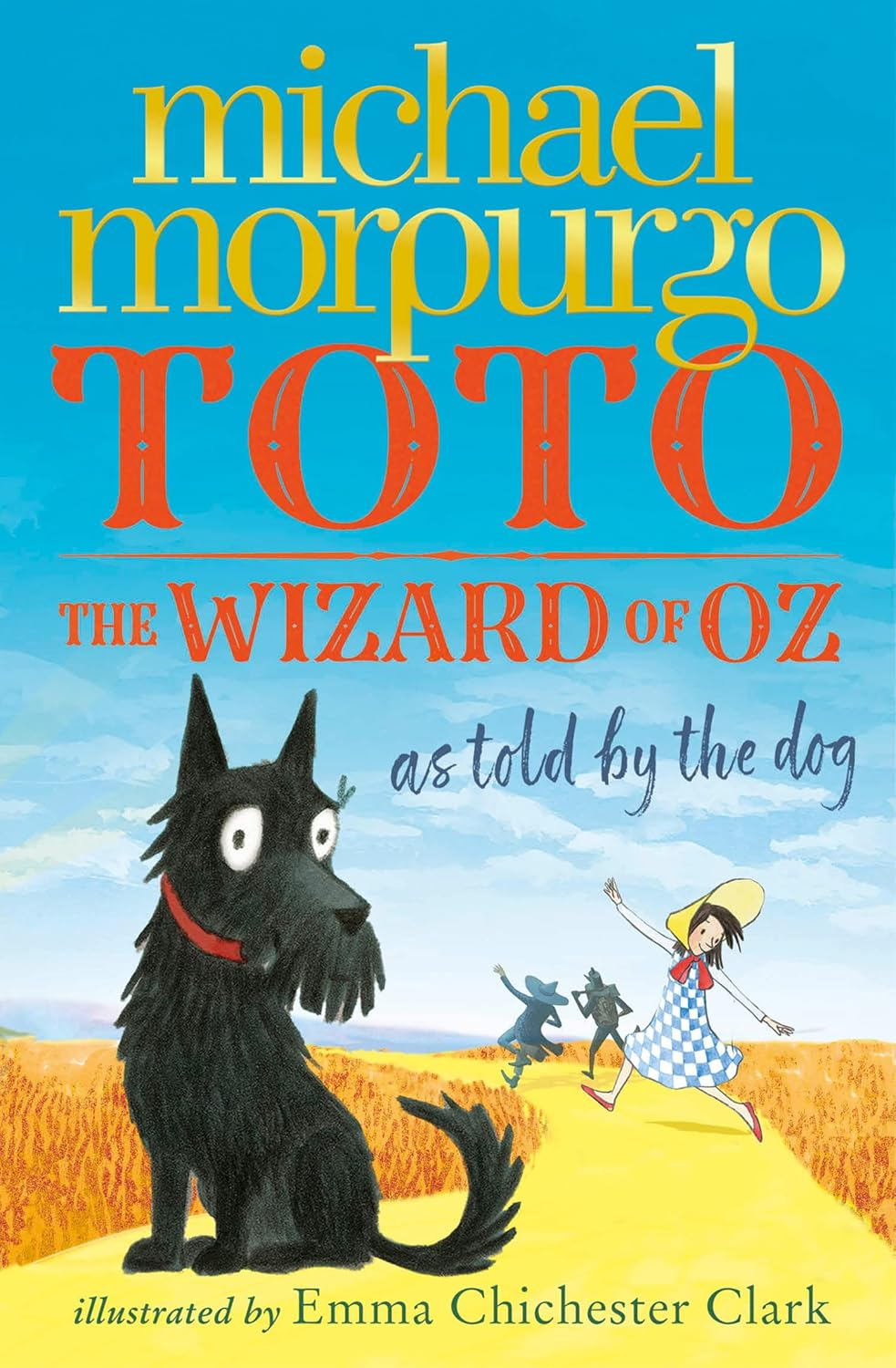
The Wizard of Oz was of course a Hollywood film (and nothing to do with England). But it remains one of the most popular children’s films ever (almost 100 years after its release). And with good reason.
Because as well as imparting important messages (more on that later), it revolves around something that many young children these days are lacking, due to ‘pressing things with batteries’ to make them do anything: imagination.
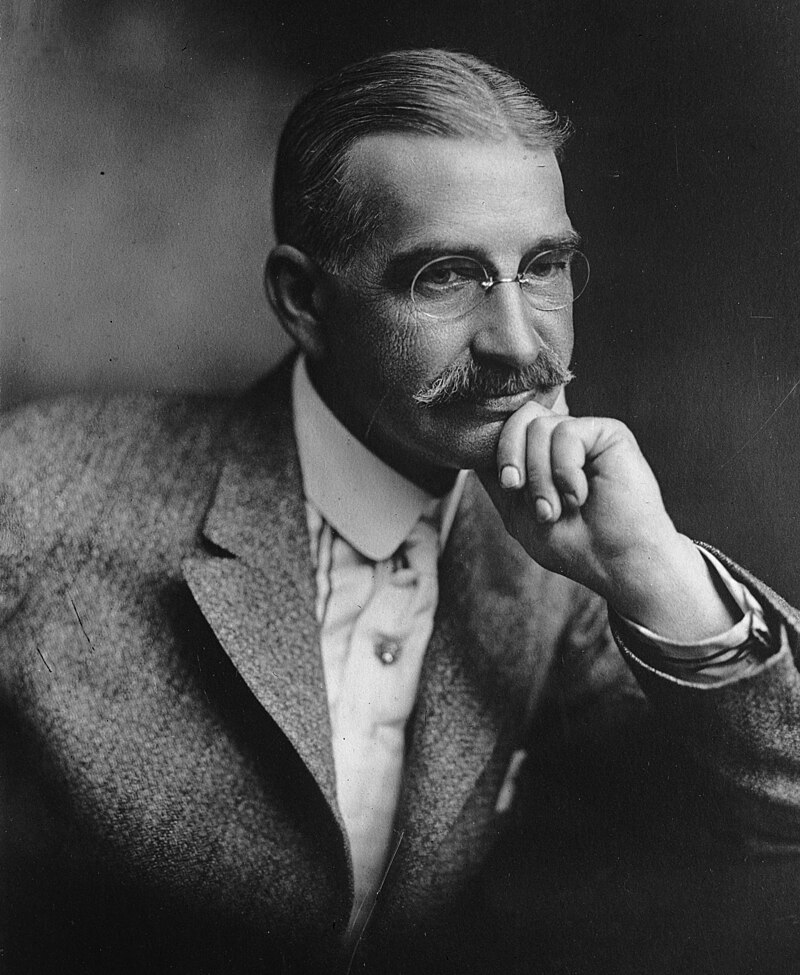
L Frank Baum was the American author of the book (written in 1900) that went on to become one of the best-loved children’s films of all time. He actually lived in South Dakota (not Kansas) and had written many other children’s books, not just this one.
Interestingly, Frank grew up in a wealthy family in New York State, but was severely disciplined for ‘daydreaming’ at the military academy he was sent to, allowed to return home after a heart attack, possibly induced by the stress of military life. So his fierce imagination was evident back then.
When asked later how he ‘thought up the book’, Frank replied ‘It was pure inspiration. It came to me right out of the blue. I think that sometimes the Great Author had a message to get across and He was to use the instrument at hand’.
The film actually lost a colossal amount of money at the box office. And only began to bring in revenue, when it started to air in the 50s, and became more popular each time it was shown.
Ever since its release in 1939, children and adults have been drawn to its colourful world, catchy songs, and unforgettable characters, inviting each new generation to follow the yellow brick road.
Judy Garland was chosen for the role of Dorothy, due to her incredible mature singing voice (despite being only 17). One of the film’s six Oscar nominations was for the song that she sang – Over the Rainbow.
Experts have noted that unlike some singers with drink/drug addictions whose performances have suffered, her early vaudeville training with breath support, is the reason why despite her personal issues, her performances were still outstanding, right up to her early death.
Adaptation from L. Frank Baum’s Book
The book by L Frank Baum is actually more detailed, there being four lands in different colours (a yellow land, not featured in the film is included). This was the land of the ‘winkies’ that were known for their tin-crafting skills (the book is really more for adults, than children).
Bringing the book to life as a film meant it had to be simplified for younger viewers. As the book has strange dark moments that would not suit a family film (although the witch was quite scary for children!) Plus the book did not have musical numbers!
In the original book, the ‘ruby slippers’ on Dorothy’s feet were actually silver. They were switched to red, to make them shine in the Technicolour. Which happens when her house lands in the land of Oz, after being uprooted from a cyclone in Kansas.
Judy Garland (tragic life of an icon)
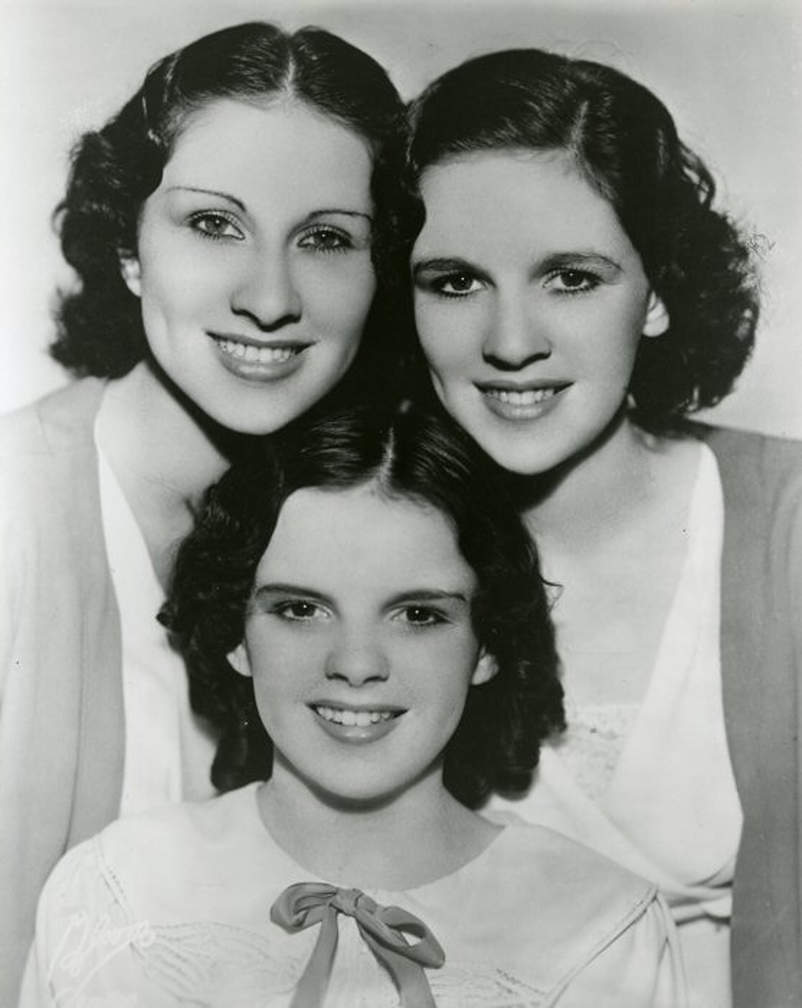
Judy Garland (who came from a vaudeville act of three singing sisters) had a tragic life. This gifted pretty girl was already being told she was overweight on set, given pills of all kinds by the end of the film. Which likely led to drug addiction, and her early death age just 47.
In real life, her daughter Liza Minnelli married the son of Jack Haley, who played the ‘tin man’. A devout Catholic, he regularly appeared on a 50s TV show called The Christophers, which advocated for showing ‘positive and ethical behaviour in the media’ – how times have changed.
The original choice of the tin man was Beverly Hillbillies actor Buddy Epsen, who had to drop out, when he almost died from ‘fermented blood’, caused by aluminium paint poisoning (the formula had to be changed).
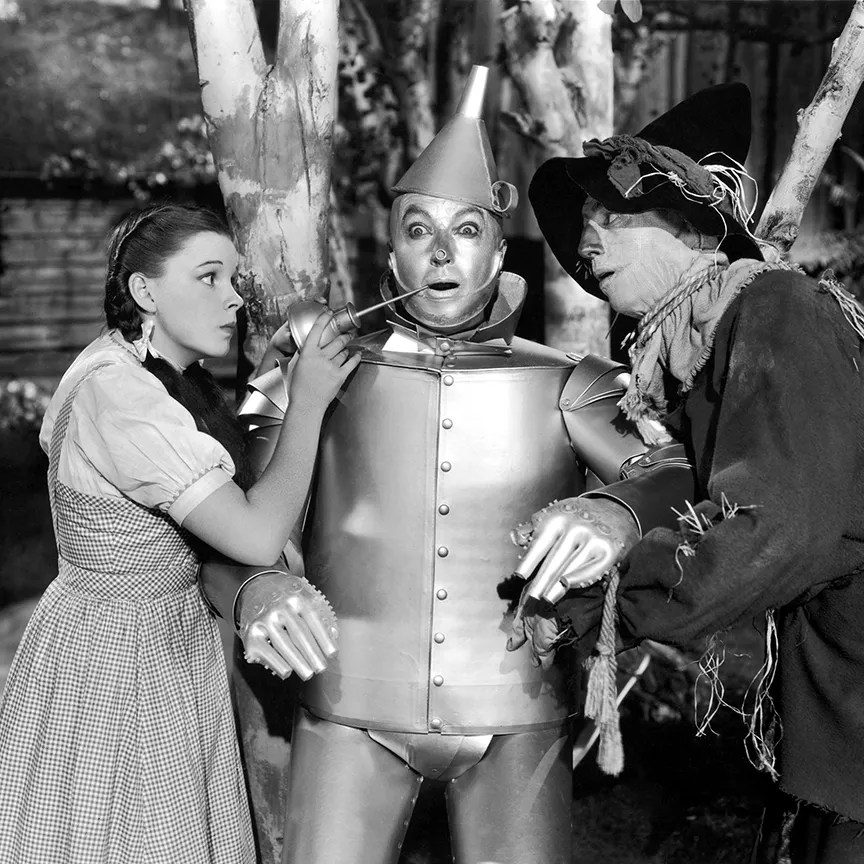
Roy Bolger who played the friendly scarecrow was a lifelong entertainer, who in real life was a more serious Catholic Republican. He was happily married for almost 60 years, although they never had children. Known for his kind approachable nature, he lived to 103!
Roy had read the story as a child, and thought the book was a a reminder of wisdom from the Bible, that his mother had pointed out to him: ‘The kingdom of God is indeed inside all of us, if we’ll only seek and find it there’.
Bert Lahr (who played the cowardly lion) was another Vaudeville act, who used his wages to support his family, which included a former wife who lived in an asylum, due to schizophrenia.
If we could turn back time, film-making would have been more humane. As the lion’s costume was indeed made from real lion fur, likely from a zoo or hunting expedition. Thankfully times have moved on.
And what of the Munchkins? We now know that Judy was complaining at some taking peeks under the dress (when she still a minor), something that would now be illegal. She later said ‘They were little drunks. They got smashed every night, and the police used to scoop them up in nets’.
But not all were like that. One of the few surviving female munchkin actors has told of how kind Margaret Hamilton was, telling them not to be scared when she was about to play the wicked witch.
The Wicked Witch (nicer than you’d think!)
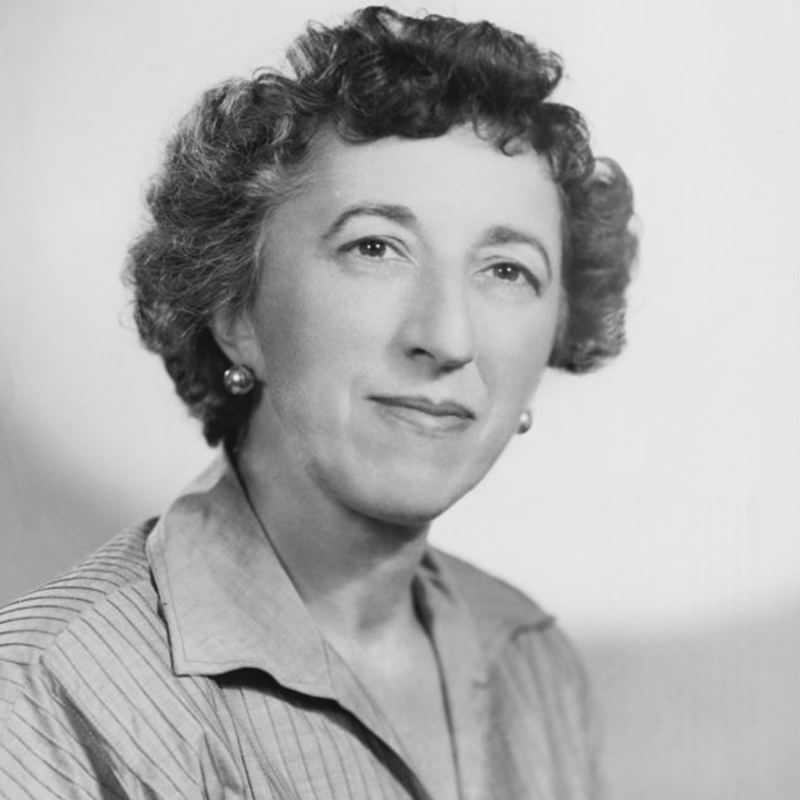
Margaret Hamilton who played the Wicked Witch of the West was in real life a charming lady, who when first told she had won a part in the film, believed it was to play kindly Aunt Em! She suffered third degree burns when the toxic copper (green paint) ignited in an accident.
In real life, Margaret was a former kindergarten teacher, who campaigned for animal welfare and children’s education. She was just 36 when she played this part (18 years younger than the actress who played the Good Witch).
A Good Witch (descended from Edward I)
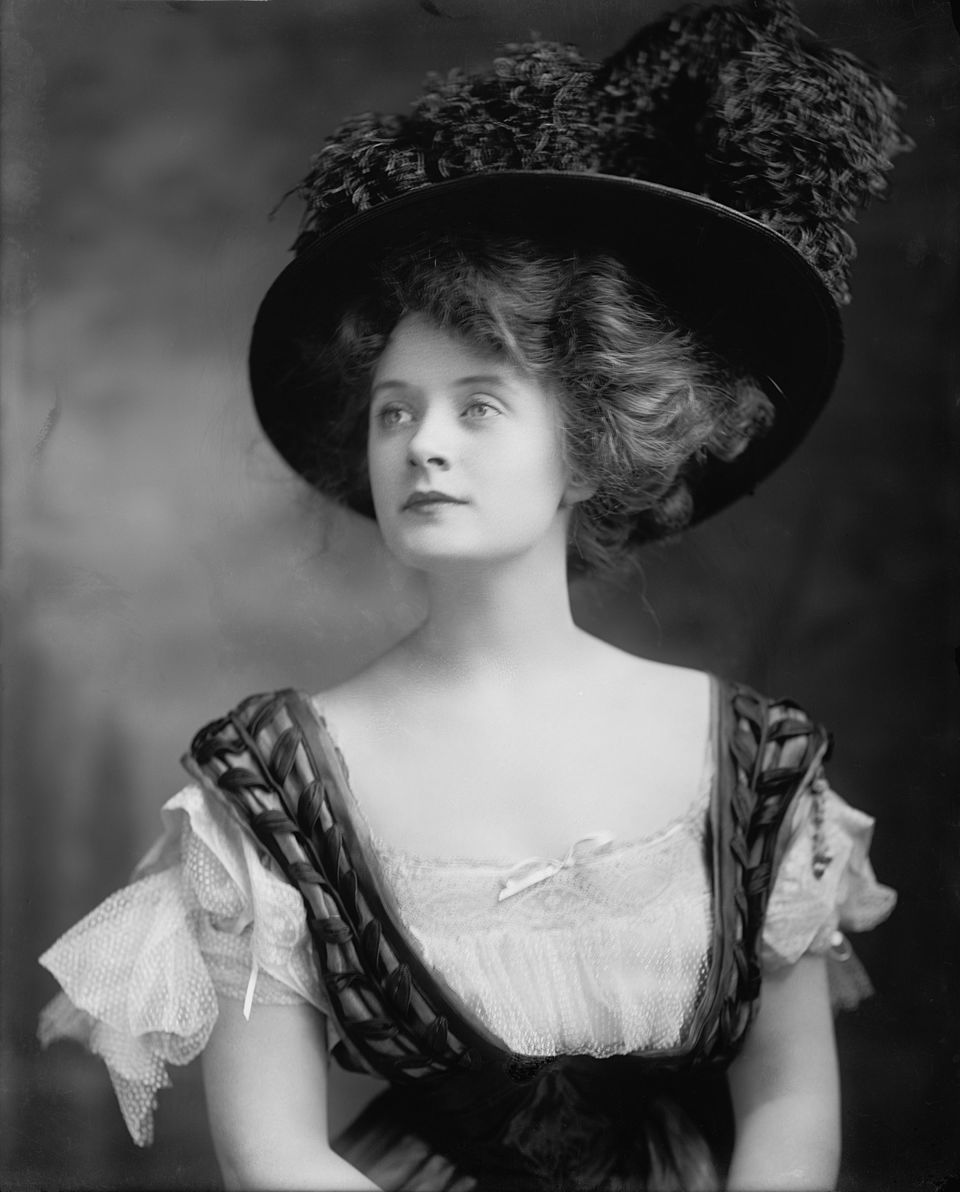
Billie Burke was the beautiful ‘good witch’ who helped Dorothy return to Kansas. In real life, the great-granddaughter of King Edward I moved to Broadway, after a successful career on the London stage. And bought a mansion in New York by age 24.
However she and husband lost everything overnight in the Wall Street Crash. Her husband’s death then left her in grief and debt. She was 54 when she played the part, yet is remembered for being one of the most beautiful screen presences ever in a film.
The Sad Life of ‘Aunt Em’ Actress
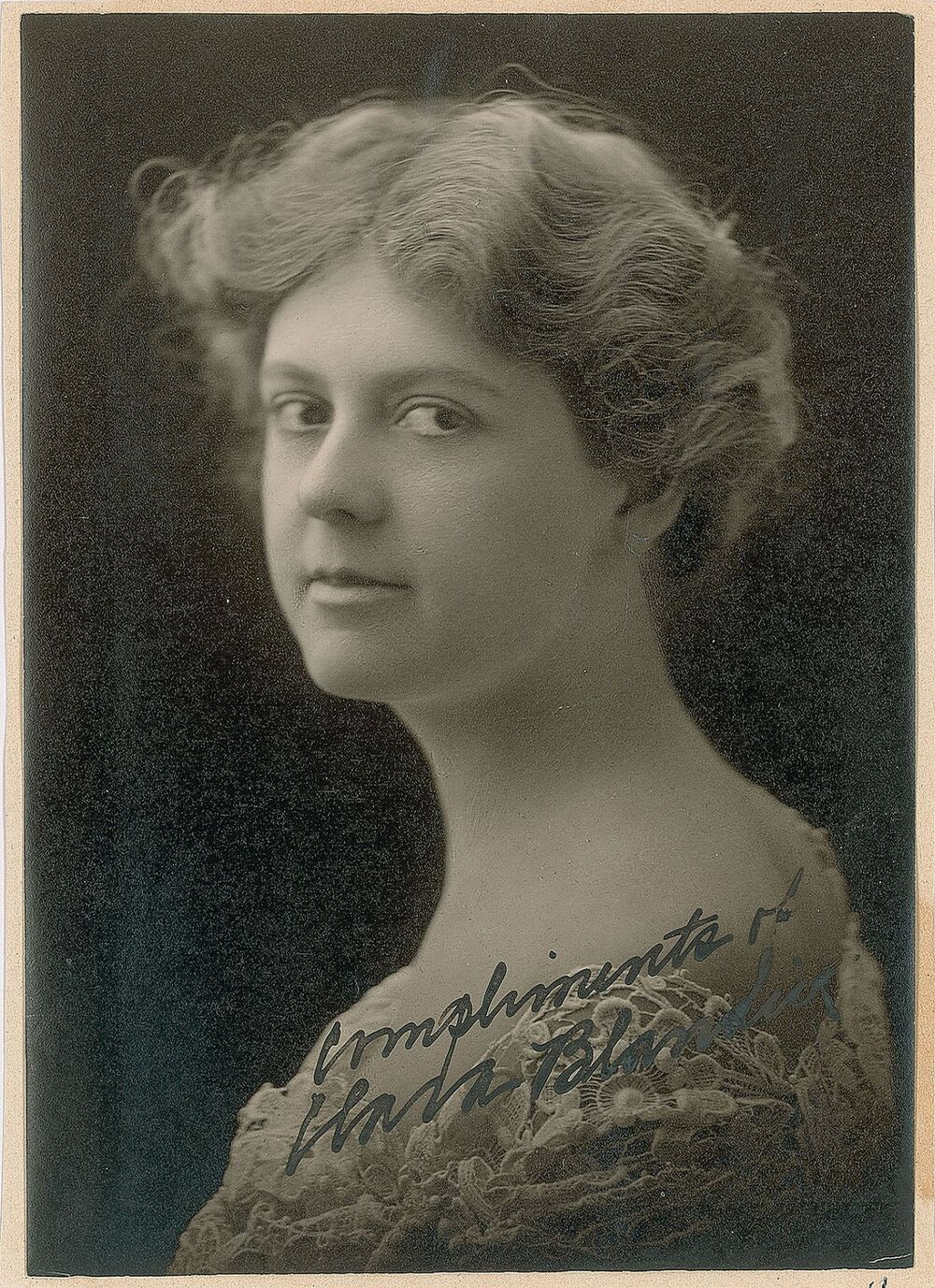
Uncle Henry was played by actor Charley Grapewin, a former trapeze artist. The actress who played Aunt Em lived until her 80s, but it was a sad end.
Crippled with arthritis and about to go blind, she took pills, put a plastic bag on her head and wrote a note asking ‘I pray the Lord my soul to take. Amen’.