Therapeutic Massage (why is it not on the NHS?)
Therapeutic massage is not like some dodgy back-street parlour. It’s performed by properly trained therapists and has huge benefits for stress, aching joints and muscles, recovery from illness and better immunity. Yet it’s hardly ever offered on the NHS, when it could do much good, and massively reduce medical bills.
The NHS often offers physiotherapy, but proper massage therapists are just as highly-trained, and can help all kinds of medical issues including stiffness, rheumatic pain and post-broken-bone care.
Ask your GP before massage (it can have contraindications for medical conditions). Avoid essential oils for pregnancy/nursing or affected medical conditions, and keep aromatherapy away from children and pets. Don’t pour neat essential oils down toilets or drowns (bin securely, as undiluted they can still harm aquatic life).
Self-Help massage for beginners
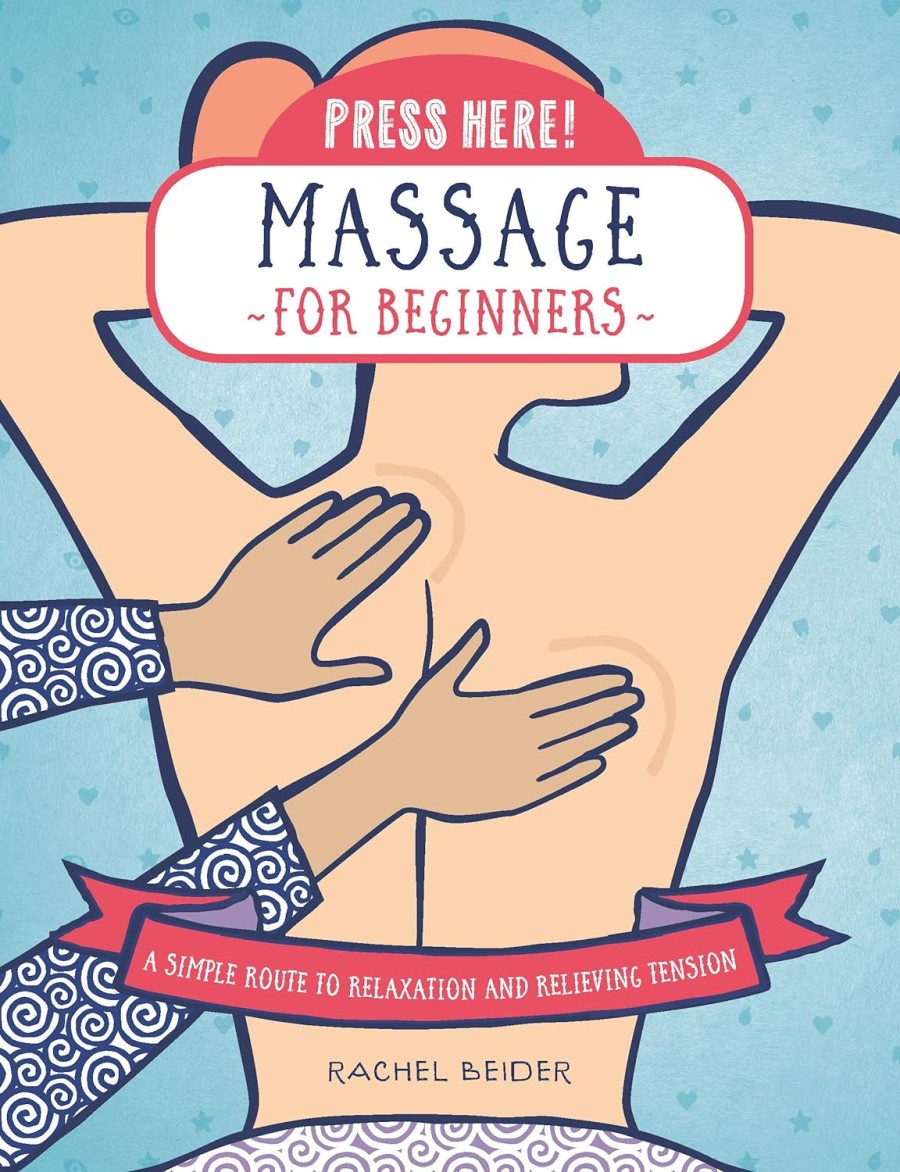
Press Here! Massage for Beginners is a beautifully illustrated guide, and the book includes tips for self-massage. All written by a licensed massage therapist, the book uses fun and modern illustrations to help you relieve pain, alleviate tension and recover from sport.
The book includes massage techniques for the shoulders, back, neck, arms, hands, legs, feet, head, scalp and face (plus massage for relaxation). There are also treatment plans to help:
- Headaches
- Sinus congestion
- Constipation
- Menstrual cramps
- Pain relief
- Insomnia
- Inflammation
- Arthritis
Campaigns for massage on the NHS
Massage is only available as osteopathy for certain conditions. One massage therapist has put up a petition at 38 Degrees, asking for massage by qualified therapists to be free on the NHS.
Massage can help with many medical conditions and disabilities, and could not only benefit patients, but save the NHS a fortune on preventive medicine, so less drugs were needed. Qualified lymphatic drainage masseurs have absolutely amazing results.
NHS England spends up to £10 billion a year treating musco-skeletal conditions (with 7.5 million days lost due to ill-health and up to 60% of patients on long-term incapacity benefits, 10% of which suffer depression).
30% of GP appointments are related to such conditions, and yet these are the kinds of conditions that massage therapists can treat (yet most patients can’t afford the £50 or so treatment cost). Having them available would also free up time for doctors and nurses to treat patients with other conditions.