How to Create a Plastic-Bag Free Town
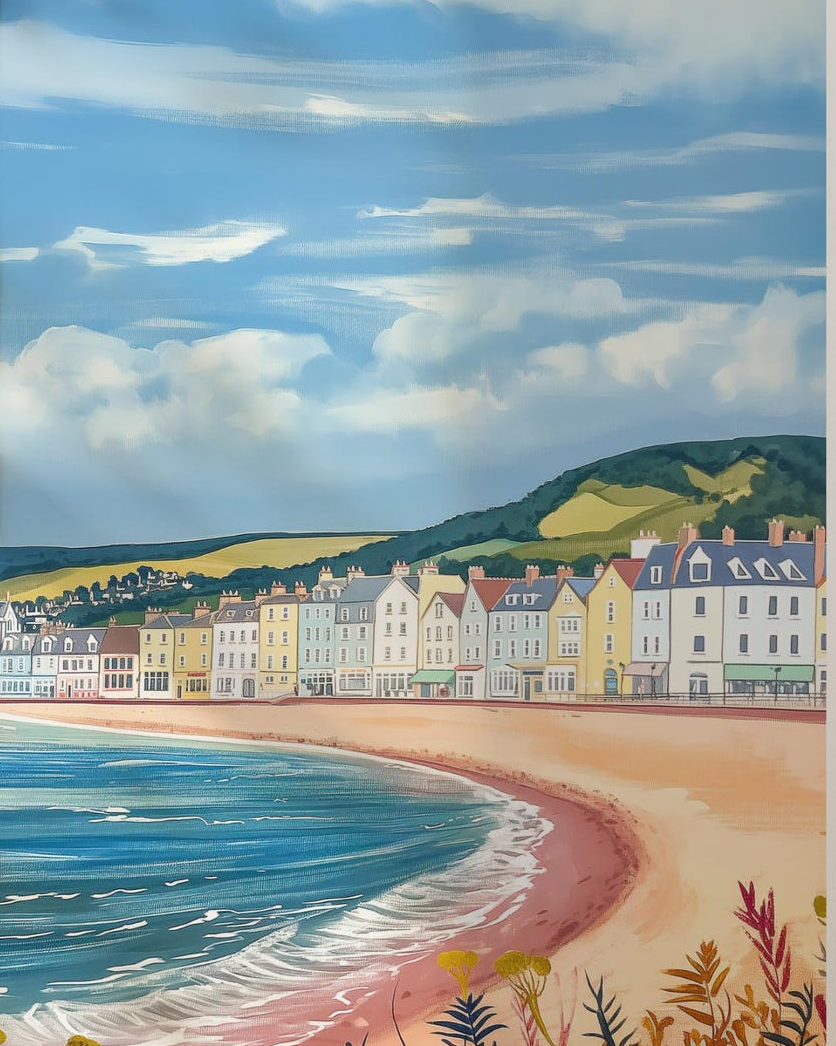
Devon is one of England’s largest counties, and also has one of its longest coastlines. Situated in southwest England, it’s far bigger than neighbouring Cornwall, East Devon stretching to Dorset’s Jurassic Coast.
One of the sunniest counties in England, the many sandy beaches give rise to lots of visitors in summer (perhaps too many, as often wealthy resorts mean locals are priced out of the market, due to mostly empty second homes).
Always follow the Countryside Code to keep all creatures safe. Keep dogs away from steep banks, mushrooms (and toxic plants/trees) and on leads near birds, barnyard friends and wild ponies.
If at the coast, keep away from nesting birds and never walk on sand dunes. Learn how to keep dogs safe by the seaside (check beach bans before travel).
Join the campaign to ban flying rings, to help local seals.
East Devon (bordering Dorset’s Jurassic coast)
East Devon is home of the pretty town of Sidmouth (beloved by Sir John Betjeman) along with Budleigh Salteron (name after its history of salt) and Exmouth (the oldest seaside resort in Devon).
Here you’ll find A La Ronde, a 16-sided house, built in the 18th century by two spinster cousins, who were inspired after a grand tour of Europe. Owned by the National Trust, the surrounding orchard is home to old Devon varieties of apple, plum and medlar trees.
It also has a hay meadow full of butterflies and crickets. And a ha-ha lawn (a type of sunken fence popular in 18th century gardens).
This is also much quieter, home to Exmouth (the county’s oldest seaside resort).
Exeter, Devon (a historic Roman city)
Exeter is one of England’s most elegant cities, with a strong Roman history. Known for its beautiful cathedral and unique 14th century underground passages, it features the oldest civil building still in regular use (Guildhall) and even a 14th century timber-framed house. History everywhere!
Parliament Street (England’s narrowest at just 25 inches) used to stink back in the day, when people would empty their chamber pots onto the pavement, leading the City Chamber locking the doors at each end!
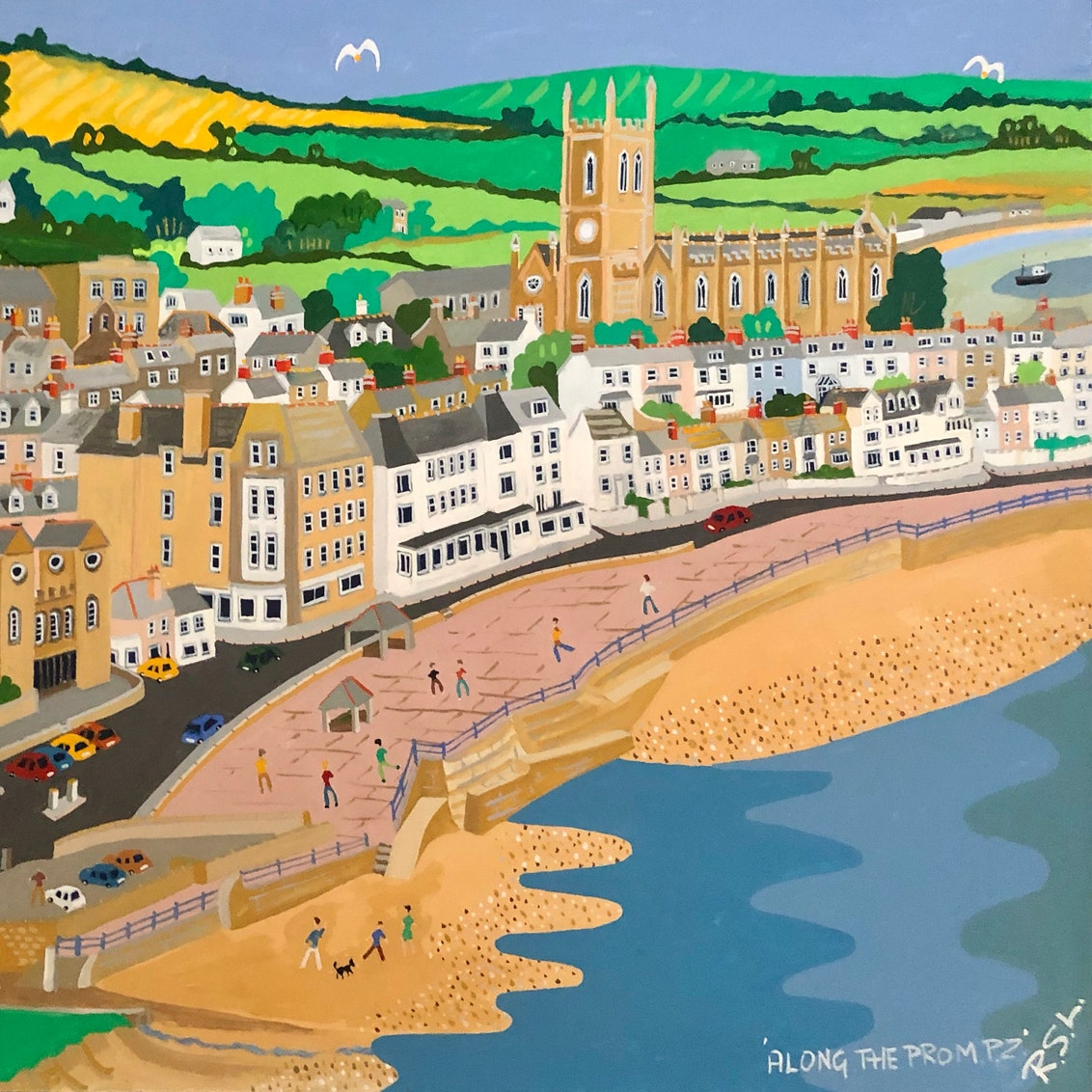
Penzance is one of England’s first plastic-free communities, involved in litter clean-ups and beach cleans and local shops that use reusable containers. Local greengrocers turn leftover veggies into soup, there are many zero waste shops, and restaurants are part of the nationwide tap refill water station network.
Even the local lido is powered partly by geothermal energy. And this is also where you take the 3-hour ferry ride to Isles of Scilly (it only operates part of the year).
Meaning ‘Holy Headland’ in Cornish, there is a very mild climate due to the Gulf Stream, so you can even find palm trees growing here. And Jubilee Lido is England’s largest sea water version, designed in an Art Deco style.
Out walking? Follow the Countryside Code to keep all creatures safe. Keep dogs away from steep banks, mushrooms (and other toxic plants/trees) and on leads during nesting season (and near barnyard friends and wild ponies).
At the coast, keep away from nesting birds and never walk on sand dunes. Learn how to keep dogs safe by the seaside (check beach bans before travel).
Penzance’s push for cleaner seas and streets
Cornwall has strong reasons to care. Although it’s mild, it’s also windy so a dropped crisp packet can easily make its way to shore. And as a popular tourist spot, that means more day trips, more filled bins and more takeaway meals.
Common litter found in holiday destinations include:
- Takeaway cups, lids and straws
- Sauce sachets and sugar packets
- Wet wipes
- Cigarette butts
- Film lids and cutlery
When it rains, litter slips down gutters and into drains, then goes out to streams and the sea. Wind then can carry litter from open bins (which should be secured instead) and into oceans. And the plastic breaks down into microplastics, to be ingested by Cornish marine creatures like seals and dolphins.
How Penzance does things differently
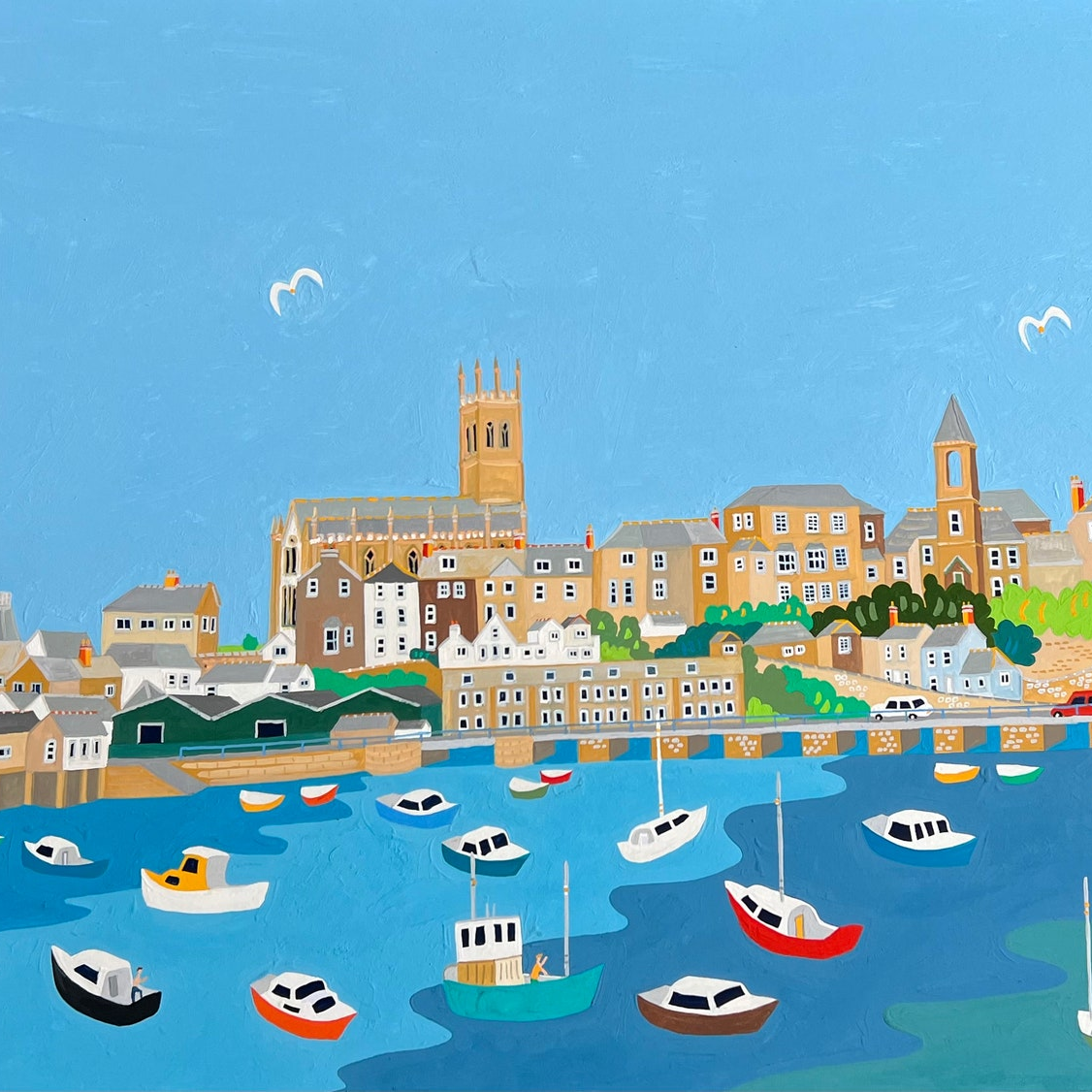
Walk around Penzance and you’ll notice big differences. Many stores have refill options, rather than selling in disposable plastic. People fill up reusable water bottles at one of the many refill stations. Restaurants offer ketchup in bottles, not in plastic sachets.
Many shops give discounts for people bringing reusable cups, and only hand out cutlery or straws (plastic-free) if someone asks. And local hotels offer toiletries in reusable containers, not in mini-sets.
This also has knock-on effects over the water. As Penzance is the departure point for ferries to the Isles of Scilly, this plastic-free lifestyle means that less trash ends up on their islands too. Good job!
This is a lot quieter, but still home to some nice holiday towns like Ilfracombe, and the twin towns of Lynton and Lynmouth (known for being home to one of England’s few remaining funicular railways). It also is home to Clovelly, one of England’s privately-owned villages.