Pig Welfare (simple tips for fans & farmers)
The reality of pig welfare today is more urgent than ever. Living conditions for these intelligent creatures is under scrutiny, when it’s been found that factory-farmed pigs live in awful conditions, with limited opportunities for natural behaviours.
If you eat pig meat, then at least choose certified organic free-range. Nearly all Danish bacon is imported here due to the market for factory-farmed meat.
Or better yet, try to switch plant-based bacon and ham alternatives.
Understanding Pig Welfare
Pigs are fascinating creatures, as intelligent as young children with strong social networks. They can’t sweat, which is why they roll in mud (they are very clean animals, and fantastic parents who sing to their piglets!)
Waste from pig farms also contaminates water supplies, and affects both local ecosystems and human communities. It’s also a big contributor to climate change gas emissions.
How We Can Help Pigs
Choosing plant-based foods is the best way to help, as we don’t have enough free-range land in England. So if you don’t want factory farms, either go vegan or almost vegan. It’s the only answer.
Rescue Stories of Farmed Pigs
- Freedom Farm: A sanctuary that recently rescued over 100 pigs from a neglected farm, giving them a chance to roam and play freely. Here, pigs flourish, and visitors can truly see the personalities of these intelligent animals.
- The Big Escape: A particularly bold rescue involved a massive operation where several organisations worked together to save pigs from a closing down slaughterhouse. These pigs are now thriving and being cared for in loving homes.
These heart-warming stories remind us that every effort counts. By supporting or volunteering with rescue missions, we can be part of these happy endings.
Pig sanctuaries are usually run on tiny shoestring budgets, by dedicated volunteers. Usually you can’t visit them, as the animals are privately cared for, to get over their traumas. But such sanctuaries are desperate for funds, so do give a little something out of your pay packet, if you can afford to do so:
Why We Should All Help Pigs!
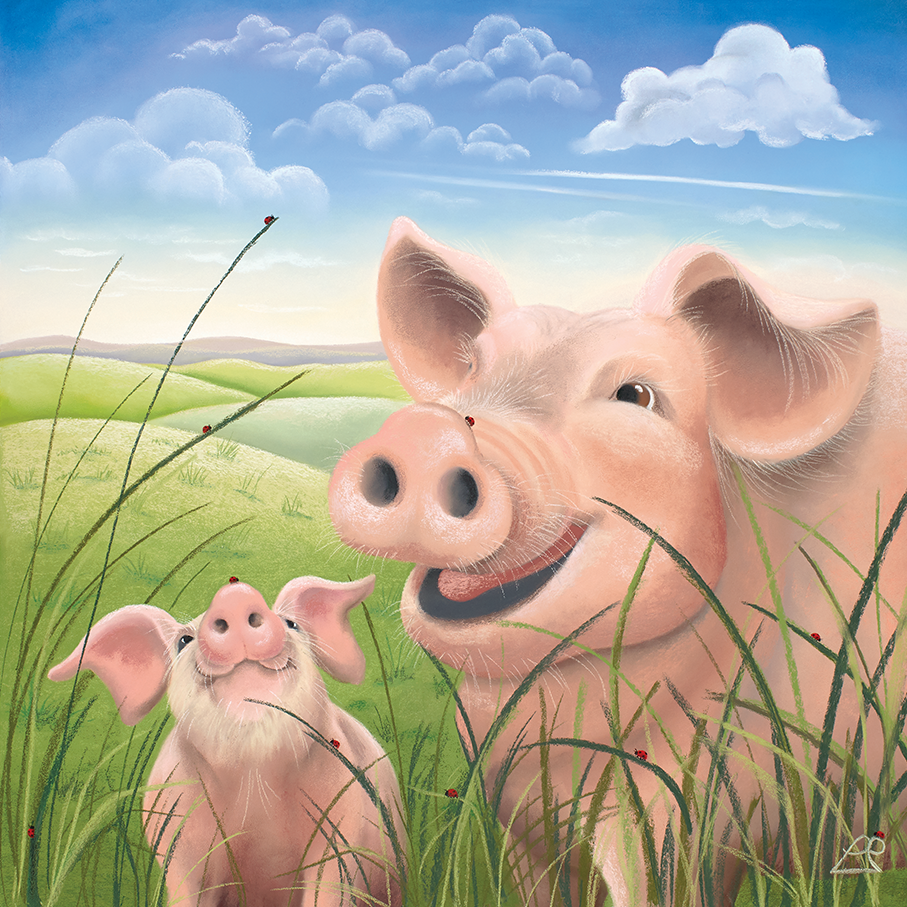
There are so many myths about pigs. They are not dirty or smelly. They have no sweat glands, so need to wallow in mud to keep cool. With the intelligence of a four-year-old child, they even sing to their piglets!
Pigs are also excellent mothers and very clean, they will travel up to a mile away to go the toilet. As social as dogs, they have excellent memories and can remember their names, and can run up to 18kph.
Pigs are so brainy, they are up there with dolphins and chimpanzees. They have strong bonds and will sleep nose-to-nose with other pigs, and use their sensitive snouts to forage for food (as eyes are on the sides of their heads, they have poor depth perception though can see a 310 panoramic view).
Only domestic pigs have curly tails! And in the wild, pigs can live to be up to 20 years old.
Issues with Pet Pot-Bellied Pigs
A few years back, there was a fashion for people to buy pot-bellied pigs. But not only are they complicated and expensive to look after, it soon became obvious that ‘mini-pigs’ grow often into enormous pigs.
RSPCA has concerns, as even miniature breeds (like Vietnamese pot-bellied pigs) can grow up to 70kg, some breeds even grow to 300kg, with a lifespan of up to 25 years.
Happily Ever Esther is the true story of a couple who in New York State, adopted a micro pig as a pet. That pig (although well-loved) soon grew to a whopping 600 lb, and they had to move in order to give her more room.
The new home eventually started taking in other animals that people could no longer care for, and is now one of the USA’s top animal sanctuaries, with a message not to buy pets that may grow bigger than you have room for them.
Esther died peacefully in her sleep, with one of her ‘dads’ beside her, unaware that her story has inspired millions to treat farm animals better.