The Independent Thinker: Stop Researching Every Move Online

Like electricity, the Internet can used as a tool for good or bad. But what should never happen is to let a box in front of you, rule your life. There is no real ‘connection’ online, like there is with two men mumbling conversations in an old-fashioned pub over a pint of beer.
There is no ‘connection’ looking at pictures of perfect homes you’ll never be able to afford on Pinterest. And endless scrolling to compare your life to others (or to find information from those with vested interests) is never going to do you any good – period.
Don’t hand over your mind, money or beliefs to techno billionaires who want to track your every move, so they can sell something to you, or tell you how to live, eat, vote or pray. And don’t be a passive spectator of other people’s lives, while not remembering to live your own.
Against the Machine: On the Unmaking of Humanity
Against the Machine is the latest publication from writer Paul Kingsnorth. Now as interested in his newfound Christian faith as the natural world, this is kind of a blasting of both philosophies together, an almost terrifying account of where we could end up, if people don’t retain their personal boundaries with everything to do with Paul calls ‘modernity’:
Of course (like electricity), the Internet can be used for good. But we’re talking here about ‘big Internet’ – youngsters who can’t be apart from their smartphones for more than a few minutes, bots controlling what we see and how we learn, what we buy and how we vote.
Internet billionaires controlling what we watch and know, big media, AI-gone-wrong, techno-capitalism, and a refusal to see the link between our survival and both spirituality. And a respect that Nature is more important than technology.
The Internet and its consequences have been a disaster for the human race. This is an extreme statement, but I’m in an extreme mood. Paul Kingsnorth
Reviews of the book
A terrifying account of what modern people have sacrificed, in exchange for technology’s promise of power and autonomy. Christianity Today
This is the most powerful and important book I have read in years. It is simply brilliant. This book should be required reading not only for politicians, technocrats, teachers and all who help shared our world. But for every still-living soul in this terrifying age of the Machine. Iain McGilchrist
Kingsnorth has done something extraordinary. He has captured the spiritual crisis of our time in language so compelling, I could not put the book down. Mary Harrington
Thank God for Paul Kingsnorth! Serious, furious and always consistent, this is a Christian thinker who does not sugar-coat his convictions. Justin Smith-Riui
About the author
Paul Kingsnorth is an English writer (who has been nominated for the Booker Prize) who now lives in the west of Ireland, where he has transitioned from an environmentalist activist to more spiritual writer, interested in how faith and nature collide.
He has been described in various terms (his favourite is ‘environmental activist turned apocalyptic mystic’). But two things he has been called (to inspire you to read the book!) are ‘furiously gifted’ (The Washington Post) and ‘England’s greatest living writer (Aris Roussinos). High praise indeed!
Find Paul’s writings on Substack.
Librate yourself from attachment to technology
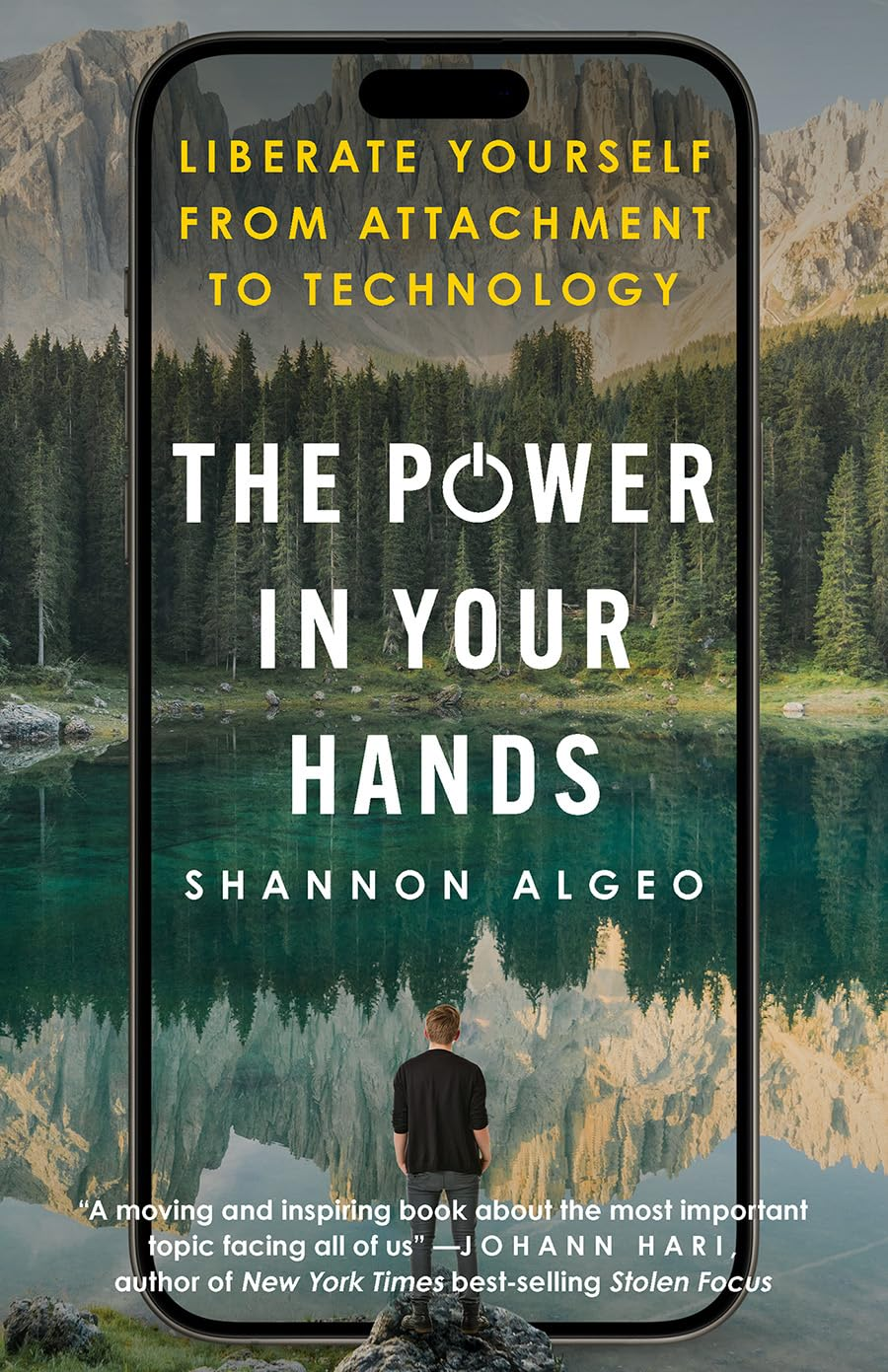
The Power In Your Hands is a book asking readers to liberate themselves from the attachment to technology. Having a laptop or phone is fine, but could you live without them?
The average smartphone user spends around 60 to 80 whole days a year on it. They are now the ‘fifth limb’ for nearly everyone, some people not capable of standing at a bus stop, having a coffee or even moving to the bathroom without checking for news or messages.
People who suffer from anxiety, are even more likely to develop a compulsive relationship with their smartphone. Yet say if you are in a pub with another person, that person wants to talk to you, not see you scrolling through your phone while they wait to have conversation (far better for mental health).
Phones are for information. They are not for soothing, that’s what a walk in nature does! But now the more people spend time on their phones, the more of an anxious world we become.
The good news is that you can course-correct if you so choose. But you’ll have to make that decision yourself, the makers of smartphones won’t! A digital detox is not enough. It means a real effort to recover from the tsunami of digital distractions in the world we now face.
In this book, the author (a psychotherapist and meditation teacher) invites people to reconnect to their natural need for walks and conversation, and only use smartphones when needed. And you can even rewire your brain to reclaim creativity and move on from the despair of a world gone digital.
Shannon Algaeo is an American/Irish writer based in California. Also a poet, he is co-founder of We Human and leads ‘digital liberation’ retreats around the world.
Don’t get your healthcare advice off the Internet
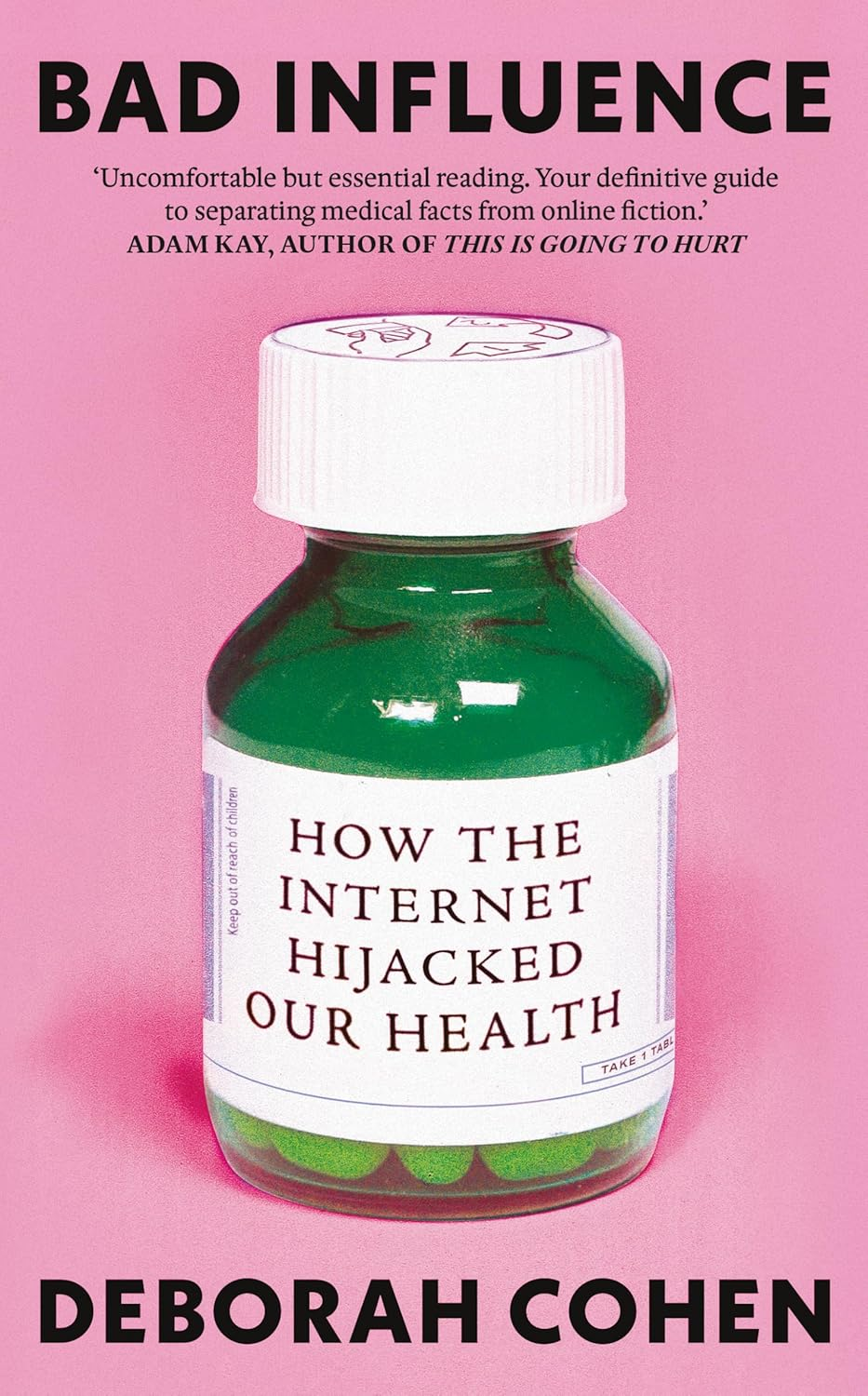
Bad Influence is a timely book on how the internet has hijacked our health. Although being online can help others in many ways, not usually when medical advice is coming from influencers:
The author begins the book with the obvious:
You used to see a doctor. Now you go online.
Jaron Lanier (who famously campaigns against social media) once wrote that ‘It’s impossible to improve health using Facebook. Because every time you get good medical advice, it’ll eventually be overwhelmed by bad medical advice, which will be more engaging’.
Especially when most people have smartphones, if you want to know something, you just go look it up. But that’s not always such a smart move:
Google brings back 100,000 answers. A library can bring back the right one. Neil Gaiman
Need to focus? Lose weight? Build muscle? Advice is just a click away. But now with fewer face-to-face GP appointments (and the government bringing in online appointments as if that’s a good thing), ‘influencers’ have stepped into the breach.
From ‘weird cleanses’ to dodgy detoxes, and corporate-funded bad nutrition advice, it’s all out there for the taking. And you have to decide which is real, without studying seven years for a medical degree.
In this book, a real medical doctor reveals the truth behind AI-powered diagnoses to ‘preventative’ screening, and how the Internet has now resulted in not being able to distinguish medicine from marketing.
This book is a much-needed prescription for the unregulated world of online health misinformation, by an expert who knows and understands what she is talking about. I’ll be telling my patients to read this! Dr Ellie Cannon
This book will hopefully influence how you access healthcare information. And maybe think twice before you make (often complex) decisions about your body, based solely on your social media feed. Prof. John Tregoning
Dr Deborah Cohen is a journalist and editor, who was previously health correspondent for BBC Newsnight, leading their coverage during the pandemic.