Isles of Scilly (far more than ‘Caribbean’ beaches)
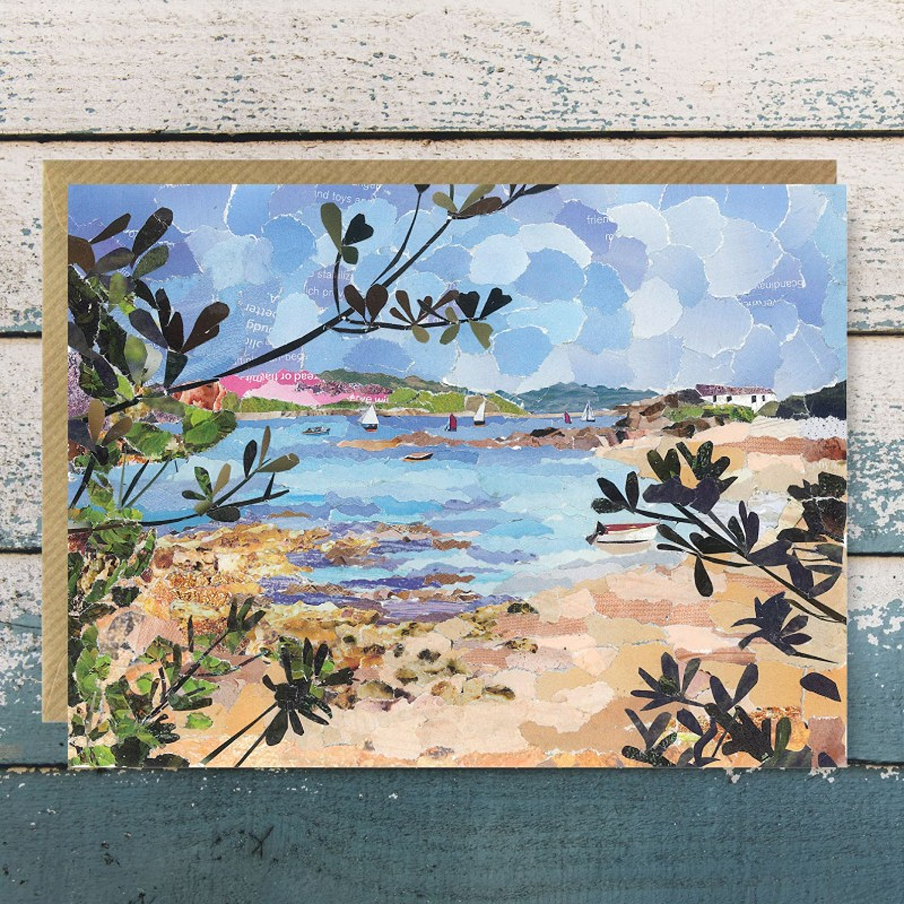
The Isles of Scilly are around 23 miles off the Cornish coast (you can take the ferry from plastic-free Penzance). Stunningly beautiful, they look more like Caribbean islands, with white sandy beaches and clear blue seas. But don’t be fooled – this area has many shipwrecks, to show waters can be treacherous.
The islands are slightly warmer than elsewhere. Birds stop here when migrating to/from Africa, and the islands are also popular with painters.
Out walking? Follow the Countryside Code to keep all creatures safe. Keep dogs away from steep banks, mushrooms (and other toxic plants/trees) and on leads during nesting season (and near barnyard friends and wild ponies).
At the coast, keep away from nesting birds and never walk on sand dunes. Learn how to keep dogs safe by the seaside (check beach bans before travel). Join the campaign to ban flying rings, to help local seals.
One sailor stranded on an island for a few days was shocked to find dead marine wildlife, many due to oil and litter. This caused him to found Clean Ocean Sailing, a team of volunteers that remove plastic waste from Cornwall’s coast.
Scilly Organics is a local organic veg box, the founder offers carbon consultancy for other farmers). Check out his free carbon calculator tool.
St Mary’s (the lively hub for beaches)
This is the island that most visitors arrive at. Hugh Town has the island’s main shops, cafés, and places to stay, plus a harbour for sustainable sailors. There are several beautiful beaches, plus many walks with stunning views.
Tresco (gardens and calm bays)
This island has quiet lanes and sandy beaches, and a quieter slower vibe. Pentle Bay is a long beach walk with pale sand and clear waters, Red squirrels, absent from most of England, make this island their home (there’s no need to cull grey squirrels with proper habitats).
St Martin’s (a slower pace for walkers)
St Martin’s is for people who want their day to be mostly outside. The beaches are long, with beautiful clear beaches and small shed-style honesty stalls, and signs pointing you towards something made on the island. Nothing feels loud.
Bryher (wild edges and big views)
Bryher is small, in a good way. You can cross it on food in a short while, the sea louder on the west side, looking out to the open Atlantic.
St Agnes and Gugh (peace and paths)
St Agnes feels like the edge of the map. It has a village core, then paths that quickly thin out into grass, sand, and low cliffs. You can across to Gugh but the causeways covers at high tide, so check times first. Due to wildlife, dogs must be kept under control if visiting (there is also a human population of just three!)
Why flowers bloom longer in the Scilly Isles
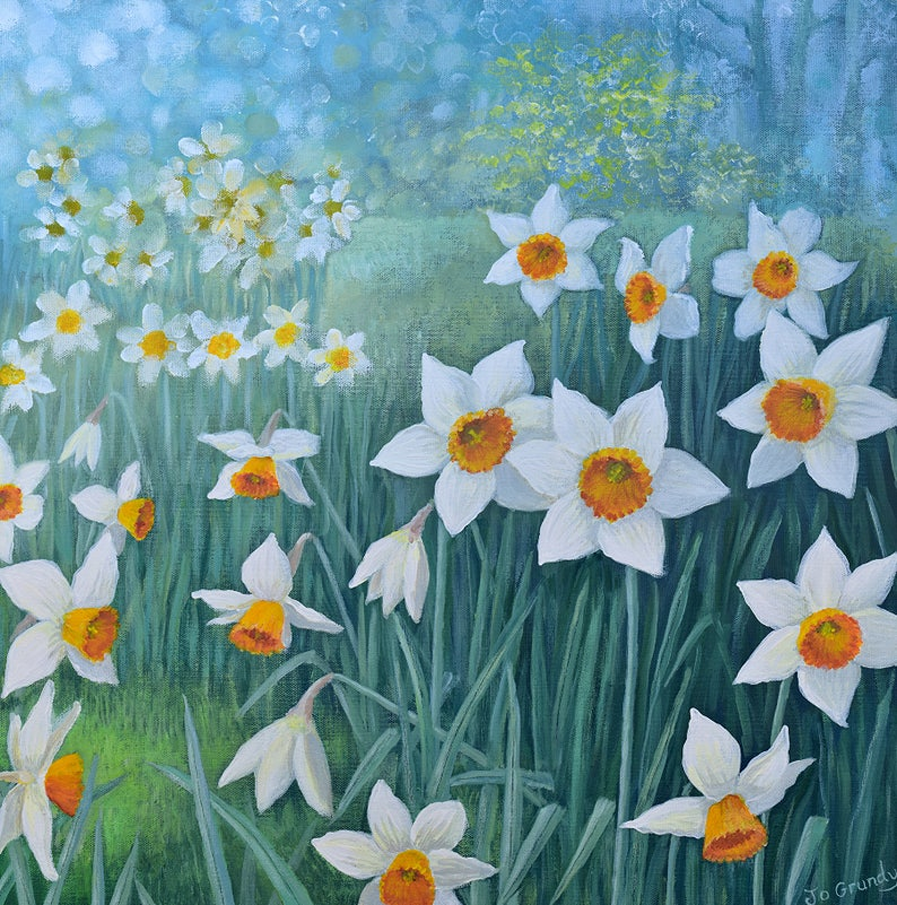
The Scilly Isles have longer growing seasons, due to warmer weather. So there are many companies here that sell ‘summer flowers’ that often are still going, well into autumn!
Daffodils are one of England’s favourite flowers, often grown in gardens and public parks (not the best choice, as daffodils are highly toxic to all pets, horses, deer and livestock).
So don’t send them to homes with animal friends. Read more on pet-friendly gardens (and never face indoor foliage to gardens, to help stop birds flying into windows).
Daffodils are seen as as sign of hope. But only display them away from other flowers, as the sap can harm other flower species). Or at least soak the stems in a vase, before mixing for a bouquet.
The national flower of Wales can produce galantamine, a chemical which may help patients with dementia.
The scientific name Narcissus, is from a Greek myth of a young man, who fell in love with his own reflection. After dying away due to not being able to ‘marry himself’, the flower apparently grew in the place where he died.
Artisan rum (from the Isles of Scilly)
It may look like the Caribbean, but the Isles of Scilly is notorious for shipwrecks (a lighthouse once even blew over before it was finished, and had to be rebuilt). It also has a strong history of pirates, so it’s no surprise that SC Dogs Distillery is a popular tipple here
All bar one is vegan – contains honey.
The range includes William Gibson Gold Rum (named after the son of a smuggler and farmer whose land still provides the ingredients and John Nance White Rum (named after a family ancestor who would row 100 nautical miles to France to bring back contraband rum!
RNLI Sea Dogs Rum is made in honour of heroic lives that were lost in these treacherous seas. Distilled in small batches from local ingredients and aged in old whisky barrels, the lingering notes of peat produces a taste to savour, over ice.
Each bottle raises money for water-safety initiatives.
‘Grog’ is another word for rum, linked to its history with pirates (simply robbers who work on ships, rather than on land).
Back in the day when sailors would drink rum on board, pirates would loot anything they found and this included rum, which they traded as currency.
They would find coopers who would fill empty rum barrels with boiling water and roll them around to create a new drink called ‘grog’. Shiver me timbers!
Created in the Caribbean in the 17th century, rum is made from sugarcane that is crushed to extract the molasses (if you like gingerbread, you’ll like rum). It’s high in alcohol, so be careful as it’s easy to get smashed on rum! Soldiers were so fond of it, they were often paid in rum.
Corks are too dense to compost, so recycle at off license or send in bulk to Recorked.