The History of London’s Mews Houses
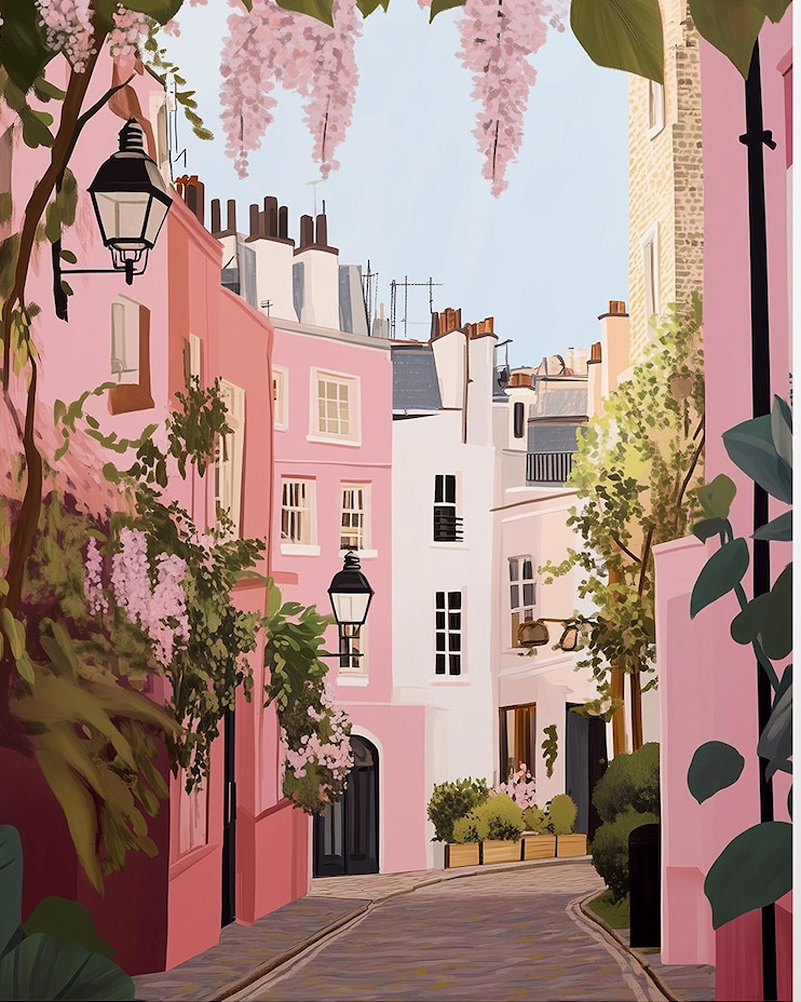
In certain areas of London, you will calm across calm retreats just off the main roads, where you find cobbled lanes that sound of birdsong, not engines. A place where people chat outside front steps, and all seems well with the world.
These are mews houses, which began as rows of stables in the 1700s, when horses were used to transport people, before cars were invented. Today of course they cost a fortune, but it can’t harm to dream!
Mews houses originally existed to house carriage horses. Worldwide, towns and cities are banning carriage horse transport, due to accidents and horses often being too hot or thirsty to work. London remains one of the few cities to not yet ban them. Read our post on alternatives to carriage horses.
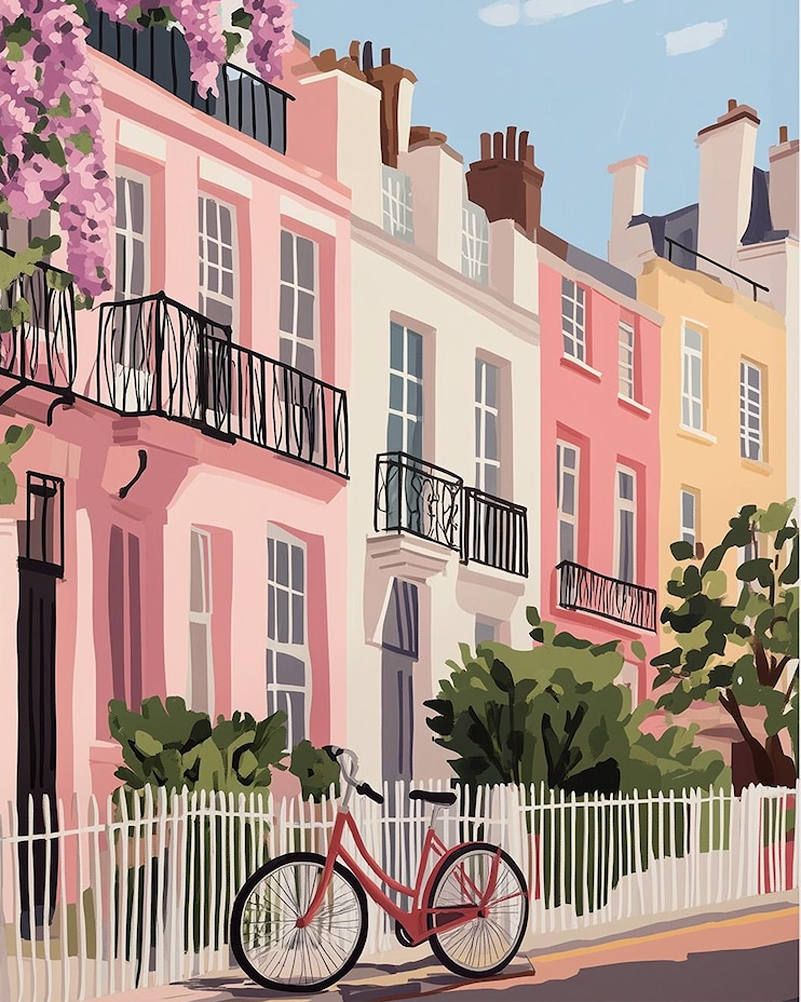
Wealthy families who kept horses in stables led to mews houses being built in rich areas like Mayfair, Belgravia and Kensington. Stable lads would look after the horses, the name ‘mews’ coming from the Royal Mews at Charing Cross.
Once motor cars arrived, most mews houses in the 1940s sand 1950s were being turned into garages. After the war, London faces a shortage of quality housing, and mews houses were the answer. Tucked away with strong foundations and small private gardens, architects got on board to cut extra windows into thick brick walls and opened up the lofts. Some kept the original stable arches, as carports.
Well-known examples include Kynance Mews in Kensington and Holland Park Mews, both lined with wisteria (not safe near pets) and are among the city’s most photographed addresses.
London boroughs have imposed strict planning rules, to stop heavy vehicles driving through streets, so they are mostly only accessible to residents living there – and the postie!
Everyday life here is good. There is room for small flowerbeds, conversations at the gate, and stronger ties between neighbours. Urban living, with a gentle side.
Read our posts on creating pet-friendly gardens and wildlife-friendly gardens. Never face indoor foliage to face gardens, to help stop birds flying into windows.
Would you like to buy a London mews house?
You had then likely be a millionaire or billionaire. Some mews houses are more affordable. But the main ones are astronomical in price, in a city where property is already very expensive.
On the Market lists the cheapest ones for around £500,000 (a studio flat). The featured property was around £650,000 (and only had a small terrace, not even a garden).
Savill (which advertises most of London’s mews houses in swanky areas) had 32 for sale at time of visiting the site. The one we quite fancy is a cute little 3-bedroom mews house near Mayfair with a roof terrace – £2.5 million!
Mayfair (Georgian townhouses near Hyde Park)
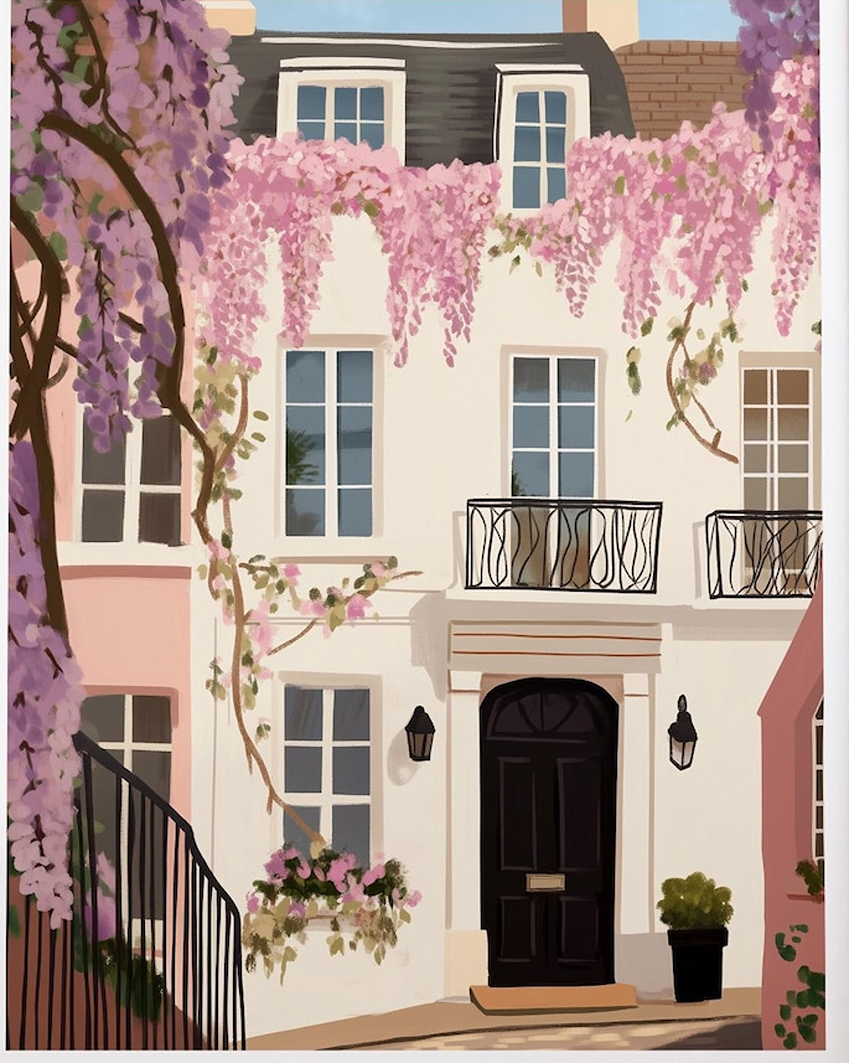
Let’s visit a London area that most of us will never know! Home to many of London’s mews houses, today a typical property will set you back millions. Very near to Hyde Park (a 12-minute walk), it’s name after the annual May Fair, that featured bare-knuckle fighting back in the 1700s! Once open fields and farmland, today it’s the most expensive property on the Monopoly board and in real life too.
Home to around 5000 people, it’s also home to many upmarket shops, hotels and restaurants (boycott any that sell foie gras, it’s an incredibly cruel food, banned for production in the UK).
Queen Elizabeth II was born in Mayfair, at 17 Bruton Street (the home of her maternal grandfather). The house was demolished before the Second World War. Other famous residents of the past were Oscar Wilde and Jimi Hendrix.
It’s part of the City of Westminster (like the financial district, these are independent from the usual London boroughs). As you likely know, this city also contains Big Ben and the Houses of Parliament.
The main Grosvenor Square is owned by the Duke of Westminster, one of England’s richest people. It is presently undergoing a makeover to help native wildlife, with the planting of 80,000 bulbs, 44 trees, 70,000 plants and wetlands.
The project is being paid for by the Duke, a happy progression from someone whose estates used to be for shooting wildlife. Intended to be similar to the original 1720s design, the oval lawn will be framed by a new footpath and surrounding woodland garden.
London’s most sustainable hotel?
1 Hotel Mayfair has also recently had a makeover. Now boasting that it’s one of the most sustainable hotels in London. A few steps from Green Park, this hotel offers free bike rental, sustainable mattresses, Help Air filters and filtered tap water in the rooms. It’s also pet-friendly (and even has its own canine concierge!)
The rooms have ‘in-room greenery, so check the plants are pet-friendly before arrival. Some indoor plants like lilies and sago palm are not safe near animal friends.
The hotel is furnished with organic and reclaimed timber materials, and even the clothes hangers are made from recycled paper. And the food is all organic, seasonal and local. There is even a daily market stall, with fresh seasonal fruits that are perfect in taste, but would otherwise be discarded by producers or grocers.
It even has a dedicated plant-based menu, with dishes including many seasonal veggie dishes, that all look very posh with unpronounceable names. And considering it’s Mayfair, the prices are not too bad either. £26 for dinner. The only problem is that you have to pay around £500 a night to stay there!