Natural Plastering in England (lime and clay)
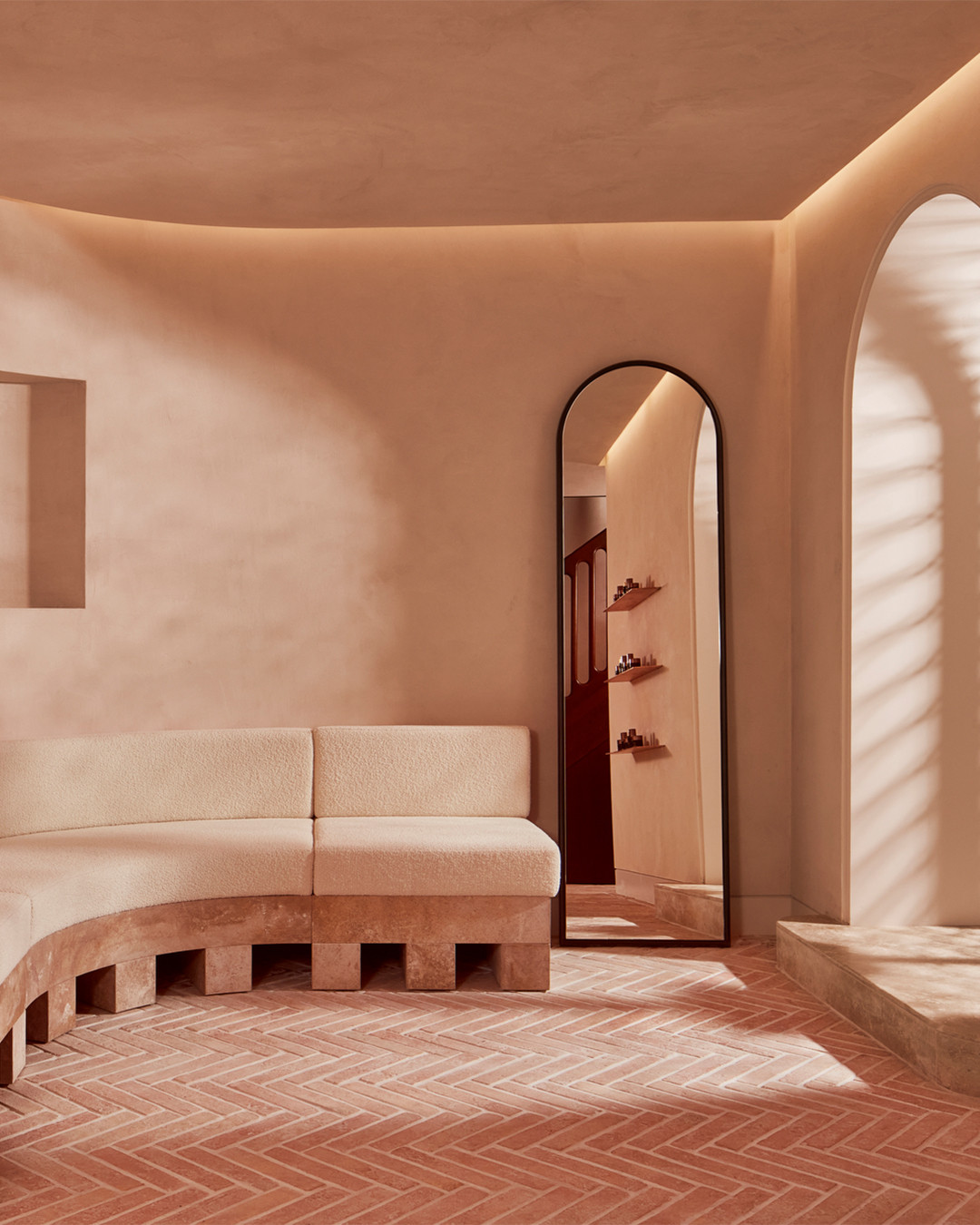
Natural plasters have come back into view in England, and the reason is fairly simple. Many homes need walls that can breathe, not just look neat. Lime plaster and clay plaster both help with that. They can suit old cottages, Victorian terraces, and, in some cases, newer interiors too.
Interest is growing because these materials can support moisture balance, lower the use of hard cement-based finishes, and create calmer rooms. They also tend to look softer and feel more human. You’ll see how lime and clay differ, where each works best, and how to choose the right finish for your home.
Clayworks is a company founded by a married couple who are experts in building cob homes and natural plasters. These plasters are made from clay and naturally coloured, so you can paint and plaster your cob or straw bale home, at the same time!
The site has full information on how to use, and where to find decorators who are trained in using these plasters.
Clay plasters are not suitable for wet rooms (like bathrooms) or sustained exposure to water, but are great for indoor walls and ceilings.
What lime and clay plasters are, and why they matter in English homes
In England, natural plaster often means lime or clay. Both are mineral-based finishes, and both behave very differently from standard gypsum skim or cement-rich render. That difference matters most in older homes.
Many traditional buildings have solid walls. They don’t have a cavity, and they often manage moisture by letting it move through the fabric of the building. If you seal those walls with the wrong material, you can trap damp, salt, and condensation. Over time, that can lead to peeling paint, blown plaster, and a cold, stale feel indoors.
Lime and clay help because they are more open to moisture movement. They also repair well, and they age in a forgiving way. A small mark or crack often looks like part of the wall, not a disaster. That softer quality is part of the appeal.
Natural plaster usually works best when the whole wall system is compatible, not just the top coat.
Lime plaster, breathable, durable, and well suited to older walls
Lime plaster is made from lime, sand, and water, sometimes with fibres or additives depending on the coat. It sets in a slower, gentler way than gypsum. Because of that, it can cope well with the slight movement found in older walls.
In English period homes, lime is often the safer match for brick, stone, and historic masonry. It allows moisture vapour to pass through, so walls can dry out more naturally. That doesn’t make it a cure for damp, but it does reduce the risk of trapping it.
It also lasts well when applied properly. The trade-off is time and cost. Lime needs care, suitable conditions, and patience while it cures, so labour can be higher than a basic gypsum finish.
Clay plaster, natural, soft-looking, and easy to patch
Clay plaster is made from clay, sand, and fine fibres or aggregates. It doesn’t cure like lime. Instead, it dries and hardens as moisture leaves the wall. That makes it easier to rework and patch later.
People often choose clay for its warm, matt look. It has a quiet, earthy finish, and it can help smooth out swings in indoor humidity. In a dry room, that can make the air feel a little more settled.
Still, clay isn’t right for every space. It suits interior walls best, especially where there’s no regular splash or heavy moisture load. Bathrooms and utility rooms may need a different system, or at least a very careful product choice.
Lime or clay, how to choose the right natural plaster for your project
The best choice depends on the building, the room, and the finish you want. Lime is usually the more robust option, especially for older walls and mixed conditions. Clay is often the easier, more decorative choice for dry internal rooms.
This quick comparison helps set the two side by side:
- Solid wall period homes (choose lime plaster, sometimes clay)
- Bedrooms and sitting rooms (lime plaster is good, clay very good!)
- Bathrooms or utility (lime is the better choice)
- External use (lime is suitable mostly, clay is not)
- Easy patch repairs (lime is easy, clay is very easy)
- Lowest upfront cost is clay, lime plaster is higher
In short, lime tends to suit buildings first. Clay often suits rooms best.
Choose lime for solid walls, heritage work, and weather tolerance
If you’re working on a listed building, a cottage, or a solid wall terrace, lime usually makes more sense. It’s widely used in heritage repair because it works with traditional substrates rather than fighting them. Old brick, rubble stone, lime mortar, and soft masonry all tend to prefer a breathable finish.
Lime also copes better where moisture movement matters. That includes external walls, chimney breasts, basements above ground level, and rooms that see changing humidity. In those places, the wall needs to release moisture over time. A hard, sealed finish can get in the way.
There’s also the look. Lime can be smooth, but it rarely feels flat or plastic. Light moves across it in a softer way. For many English homes, that sits better with the building’s age and character.
Choose clay for calm interior rooms where texture and comfort matter
Clay shines in bedrooms, living rooms, studies, and feature walls. It brings a quiet texture and a dry, chalky depth that paint can’t quite copy. If the room gets good ventilation and the wall is suitable, it can feel both simple and rich.
It’s also friendly to touch-ups. If a wall gets marked, repairs are often less obvious than with painted plasterboard. That makes clay appealing in family homes where surfaces take a bit of life.
Still, balance matters. Clay is not the first pick for shower zones, splashbacks, or cold walls with active damp. It also needs a stable base. If the room has persistent moisture trouble, fix that first.
What to know before using natural plasters in England
Natural plaster isn’t difficult in a mysterious way. It just asks for better preparation. Most problems start before the plaster goes on.
England’s climate matters here too. Drying times can stretch in cool, damp weather, especially with lime. North-facing rooms, winter work, and poorly heated houses all slow things down. That doesn’t mean the material is wrong, only that timing matters.
For DIY work, clay is often the more forgiving place to start. For lime, many people do better with a plasterer who knows breathable systems and traditional buildings. A smooth gypsum finish and a good lime finish are not the same skill.
Check the wall first, because the wrong base can ruin the finish
Start with the wall, not the product brochure. Old paint, vinyl silk, cement patches, blown areas, salts, and trapped damp can all spoil the result. If the base is unstable, the finish won’t save it.
That’s why natural plaster works best as part of a joined-up build-up. Lime plaster over dense cement repairs can create weak spots. Clay over glossy paint may fail to bond well. Movement cracks and ongoing leaks also need attention first.
A careful survey helps. So does honesty. If a wall needs repair, drying time, or a new backing coat, deal with that before thinking about colour and texture.
Plan for drying time, cost, and the finish you want
Lime usually needs more time. It prefers steady conditions, sensible ventilation, and patience between coats. Clay can move faster on sound internal walls, which can help on smaller projects.
Costs vary a lot. Product type, wall condition, local labour rates, and finish level all affect the quote. A highly polished decorative surface will cost more than a plain, textured one. Heritage work can cost more again because prep takes longer.
Ask for samples. Then look at previous work in person if you can. A good plasterer should explain the full system, not just the final coat. That small step often saves money later.
A simple way to choose with confidence
Lime and clay plasters both have real strengths. Lime usually suits older English buildings, solid walls, and places where moisture movement matters. Clay often suits dry interior rooms where warmth, texture, and easy repairs matter more.
The right choice is rarely about trends. It’s about the wall, the room, and the feel you want to live with. If you’re planning a renovation, compare samples, check the substrate, and speak to someone who understands breathable finishes. A calm, well-matched wall tends to reward you for years.