A Guide to the County of Nottinghamshire, Naturally
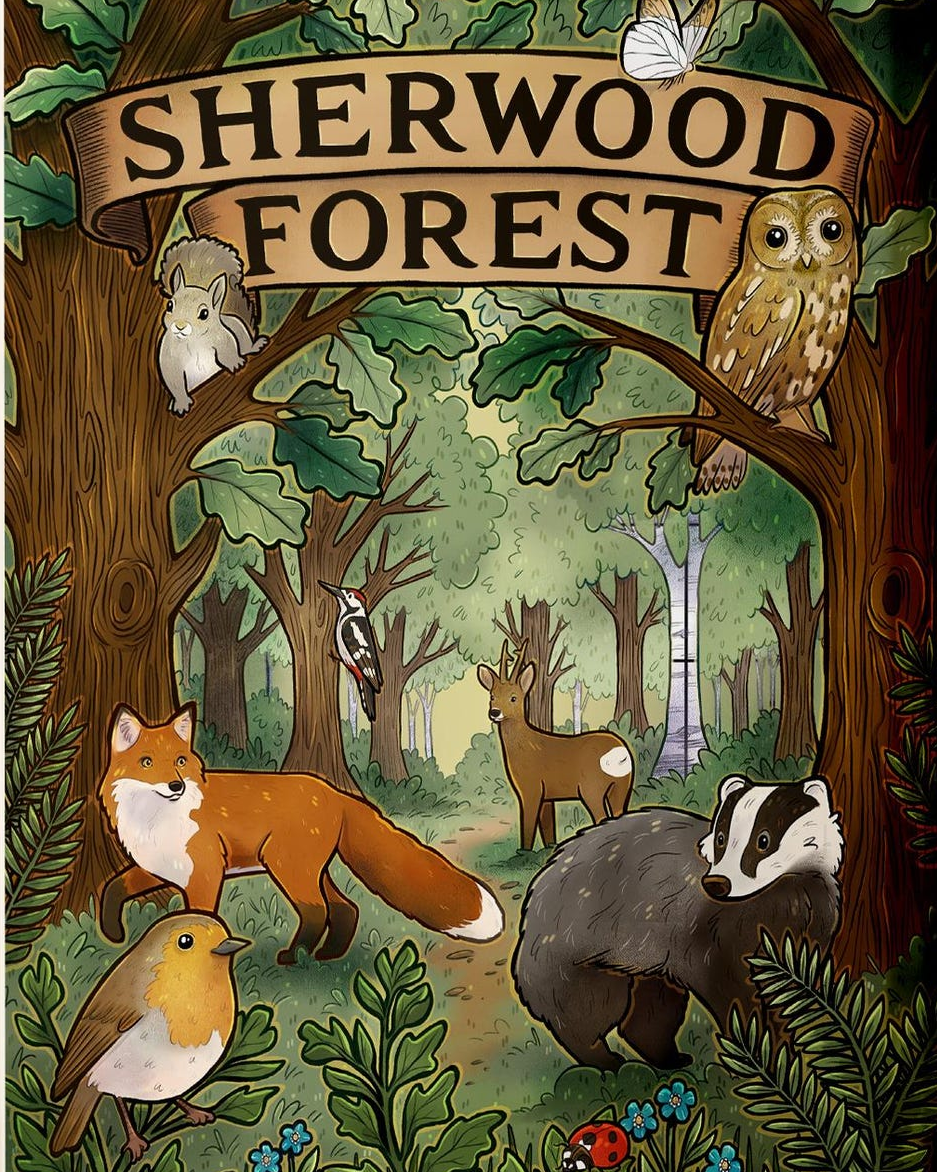
Nottinghamshire is the most northern of the East Midlands counties, bordering Yorkshire. It’s of course home to Sherwood Forest, but also the city of Nottingham (known for its trams) and many pretty villages surrounded by beautiful countryside.
If out walking, follow the Countryside Code to keep all creatures safe.
Sherwood Forest (home to Robin Hood)
Sherwood Forest is of course the home of Robin Hood and his merry men, who would rob from the rich, to give to the poor.
It’s known Robin Hood went to Mass. Lincolnshire Cathedral manuscript writes ‘Robyn hode in scherewode stod’ (which magazine Beano translates as old-timey for ‘Robin Hood in Sherwood Stood’)
The forest contains several ancient trees including Major Oak, so big and old that he now has scaffolding to keep him upright! Experts estimate that Major Oak is around 800 to 1000 years old.
It’s claimed that the oak tree was a hideout for Robin Hood, he and his friends would camp beneath the branches, or even hide inside the hollow trunk. The forest has 900 other oak trees, covering over 1000 acres of protected woodland.
Major Oak is also home to owls, bats, 155 species of beetles and rare diamond-backed spiders.
Always follow the Countryside Code, to keep all creatures safe. Acorns and conkers should also be kept away from pets. Did you know that oak trees are toxic to horses, livestock and other animals?
The Grand Old City of Nottingham
Nottingham sits right in the middle of England, its streets lined with grand old buildings, medieval tales and Victorian factories, harking back to its history of lace-making.
Just 33 miles south of Sheffield and 45 miles north-east of Birmingham, it’s only 2 hours by train from London, so within easy reach of many major cities.
Sitting on the River Trent, Old Market Square is the largest public square outside London, and perched on top of the Council House is Little John (Big Ben’s little brother!) Its deep tone chimes strike every 15 minutes, heard for miles across the city.