Plant-Faced Clothing (ethical streetwear)
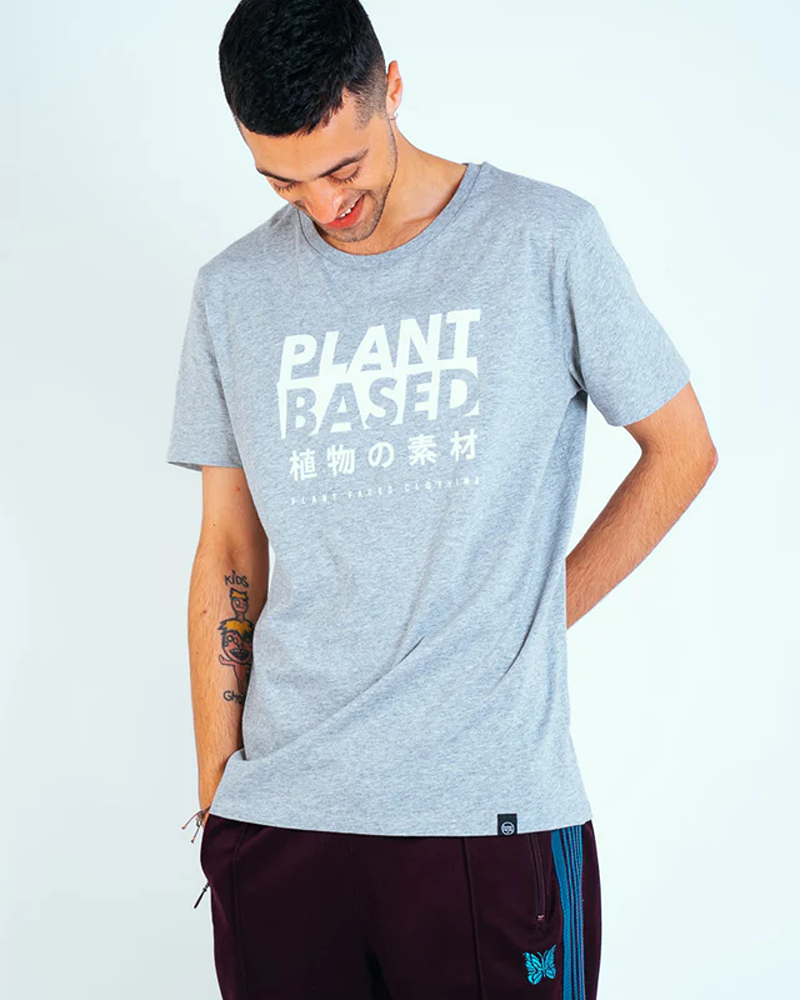
Plant-Faced Clothing offers thoughtfully designed organic cotton t-shirts, all made with quality fabrics, and sent in zero-waste packaging. There is an easy ‘organic icon’ to choose only natural materials.
And each tee has a unique message to promote the plant-based lifestyle. And unlike most streetwear, this is all ethically made, by workers in safe conditions being paid a proper wage.
For any items containing recycled polyester or elastane, launder in a microfibre filter (or just buy 100% natural fabrics, far simpler!)
Donate unwanted clothing to small charity shops (not big ones that test on animals). You can take damaged or stained clothing to textile banks. They will then be shredded to make insulation and other goods.
Organic cotton is much better for the planet, as it does not release chemicals into the land or water, which is better for wildlife. Also it stops production of conventional cotton, which uses a huge amount of chemicals, which can also make farmers ill, especially working without protective clothing in hot countries.
Some farmers who buy chemicals commit suicide, as they can’t afford to keep buying them, but their land has turned to ‘junk food cravings’, without organic farming methods. They don’t farm this way by choice, it’s because of the market. So help them along by supporting fairly-paid organic farmers.
What is Vegan Clothing?
Basically, anything that doesn’t involve making profit from an animal. There are always grey areas, so it’s usually easier to just avoid it all.
- No fur. This is obvious. The fur industry has horrific welfare records.
- No leather. Not a by-product of the meat industry, most is produced in the Far East, with little or no animal welfare laws. The tanning process is also polluting, and has cancer risks for workers.
- No sheepskin or shearling. Sheepskin the skin of a sheep. Shearling is the skin of a lamb. Shahtoosh (banned) is from a Tibetan antelope. Pashmina is from a Tibetan mountain goat.
- No silk. Conventional silk involves boiling silkworms. Even ‘peace or ahimsa’ silk can result in them starving on release.
- No feathers or down. Vegans don’t buy jewellery or bedding with feathers (usually from factory-farmed ducks or geese). Real ‘eider downs’ are from fallen feathers (collected in Iceland) but nowhere near enough for the bedlinen industry.
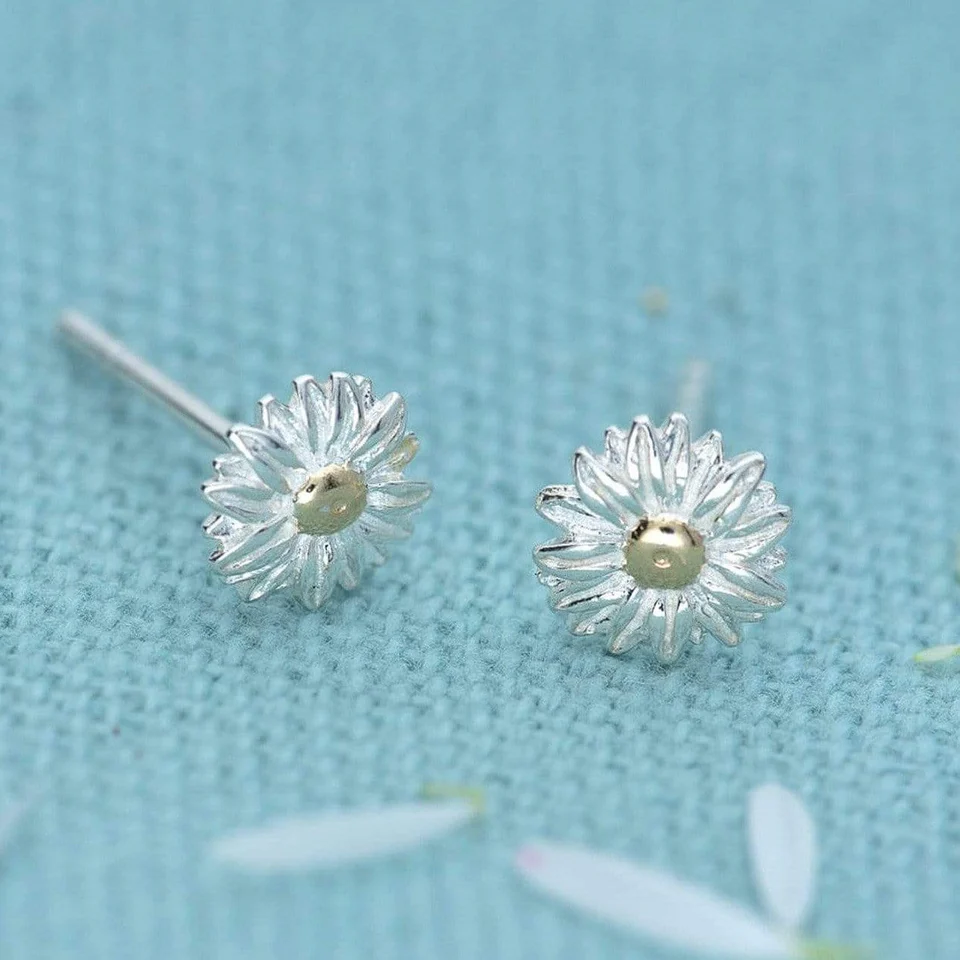
- No Animal jewellery (anything from bones to feathers to pearls).
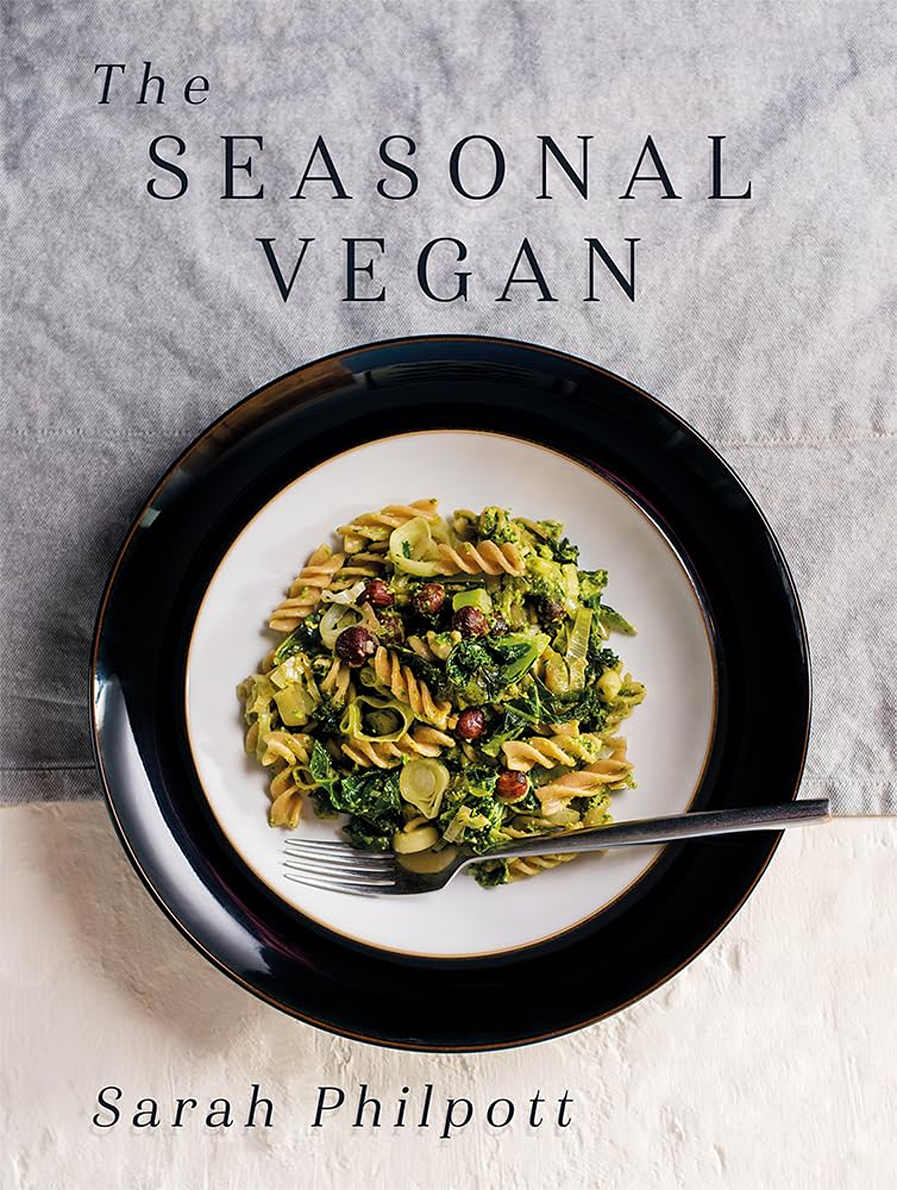
Read Vegan Style to learn about alternatives to conventional fabrics, and how to create a sustainable capsule wardrobe. It recommends watching the film Slay, from a former fur-wearing fashionista who now campaigns for animal welfare.
Curious Why Vegans Don’t Wear Wool?
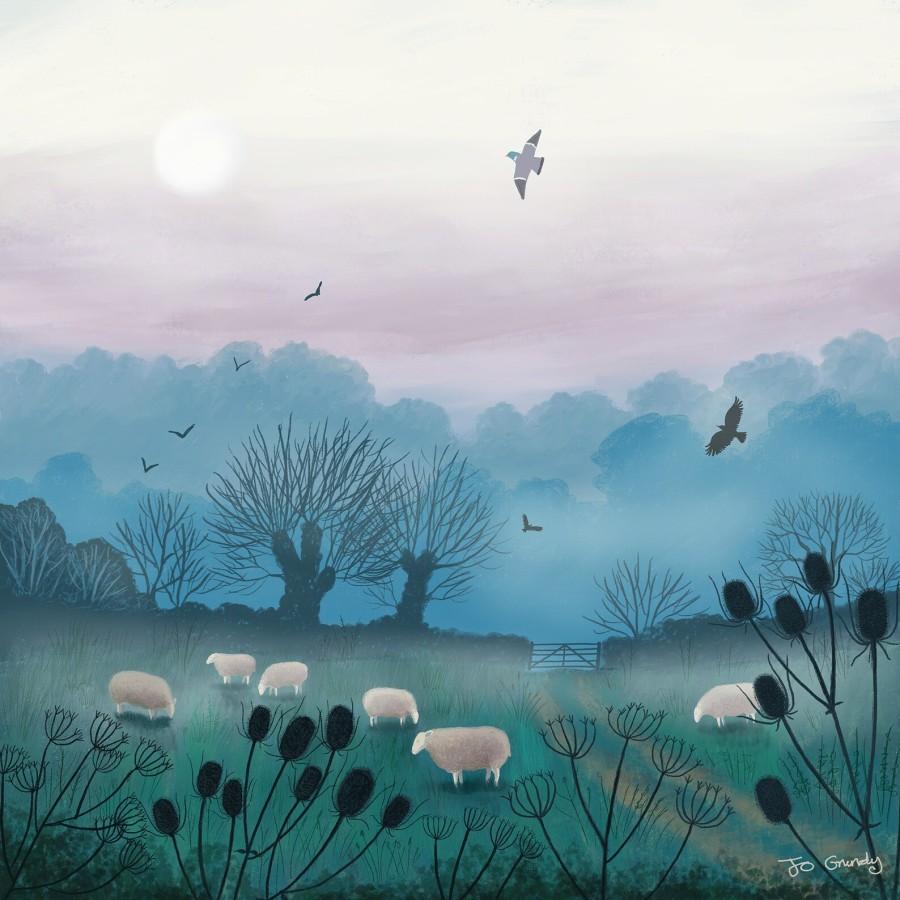
Although most sheep need shearing to avoid over-heating (and be able to see predators), the conventional wool industry has many issues.
Some sheep are sheared too early (leading to hypothermia) and others suffer ‘mulesling’ (having chunks of skin sliced away to prevent flystrike, without painkillers). And many sheep are killed, when they get older and their wool production slows down). You can even now buy vegan winter woollies (thick organic cotton jumpers, as warm as wool).
If you wear wool, choose companies that don’t kill the sheep, simply shearing the wool: like vegetarian wool or sheepskins.
Pregnant sheep can sometimes roll over onto their backs, and can’t get back upright, and soon die if the farmer is not aware. Some sheep can also fall over, due to wool being waterlogged from rain.
If you see a sheep on its back, just firmly right it back, then stay with it, until rain has drained off. Then inform your local farmer.