Earthrings (plastic-free beer can carriers)
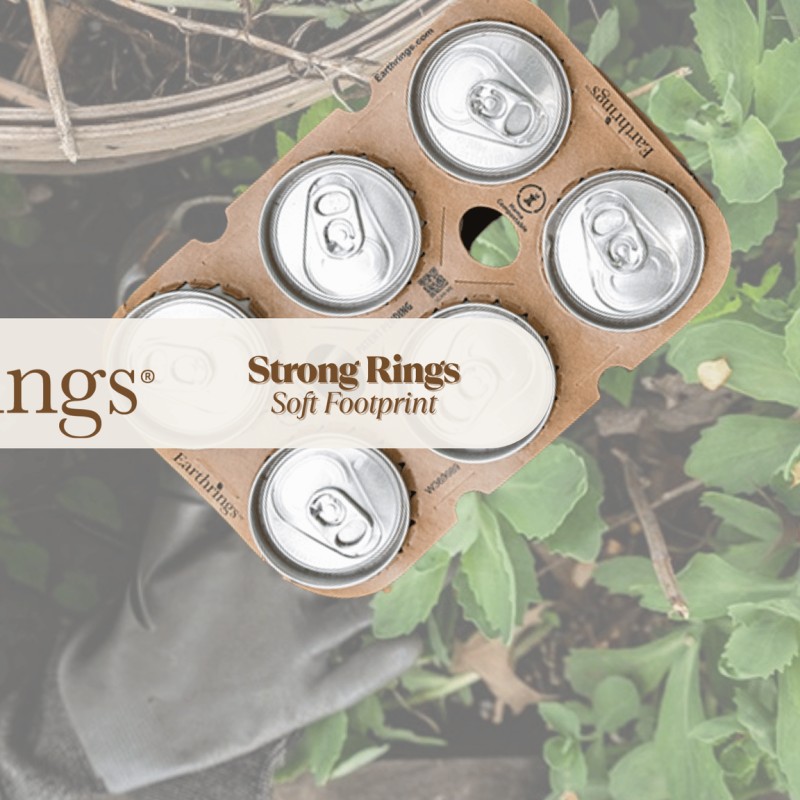
Earthrings is one of the first brands to make plastic-free beer can carriers, to stop the use of plastic ones, which are invisible in water, and if littered on sea or land, cause immense harm to birds and wildlife (either strangling them or getting trapped around beaks, preventing eating).
It’s estimated that one million seabirds and 100,00 marine mammals die (or are severely injured) each year from being entangled, strangled or impacted (build-up in the gut) from plastic six-pack rings.
If you see any littered plastic beer carrier rings, rip up the holes and safely dispose of in a secure bin (ideally in a covered bin, not open ones as they could fly out again in the wind).
Many supermarkets have now banned the sale of plastic beer cans, and many beer brands (including Stella Artois) have now ditched them, in favour of cardboard packaging. But if your beer brand needs custom carriers, this is one company to consider.
It’s based in North America, you can buy alternatives at Biopak (made from bagasse, a waste product from the sugar industry). These are sold in 4-pack and 6-packs, more affordable than plastic versions and certified home compostable, to naturally break down, without harm (just tear up for faster breakdown).
The same company offers bagasse takeaway containers.
What Makes Earthrings Different?
Earthrings are not just plastic-free, and easy to recycle and compost. But are designed to hold up to moisture, to make your beer look as good as it tastes. An ideal investment for artisan beer companies (or anyone who makes beers, ciders or sodas presently wrapped in plastic), these are rugged enough to stand up to soggy coolers sand outdoor hikes.
Made from several layers of fibred cardboard, they arrive in stackable boxes. The secret ‘ingredient’ is a double coating of food-grade moisture-resistant material, that’s 100% biodegradable. They will eventually break down in very wet conditions, but it takes a lot of rain to do so!
For a minimum order of 100,000, this company can also brand the cardboard, if you are business that sells a lot of beer, cider or soda. Minimum order is 1 carton (1000 pieces). You do need special machinery to apply these to cans, so contact them about UK alternatives. They work out at around 2p per can.
Where to Recycle Plastic Beer Carriers
Due to the plastic used (LDPE#4), most are not accepted in kerbside recycling bins, though some supermarkets may offer collection in ‘soft plastic recycling bins’ (still cut each circle before disposal, to avoid wildlife getting trapped).
The only other option is for your school, office or community to band together to raise £100 one-off fee, to buy a Terracycle Plastic Recycling Box. People can deposit all flexible and hard plastics, then it’s sent off using the prepaid label, to be recycled into industrial goods like piping. It’s like a one-off amnesty to get them out of your town forever.
Keep seeing littered plastic beer rings? No matter who dropped it, it’s your council’s responsibility to pick up litter. Report any you see at Fix My Street (ideally with photos – these reports are sent to councils). And due to being made public, something often gets done, and you are kept updated.
For private land, councils can serve a Litter Abatement Order (this means the landowner has to clean the litter up or get fined – or councils can clean it up, and bill the landowner).
How Plastic Beer Can Rings Harm Wildlife
This is what you will be told by companies that make them. Most are made from a ‘biodegradable’ plastic. But like balloons are also made from latex, both take a long time to break down. And meanwhile trap many creatures (many in the water, as they are obviously invisible).
Peanut the red-eared turtle is often given as an example. Her shell was permanently deformed into a ‘peanut shape’, after she became trapped in a discarded plastic six-pack ring when young. As she grew, her shell warped around the plastic, and even once rescued and the plastic removed, the shape never changed.
In the USA, she is now the ‘ambassador for litter awareness’ and the face of a ‘no more trash! campaign.
Back in England, curious hedgehogs are particularly vulnerable, often getting the rings stuck around their bodies (ducks and other water birds also are at risk).
If you see a creature entangled, don’t try to remove it yourself. Call your local wildlife rescue (and RSPCA, though the former will likely be able to arrive quicker). If you have no joy, then place the creature in a cardboard box (with air holes and no tassels on towels) and take it to your nearest vet.
The vet will then either treat it and release it to a wildlife rescue, or humanely put it to sleep. Costs are covered by wildlife charities, so you won’t have to pay.