How to filter drinking water (without plastic)
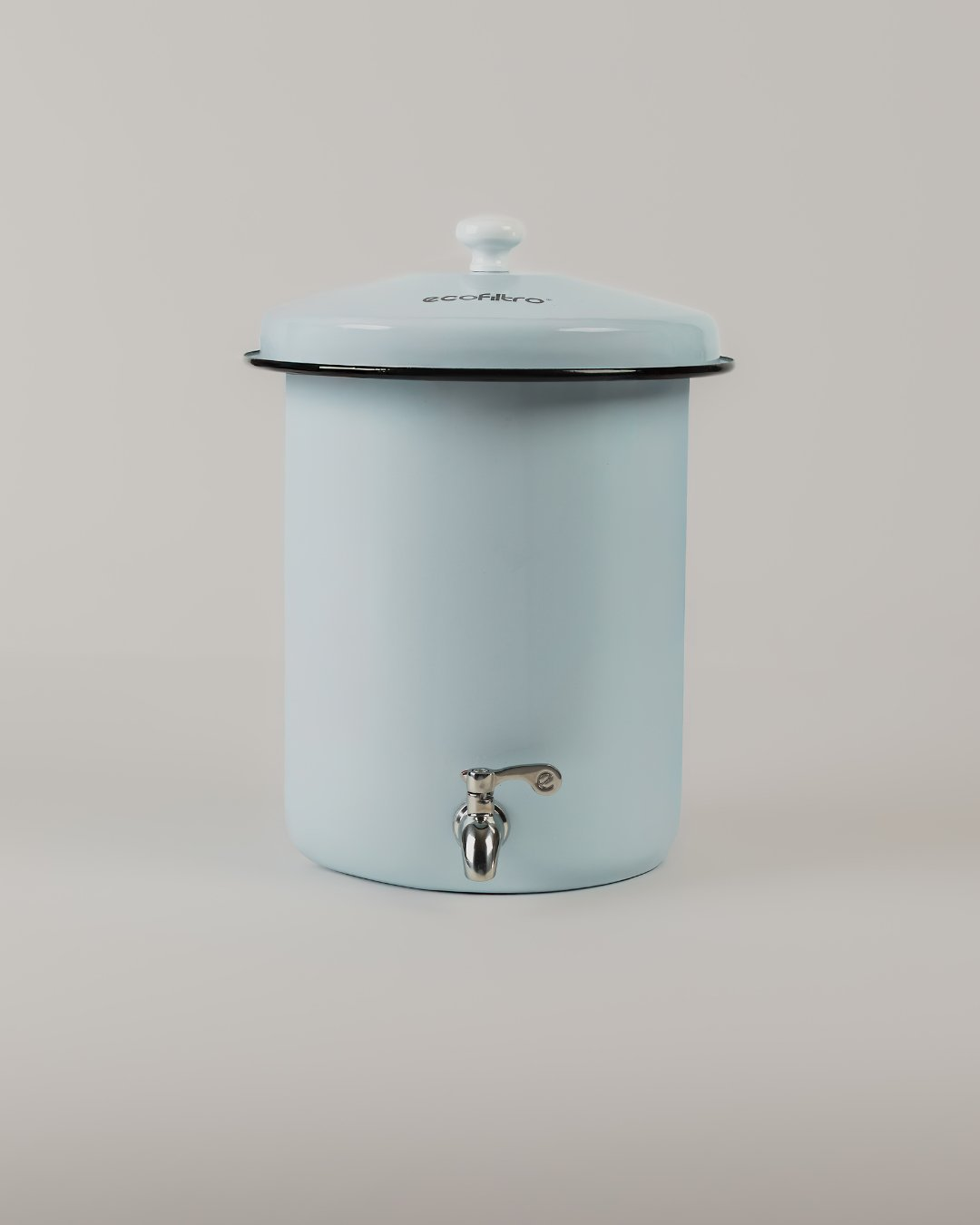
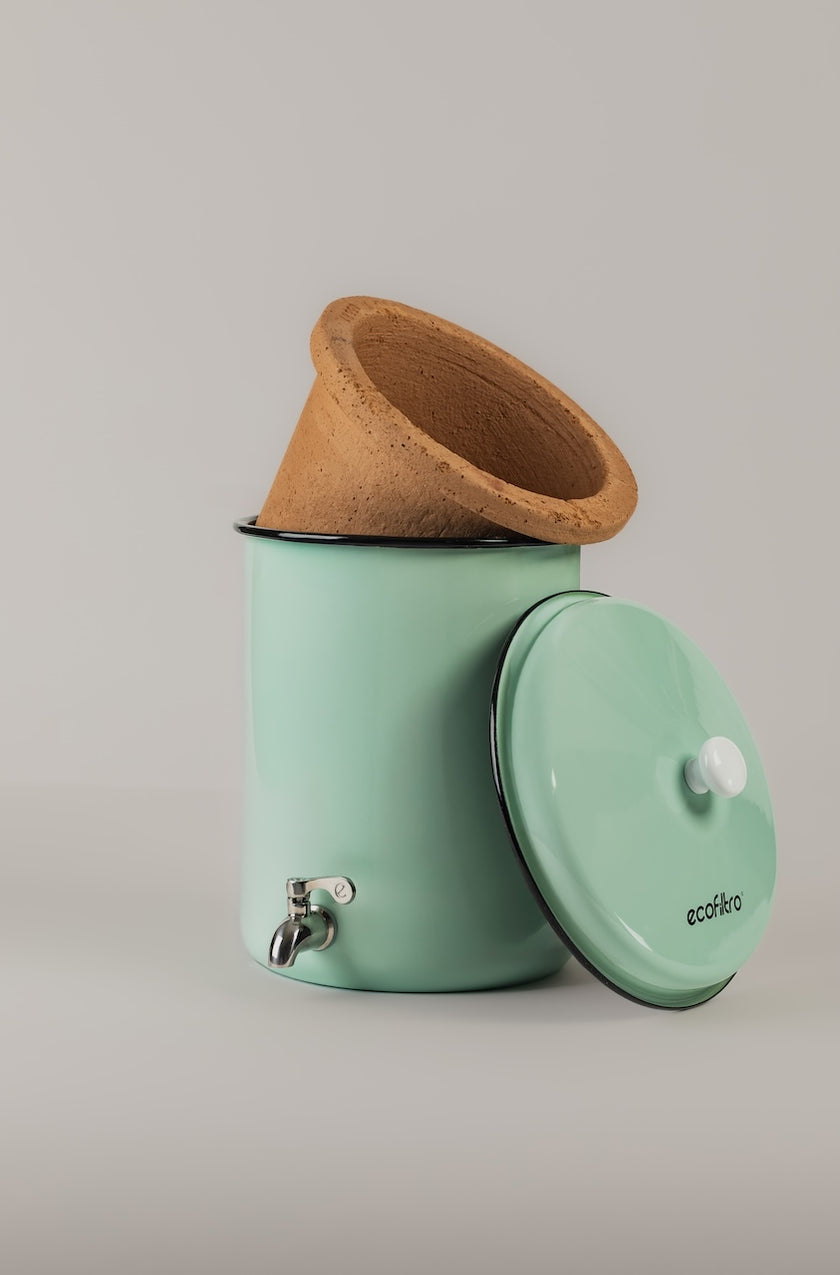
Ecofiltro is a water filter (5 litres) for one or two person households. Engineered by experts, it filters one to two glasses per hour, gradually increasing to 0.5 litres per hour, as the pores of the filter unit open up.
Completely plastic-free, it’s sold in many lovely colours, to blend with your household or office. The package includes a 1.5 litre filter unity with a 3.5 litre filtered water storage unit, for a total capacity of 5 litres.
Just wash every six months, using only filtered water and a plastic-free sponge or clean cloth. Avoid harsh cleaners, never use soap or bleach, nor expose to direct sunlight. All you need to do is renew the water filter every two years.
Plastic jug filters are quite expensive, the filters are wrapped in plastic, and they don’t fit through the letterbox, if you don’t live near a bit supermarket (to buy or recycle the filters).
Never give sparkling water to to pets, it could cause bloat.
Doulton water filters are good.
Do you need to filter tap water?
If you don’t like the taste of chlorine (and if your council chlorinates water, there’s nothing much you can do), just do what restaurants do. And air a jug of water for 30 minutes, for the taste to disappear.
Lead pipes are an issue, so check with your builder or council. And don’t drink tap water from bathrooms (some say it’s fine, but often it’s from different tanks). It’s also best not to drink water from warm/hot taps.
These days, we have all kinds of stuff in tap water, from chlorine to microplastics. This can lead to normal tap water tasting unpleasant, or at least not very nice. Filtering tap water basically makes it taste nice, but you don’t have to use plastic jugs.
Ceramic water filters use a porous shell to trap debris and bacteria, like a coffee strainer. These last for months or years, and are easily cleaned with a natural brush. Go for ones that have stainless steel or glass housings. Just fill the upper chamber with tap water, then gravity pulls the water through, and leaves clean water below.
Hard water & limescale in England
Unless you live in northwest or Eastern England, you likely have hard water (which makes it cloudy, due to a combination of chalk and limestone) and although it doesn’t taste as nice, it does no harm.
Most water boards add chlorine (to kill bacteria) and fluoride (Ireland has fluoridated tap water for decades with no good effects on dental health, but it’s added around 10% of England, though new schemes are rare). For old pipes, ask your water board to visit, to check there is no (harmful) lead in your tap water.
Hard water causes limescale, which does not taste nice and can build up calcium and magnesium carbonate, which can lead to bladder stones.
To descale a kettle, fill it three-quarters with equal parts of tap water and cleaning vinegar (also sold in supermarkets).
Boil and cool, then drain and rinse several times, until all flakes have gone. Then boil (full) and empty again, to remove vinegar taste. Adding a teaspoon of bicarbonate of soda can help shift stubborn limescale.
Aarke stainless steel water purifier
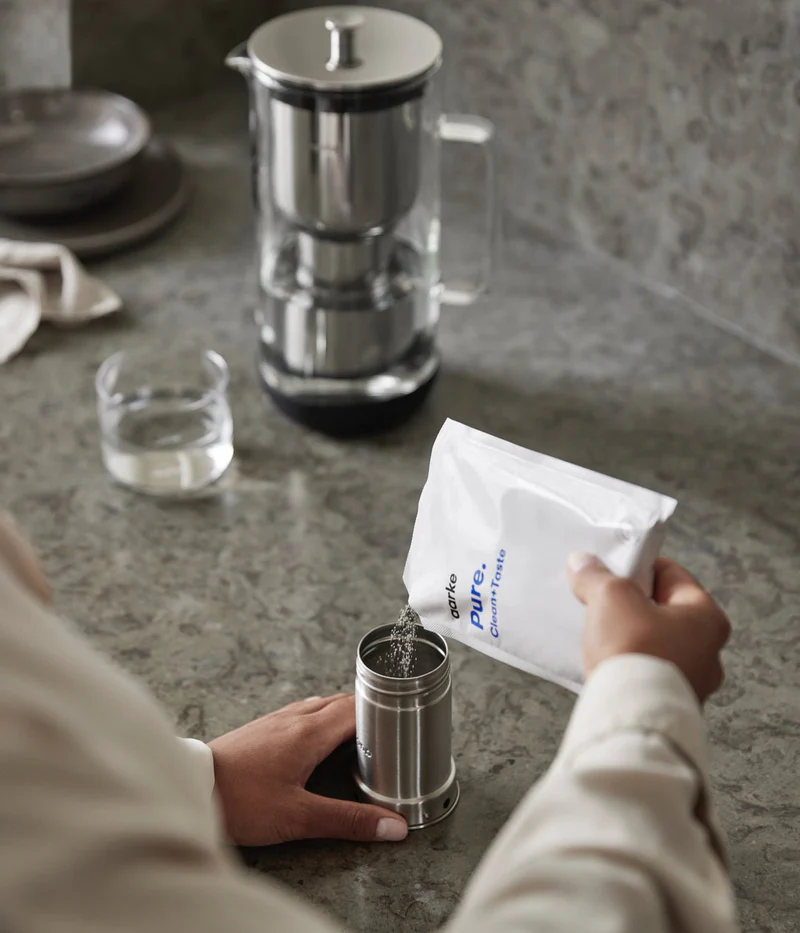
Aarke is a stainless steel filter jug with refillable cartridge and granules, but it does cost around £100. You set a dial inside the lid to know when to change the cartridge, and if you remove the granules from the filter cartridge, you can put it in the dishwasher.
Phox water filter granules
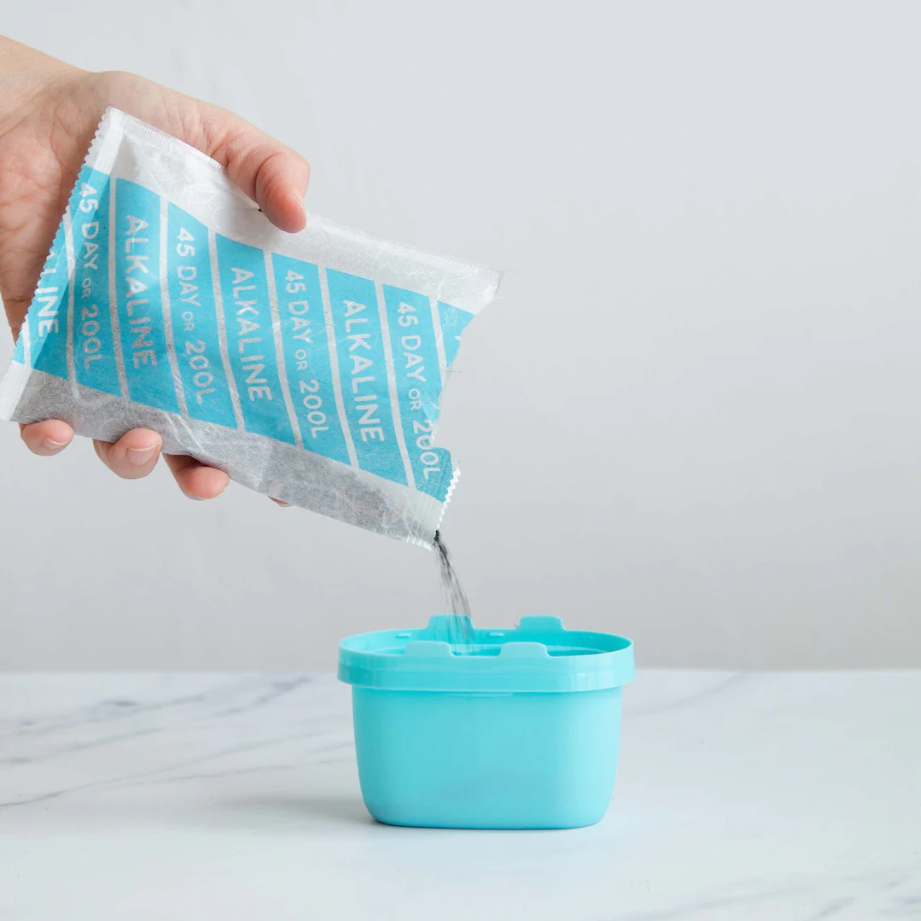
Phox Compatible is a refillable cartridge that fits all jugs, kettles and coffee machines that use Brita Maxtra & Matra+ cartridges.
If you’re not in the market to buy one of their own jugs, this is the next best thing. It slots into your current jug and is built to last years. Just replace the filter granules every 45 days.
Sold in 3 versions (for hard/very hard water or an Alkaline pack with increased magnesium) it won’t remove chlorine (you need reverse osmosis for that). The jug takes just a few minutes to fill, then lasts 200 litres.
You can put most parts in the dishwasher (not the jug base or rubber gaskets). If you go on holiday, immerse in water, remove and place in a jug of fresh water, to stop the granules drying out.
Water-to-Go (reusable bottles with in-built filters)
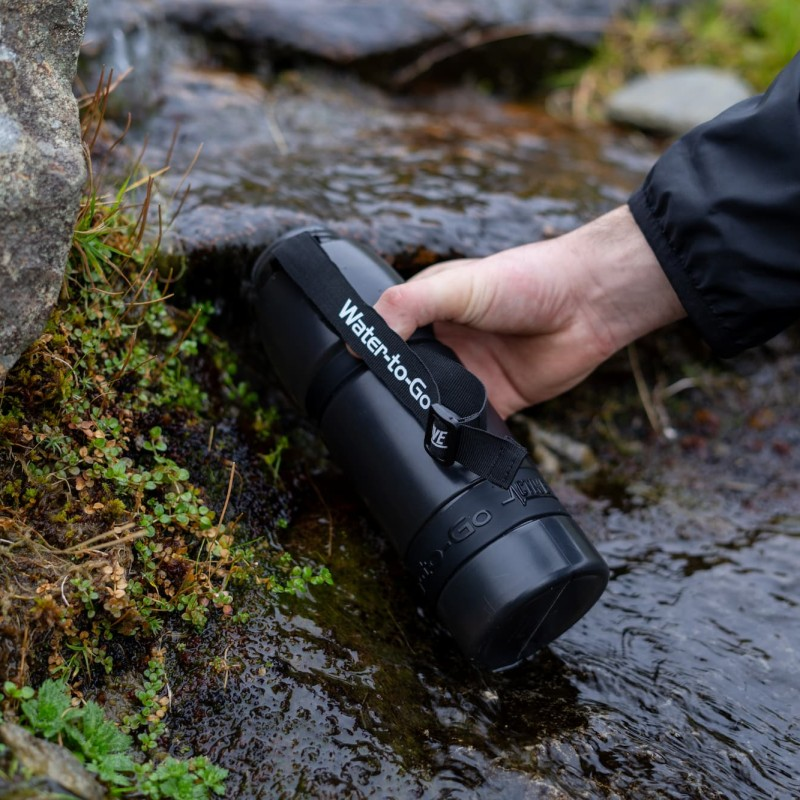
Water-to-Go makes lightweight yet durable reusable water bottles, made from biodegradable sugar cane. The lids are made from recycled vegetable oil and wood pulp, both easily recycle at end of use.
What makes these bottles unique, is that they contain a filter inside. So you can fill up with tap (faucet) water, and off you go!
Use code WTGAW20 for 20% discount code
Created by the founders of a textile company (who were aghast while travelling abroad to see mountains of plastic waste), they decided to create these bottles that have filters using three technologies (mechanical filtration, electrical and activated carbon) to filter out bacteria, heavy metals and harmful chemicals.
Each filter can replace 400 plastic water bottles, working out at just over 6p per litre of water you drink. Ideal for busy mums, gym goers, commuters or backpackers, one filter (based on drinking 2 litres of water per day) should last around 3 months.
How to use this filter bottle
Fill the bottle up, then turn it upside down. Submerge the new filter in water for at least 15 minutes (do the same if the filter has been dry for some days). The larger bottle is dishwasher-friendly (the lid and smaller bottle are hand-wash.
Belu filtered water (to help global south countries)
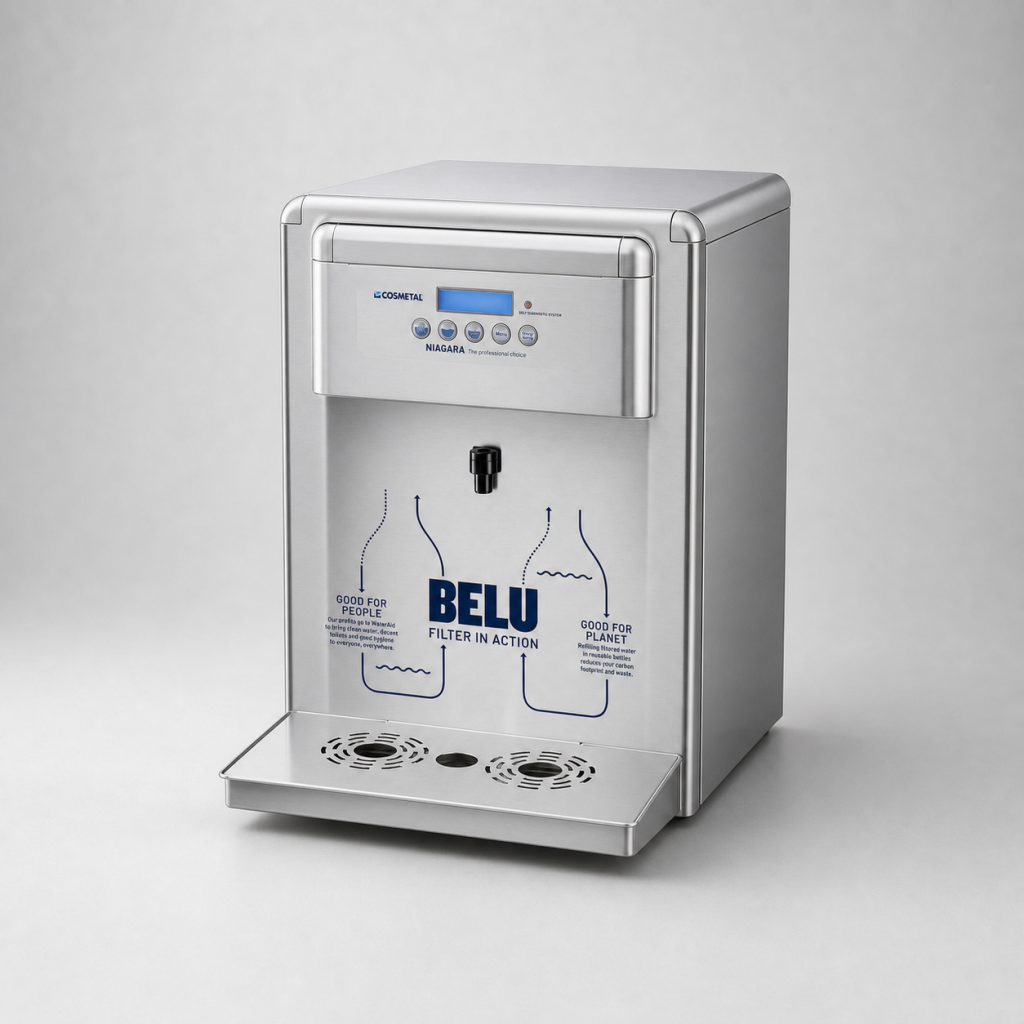
Belu is an amazing social enterprise, which offers filtration systems for industry, and uses profits to help provide clean water in Global South countries. Just imagine is everyone switched over, what good it could do?
It offers glass bottles too and cans of mineral water, or opt for the plumbed in filters, to avoid packaging altogether.
Before recycling cans, rinse then pop ring-pulls over holes. Then step on upper cans to pinch rims together, to avoid wildlife getting trapped.
The company offers a range of machines, and can provide filtered water both front and back of house, with marketing materials and user instructions for staff. It also offers water dispensers for offices, meeting rooms, restaurants and restrooms.
There are options for chilled, still, sparkling and hot water available. Free-flowing filtered water also can boost revenues, as you will not be buying in bottled water for your business.
Over 700 million people in the world have no access to clean safe drinking water, with around one million women and babies dying each year, due to lack of clean places to give birth.
Every 2 minutes a child under 5 dies, from diarrhoea caused by dirty water. And climate change is making things worse.
Frank Water also offers filtered water stations for wholesale, with profits to provide clean safe water in developing countries, mostly for children in India.
Never give sparkling water to to pets, it could cause bloat.
Learn more on public drinking fountains for dogs in public parks.