Plymouth & Exeter (two very different Devon cities)
Along with the towns of Totnes (the world’s first transition town) and Tavistock (where the food was so good, McDonald’s had to close down), Devon has two very different cities:
Always follow the Countryside Code to keep all creatures safe. Keep dogs away from steep banks, mushrooms (and toxic plants/trees) and on leads near birds, barnyard friends and wild ponies.
At the coast, keep away from nesting birds and never walk on sand dunes. Learn how to keep dogs safe by the seaside (check beach bans before travel).
Plymouth (borders Cornwall on the Tamar Bridge)
Plymouth borders Cornwall via the Tamar Bridge, and has a large naval base this is where the pilgrim fathers set sail from on the Mayflower, hence there is a town of the same name in New England). Like Coventry, it was heavily bombed during World War II.
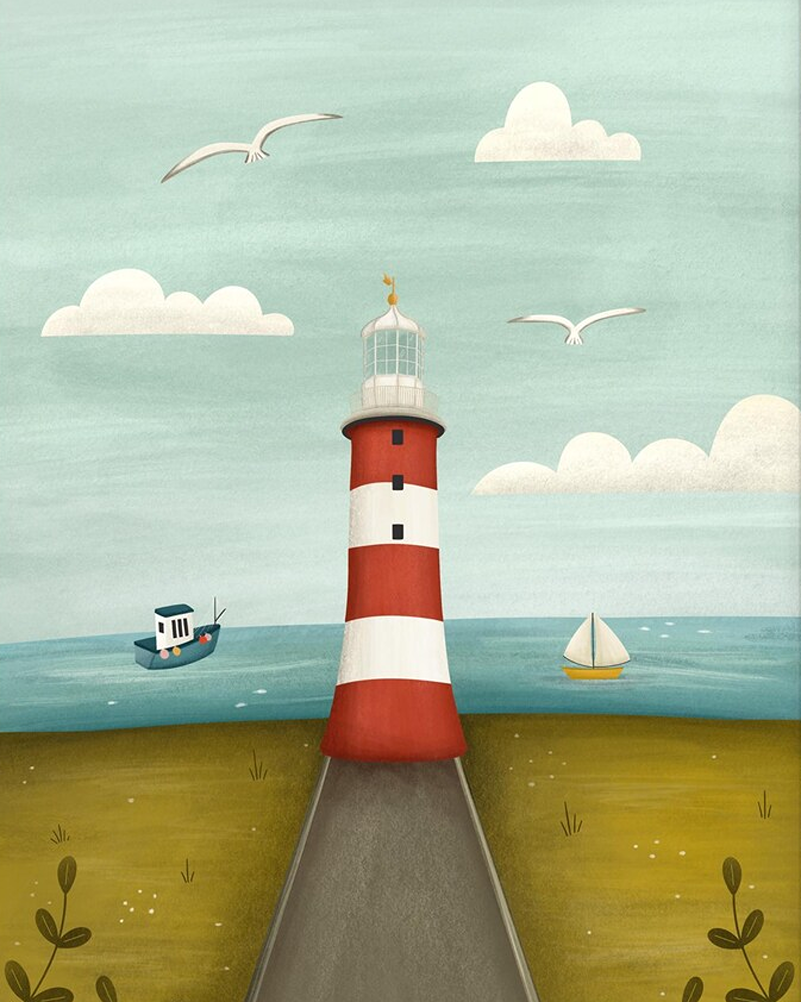
Smeaton’s Tower lighthouse was the second attempt (the first worn away by the sea on Eddystone Rocks), and built from Portland Stone (there are 93 steps for fantastic views).
Where the 1620 Mayflower voyage set sail. This voyage to the USA in lasted 66 days and carried around 30 crew members and 102 passengers (one passenger died on the ship, but many more in the bitter winter on arrival, as well as one baby being born – named Oceanus. He sadly died a few years later too.
The crowded conditions on a ship meant for cargo forced passengers into a damp ‘gun deck’ with little headroom (the second ship due to sail was deemed unseaworthy).
The ship was destined for Virginia but landed at Cape Cod (due to storms and navigation issues). Despite the high mortality, it’s estimated that around 30 million people can now trace their ancestry back to these passengers.
The passengers were not Quakers, but sailed for the same reason (to escape religious persecution by the Church of England), Quakers followed around 30 years later.
New Plymouth (USA) named after it)
Following on for the same reason, most of the settlers arrived here, so the city is indeed name after our Plymouth. The town has a museum, which of course features a ‘living 17th century village’ to tell the story. It’s known as a wonderful place to watch whales from afar.
Drake’s Island
Situated in Plymouth Sound, this is a dormant volcanic island. This 6.5 acre historic site has a strong military history, and served as a prison and fort from the 16th to 20th centuries.
It’s now privately owned and roughly 500 meters from the coast between Mount Edgcumbe (Cornwall) and Plymouth. It’s separated from the mainland by a shallow rocky reef at low tide, known as ‘the Bridge’.
There are tours but keep away from protected wildlife like little egrets (small herons). Dog guardians must carry dogs from the boat to the landing stage and then up the stairs (to avoid spiky metal grating), and dogs must sit on laps by guardian’s legs on boats, for safety. Dogs must be kept on leads at all times (and avoid trips in hot, warm or rough weather).
Exeter, Devon (a historic Roman city)
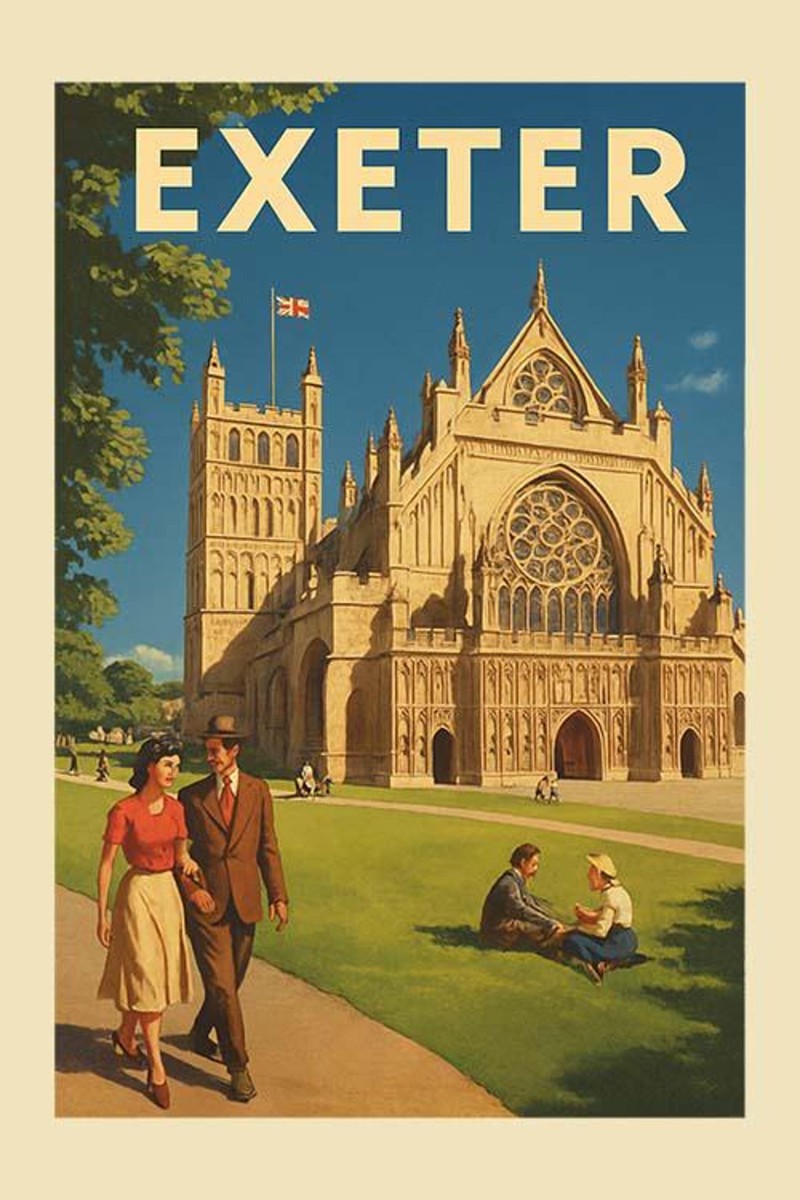
Exeter is one of England’s most elegant cities, with a strong Roman history. Known for its beautiful cathedral and unique 14th century underground passages, it features the oldest civil building still in regular use (Guildhall) and even a 14th century timber-framed house. History everywhere!
Parliament Street (England’s narrowest at just 25 inches) used to stink back in the day, when people would empty their chamber pots onto the pavement, leading the City Chamber locking the doors at each end!