Poole Harbour, Dorset (wetlands and seagrass meadows)
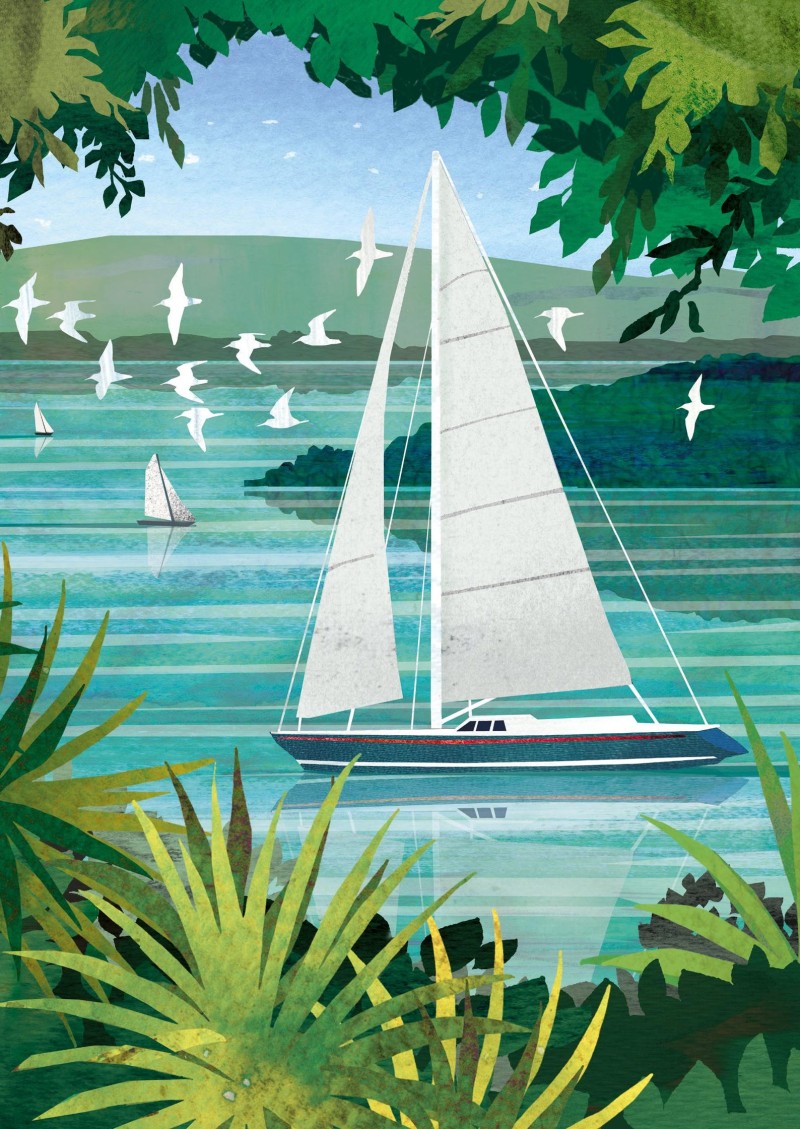
Poole Harbour in Dorset, is one of the world’s largest natural harbour in Europe (a close all with Cork in Ireland) and only surpassed by harbours in Sydney (Australia), Kapiara (New Zealand), Halifax (Canada) and Port of Trincomalee (Sri Lanka).
It features a 143 km shoreline and is remarkably shallow, with an average depth of just 48 cm. The harbour covers around 15 square miles.
Always follow the Countryside Code to keep all creatures safe. Keep dogs away from steep banks, mushrooms (and toxic plants/trees) and on leads near birds, barnyard friends and wild ponies.
At the coast, keep away from nesting birds and never walk on sand dunes. Learn how to keep dogs safe by the seaside (check beach bans before travel).
Wetlands are home to wading birds
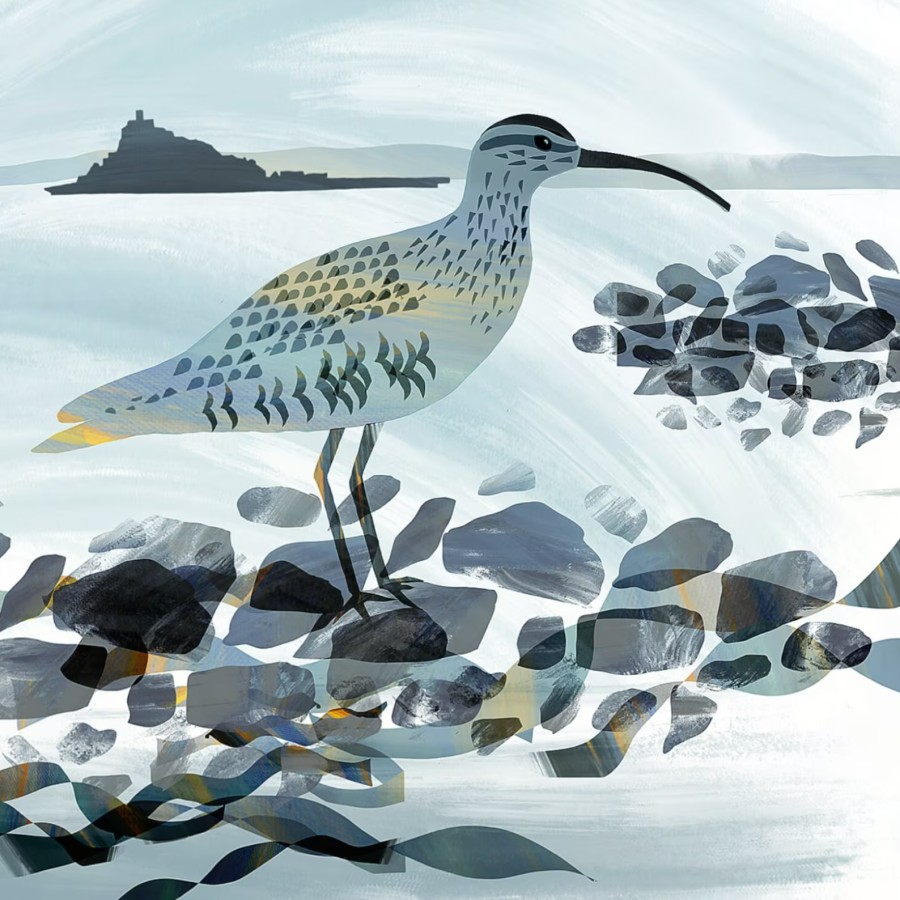
The nearby wetlands are also home to thousands of wading birds including avocets (the symbol of the RSPB with their upturned beaks) and egrets (similar to herons but smaller). Keep at least 100 feet away, as flying off wastes energy that is needed for feeding.
Seagrass meadows support local ecosystems
The underwater seagrasses also support a massive ecosystems to provide food for wintering geese. Seagrass meadows also provide vital habitats for endangered sea turtles and seahorses. Advanced mooring systems has developed an alternative to boat anchors, that is safer for marine wildlife.
Brownsea Island (a haven for red squirrels)
The island is a haven for endangered red squirrels (due to having the right habitats, this is how to save them, by providing native trees for food and shelter, and therefore good immunity). Read how to help both red and grey squirrels.
Sandbanks (you can’t afford it!)
The peninsula of Poole Harbour is home to Sandbanks, known for being one of the most expensive places to buy homes in England. Guaranteed that most of us could never afford even a studio flat here!