Portland Bioswales (lessons from a rainy city)

Portland is a city near the Canadian border, in northwest USA. It’s about the same size and population as Sheffield, but it has way more parks (one for every day of the year) and is known as one of the greenest cities in the United States.
You can find everything from organic supermarkets and vegan food malls to cloth nappy laundries. It also runs Trimet, one of the world’s best public transit systems, linking buses, trams and trains both within and out of the city.
What Portland is most known for however, is its bioswales. If you’ve never heard of these, prepare to be amazed and also confused, as to why English councils are not using them here. In a nutshell, they involve planting native grasses alongside pavements to absorb rain (Portland like England, gets regular downpours).
If planting green spaces, read about pet-friendly gardens and wildlife-friendly gardens. And trees to avoid near horses (including yew, oak and sycamore).
The benefits of planting bioswales
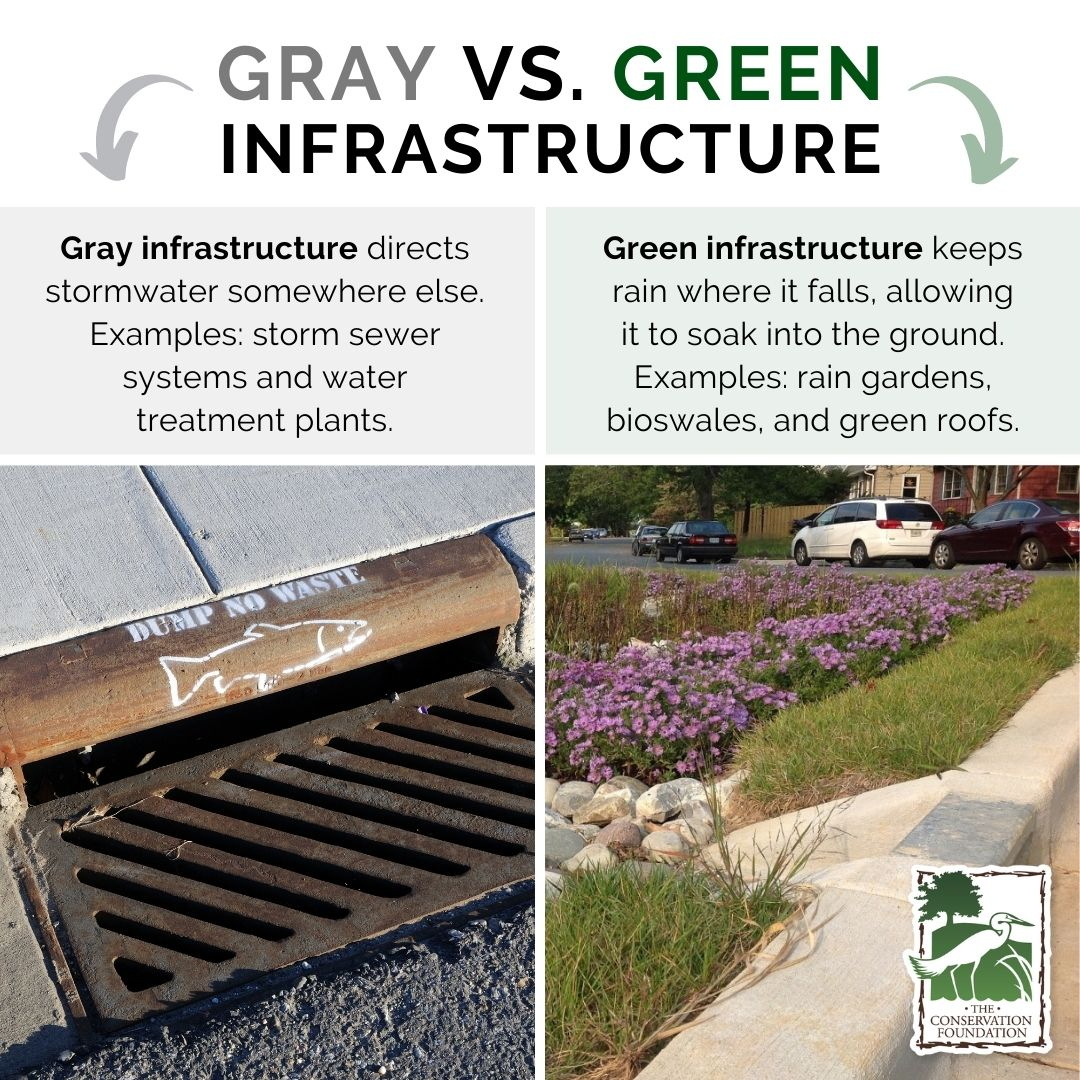
Planting bioswales not only absorbs pollutants, but crucially it prevents floods. At a time when England (and many other places) are suffering from major floods (now the world’s most common natural disaster), often the answer is easy: just plant more trees and bioswales in urban areas, and these heroic plants soak up the water, and it then prevents overflowing gutters and ultimately burst river banks.
Planting bioswales also has the added benefit of absorbing carbon dioxide, which helps to reduce urban heat island effect (where the temperature and pavement heats up). This has a knock-on health effect of helping to prevent heatstroke in both people and pets, and keeps birds and wildlife cooler in summer.
Bioswales keep streets and rivers cleaner
Bioswales slow down stormwater, so the ground absorbs it before it rushes down drains. This means it filters dirty water before it ends up in rivers, to cut pollution during heavy rainfall.
This also means less stress on old pipes, and less risk of flooding downstream. It also creates a prettier city with native plants, which also helps local birds and insects (which birds need for food).
Why aren’t English councils planting bioswales?
Who knows? Lack of vision, not reading enough books on good town planning? Apparently a few councils (London, Lincolnshire, Cambridgeshire) are exploring options. But considering that Portland has been planting bioswales for decades, it beggars belief why all our councils are not following suit. It’s such a no-brainer and would also be affordable, quick and create skilled jobs.
And before councils say ‘we don’t have any money to maintain them’, know that Portland local government has volunteer Green Stewards. Once the bioswales have been planted, they take responsibility for most jobs (not official pruning) like picking up litter, removing sediment and leaves (to help water flow and prevent sewage overflow) and watering plants in summer.