Reducing Food Waste: Simple Habits & Apps
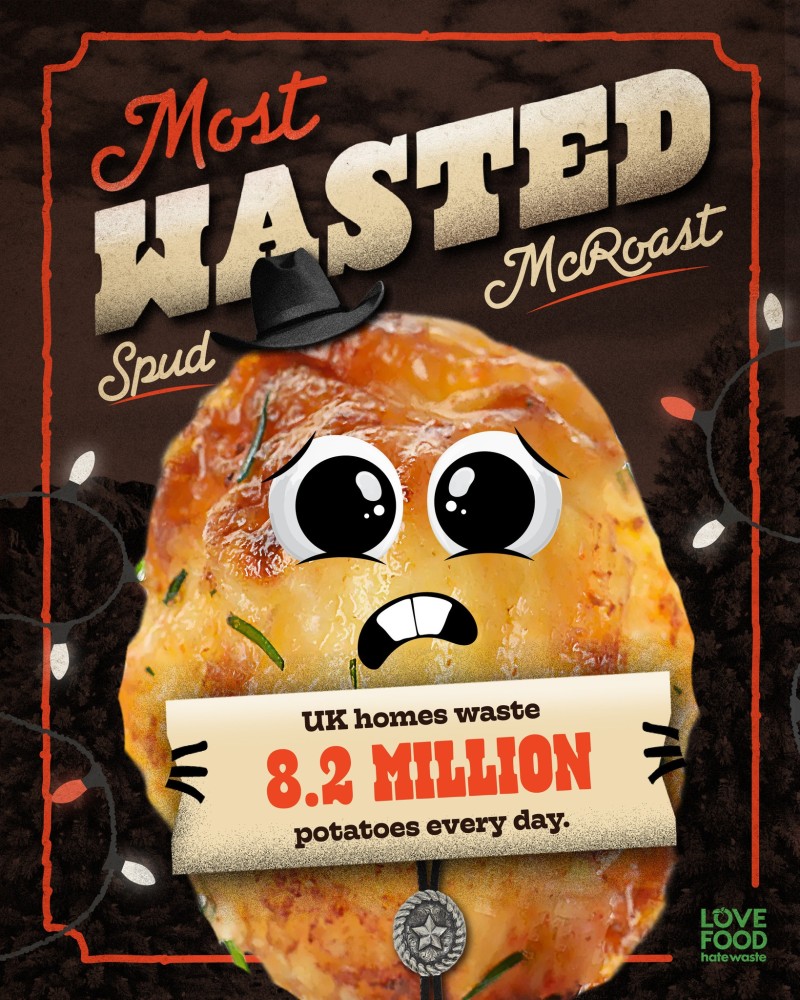
Reducing food waste is mostly about stopping edible food from being thrown away. Love Food Hate Waste says new storage info for potatoes has changed, they should be kept below 5 degrees Celsius, to avoid the colossal amount of potato waste, as they last up to three times longer.
In England, people throw away a third of all food (mostly fresh produce, salads and bread). It’s estimated that UK supermarkets throw away around 190 million meals a year, which could feed hungry people.
Often this is due to supermarkets selling too big of items, for single or two-person households. For instance, they don’t sell things that would help like bags of apples (1 or 2), or tiny bread loaves.
Don’t feed garden birds or wildfowl bread that’s stale, hard, or mouldy, it can cause choking. Also skip buttered bread, because fat can smear onto feathers and reduce waterproofing and warmth.
Read up on food safety for people and pets. Put allium scraps (onion, leeks, garlic, shallots, chives) in the bin, same for tomato/citrus/rhubarb waste, as acids could harm compost creatures. Same for tea leaves & coffee grounds (use a sink strainer to avoid blocked drains).
Fully remove lids from tins before recycling, or press ring-pulls back over the opening. This helps to stop curious wildlife becoming trapped.
Plan meals you will actually eat
Take 10 minutes each week to roughly flesh out a shopping plan and meal list. Pick 3 to 4 dinners you know you’ll eat, ideally having the ingredients overlap. If you buy peppers for fajitas, use them also in a pasta sauce. Add a couple of flexible meals for leftovers, like wraps, stir-fries or fried rice.
Before you shop, check the fridge and freezer and look for items to use up, like spinach, mushrooms and soft fruits. Then build a plan to use them up, and ensure soon-to-go-off foods are near the front or the fridge, so you don’t forget.
Store food properly (understand date labels)
Some people bin food, simply because they don’t understand food labels. In the UK, use by is for safety (you must eat it up). But Best before is about quality (it may lose flavour, but usually is fine for a bit longer. Too Good to Go’s Look-Smell-Taste label helps to avoid confusion:
- Does the produce look okay?
- Is it free from mould?
- Is the packaging undamaged?
- Does the product smell okay?
- Does it taste good?
Cool leftovers quickly and chill within 2 hours in shallow containers. Thaw frozen food in fridge before cooking (don’t reheat again, and avoid eating cooked rice after 24 hours).
Also learn to store food properly:
- Stand herbs in a jar of water (loosely covered).
- Tuck a paper towel into salad leaves to soak moisture.
- Keep milk on a main fridge shelf (the door warms up each time it opens).
- Move ripe fruit away from slower ripening fruit, to avoid ethylene gas.
- Freeze bread in slices so you only take what you need.
- Freeze grated cheese in a silicone bag so it pours out easily.
- Portion foods, then freeze in silicone freezer trays.
- Label things with the day and date, day-first.
Just (cheap meals made from food waste)

In Sheffield, Just Ready Meals are made from leftover food, sold on a pay-what-you-can basis (starting from £1). Choose orange for vegan meals, and everything is delivered to local collection points, to save on costs and road traffic.
There are other ways to eat on a budget, from food waste. Some communities have surplus shops, food waste cafes, or community fridges where people share what they don’t need. These can be a lifeline for someone on a tight budget, and they also keep edible food out of bins.
Too Good to Go (an app to rescue surplus food)
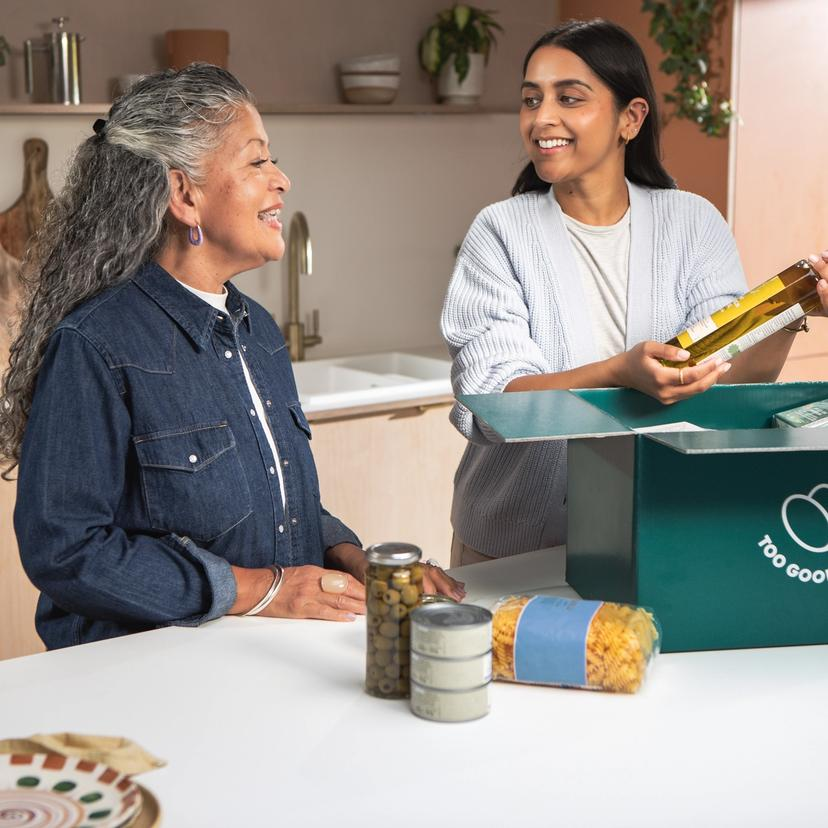
Too Good To Go is an app that is used to create “surprise bags” from cafés, restaurants, bakeries, and supermarkets. You pay a reduced price, then collect near closing time, to get a real bargain, and the shops also make some extra cash, on food they would otherwise have to bin ‘before midnight’.
Olio (a neighbourly food sharing app)
Olio has business pick-ups too, but mostly works for people who have leftover carrots in their veg box, unopened pasta or tins they won’t use (say if going on holiday or into hospital). It suits people who like small, local exchanges and can pick up nearby in containers or insulated bags for chilled food.
Olio also donates non-food items. Avoid sharing items that could be unsafe like old toys. The Lullaby Trust does not recommend donating (or buying) second-hand baby items like mattresses or car seats (and never use cot bumpers). Its site has more info on preventing crib death.
The Gleaning Network (free food from leftover harvests)
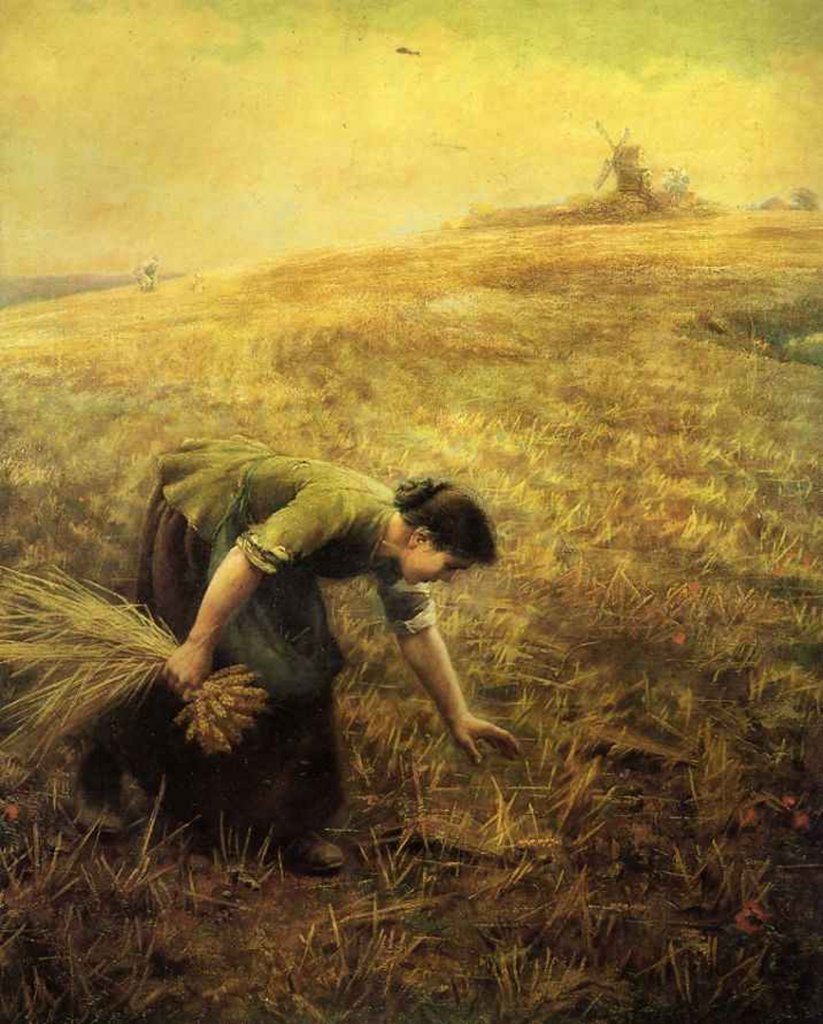
If you’ve never heard of ‘gleaning’, then you don’t know your Bible! It’s basically the ancient practice of harvesting leftover produce from the fields, then giving it to hungry people, to stop it going to waste.
Gleaning Network is not religious, but influenced by the ancient Biblical custom of ‘not reaping the corners of a field nor going over the field again after the first harvest’ to let those in need, ‘glean’ what’s left behind.
The food often comes from excess produce grown on local allotments, which are dropped off to give to those in need. Volunteers turn surplus farm produce into free meals, and once even cooked a dinner to ‘feed the 5000’. Jesus would be proud!
What Greta Thunberg is doing for the planet, Tristram Stuart is doing to cut food waste. Shocked when he found out that all the food thrown out in the world each year, could feed every single hungry person on earth.
He has a lot of influence, where his TED Talk has been viewed over a million times (see it on his site). He’s very posh (from Sussex) and has made it his mission to help all the impoverished people worldwide, who have no food, due to westerners throwing it away. Read his facts twice:
- 20% to 40% of all UK fruit and veg are rejected, even before they reach the supermarkets.
- UK households throw away enough bread and cereals, to lift 30 million hungry people out of being malnourished.
- 24% to 35% of school lunches end up in the bin.
- 40% to 60% of all fish caught in Europe are discarded.
Food Recovery Network is the worldwide movement. Many regions have dedicated gleaning networks, making it simpler than ever to join in. Just imagine spending a day in the great outdoors, helping those in need, while enjoying the fresh air. Just remember to leave some food for wildlife.
Download a free Gleaning Toolkit to start something similar in your area, to deliver excess farm food that would otherwise go to waste.
OzHarvest (large-scale food rescue to inspire)

OzHarvest is a great idea from Australia, which we could do with starting up something similar in England. Set up over 20 years ago, this is the country’s leading food rescue organisation, which donates surplus food to hungry people.
The media and political treatment of hungry people in England is appalling. Many MPs and political pundits have suggested that people who use food banks should learn to budget their books, or just buy cheap own-brand foods like beans and noodles. What patronising nonsense.
Most people living on the breadline likely have thought of that? And food banks are usually vetted through local organisations – you can’t just turn up and help yourself.
Food campaigner Jack Monroe (who once lived on £10 a week to feed herself and her young son) said one old man told her that he was eating a little toothpaste at night, to fool himself that he had eaten dinner:
The square root of f*ck all is ALWAYS going to be f*ck all, no matter how creatively you’re told to dice it. Jack Monroe
Stop quoting pasta prices. Snigdha Nag
Media Diversified has an excellent post going into detail on why people are told to ‘buy potatoes and shop at ALDI’ by people who are not addressing the real issues. ‘Cheap food’ requires pans to cook with, energy bills to pay, oil to fry up base ingredients, a peeler to make potato dishes and (often) a car to drive to ‘cheap ‘out-of-town’ supermarkets.
Many people in poverty don’t have fridges to store leftovers. And some older people with arthritis can’t peel carrots and potatoes, so have to buy (more expensive’) ready-made ones in tins. Seasonal foods are cheaper, but most supermarkets sell over-inflated priced food from abroad (70% of our apples are not local).
Again, Jack Monroe notes that prices of apples and rice have gone up with inflation, yet supermarkets have kept prices of champagne the same.
Often people live in ‘food deserts’ (the ‘local shop’ often being NISA selling frozen pizza and chips, with no bus service to cheap shops). So people can’t follow ‘why don’t they all shop at ALDI?’ advice.
And millions of people have no access to the Internet, so they can’t shop online – especially when it’s a minimum shop of £50 or so to qualify for free delivery.
Ronnie’s Vision (far more positive and empowering)

Ronnie Kahn is a South African entrepreneur who has revolutionised the way people think of food banks and hungry people, in her adopted country. We have food banks, but this is on a different scale.
She has used her business skills to turn the food waste issue on its head, even passing a law with help of pro-bono lawyers to let businesses give surplus food to charities, without fear of liability). Other things the organisation does:
- Volunteers deliver over 250 tonnes of donated food from local businesses each week, to food bank charities. Drivers are trained to spot unsafe foods (cooked rice and foods past use-by dates). Most foods are collected (not alcohol, so they can’t accept leftover Christmas puddings!)
- The food truck caters to events, using food waste ingredients (as does its in-house catering company).
- Cooking for a Cause teaches local people to cook healthy tasty food with rescued ingredients.

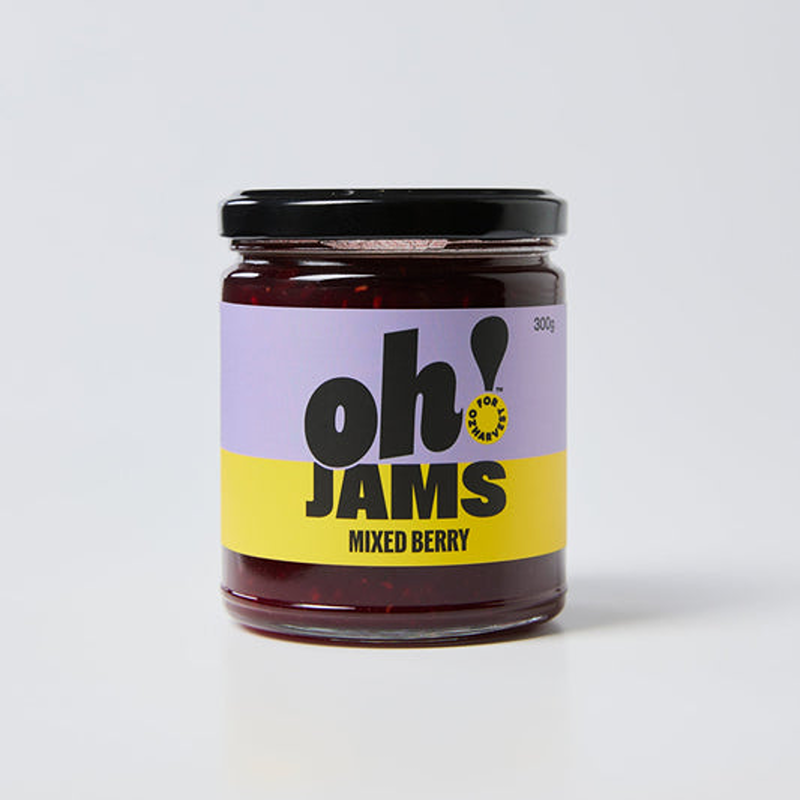
The shop sells food items made from food waste. These include a sparkling non-alcohol alternative (made from rescued blueberries), a lemonade (made from rescued lemons, strawberry and ginger), an upcycled tomato chilli sauce and jams made from upcycled berries and rhubarb.
French Food Waste Rules are Tougher (illegal!)

Since 2016, it has been illegal for larger supermarkets to throw away edible food. The law pushes retailers to donate unsold items to charities rather than send them to the bin. It is practical, targeted, and sends a message that food has value far beyond its price tag.
Since 2016, supermarkets must sign agreements with local charities, to donate food that is leftover, but still edible, to stop it going to waste.
Why is supermarket food waste still legal in England?
The government has still (10 years after the ruling in France) not banned supermarkets from throwing away edible food, at a time when so many people go hungry. Despite a paltry pledge to ‘halve food waste by 2030’, despite throwing out around 100,000 tons of edible food each year.
Yet there is enough food thrown out each year, to feed every hungry person on earth.
If like in France, supermarkets faced hefty fines for throwing away edible food, they would stop. So why does the government not get its act together, and bring in similar laws immediately?
All that has happened is a law that means all councils in England, must now provide weekly food waste bins, to increase recycling rates. And that’s obviously not working.